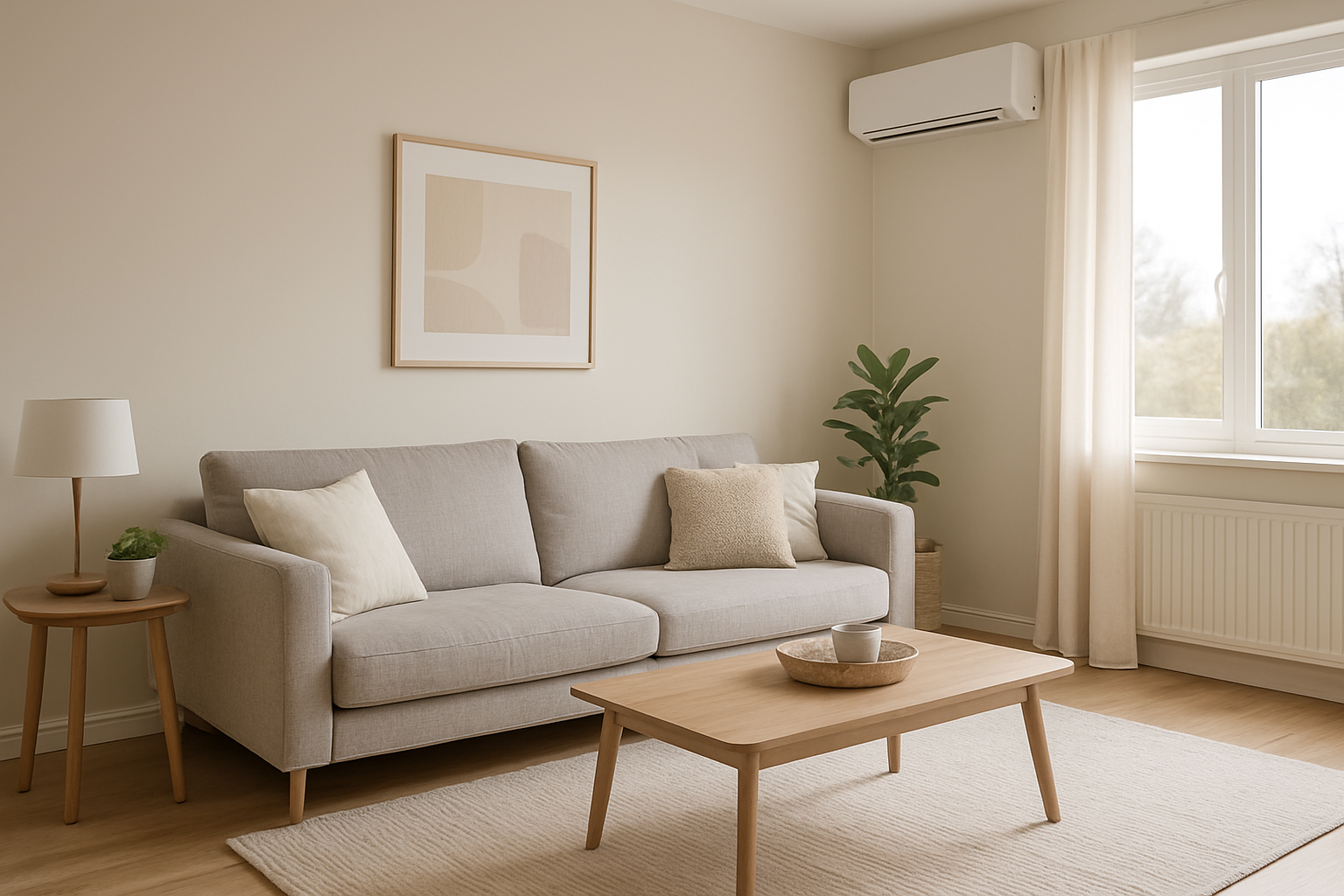
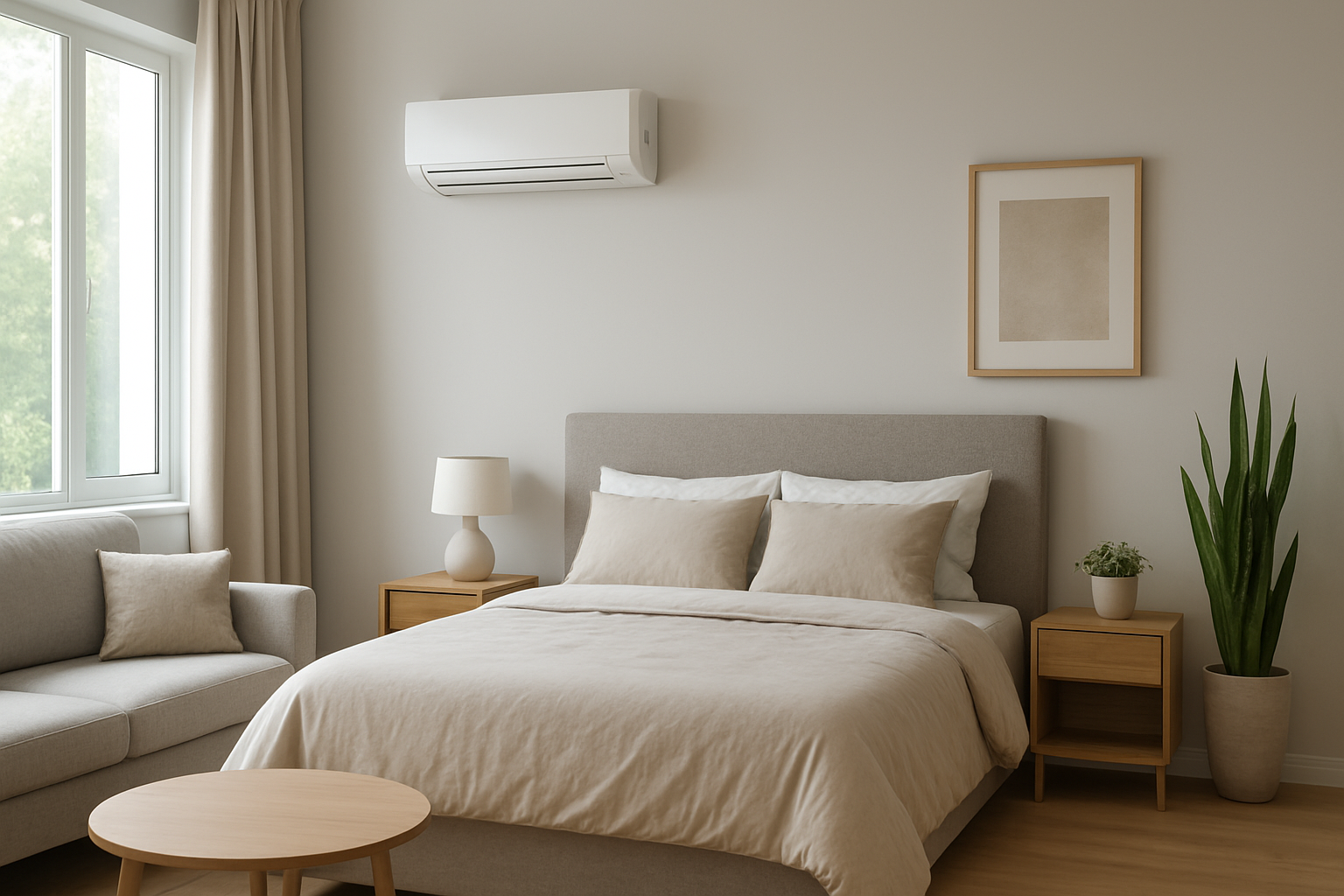
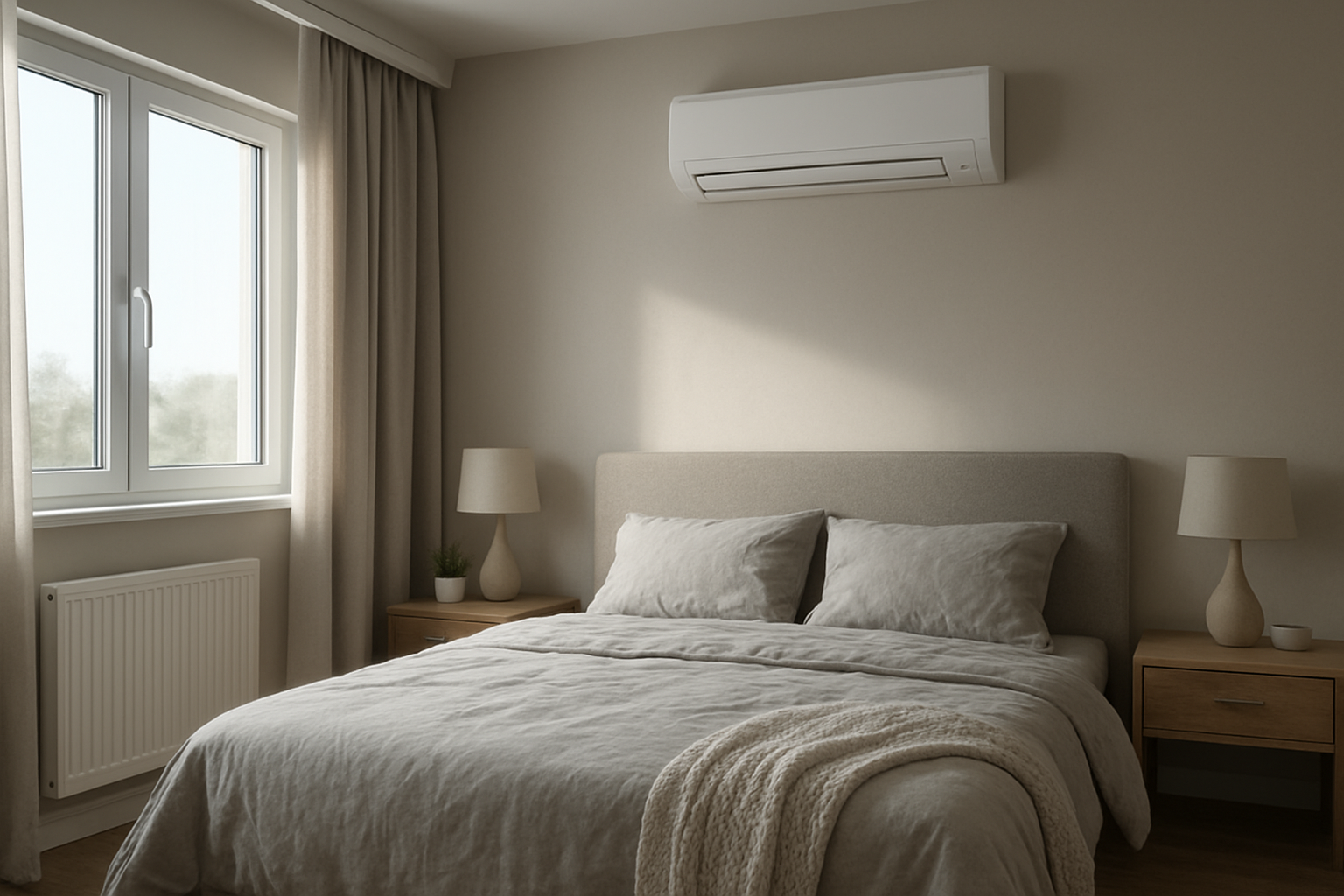
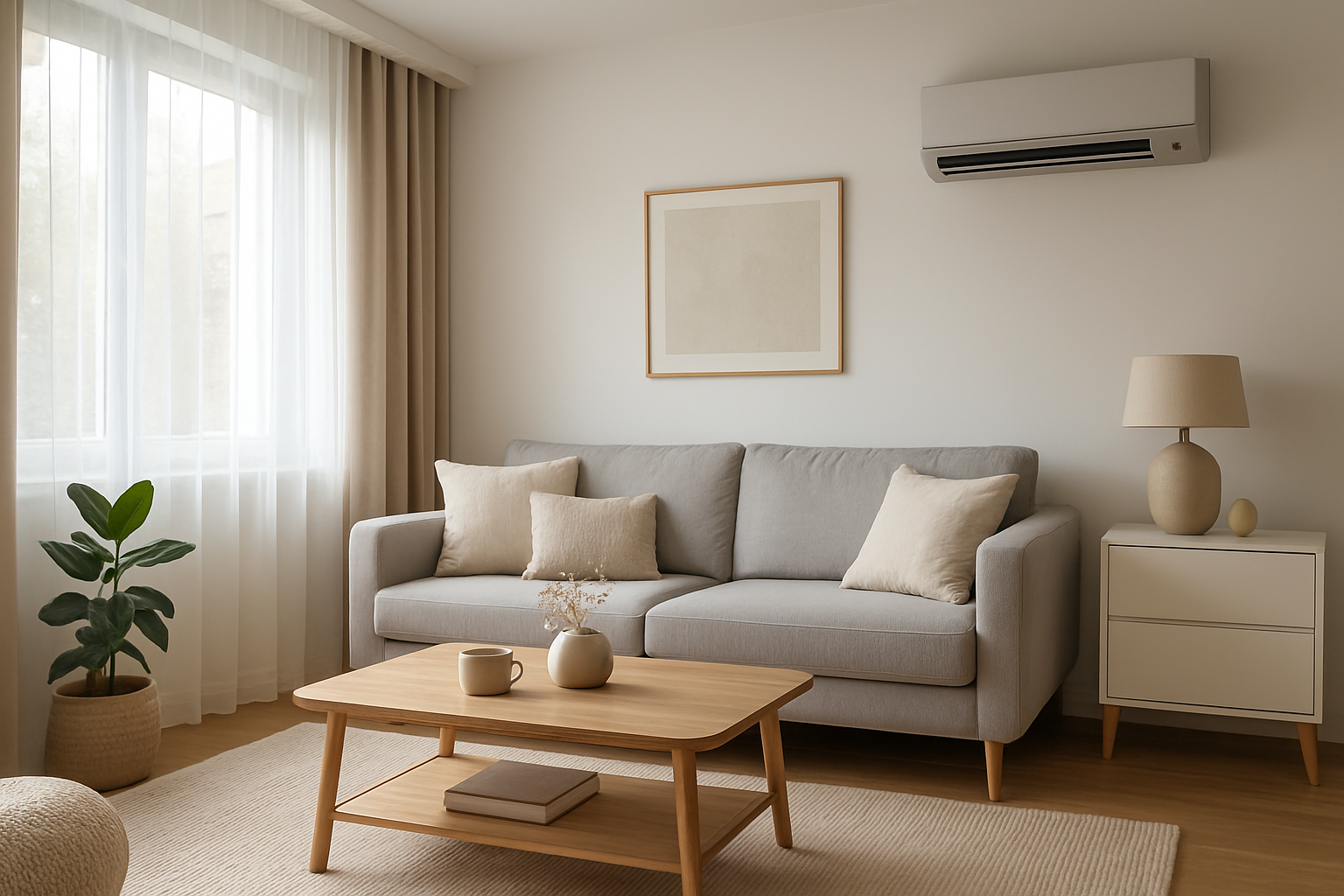
Diagnose why one bedroom stays warmer than others by identifying localized heat gain sources or airflow imbalances in your home’s HVAC system.
One Bedroom Always Warmer Than The Rest? Here’s Why
Quick Answer
Most of the time, one bedroom runs warmer because it gains heat faster than other rooms or it receives less conditioned airflow than it needs. First check: compare supply airflow at that bedroom vent to a similar-sized bedroom while the system is running steadily. If airflow is noticeably weaker or the room warms rapidly with sun exposure, you’ve found the likely direction.
Identify the Comfort Pattern First
Before blaming the equipment, sort the symptom into an identifiable pattern. The pattern tells you whether you’re dealing with localized heat gain, airflow imbalance, or both.
Time of day: Warmer in late afternoon or early evening often points to solar gain through windows, roof, or west-facing walls. Warmer overnight often points to low airflow with the door closed and the room holding onto heat.
Weather dependence: Only happens on hot, sunny days suggests heat gain. Happens regardless of weather suggests airflow distribution or a duct issue.
System running vs off: If the room warms mainly when the system is off, it’s usually heat gain or poor insulation. If it stays warmer even with long run cycles, it’s often insufficient supply airflow or too much return restriction.
Constant vs intermittent: Constant 2–6°F difference points to a persistent imbalance. A swing that comes and goes with sun or occupancy points to local loads.
Door open vs closed: If the room improves quickly with the door open, the return air path is weak and the room is pressurizing, reducing supply flow.
Floor vs ceiling difference: If the ceiling area is much warmer than the bed level, stratification and poor mixing are involved, often made worse by low airflow.
Humidity perception: If the room feels muggy compared to others, it may be receiving less conditioned air (less dehumidification) or it has a local moisture source. If it feels dry but warm, that’s more consistent with heat gain than humidity load.
Airflow strength at the register: A noticeably softer airflow compared to other bedrooms is a strong indicator of duct restriction, leakage, damper position, or a return path problem.
What This Usually Means Physically
A bedroom temperature stays higher for one (or both) of two physical reasons: it is gaining heat faster than the rest of the house, or it is not receiving enough cooling airflow to offset its heat gain.
Localized heat gain can come from solar radiation through glass, hot attic/roof surfaces above the room, under-insulated exterior walls, or air leakage from a hot attic or wall cavity. The room’s surfaces warm up, then the air warms. This is why a bedroom can be warmer even if the HVAC system is operating normally.
Airflow imbalance is common in bedrooms because they are often at the end of duct runs and frequently have limited return pathways. If the supply duct delivers less air than design, the room cannot remove heat fast enough. If the door is closed and there is no adequate return path (transfer grille, jump duct, sufficient undercut), the room becomes positively pressurized. That reduces the effective airflow from the supply register and traps warm air, especially near the ceiling.
The result is a predictable cause-effect chain: higher heat load + limited air exchange = higher steady-state temperature. Thermostat location matters only indirectly; the thermostat controls run time based on conditions where it is located, not in the problem bedroom.
Most Probable Causes (Ranked)
Supply airflow is lower than other bedrooms (duct restriction, long run, kinked flex, closed damper): The room’s vent feels weaker, and the temperature difference persists even with long cooling cycles.
Inadequate return air path when the bedroom door is closed: The room improves with the door open; with the door closed you may feel strong air pushing out under the door or the door is harder to close with the system running.
Solar gain through windows (orientation, lack of shading, blinds open): The room climbs in temperature during sunny hours, especially west or south exposure, and improves after sunset even without HVAC changes.
Attic or roof heat soaking into that room (insulation gaps, recessed lights, attic hatch, duct over hot attic): The room is warmer at the ceiling and stays warmer into the evening; the room is often on the top floor or under a low-slope roof.
Duct leakage near or above that bedroom: Airflow at the register is weak and the room may feel dusty; in the attic you may notice a cooler spot near a disconnected or leaky duct (do not enter unsafe attics).
Room-specific internal loads: Multiple occupants, gaming PC, aquarium, mini-fridge, or electronics rack; the room heats more when in use and less when unoccupied.
How to Confirm the Cause Yourself
These checks rely on observation and simple comparisons. Do them when the system has been running at least 15–20 minutes so conditions stabilize.
Measure the temperature difference correctly: Use the same thermometer in each room, held at about 4–5 feet above the floor, away from direct sunlight or supply vents. A consistent difference of 2°F or more is meaningful; 4°F or more is a strong imbalance.
Compare supply airflow room-to-room: With the system running, hold your hand or a tissue at the bedroom supply register and compare it to a similar register in another bedroom. If the tissue deflects far less or your hand feel is clearly weaker, suspect supply restriction, duct issues, or a closed damper.
Door position test for return restriction: Run the system with the bedroom door closed for 15 minutes, then open it. If you feel a noticeable rush of air at the doorway or the room temperature starts correcting within 10–20 minutes, the return path is likely inadequate.
Time-of-day solar test: Track the room temperature at mid-morning, late afternoon, and after sunset. If the warmest period aligns with sun on that wall/window and the difference shrinks after sunset, solar gain is the driver. Confirm by fully closing blinds/curtains during the sunny period for one day and comparing results.
Ceiling vs floor stratification check: Compare temperature near the ceiling (standing on the floor, hold the thermometer high) versus near the bed height. A large difference suggests poor mixing, typically worsened by low supply airflow or a supply register aimed poorly.
Quick load audit: Turn off nonessential heat sources in that bedroom for several hours (high-power electronics, lamps, chargers). If the temperature gap narrows noticeably without any HVAC adjustment, internal loads are contributing.
Register position check: Ensure the supply register is actually open and not blocked by furniture, a rug, or a deflector installed incorrectly. Blockage can mimic a duct problem.
Normal Behavior vs Real Problem
Normal: Bedrooms can vary by 1–2°F due to sun exposure, exterior wall area, and how doors are used. A room may also run slightly warmer if it sits over a garage or under an attic, especially during peak outdoor conditions.
Likely a real problem: The bedroom is consistently 3–6°F warmer than adjacent rooms, worsens when the door is closed, or never catches up even during long run cycles. Another sign is noticeably weaker airflow at that one register compared to similar rooms.
When Professional Service Is Needed
Persistent temperature difference: The room stays more than 3°F warmer than the rest of the home for most of the day despite consistent thermostat settings and normal run time.
Airflow is clearly lower: One bedroom register has much weaker airflow than other comparable rooms, or airflow changes dramatically with the door position.
System performance decline: Overall cooling seems worse, run times are unusually long, or multiple rooms are drifting warm, suggesting a broader airflow/static pressure issue.
Moisture or air quality flags: Musty odor, visible condensation at the supply register, or signs of attic air intrusion (dust streaking near registers). These warrant a professional airflow and duct inspection.
Safety and access limits: Do not enter unsafe attics or handle suspected damaged ductwork around electrical hazards. If confirming the issue requires attic access, call a qualified HVAC contractor.
How to Prevent This in the Future
Keep return pathways functional: If the bedroom door is typically closed, maintain an adequate return path (proper door undercut, transfer grille, or jump duct as appropriate).
Control solar gain: Use effective window coverings during peak sun hours, especially on west-facing bedrooms. Consider exterior shading if the pattern is strongly sun-driven.
Do not choke airflow with furniture: Keep beds, dressers, and curtains from blocking supply registers and airflow patterns.
Maintain consistent filter practices: Replace filters on schedule and use the correct type for your system. Overly restrictive filters can worsen distribution issues in marginal duct systems.
Have airflow balanced after major changes: After remodels, new windows, or equipment replacement, request an airflow/static pressure check and balancing review, especially for distant bedrooms.
Related Home Comfort Symptoms
One room always colder than the rest in winter
Bedroom feels stuffy when the door is closed
Upstairs rooms hotter than downstairs
Weak airflow from one vent
Room heats up quickly when the sun hits it
High humidity in one room compared to others
Conclusion
A bedroom that consistently runs warmer is usually not an equipment failure. It is typically a mismatch between that room’s heat gain and the conditioned airflow it actually receives, often made worse by a poor return path with the door closed. Start by comparing register airflow and testing the door-open versus door-closed behavior. If the gap stays above 3°F or airflow is clearly weaker, a professional airflow and duct diagnostic is the next step.
Frequently Asked Questions
Why is only one bedroom warmer when the thermostat says the house is cool?
The thermostat controls run time based on conditions where it is located. If one bedroom has higher heat gain or lower airflow, it can stay warmer even while the thermostat area is satisfied and the system cycles off.
Does closing the bedroom door really make it warmer?
It can. If the room has no good return air path, closing the door increases pressure in the room when the supply runs. That reduces effective supply airflow and limits air exchange, so the room holds heat and stratifies.
Should I close vents in other rooms to push more air to the warm bedroom?
Usually no. Closing other vents can increase system static pressure and may reduce total airflow, sometimes making the problem worse. It can also create new comfort issues elsewhere. A targeted airflow/return-path correction is more reliable.
How much temperature difference between rooms is considered abnormal?
About 1–2°F is common in real homes. A consistent difference above 3°F indicates a meaningful imbalance. If it is 5°F or more during normal operation, the room likely has a significant airflow restriction, return limitation, or strong localized heat gain.
Why is the bedroom warmer only in the afternoon?
That pattern aligns with solar and building-surface heat gain. Sunlight through windows and heat stored in exterior walls or the roof raises the room’s load during peak sun hours. If airflow is marginal, the room cannot offset that extra load and it drifts warmer until the sun drops.
Need a complete overview? Visit the full troubleshooting guide here: Read the full guide for more causes and fixes.
In the end, that warm little corner feels less like a mystery and more like a personality trait of the house. One room throws a bit of extra enthusiasm into the mix, while the others simply keep their distance.
That mismatch can be annoying in the day-to-day rhythm of home life, but it also makes sense when you stop blaming the weather and start reading the room. You’ll notice the difference, then you won’t—until the next time the thermostat decides to get dramatic.