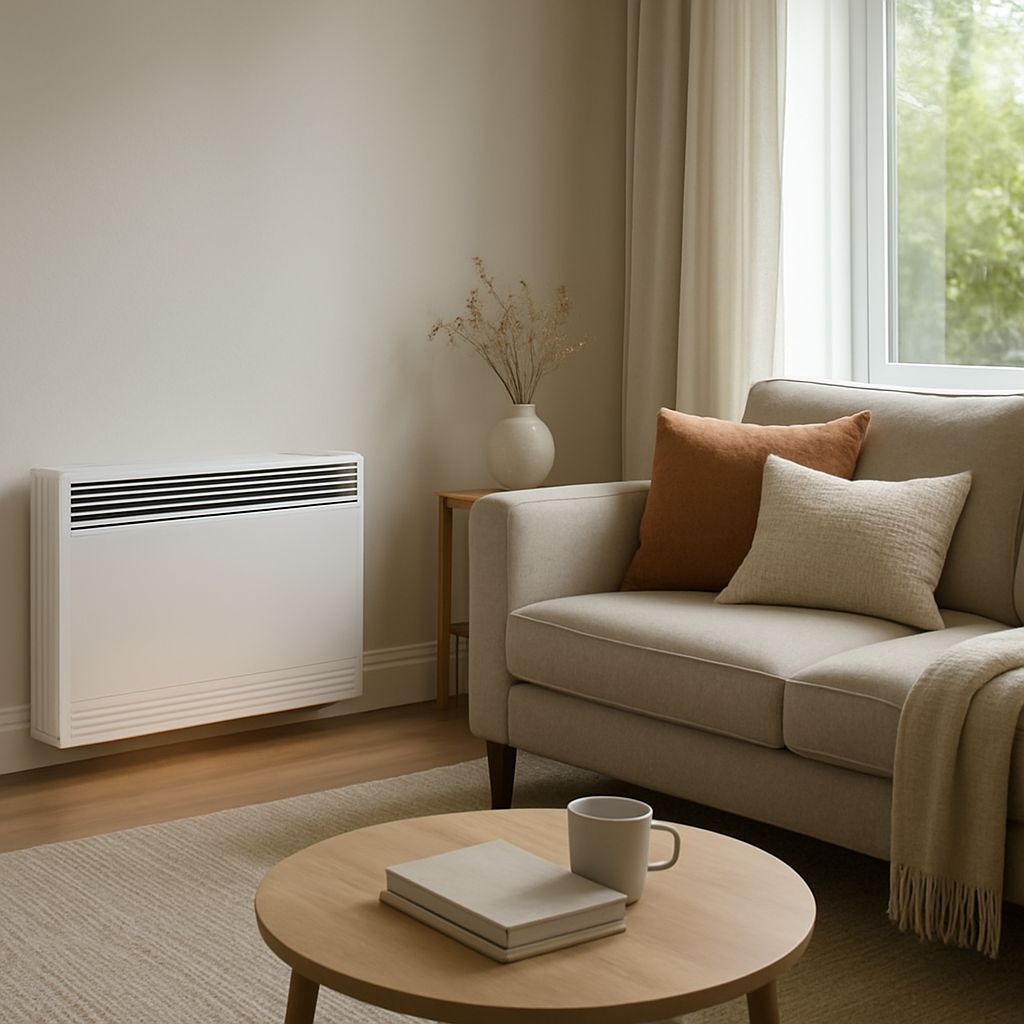
Learn how aging heater components reduce system efficiency, leading to weaker heat output and higher energy use, and discover steps to diagnose and restore performance.
Why Your Heater Feels Less Effective Over Time
Quick Answer
When a heater feels weaker year after year, the most common reason is gradual efficiency decline from aging components: less heat being transferred to the air and/or less air moving across the heat source. First check: compare airflow and supply-air temperature at the same vent now versus past seasons (or versus another vent). Weak airflow or cooler supply air points to an efficiency drop, not just weather.
Identify the Comfort Pattern First
Before assuming the heater is failing, pin down the pattern. The pattern tells you whether you are seeing normal cold-weather load changes or real performance decline from wear, restriction, or control drift.
When it happens: Only on the coldest mornings, during windy days, or whenever outdoor temperature drops below a certain point suggests the system is losing capacity as it ages and can no longer keep up with peak heat loss.
Where it happens: Whole-house underheating (every room feels slightly cooler) points toward reduced system output/airflow. One or two cold rooms points more toward duct leakage, damper issues, or room heat loss changes, not overall heater decline.
System running vs off: If you feel chilly while the system is running continuously, suspect reduced delivered heat (aging blower performance, heat transfer decline, combustion/ignition inefficiency). If you feel chilly mostly when it cycles off, suspect control issues, overshooting/short cycling, or thermostat placement/sensing drift.
Constant vs intermittent: A steady but lower comfort level is typical of gradual efficiency loss. Intermittent cold spells in the house often indicate intermittent ignition, flame dropout, or a blower/control problem that comes and goes.
Doors open vs closed: If comfort improves noticeably with interior doors open, distribution is borderline. Aging systems often lose airflow margin first; closed doors then reveal weak returns/imbalanced airflow.
Vertical differences: Warmer ceilings with cool floors (bigger than before) suggests reduced airflow mixing or lower supply temperature causing increased stratification. Aging blower motors and dirty indoor components commonly worsen this.
Humidity perception: Winter air is dry, but if the home feels drier than past years at the same thermostat setting, it can be a sign the heater is running longer while delivering less heat per minute (more runtime, more drying effect from air exchange/leakage).
Airflow strength at registers: “It’s blowing, but it doesn’t feel warm” points toward heat output/transfer decline. “It’s warm, but barely blowing” points toward airflow decline and heat not being delivered to rooms.
What This Usually Means Physically
As heating equipment ages, it often still runs, but it delivers fewer usable BTUs into the living space per minute. That makes the heater feel less effective even though it technically operates.
Heat loss stays real; capacity shrinks: Your house loses heat through walls, windows, attic leakage, and infiltration. If the heater’s delivered heat drops 10–20% over time, the balance point shifts. Mild days feel fine; colder days expose the shortfall.
Reduced heat transfer: Heat must move from the heat source into the airstream. Dirty burners, a compromised flame pattern, scaled heat exchanger surfaces, or restricted airflow across the heat exchanger reduce heat transfer. The supply air temperature drops, and the home warms more slowly.
Reduced airflow equals reduced delivered heat: Even if the furnace produces the same heat, less airflow across the heat exchanger means fewer BTUs are carried into rooms. Aging blowers, dirty indoor coils (if present), loaded filters, dirty blower wheels, and duct restrictions lower airflow and increase stratification.
Control and sensing drift: Thermostats and temperature sensors can drift or be influenced by drafts, sun, or new electronics. A small sensing error can create a persistent 1–3°F comfort gap that feels like a weakening heater.
Distribution losses grow over time: Duct leakage and disconnected insulation in attics/crawlspaces often get worse. Heat is produced, but the air reaching rooms is cooler or reduced in volume, especially at far registers.
Most Probable Causes (Ranked)
Airflow restriction from filter/return issues or dirty blower wheel: Clue: airflow at registers is weaker than last season, some rooms lag behind, and floor-to-ceiling temperature difference is increasing.
Heat transfer decline from dirty burners or aging combustion setup (gas/oil): Clue: supply air feels warm but not as hot as it used to, longer runtimes, and comfort drops most on colder days.
Duct leakage or duct insulation degradation in attic/crawlspace: Clue: rooms far from the furnace feel weaker, supply air at those vents is noticeably cooler, and comfort changes with wind or very cold attic conditions.
Indoor coil or secondary heat exchanger restriction (systems with AC coil above furnace or condensing furnaces): Clue: airflow reduction without obvious filter issues; system may run hotter at the furnace cabinet while rooms get less air.
Thermostat sensing error or placement changes: Clue: thermostat reads satisfied while occupants feel cool, or the problem is localized to certain times of day (sunlight, drafts, kitchen heat, nearby exterior door use).
Blower motor or capacitor weakening (PSC motors) / airflow control fault (ECM): Clue: airflow gradually reduced, sometimes worse after the system warms up, with no changes to filters or vents.
Building-side load increase that mimics heater decline: Clue: comfort worsened after new draft sources (dryer vent leak, bath fan left running, fireplace use), window seals failing, or attic hatch/gaps opened. This is less common than airflow/transfer decline when the symptom is gradual over years.
How to Confirm the Cause Yourself
These checks are observation-based and safe. Do them on a day when the system has been running normally and doors/windows are closed.
Check runtime behavior: Note whether the system runs much longer than it used to to maintain the same setpoint. If it runs near-continuously on days that previously cycled normally, delivered heat has likely declined or house heat loss increased. A gradual shift over seasons commonly tracks aging efficiency.
Compare airflow room-to-room: Walk the house and feel airflow at multiple supply registers. If most vents feel uniformly weaker than before, suspect blower/filter/coil restriction or blower performance decline. If only far rooms are weak, suspect duct leakage, crushed duct, or a damper issue.
Door position test: Close the door to a problem room for 20–30 minutes with the system running, then open it. If the room quickly feels less stuffy and warms faster with the door open, the room is return-air limited and aging airflow margin is exposing a distribution weakness.
Floor vs ceiling temperature check: In a frequently used room, compare how it feels at ankle height versus head height. If the ceiling area is noticeably warmer than before, airflow mixing is likely reduced (often from declining blower performance or system restriction), increasing stratification.
Supply air feel test at start vs later: Stand at a register when the heat first turns on and again after 10 minutes. If it starts warmer then becomes less warm, it can indicate protection controls responding to low airflow or overheating at the heat exchanger, commonly tied to restriction or blower weakness.
Time-of-day pattern: If the heater feels least effective early morning recovery or during windy periods, that is when the heat loss load is highest. Aging systems often fail at peak demand first, even though they appear fine mid-day.
Humidity feel trend: If the air feels noticeably drier and the heater runs longer, it can indicate more runtime to do the same work, or increased infiltration. Pair this observation with longer runtimes and cooler supply air for stronger confirmation of delivered-heat decline.
Normal Behavior vs Real Problem
Normal: Longer runtimes on colder, windier days; slightly cooler rooms farther from the furnace; floors cooler than ceilings in high-ceiling rooms; mild dryness in winter.
Likely problem from aging efficiency decline: The thermostat setpoint that used to be comfortable is no longer comfortable; recovery from nighttime setback takes much longer than it used to; registers feel weaker or less warm than past seasons; stratification is increasing; comfort drops house-wide rather than only in one room.
Not an aging symptom: A single room suddenly becomes cold (more consistent with a duct disconnect, damper change, or new draft); comfort changes only after a remodeling/door replacement (often building envelope changes); temperature swings large and fast (often control/short cycling rather than gradual decline).
When Professional Service Is Needed
Persistent comfort decline: If the home cannot maintain setpoint during typical winter weather that it handled in prior years, and the pattern is repeatable for more than a week.
System performance decline indicators: Near-continuous runtime, noticeably reduced airflow across many vents, or consistently cooler supply air feel compared with earlier years.
Safety indicators (act immediately): Unusual odors that persist, soot/dark staining around registers or near the furnace, frequent shutdowns and restarts, or occupants experiencing headaches/nausea. These are not comfort issues to troubleshoot by observation alone.
Equipment-protection behavior: Heat starts strong then fades, or cycles in a way that suggests overheating or limit trips. This commonly ties to airflow restriction and should be diagnosed with proper instruments.
How to Prevent This in the Future
Maintain airflow margin: Use the correct filter type and change it on a schedule that matches how quickly it loads in your home. A system that is already aging is less tolerant of extra restriction.
Keep supply and return paths open: Avoid closing many registers to force heat elsewhere; it often reduces total airflow and increases stratification, making an aging system feel weaker.
Watch for distribution losses: If ducts run through attic/crawlspace, periodically confirm that supply air volume feels consistent at far rooms. Gradual decline at the ends often signals duct leakage or insulation problems developing.
Use setbacks carefully: Large nighttime setbacks increase morning recovery demand. As delivered capacity declines with age, aggressive setbacks make the heater feel like it cannot catch up.
Schedule periodic performance checks: A proper service visit that verifies airflow, temperature rise, and combustion (where applicable) catches slow efficiency losses before they become comfort complaints.
Related Home Comfort Symptoms
Heater runs constantly but the house still feels cool
Some rooms warm up much slower than others
Warm upstairs, cold downstairs getting worse each year
Airflow from vents feels weaker than last winter
Heat feels hot near the furnace but weak in distant rooms
Conclusion
A heater that feels less effective over time most often is not a sudden failure but a gradual drop in delivered heat caused by aging components reducing airflow, heat transfer, or both. Confirm it by sorting the comfort pattern, comparing airflow room-to-room, noting longer runtimes, and watching for increased stratification. If the decline is house-wide, persistent, or paired with fading heat output during a call for heat, schedule professional diagnostics to verify airflow, temperature rise, and safe operation.
Frequently Asked Questions
Why does my heater still run normally but the house feels cooler?
That usually indicates reduced delivered heat rather than a total breakdown. Aging systems commonly lose airflow (restriction or blower decline) or heat transfer efficiency (burner/combustion or exchanger performance). The thermostat still calls and the equipment still runs, but fewer usable BTUs reach the rooms each minute.
Is it normal for the heater to feel weaker only on very cold days?
Some change is normal because heat loss increases as outdoor temperature and wind worsen. But if the system used to maintain setpoint on those same cold days and now cannot, that is a classic sign that the system’s effective capacity has declined with age or distribution losses have increased.
How can I tell if the problem is airflow or heat output?
If airflow at most registers feels weaker than before, think airflow or distribution first. If airflow feels similar but the air coming out feels less warm and the system runs longer, think reduced heat output/heat transfer. Many homes have a combination, but the dominant cue is what changed more: airflow strength or supply air warmth.
Why do closed bedroom doors make the problem worse over time?
Closed doors reduce return airflow paths. When a system is new, it may have enough airflow margin to tolerate smaller return pathways. As components age or the system gets slightly more restricted, that margin disappears, and rooms with poor return paths become noticeably cooler and slower to warm.
Can a thermostat cause the heater to feel less effective?
Yes. A thermostat that reads warmer than the occupied space, or one influenced by drafts or sun, will end the heat call early. The symptom is often consistent underheating with normal-looking cycles. If the house feels cool but the thermostat frequently shows satisfied, thermostat sensing/location becomes a high-probability contributor.
Need a complete overview? Visit the full troubleshooting guide here: Read the full guide for more causes and fixes.
There’s a strange comfort in realizing the change was never personal, just parts slowly doing what they do. The warmth still arrives—just with less enthusiasm, like an old song played a little quieter.
Accept that the system has its own timeline, and the rest of the house stops feeling like a battleground. When everything finally steadies, you notice the difference in the most ordinary way: the day feels easier, not hotter.