Diagnose why your air conditioner feels less effective in the evening, focusing on how rising humidity levels can impact cooling performance and comfort.
AC Feels Less Effective Late In The Evening? Load Or Humidity Shift
Quick Answer
If your AC feels weaker late evening while the thermostat reading barely changes, the most common reason is an indoor humidity rise after sunset that makes the same temperature feel warmer and stickier. First check: compare indoor relative humidity at 4–6 PM versus 9–11 PM using a simple hygrometer; a jump above about 55–60% usually explains the comfort drop.
Identify the Comfort Pattern First
Before assuming the AC is failing, sort the complaint by pattern. Evening humidity problems have a specific signature.
When it happens: Comfort drops after sunset (often 8 PM to midnight), especially on humid days, after rain, or when dew forms outside.
Where it happens: Usually whole-house clammy feeling, not just one room. If it is mainly bedrooms, check for closed doors and low return airflow in those rooms.
System running vs off: Many homes feel worse when the AC cycles off more often in the evening, even though the temperature is near setpoint.
Constant vs intermittent: Clamminess comes and goes with cycles. You may feel briefly better right after the AC has been running 10–20 minutes, then worse during off time.
Door position effect: Closing bedroom doors can make the room feel more humid and stagnant if the return path is restricted. Opening doors may improve comfort quickly without changing thermostat temperature.
Vertical differences: Humidity-heavy discomfort often feels similar at floor and ceiling, while pure stratification feels warmer upstairs and cooler downstairs.
Humidity perception: Skin feels tacky, sheets feel damp, or the air feels heavy even when the thermostat shows the normal temperature.
Airflow strength: Airflow at supply vents often feels normal. The complaint is frequently about comfort and dryness, not about weak air volume.
What This Usually Means Physically
In the evening, outdoor temperature drops but outdoor moisture often rises. As the sun goes down, the outside air approaches its dew point. That shifts heat removal inside the home from mostly sensible load (temperature) to higher latent load (moisture). Your AC must remove both, but comfort depends heavily on moisture.
Two real-house physics effects make this worse late in the day:
Less run time reduces dehumidification: As outdoor temperatures fall, the thermostat is satisfied sooner and the AC cycles off. Dehumidification happens mainly while the indoor coil is cold and air is flowing across it. Shorter cycles mean less moisture removal per hour, and indoor humidity drifts up.
Moisture sources continue after sunset: Cooking, showers, dishwasher use, and people at home add moisture in the evening. If ventilation brings in humid outdoor air (bath fan makeup air, leaky return ducts, or open windows), humidity can climb quickly.
When indoor relative humidity rises, the same dry-bulb temperature feels warmer because sweat evaporates more slowly. Many occupants describe this as the AC not keeping up, even though temperature is nearly normal.
Most Probable Causes (Ranked)
Evening humidity rise with shorter AC cycles: Diagnostic clue: thermostat holds set temperature but the house feels sticky; discomfort is strongest during off cycles.
Moisture added in evening activities (showers, cooking, laundry): Diagnostic clue: discomfort spikes after showers or heavy cooking, then slowly improves after longer AC run periods.
Outdoor humidity infiltration after sunset (open windows/doors, leaky envelope, or ventilation pulling humid air in): Diagnostic clue: indoor humidity climbs even when no one is showering/cooking; worse on nights with heavy dew or after rain.
Return-side duct leakage or negative pressure pulling humid air from attic/crawlspace/garage: Diagnostic clue: specific rooms near return grilles feel more muggy or musty; humidity may rise when interior doors are closed.
Low airflow across the indoor coil reducing latent capacity (dirty filter, restrictive registers, blower issue): Diagnostic clue: coil may run colder and cycle differently; some rooms feel stagnant, and comfort improves when filter is replaced or registers are opened.
Oversized AC (short cycling) that cools quickly but does not run long enough to dry the air: Diagnostic clue: fast temperature pull-down but persistent humidity; cycles are short even on warmer days.
How to Confirm the Cause Yourself
These checks use observation and simple measurements. You are looking for moisture behavior, not just temperature.
Measure humidity at two times: Use a basic hygrometer. Check indoor RH at 4–6 PM and again at 9–11 PM in the same location. If RH rises by 5–10% or exceeds about 55–60% while temperature stays close to setpoint, the issue is humidity shift, not cooling capacity.
Compare feel during AC run vs off: Note comfort 10 minutes after the AC starts versus 20–40 minutes after it shuts off. If you feel drier during active cooling and clammy during off time, you are losing dehumidification due to cycling.
Track evening moisture events: On a typical night, note showers, cooking, dishwasher/laundry, and the time discomfort begins. If symptoms follow these events, prioritize source control and exhaust performance.
Door test for return airflow: With the AC running, close a bedroom door until nearly latched. If you feel a strong pressure change, the door swings, or airflow at the supply noticeably changes, the room likely lacks a proper return path. That can increase humidity and make the room feel stuffy.
Window/door infiltration check: Confirm that windows are fully closed and that the fireplace damper is closed. If comfort improves noticeably within 30–60 minutes of sealing up and running the AC, infiltration of humid outdoor air is likely contributing.
Airflow sanity check: Compare airflow by feel at several supply vents. If airflow is generally strong and consistent, the symptom is less likely to be a blower or duct restriction problem and more likely to be moisture load and cycling.
Normal Behavior vs Real Problem
Usually normal: A slight increase in indoor RH in the evening (a few percent) and a mild change in comfort as the system cycles more. Many homes feel different when sensible load drops and the AC runs less.
Likely a real problem: Indoor RH regularly exceeds about 55–60% for hours, you feel clammy at the normal thermostat setting, or bedrooms become noticeably more uncomfortable than the rest of the house when doors are closed. Another red flag is a musty odor that appears in the evening, which often pairs with elevated humidity and low air movement.
When Professional Service Is Needed
Humidity stays high: Indoor RH is consistently above 60% in the evening despite normal AC operation and closed windows.
Comfort impact is significant: You must lower the thermostat several degrees at night to feel comfortable, or sleep quality is affected.
Run pattern suggests a system issue: Very short cycles (for example, frequent starts with only a few minutes of run time) or the system cannot maintain temperature on warmer days as well.
Building/duct indicators: Musty attic/crawlspace smell when the system runs, visible return duct issues, or persistent room-to-room pressure problems with doors.
How to Prevent This in the Future
Control evening moisture at the source: Use bath fans during and 20 minutes after showers. Run the kitchen exhaust during cooking. Avoid drying laundry indoors.
Keep infiltration low at night: Close windows and doors when outdoor dew point is high. Verify fireplace dampers and attic access hatches are sealed.
Improve return air pathways: If bedrooms are closed at night, ensure there is a functional return path (dedicated return, transfer grille, or adequate undercut) so air can circulate and humidity does not pool.
Maintain steady airflow: Replace filters on schedule and keep supply registers open. Unnecessary restrictions reduce consistent coil performance and can worsen humidity complaints.
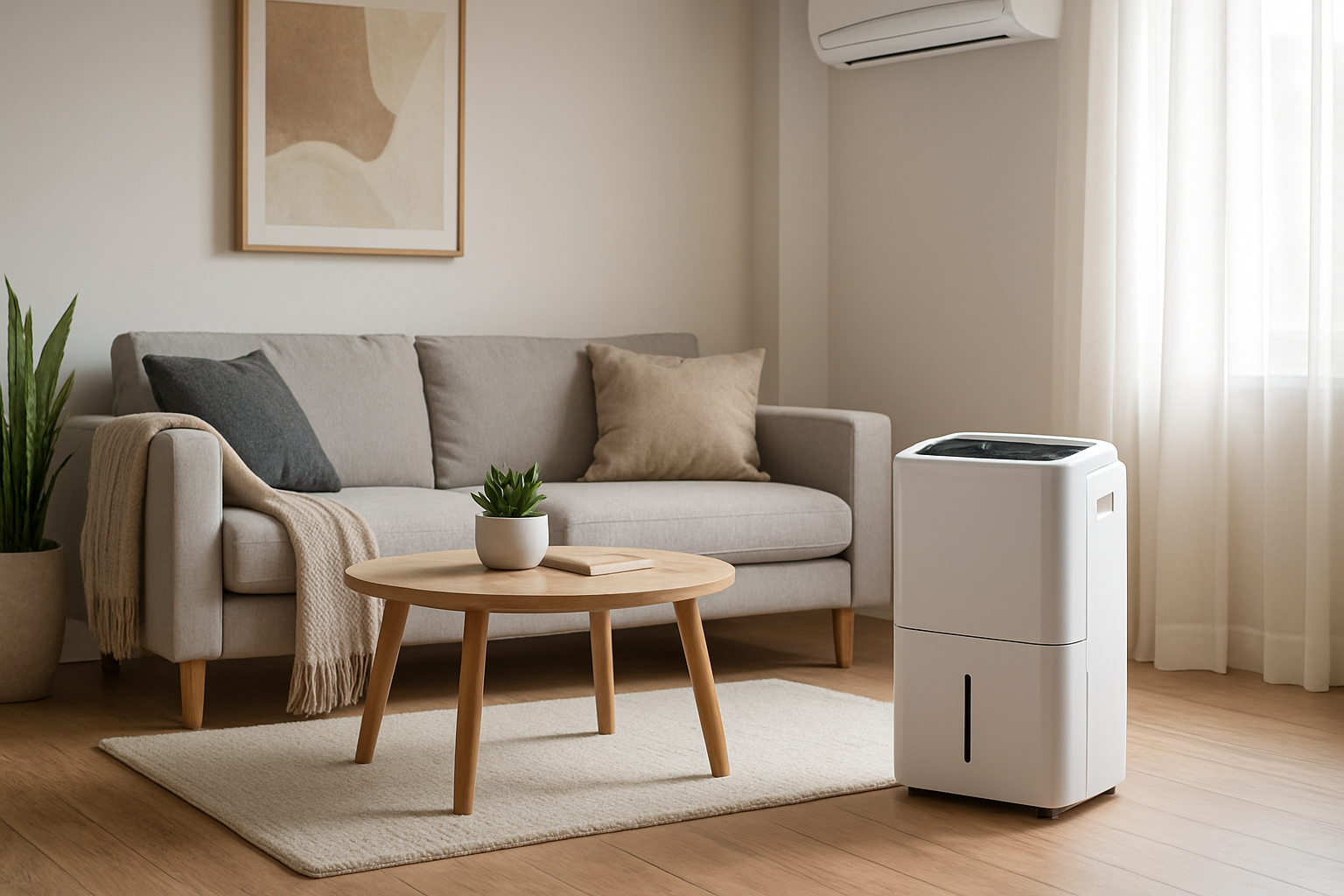
Consider dedicated dehumidification if needed: In persistently humid climates or tight homes, a whole-home dehumidifier or controls that extend low-stage runtime can stabilize evening comfort when sensible load drops.
Related Home Comfort Symptoms
House feels clammy at night but thermostat temperature is normal
Bedrooms feel stuffy when doors are closed
AC cycles frequently in the evening and comfort drops between cycles
Musty smell appears after sundown when the AC runs
Need to lower thermostat at night to feel the same comfort
Conclusion
When the AC feels less effective late in the evening, the most common real-world explanation is a humidity increase combined with shorter AC run time after sunset. Confirm by measuring indoor RH in late afternoon versus late evening and noting whether discomfort tracks with off-cycles or evening moisture activities. If RH is frequently above 60% or comfort depends on overcooling, prioritize moisture control, return airflow verification, and professional evaluation for cycling, duct leakage, or dehumidification needs.
Frequently Asked Questions
Why does my AC feel colder during the day but sticky at night at the same thermostat setting?
During the day, the system runs longer because outdoor heat load is higher, so it removes more moisture per hour. At night, the thermostat is satisfied sooner, run time drops, and indoor humidity can rise from showers, cooking, and humid outdoor infiltration. Higher humidity makes the same temperature feel warmer and less comfortable.
What indoor humidity level makes the AC feel ineffective?
Many people start noticing reduced comfort above about 55% RH. Sustained evening readings around 60% or higher commonly produce a clammy feeling even if the thermostat shows the correct temperature.
Could this be low refrigerant if it only happens late in the evening?
Low refrigerant typically shows up as poor cooling during the hottest part of the day first, longer runtimes, and inability to hold setpoint. If temperature control is fine but comfort falls mainly at night with higher RH, humidity shift and cycling are more likely than refrigerant.
Why are bedrooms worse at night when doors are closed?
Closing doors can block the return air path. Supply air enters the room but cannot easily leave, reducing circulation and pressure-balancing. That can reduce effective airflow, trap moisture and heat, and make the room feel stuffy and humid even while the rest of the home seems okay.
Should I lower the thermostat at night to fix it?
Lowering the thermostat can temporarily improve comfort by running the AC longer and reducing RH, but it is an inefficient workaround. If you must drop temperature several degrees to feel normal, treat it as a humidity control or airflow/return-path issue and confirm with RH measurements.
Need a complete overview? Visit the full troubleshooting guide here: Read the full guide for more causes and fixes.