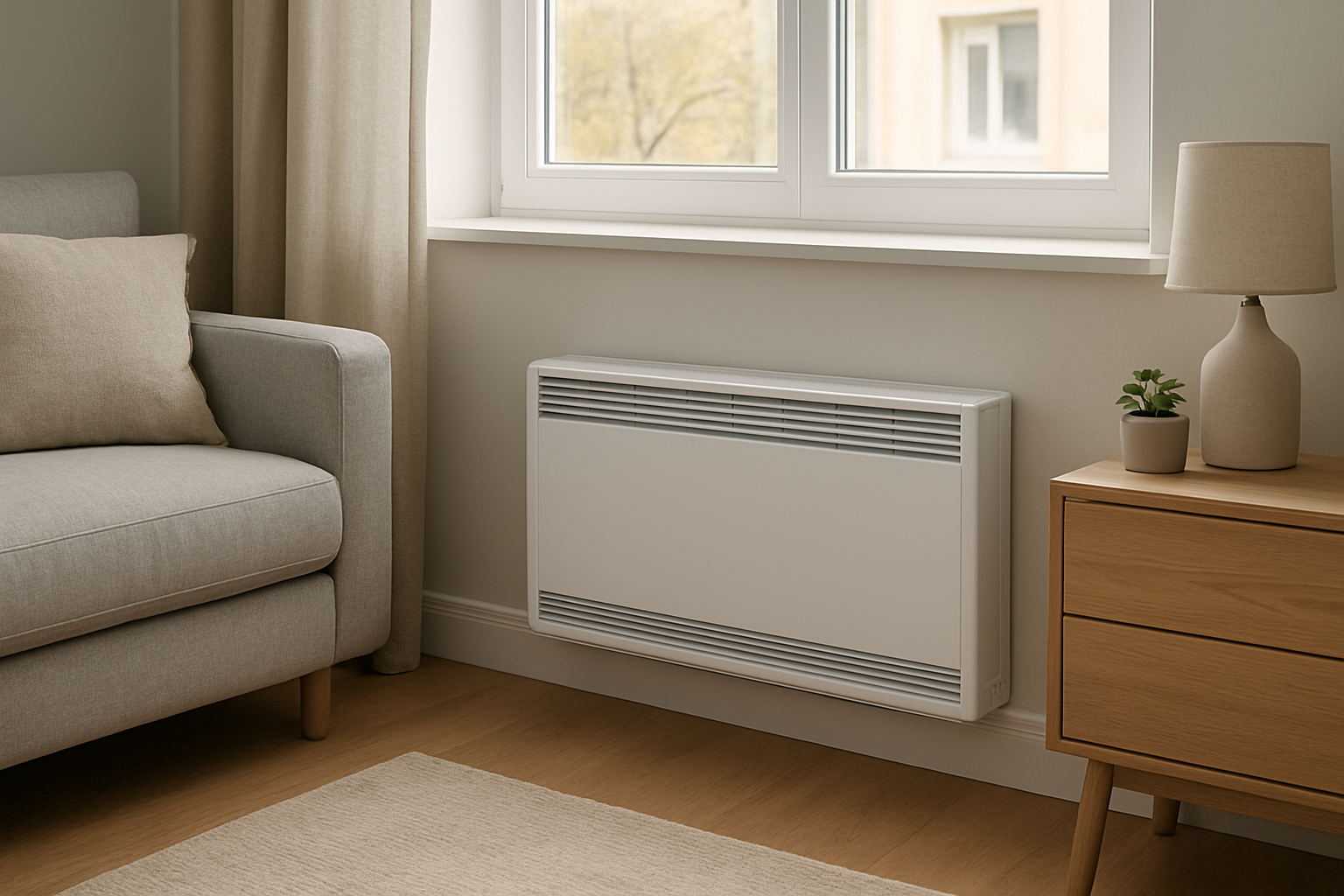
Diagnose why your heater loses warmth quickly after heating, including causes of rapid heat loss and solutions to improve comfort and energy efficiency.
Heater Produces Heat But Comfort Drops Quickly? Heat Escaping
Quick Answer
If the heater delivers warm air but the house cools fast afterward, the most likely issue is rapid heat loss through the building shell or air leakage. First check: on a cold or windy day, compare how quickly the temperature drops after the heat cycle ends with interior doors closed vs open, and feel for cold drafts at exterior doors, windows, outlets, and attic access.
Identify the Comfort Pattern First
Before blaming the heater, sort the pattern. Rapid heat loss has a consistent signature: the system can raise temperature, but the home cannot hold it.
When it happens: Worse on colder nights, windy days, or big temperature swings. Often feels fine while the heater runs, then comfort falls within 10–60 minutes after it shuts off.
Where it happens: Coldest near exterior walls, windows, over garages, bonus rooms, and rooms below attics. Interior rooms stay stable longer.
System running vs off: While running, supply air feels warm and rooms improve. After shutdown, a quick slide back to chilly is the key clue.
Constant vs intermittent: Intermittent discomfort aligned with wind gusts, exhaust fans running, or dryer use points to air leakage and pressure imbalance.
Doors open vs closed: If closing bedroom doors makes those rooms cool faster, suspect return-air limitations and pressure-driven leakage rather than lack of heat output.
Vertical differences: Warm upstairs and cool downstairs, or warm ceilings with cold floors, suggests stratification combined with leakage at high or low levels.
Humidity perception: Air that feels dry and chilly at the same temperature often indicates infiltration of cold outdoor air (it lowers indoor dew point), not just low thermostat setting.
Airflow strength: Strong airflow when running but rapid cooldown afterward points to envelope loss. Weak airflow plus cooldown points to distribution issues in addition to heat loss.
What This Usually Means Physically
Comfort drops quickly when the rate of heat leaving the house is high compared to the heat being stored in the building and furniture.
Air leakage is usually the biggest driver: Warm indoor air escapes (often high in the house) and cold outdoor air enters (often low). This exchange can remove heat faster than insulation alone would.
Insulation gaps create fast-cooling surfaces: Even if the air temperature rises, cold wall or ceiling surfaces pull heat from your body by radiation. That feels like the room cooled more than the thermostat shows.
Stratification hides the real comfort condition: Warm air collects near the ceiling. The thermostat may satisfy, then the occupied zone (sofa/bed height) cools quickly once airflow stops.
Pressure imbalances can accelerate loss: Closing doors, running bath fans, kitchen hoods, or dryers can depressurize the house and increase infiltration through leaks.
Capacity mismatch shows up as short recovery: If the furnace is capable of warming air but cannot keep up with losses in sustained cold, the home temp drifts down unless the system runs nearly nonstop.
Sensor placement can mislead: A thermostat on an interior wall may satisfy while perimeter rooms continue losing heat, making comfort drop quickly away from the sensor.
Most Probable Causes (Ranked)
1) Air leakage at the top and bottom of the house (stack effect) plus wind: Drafts near baseboards, rim joists, attic hatch, recessed lights, and around plumbing penetrations; worse when windy.
2) Missing or thin insulation above the living space (attic/roofline): Rooms under attic cool rapidly after a heat cycle; ceiling feels cold; bigger problem at night.
3) Leaky or uninsulated ductwork in attic/crawlspace: House warms while running but drops quickly; some rooms never quite catch up; supply air may start warm then weaken.
4) Return-air restriction or closed-room pressure problems: With bedroom doors closed, those rooms cool faster and feel draftier; you may hear whistling at door undercuts.
5) Thermostat location or scheduling causing premature shutoff: Thermostat area stays warm, but perimeter rooms lose heat quickly; comfort drop is worse in rooms far from the thermostat.
6) Undersized heating capacity for current load: During cold snaps, the system runs long or constantly and still can’t hold setpoint; comfort declines as outdoor temperature drops.
How to Confirm the Cause Yourself
These checks use observation only. Do them on a colder day for clearer results.
Cooldown timing test: Set the thermostat to a steady temperature. Note the time when the heater shuts off and measure comfort drop in the main living area after 15, 30, and 60 minutes. If you feel a major comfort decline within 30 minutes, suspect air leakage/insulation, not heat production.
Perimeter vs interior comparison: Sit for five minutes near an exterior wall/window, then five minutes near an interior hallway at the same thermostat setting. If the perimeter feels dramatically colder, think insulation gaps or infiltration creating cold surfaces and drafts.
Door position test for pressure issues: With the system running, close a bedroom door. Stand near that room’s supply vent and then open the door. If comfort and airflow feel better with the door open, return-air restriction or pressure-driven leakage is likely.
Draft mapping with your hand: Slowly move your hand around window trim, door thresholds, electrical outlets on exterior walls, baseboards, and attic access edges. Notice localized cold air movement. Concentrated drafts point to air leakage as the primary heat loss path.
Fan and dryer influence: Run a bath fan or kitchen hood for 10 minutes. If the house suddenly feels colder or draftier, the home is likely being depressurized and pulling in outside air through leaks.
Room ranking: Identify the two coldest rooms and where they sit (over garage, above crawlspace, under attic). If the same room types are always worst, insulation/duct exposure is more probable than heater malfunction.
Supply air reality check: When the system first starts, does air feel clearly warm at several vents? If yes, the heater is producing heat. The complaint becomes retention and distribution, not generation.
Normal Behavior vs Real Problem
Some temperature drift is normal. A real problem is about rate and location.
Normal: On cold days, the furnace cycles and the home may drift 1–2 degrees between cycles. Rooms near exterior walls feel slightly cooler, especially with large windows.
Normal: Upstairs may run warmer than downstairs due to buoyancy, especially in two-story homes.
Real problem: Comfort drops rapidly after each cycle, with noticeable chill returning within 10–30 minutes, especially near exterior walls or certain rooms.
Real problem: Drafts are easy to feel, or cold zones persist even while the thermostat area seems fine.
Real problem: Closing doors changes comfort dramatically, indicating the system is pushing and pulling air unevenly and the house is losing conditioned air through leakage paths.
When Professional Service Is Needed
Call for HVAC diagnostics if some rooms cool rapidly and also have weak airflow, or if comfort changes drastically with doors closed, suggesting return/duct design issues that need measurement and correction.
Call for building-envelope testing if drafts are obvious, multiple exterior rooms cool quickly, or wind strongly affects comfort. Ask for blower-door-guided air sealing or a home energy audit that includes infrared scanning.
Call immediately if you notice combustion odors, soot, frequent burner short-cycling with unusual noises, or any carbon monoxide alarm events.
Decision threshold: If the system can reach setpoint but the house loses more than about 2 degrees in under an hour during typical winter conditions, or if comfort is unacceptable in occupied rooms despite warm supply air, the issue is beyond normal behavior.
How to Prevent This in the Future
Air seal first, then insulate: Target attic penetrations, attic hatch, top plates, rim joists, and duct/pipe chases. Air sealing reduces rapid heat loss more reliably than adding insulation alone.
Improve attic insulation coverage: Ensure consistent depth and no wind-washing at eaves. Prioritize rooms that cool fastest and sit under attic.
Address duct losses: Seal duct joints and insulate ducts in unconditioned spaces. A small duct leak can become a large heat loss when the system runs frequently.
Reduce pressure imbalances: Provide adequate return paths for closed rooms (proper returns or transfer paths) so the system does not force air out through leaks.
Use stable thermostat control: Avoid aggressive nighttime setbacks in leaky homes; deep setbacks can make comfort feel unstable and increase recovery difficulty.
Related Home Comfort Symptoms
House warms up but feels cold near windows and exterior walls
Upstairs too hot, downstairs too cold in winter
Bedrooms get colder when doors are closed
Heat runs often but the home never feels stable
Drafts increase when bathroom fan, range hood, or dryer runs
Conclusion
When the heater produces warm air but comfort drops quickly, the primary problem is usually rapid heat loss from air leakage and weak insulation, sometimes made worse by duct leakage or pressure imbalances. Confirm it by observing fast post-cycle cooldown, perimeter-room discomfort, draft locations, and door-closed behavior. If the pattern is consistent, schedule blower-door/infrared envelope testing and an HVAC airflow/duct evaluation to stop the heat from escaping.
Frequently Asked Questions
Why does the house feel fine while the heat is running but cold right after it shuts off?
That pattern fits high heat loss. The heater temporarily overcomes drafts and cold surfaces, but once airflow stops, infiltration and cold exterior surfaces pull heat out of the occupied zone quickly.
Can low humidity be the reason comfort drops so fast?
Low humidity can make air feel cooler, but it usually does not cause rapid temperature loss. If comfort change is fast and drafty, infiltration is likely lowering humidity and temperature together.
If the thermostat shows the set temperature, why do rooms feel cold?
The thermostat measures temperature at one location. Perimeter rooms can have colder surfaces and more air leakage, making them feel colder even if the thermostat area is satisfied.
Does closing bedroom doors really make a difference?
Yes. Closed doors can restrict return airflow and pressurize the room when the supply runs. That can push warm air out through leaks and pull cold air in elsewhere, speeding heat loss and reducing comfort.
How do I tell insulation problems from a furnace problem?
If supply air is clearly warm and the home reaches setpoint but cools quickly afterward, suspect insulation/air leakage. If the home struggles to reach setpoint and supply air is only mildly warm, then furnace capacity, fuel delivery, or airflow issues become more likely.
Need a complete overview? Visit the full troubleshooting guide here: Read the full guide for more causes and fixes.
That first burst of warmth feels promising, then the room seems to politely change its mind. The comfort dips so fast it almost makes you doubt your senses—like the heat clocked out early.
But the situation is less mysterious than it feels in the moment. With everything settling back into place, it’s easier to live with the cold knowing why it shows up so quickly—and why the comfort can be steadier.