Diagnose why your thermostat displays heat mode but the heating system stays silent, focusing on control board issues and signal interruptions.
Thermostat Shows Heat But System Silent? Control Break
Quick Answer
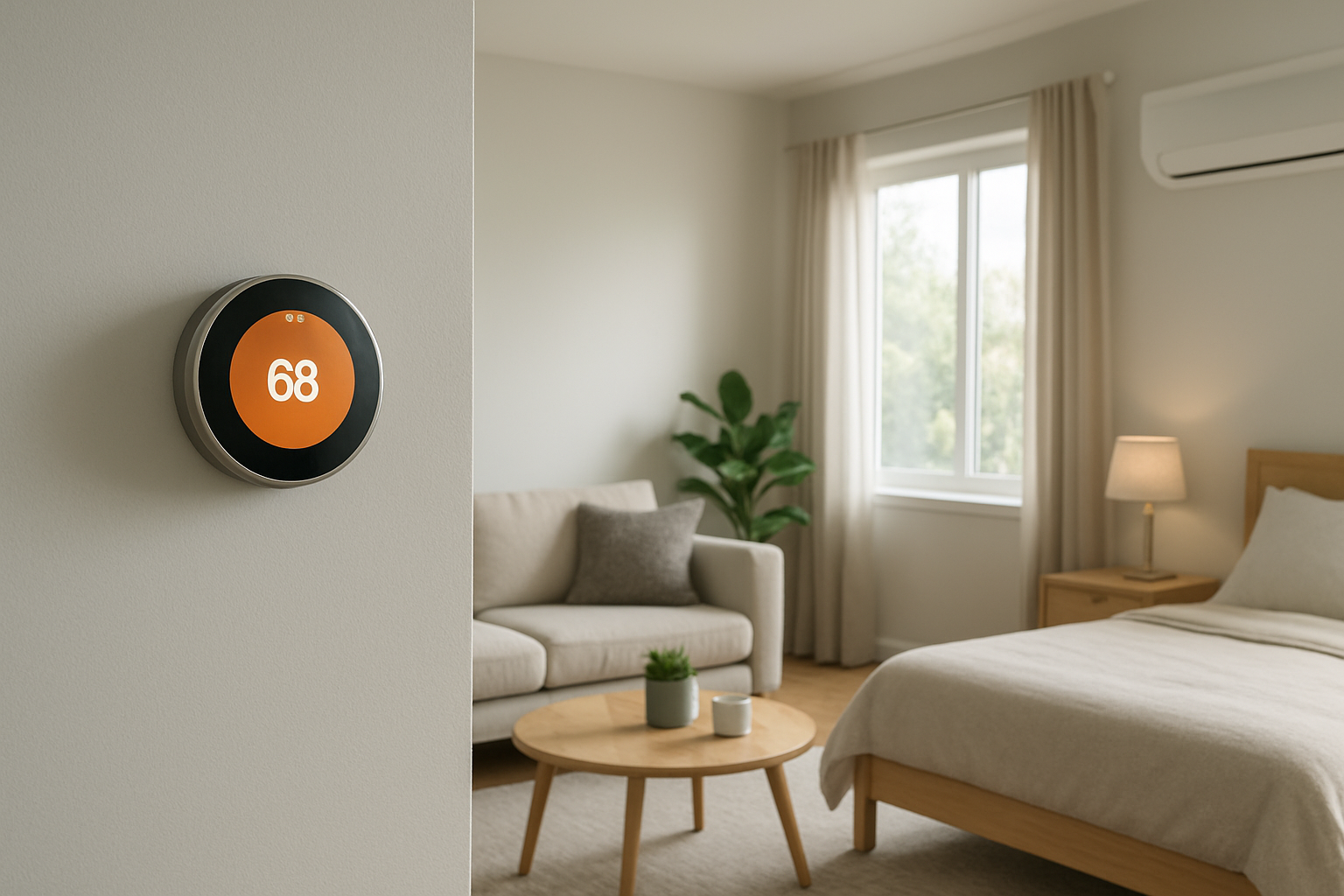
If the thermostat indicates heating but you hear no furnace/air handler activity, the most likely issue is a broken control path between thermostat and equipment: loss of 24V control power, an open safety switch, or a failed control board/relay. First check: does the thermostat display stay on and do you hear a faint click at the thermostat when raising the setpoint 3–5°F?
Identify the Comfort Pattern First
Before chasing parts, sort the complaint into the right bucket. A thermostat can be calling for heat while the equipment is intentionally locked out or unable to receive the signal.
When it happens
Only on cold mornings: common with condensate freezes, pressure switch issues, or marginal power/control connections.
After a power outage or breaker trip: points to control board protection, blown low-voltage fuse, or a tripped safety.
Entire home with no equipment sound: most consistent with a control/power interruption, not an airflow or duct problem.
Only one zone silent while others heat: suspect that zone’s thermostat, zone damper control, or zone panel.
System running vs off
Thermostat says Heat On but no fan, no burner, no outdoor unit, no relay click: direct control failure or lockout.
Fan runs but no heat: that is a different symptom (heat production problem). This article is for total silence.
Constant vs intermittent
Constant silence any time heat is called: likely loss of 24V control power or a hard-open safety switch.
Works sometimes, then silent until you cycle power at the furnace switch: points to a control board lockout or marginal ignition/safety proving.
Changes with doors open/closed
No change with doors: consistent with control failure (air distribution changes won’t make equipment silent).
Vertical differences
Upstairs warmer than downstairs despite no system operation: normal stratification is dominating because heat is not being added.
Humidity perception
Air feels cooler/drier while silent: typical of the home drifting toward outdoor conditions and losing heat without replacement.
Airflow strength
No airflow at any supply registers: supports that the blower never started (control/power path issue).
What This Usually Means Physically
When a thermostat calls for heat, it closes a low-voltage control circuit (typically 24V) that tells the furnace or air handler to start a heating sequence. If the thermostat display indicates a call but the equipment is silent, one of two physical realities is almost always true:
The equipment never receives the call because the 24V control circuit is open (broken wire, blown low-voltage fuse, failed transformer, failed thermostat output, tripped float switch in the condensate line, open door interlock switch). No call reaching the board means no inducer, no blower, no relays.
The equipment receives the call but refuses to start because an internal safety or lockout is preventing operation (limit switch open, rollout switch tripped, pressure switch not proving, control board in fault/lockout). Many systems will remain silent or only briefly attempt to start and then stop.
Indoor comfort follows building physics: the house is losing heat to outdoors through insulation weaknesses, air leakage, and window losses. With the heat source not responding, room temperatures fall unevenly (perimeter rooms and lower levels drop first), and stratification becomes more noticeable because natural convection is no longer being overridden by forced-air mixing.
Most Probable Causes (Ranked)
Loss of 24V control power (transformer off, blown low-voltage fuse, or power to furnace/air handler off)
Clue: thermostat shows a heat call, but you hear absolutely nothing at the furnace; sometimes the thermostat screen is dim/off if it depends on system power.
Open safety switch in series with the control circuit (condensate float switch, door interlock switch, or service switch)
Clue: problem may appear after heavy condensate production, after a filter change (blower door not seated), or after work near the furnace.
Thermostat not actually closing the heat call (miswiring, configuration error, dead batteries, failed internal relay)
Clue: thermostat says heating, but there is no click at the thermostat and no response regardless of how high you raise the setpoint.
Control board lockout or internal fault
Clue: system was trying to heat earlier; now it is silent until power is reset; many furnaces show a blinking diagnostic LED pattern.
High limit or rollout protection opened (overheat or flame safety condition)
Clue: heat may have run, then stopped; the blower may run after shutdown on some systems, but in certain failures the unit may stay off waiting for reset/service.
Pressure switch not proving on a gas furnace (venting/inducer/condensate issue)
Clue: you may hear a brief attempt (a short hum/click) and then silence; often worse in cold, windy weather.
How to Confirm the Cause Yourself
These checks rely on observation and simple operation only. Do not remove panels or work inside the cabinet.
Confirm it is truly a heat call
Raise the setpoint 3–5°F above room temperature.
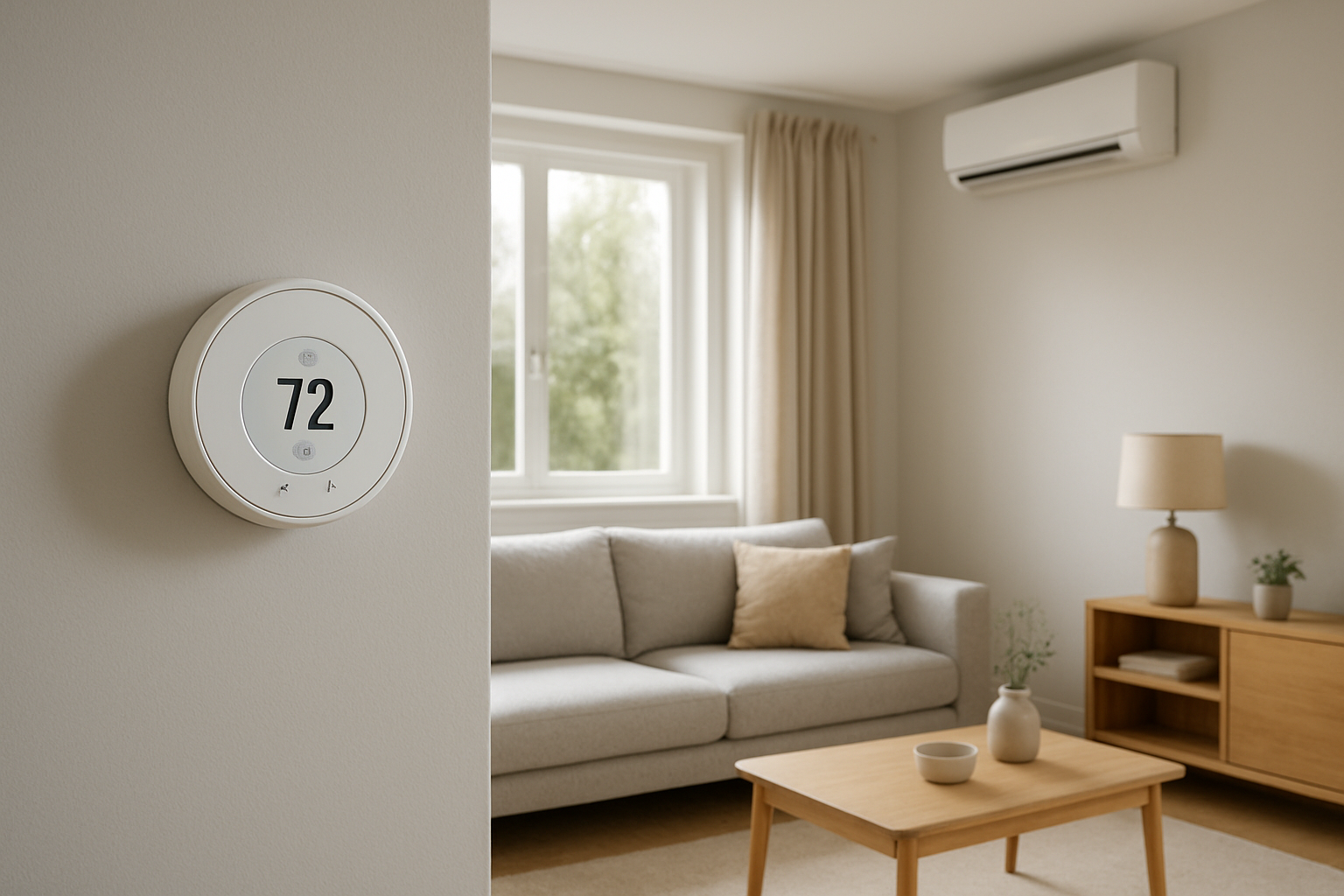
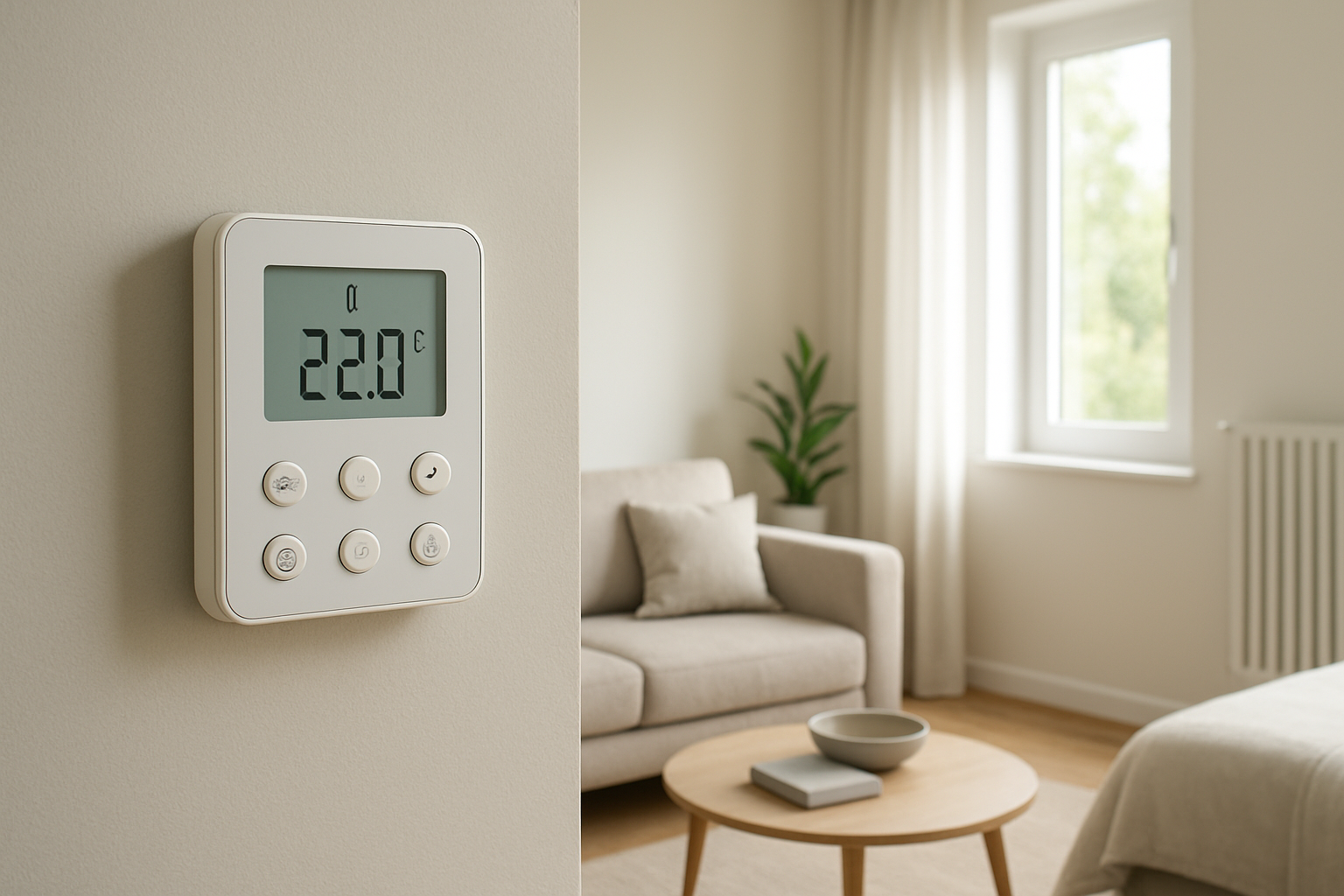
Listen at the thermostat: many make a faint click when the heat relay closes.
If the thermostat has a status screen, confirm it shows Heating or Heat On (not a schedule note or delayed start message).
Check for any equipment response at the furnace/air handler
Stand by the unit and listen for any of these within 60 seconds: relay click, inducer fan start (gas furnace), blower start (air handler), or control board LED activity visible through a sight window.
No sound at all strongly favors a power/control interruption versus a heating-component failure.
Differentiate thermostat power type
If the thermostat screen goes blank when you remove batteries (or it has no batteries), it likely depends on system 24V power. A blank or rebooting thermostat often correlates with a 24V issue at the equipment.
If the thermostat stays fully powered on batteries, it can still display Heat On even when the furnace has lost its 24V output.
Look for lockout behavior
If the system was attempting heat earlier and now does nothing, try waiting 30 minutes without changing settings. Some boards impose timed lockouts after repeated failed ignition/proving attempts.
If it suddenly works later without you doing anything, that pattern points to a control lockout or a marginal safety proving issue.
Use comfort drift as a clue
Track indoor temperature drop rate for 1–2 hours with the system silent. Fast drops in perimeter rooms indicate the home is losing heat normally but the heat source is not coming on at all (control path issue), not a duct balance issue.
Zone systems: isolate the scope
If you have multiple thermostats, compare them. If one zone calls for heat and nothing runs but another zone can start the furnace, the issue is likely in the silent zone’s thermostat/wiring/zone panel output, not the furnace itself.
Normal Behavior vs Real Problem
Normal
A short delay between a heat call and equipment start (typically 15–90 seconds) depending on controls and safety checks.
Thermostat may display Heat On during the delay even though you do not yet feel airflow.
Not normal
Thermostat shows heating for more than 2–3 minutes with the system completely silent at the furnace/air handler.
Repeated cycles of Heat On with no equipment start, especially as indoor temperature continues to fall.
Intermittent operation that temporarily returns only after toggling power to the equipment or cycling the thermostat.
When Professional Service Is Needed
Immediate service threshold
Heat call remains active and the equipment stays silent longer than 10 minutes, and indoor temperature is dropping.
Any burning odor, unusual noises, or history of rollout/overheat events.
Repeated lockouts (system works only after resets) because this indicates a safety-proving failure that needs measured diagnosis.
Same-day service threshold
Intermittent silence that is becoming more frequent.
One zone consistently fails to start equipment in a zoned system (likely control panel, damper, or thermostat circuit troubleshooting needed).
What a technician will verify
Presence of 120V/240V power where required and stable 24V control voltage under load, continuity through safeties, diagnostic fault codes, and whether the heat call is reaching the control board.
How to Prevent This in the Future
Keep the control circuit stable
Replace thermostat batteries annually if your model uses them.
Do not tug thermostat wires when changing thermostats or painting; intermittent opens are common after minor wall work.
Prevent nuisance safety trips
Keep filters on schedule to reduce limit trips from low airflow.
Keep supply registers open and return grilles unobstructed to maintain designed airflow and avoid overheating.
Manage condensate-related shutdowns
Keep condensate drains clear (especially on high-efficiency furnaces) to prevent float switch opens and pressure switch issues.
After any service
Ensure the blower door is fully latched; a slightly open door can hold the door switch open and make the system appear dead.
Related Home Comfort Symptoms
Thermostat calls for heat but only the fan runs
Heat starts then shuts off after a few minutes
Furnace works after reset then fails again later
One zone stays cold while other zones heat normally
Thermostat screen goes blank or keeps rebooting
Conclusion
A thermostat showing a heating call with a completely silent system most often indicates a broken control path: missing 24V control power, an open safety switch, or a control board/lockout condition preventing any start sequence. Confirm the pattern by listening for any response at the equipment within a few minutes of a heat call and noting whether the thermostat is truly closing the call. If silence persists beyond normal delay times, schedule service to trace the control circuit and safeties.
Frequently Asked Questions
Why does my thermostat say Heat On but I hear nothing at the furnace?
That combination usually means the furnace is not receiving a valid 24V heat call or it has control power but a safety/lockout is preventing any startup. If there is no inducer, no blower, and no relay click at the unit after a few minutes, focus on control power and safety switches rather than airflow or duct issues.
How long should I wait after turning the heat up?
Most systems respond within 15–90 seconds, occasionally up to a couple minutes depending on safeties and control logic. If the thermostat indicates heating for more than 2–3 minutes and there is still total silence at the equipment, treat it as a malfunction, not a normal delay.
Can low batteries cause the thermostat to call for heat but not start the furnace?
Yes. Some thermostats can display a call while their output relay fails to close reliably as batteries weaken, or they may reboot and drop the call. If your thermostat is battery-powered, replace batteries and re-test. If it depends on system power, a blank or rebooting display often points to a 24V problem at the furnace.
My heat works sometimes, but other times it is silent until I reset power. What does that mean?
That pattern fits a control board lockout after repeated failed ignition or safety proving. The system may stop responding to calls until a timed reset or power cycle occurs. This requires professional diagnosis because the underlying cause is often a safety-related proving failure, not just the thermostat.
Is this likely a duct or airflow problem?
Not when the system is completely silent. Duct and airflow problems typically show up as weak airflow, uneven room temperatures, or short cycling while the equipment still runs. Total silence during an active heat call points first to control power, safeties, or the control board.
Need a complete overview? Visit the full troubleshooting guide here: Read the full guide for more causes and fixes.
When the thermostat looks like it’s doing its job, but the house stays oddly chilled, it starts to feel personal—like the system is refusing to acknowledge the obvious. The real peace comes from knowing it isn’t you guessing or missing something obvious.
In the end, the silence isn’t mysterious, it’s just the kind of stubborn friction that shows up when signals don’t fully land. You’ll remember the moment things click into place, and suddenly the whole setup feels less like a guessing game and more like a routine again.