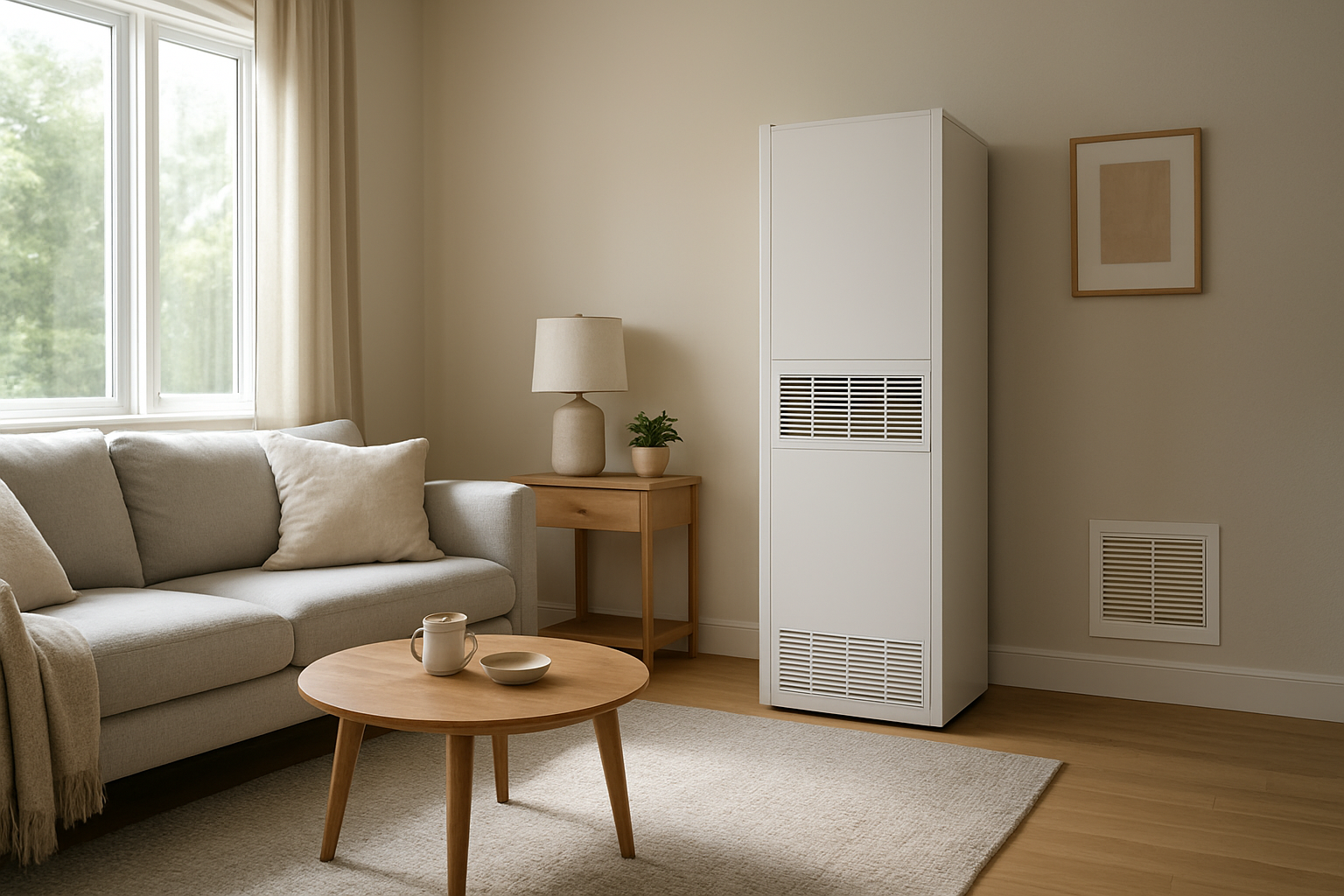
Diagnose and fix furnace vibration during startup by checking for loose mounting hardware and securing components to prevent mechanical noise and potential damage.
Furnace Vibrates When Starting? Mounting Loose
Quick Answer
The most likely reason a furnace vibrates right at startup is mechanical shake from a loose cabinet, loose mounting base, or a supply plenum/duct connection that shifts when the blower ramps up. First check: with the furnace off, lightly push on the furnace cabinet and nearby ductwork. Any rocking, tapping, or metal-on-metal contact points usually identifies the vibration path.
Identify the Comfort Pattern First
Startup vibration complaints are easiest to diagnose when you sort what you feel and where you feel it. Use these patterns to narrow the problem before you try to fix anything.
When it happens: Only during the first 1–10 seconds of a heat call points to blower start torque or duct pressurization. Vibration that begins later (after warm air starts) is more consistent with expanding metal or a loosening panel as the cabinet warms.
System running vs off: Vibration only when the blower starts is mechanical. Vibration even with the thermostat off can indicate another device (humidifier, condensate pump, or exhaust fan) transmitting vibration to the furnace platform.
Constant vs intermittent: Intermittent rattles that come and go by cycle are usually clearance-related: a panel or duct is barely touching and only contacts when pressure changes. A constant vibration that stays through the whole run more often indicates blower imbalance or a motor mounting issue.
Where you feel it: Vibration felt through the floor near the furnace suggests a loose base, hanging platform, or direct contact to framing. Vibration heard in a far room often means the ductwork is acting like a speaker, amplifying a small shake at the furnace.
Changes with doors open/closed: If the vibration is worse with interior doors closed, you may be changing pressure return paths, which changes blower loading and duct pressure at startup. That does not cause vibration by itself, but it can make a loose connection rattle harder.
Vertical differences: If upstairs registers whoosh hard at onset while downstairs feels weak, the initial pressurization may be higher in one trunk line, shaking a specific duct run. Track where the noise is loudest at startup.
Humidity perception: Startup vibration is not a humidity symptom, but very dry air can make sheet metal “oil-can” more sharply and seem louder. If the house feels unusually dry, the sound may be more noticeable even if the mechanical issue is the same.
Airflow strength: A strong surge of airflow at the exact moment of vibration points to duct movement under pressure rather than a burner or ignition event.
What This Usually Means Physically
At startup, two physical events occur quickly: the blower accelerates, and the duct system pressurizes. Both can create a brief mechanical impulse.
The blower motor produces startup torque. If the furnace cabinet is not rigidly anchored, that torque can make the whole unit twist slightly. Even a tiny cabinet movement becomes a rattle if a panel, filter door, gas line escutcheon, or plenum edge is touching something nearby.
At the same time, the supply plenum and ductwork see a rapid pressure rise. Sheet metal and some rigid duct board assemblies flex under pressure. If a duct joint is not supported, it can shift and tap framing, the furnace jacket, or another duct. This is why the symptom is often strongest right when airflow begins and then settles down once pressures stabilize.
The comfort connection is indirect but real: when ducts are moving, they are also leaking or mis-supported more often than not. That can reduce delivered airflow to rooms, increase noise, and create temperature imbalance. It can also affect perceived comfort by increasing drafts in one area and starving another.
Most Probable Causes (Ranked)
Loose furnace panels or blower door not fully latched: Diagnostic clue: the vibration sounds like a thin metal buzz and stops if you press firmly on the door or a corner of the cabinet during the event.
Furnace not firmly set on a level base (rocking on pads, uneven slab, loose platform screws): Diagnostic clue: you can slightly rock the cabinet by hand when the system is off, or you feel vibration strongly through the floor directly under/adjacent to the unit.
Loose supply plenum/transition or duct connection at the furnace outlet: Diagnostic clue: the noise is louder at the first duct section above/next to the furnace, and you can feel the duct “jump” when airflow starts.
Ductwork contacting framing or another duct run: Diagnostic clue: tapping or rattling occurs in a wall/ceiling chase or near a joist bay and is worse on high airflow settings.
Blower wheel imbalance or dirty blower: Diagnostic clue: vibration continues beyond startup and may be accompanied by a steady hum or rumble throughout the run.
Motor mounting issue or failing blower motor bearings: Diagnostic clue: vibration grows over time, may be paired with squeal/grind, and is not limited to the first few seconds.
Combustion inducer vibration (on units where you hear it before the blower): Diagnostic clue: vibration starts before air comes from registers and is localized near the inducer housing/vent pipe area.
How to Confirm the Cause Yourself
These checks rely on observation and light touch only. Do not remove panels, bypass door switches, or place hands near moving parts.
Pinpoint the timing: Stand near the furnace. Note if the vibration begins when you first hear airflow at registers (blower-related) or earlier (inducer/ignition sequence).
Cabinet press test: During the brief vibration, press a flat palm gently on the blower door, then on the top front edge, then on a side panel. If the vibration noticeably quiets when you press a specific panel, that panel or latch is the primary rattle point.
Rock test with power off: With the furnace not running, place a hand on the cabinet and apply light side-to-side pressure. Any movement indicates the base is uneven, fasteners are loose, or the platform is flexing.
Duct contact scan: Follow the first 6–10 feet of supply duct from the furnace. Look for shiny rub marks, flattened insulation, or metal edges touching wood, drywall, or another duct. Those contact points are common amplifiers.
Floor and wall vibration mapping: While it starts, place your hand on the nearby wall, then on the floor, then on the supply plenum. The surface with the strongest vibration is usually the vibration path, not necessarily the source.
Airflow setting comparison: If your thermostat has fan speed options or the system has multiple stages, note whether vibration is worse at higher airflow. Duct flex/contact problems usually scale with airflow; loose panels can rattle at specific resonant speeds.
Door position test: If the furnace is in a closet with a louvered door, listen with the door open vs closed. If closing the door makes the vibration dramatically worse, the return air path may be restricted, increasing pressure and changing blower load, which can make an existing loose mount or duct contact more obvious.
Normal Behavior vs Real Problem
Normal: A single, soft thunk when the blower starts, minor brief duct “settling” noise, or a short whoosh of air is common. Many systems produce a momentary change in sound as airflow establishes and the duct pressure stabilizes.
More likely a problem: A strong shake you feel through the floor, a metallic rattle/buzz that is clearly louder than the normal running sound, vibration that causes doors or vent covers to buzz, or noise that has been getting worse cycle-to-cycle. If the vibration is accompanied by reduced airflow, new hot/cold room imbalance, or a vibrating return grille, treat it as a mechanical issue affecting performance, not just sound.
When Professional Service Is Needed
Persistence: Vibration occurs on most startups for more than a week, or it is noticeably worsening.
Comfort impact: You also have weaker airflow, new drafts, rooms not heating evenly, or the furnace seems to run longer than normal to reach setpoint.
Mechanical escalation: The vibration continues throughout the call for heat (not only at startup), or you hear scraping, grinding, or a repeated knocking pattern.
Safety indicators: Any smell of burning, visible soot, a new vent/flue rattling that appears loose, or a furnace that short-cycles should be checked promptly. Do not attempt to stabilize gas piping, venting, or internal components yourself.
How to Prevent This in the Future
Keep the cabinet rigid: Make sure access doors are fully seated after filter changes. A slightly misaligned blower door is a common cause of new vibration after routine maintenance.
Support the first duct section: The supply plenum and first trunk should be properly supported so startup pressurization does not shift the connection. Movement at this joint is a frequent vibration amplifier.
Maintain return airflow paths: Avoid blocking return grilles and keep closet doors (if used as return pathways) configured to allow adequate airflow. Excess restriction increases pressure changes that can trigger rattles.
Address small contacts early: If you find a duct touching framing, correcting the support or clearance early prevents wear-through, air leakage, and louder vibration later.
Regular blower maintenance: A clean, balanced blower reduces startup shake and prolonged vibration, especially on older PSC motors or systems with dust buildup.
Related Home Comfort Symptoms
Rattling supply vents when the heat turns on
Banging or popping ductwork during heating cycles
Uneven heating after a filter change
Whistling return grille and increased startup noise
Whole-house vibration or humming when the blower runs
Conclusion
A furnace that vibrates at startup is most often responding to blower start torque and rapid duct pressurization, with the noise coming from a loose cabinet panel, an unstable base, or a shifting duct connection near the furnace. Identify whether it is a brief startup event or a continuous run vibration, then use touch and location mapping to find the vibration path. If it is strong, worsening, or tied to airflow/comfort changes, schedule service to secure mounting and inspect blower and duct supports.
Frequently Asked Questions
Why did my furnace start vibrating after I changed the filter?
The blower door often gets slightly mis-seated during a filter change, or the filter slot cover doesn’t fully latch. That creates a loose panel that buzzes right as the blower starts. Re-check that the door is fully aligned and tightly closed and that the filter is correctly sized and seated.
Is a vibration only at startup usually the blower motor going bad?
Usually no. A motor or bearing problem more often produces vibration that continues while running and tends to worsen as the system operates. Startup-only vibration is more commonly a loose panel, cabinet rocking, or duct movement at the plenum connection.
Can loose ductwork cause comfort problems, not just noise?
Yes. Duct movement often accompanies poor support, gaps, or leaks at joints. That can lower delivered airflow to certain rooms, increase drafts near leaks, and create temperature imbalance even if the furnace is producing adequate heat.
Why is it worse when doors are closed in the house?
Closing doors can reduce return air pathways, which changes system pressure and blower loading. The furnace is not supposed to vibrate because of doors, but the pressure change can make an existing loose mount or duct contact rattle much more noticeably at startup.
Should I try to tighten screws on the furnace cabinet myself?
If it is strictly an exterior cabinet screw and easily accessible, gentle tightening can help, but avoid removing panels or working near wiring, gas piping, or venting. If the cabinet is rocking, the plenum is moving, or vibration persists, professional evaluation is safer and more effective because the root issue is often support, alignment, or blower assembly condition.
Need a complete overview? Visit the full troubleshooting guide here: Read the full guide for more causes and fixes.
When that first rumble finally settles, it feels less like a mystery and more like a simple truth you should’ve handled sooner. The unit starts, the house stays calm, and that tiny moment of worry doesn’t get to linger.
There’s a quiet satisfaction in hearing everything move the way it’s supposed to, without the added soundtrack. Small fixes like this don’t make the news, but they do make the evenings a lot more peaceful.