Learn how to diagnose and fix air conditioners that keep turning off automatically due to control logic issues or built-in protection cycling.
AC Keeps Turning Off By Itself? Control Cycling
Quick Answer
Most cases are the AC being shut off by automatic protection or thermostat control logic, not a random failure. The first check is timing: note how many minutes it runs before it clicks off and whether the indoor fan keeps running. A repeatable off-cycle every few minutes points to a safety limit, sensor issue, or short-cycling control behavior.
Identify the Comfort Pattern First
Before assuming a major equipment problem, sort what kind of shutoff you have. The pattern tells you which protective control is likely doing it.
How long does it run before it turns off? Under 3–5 minutes is classic short cycling (often control or protection). 10–20 minutes then off can be normal thermostat cycling, or a limit being reached after load builds.
Does it happen more in the hottest part of the day? If it behaves worst mid-afternoon, think high heat load plus airflow restriction causing protective trips (coil freeze or high-pressure shutdown) or the outdoor unit overheating.
Does it happen on mild days or at night? Short bursts on mild days often track to thermostat overshoot, oversized capacity, or sensor placement issues more than a mechanical failure.
What exactly turns off: Outdoor unit only, or everything? If the outdoor unit stops but the indoor fan keeps blowing, the call for cooling may still be present but a protection device is opening the condenser circuit. If both stop together, it is more likely thermostat logic, timer logic, or a power/control interruption.
Is the shutoff consistent or random? A very consistent run time suggests a threshold is being reached (temperature, pressure, drain safety). Truly random behavior suggests electrical intermittents or unstable power.
Do certain rooms feel worse right before it shuts off? Bedrooms with doors closed that get clammy and stale often indicate low return-air pathways leading to low airflow and coil-temperature problems that trigger protection.
Any vertical differences? If upstairs stays warm while downstairs feels cold and the system still cycles off early, the thermostat location and stratification may be causing control cycling that doesn’t match living areas.
Humidity perception: If the house feels damp even when the thermostat reaches setpoint, frequent shutoffs are preventing long enough run time to remove moisture, common with control short cycling or oversized equipment.
Airflow strength changes: If airflow weakens over the run and then it shuts off, suspect the evaporator coil is getting too cold or freezing due to restricted airflow or low refrigerant, tripping a protection sequence.
What This Usually Means Physically
An air conditioner turns itself off when either the thermostat decides the target is reached or a safety/protection circuit detects conditions that could damage the system or cause water problems. Most comfort complaints that sound like random shutdowns are actually threshold-based control events.
Here is the physical chain that commonly leads to cycling off:
Airflow restriction changes coil temperature. Lower airflow reduces heat pickup at the evaporator coil. The coil temperature drops, humidity condenses more aggressively, then can freeze. Many systems respond by cutting the compressor (outdoor unit) to prevent icing or by letting a coil sensor or pressure switch shut it down.
High outdoor load can push head pressure up. Dirty condenser coil, blocked outdoor airflow, or extreme heat increases refrigerant pressure and temperature. A high-pressure switch or control logic shuts the compressor off to avoid damage. Once pressure falls, it restarts, creating repeating on/off cycles.
Control logic prevents rapid restart. Many thermostats and control boards include anti-short-cycle timers or compressor protection delays. A brief power dip, thermostat glitch, or limit trip can look like the AC decided to shut off, followed by a delayed restart.
Sensor placement and stratification can fake the thermostat out. If the thermostat is hit by supply air, sunlight, or sits in a hallway with different airflow than living spaces, it can reach setpoint quickly while actual rooms remain uncomfortable. The system cycles off because the sensor says it is done.
Humidity load reveals short cycling. Moisture removal needs runtime. When the compressor shuts off frequently, the coil warms, some moisture re-evaporates, and the home feels clammy even if temperature seems close.
Most Probable Causes (Ranked)
1) Thermostat control logic cycling (including compressor delay/anti-short-cycle)
Clue: The shutoff is clean and consistent; the thermostat may still show cooling but the outdoor unit waits several minutes before restarting, or cycles frequently on mild days.
2) Airflow restriction causing coil temperature protection or freeze behavior
Clue: Airflow out of vents is weak or gets weaker during the run; the system runs longer then shuts off and later resumes; rooms with closed doors feel worse; filter is loaded or supply/return grilles are blocked.
3) Outdoor unit high-pressure or thermal protection cycling
Clue: Happens most on hot afternoons; outdoor fan may sound strained or stop; outdoor unit is in full sun with poor clearance; you feel very hot air blasting off the top before shutdown.
4) Float switch or condensate safety shutting cooling off
Clue: Indoor fan may continue but compressor stops; cycling correlates with high humidity days; you notice water near the indoor unit or a full drain pan; shutoffs happen after longer runs.
5) Power or control interruption (loose connection, failing contactor, unstable voltage)
Clue: Truly random; lights may flicker; you hear repeated clicking at the thermostat or at the outdoor unit; the system may shut off and come back quickly or require time before restarting.
6) Capacity mismatch or oversized AC causing very short runtimes
Clue: Temperature drops fast near the thermostat but humidity stays high; frequent short cycles even with a clean filter and strong airflow; comfort varies room-to-room, especially with stratification.
How to Confirm the Cause Yourself
These checks rely on observation and simple comparisons, not tools or opening electrical panels.
Track three cycles. Use a phone timer. Record run time (compressor on) and off time. If run time is under 5 minutes repeatedly, treat it as short cycling that needs a control/protection explanation, not just normal cycling.
Identify what stops. When it turns off, listen for the outdoor unit. If the outdoor unit stops but indoor air still blows, a safety or protection is commonly interrupting cooling while the thermostat may still be calling.
Check airflow at multiple registers. Compare a near register vs a far register. If all are weak, suspect filter/return restriction or blower issues. If only certain rooms are weak, suspect closed dampers, crushed ducts, or closed doors limiting return airflow and creating pressure imbalance.
Door position test for bedrooms. Run the AC with bedroom doors closed for 20 minutes, then repeat with doors open. If cycling improves with doors open and rooms feel less stuffy, you likely have return-air path restriction contributing to protective cycling or uneven thermostat sensing.
Time-of-day pattern. If shutdowns cluster between 2–7 PM, inspect outdoor clearance (no furniture, tall weeds, or screens tight to coil) and note whether the outdoor unit is in direct sun. Heat-related protective cycling is far more likely in that window.
Humidity feel test. If the house feels clammy and the AC is frequently shutting off, that supports short cycling rather than a simple setpoint reach. Comfort typically worsens even when temperature looks acceptable.
Condensate clue without disassembly. Look for water staining around the indoor unit area, dampness near the drain line exit, or a musty burst when the cooling stops. These are consistent with condensate safety interruptions or poor drainage leading to protective shutdown.
Thermostat influence check. If the thermostat is on an exterior wall, in a hallway with no return, near a supply vent, or in sun, note whether the system shuts off while main living areas are still warm. That points to control cycling driven by sensor environment rather than true whole-home conditions.
Normal Behavior vs Real Problem
Some cycling is expected. The key is whether the cycling matches the home’s heat and humidity load.
Normal: On a moderate day, the AC may run 10–20 minutes and shut off for a similar period, maintaining stable temperature with no major room-to-room complaints and no humidity increase.
Normal: A brief pause after a power flicker or thermostat change, followed by a 3–5 minute compressor delay. That is protective logic working as designed.
Problem: Repeating run times under 5 minutes, especially when the home is not reaching setpoint or feels sticky.
Problem: Cooling stops while the thermostat still indicates cooling and the indoor fan continues, repeatedly. That is consistent with a safety device opening (pressure, freeze protection behavior, float switch) rather than normal setpoint cycling.
Problem: Comfort swings: rooms alternately feel too cold then too warm, with increasing humidity. That indicates stop-start behavior that prevents stable heat and moisture removal.
When Professional Service Is Needed
Call for service if short cycling persists: repeated compressor run times under 5 minutes for more than a few hours of operation, especially if the home cannot maintain setpoint.
Call promptly if comfort and humidity are degrading: clammy indoor air, worsening upstairs temperatures, or large room-to-room swings paired with frequent shutoffs.
Call immediately if you suspect a safety trip you cannot correct: recurring shutdowns that correlate with water near the indoor unit, ice or frost indicators (airflow dropping after running), or outdoor unit stopping on hot afternoons despite clear airflow around it.
Electrical indicators: buzzing, rapid repeated clicking, burning odor, or the system cutting out with other power instability in the home.
How to Prevent This in the Future
Keep airflow stable. Replace filters on schedule based on dust load, not the calendar alone. Avoid closing too many supply registers; it can raise system static pressure and contribute to protective behavior.
Maintain return-air pathways. If closing bedroom doors changes cycling behavior, add transfer grilles, jump ducts, or door undercuts (done properly) so the system can move air without pressure imbalance.
Keep the outdoor unit breathing. Maintain clearance on all sides and above. Trim vegetation and remove objects that recirculate hot discharge air back into the coil area.
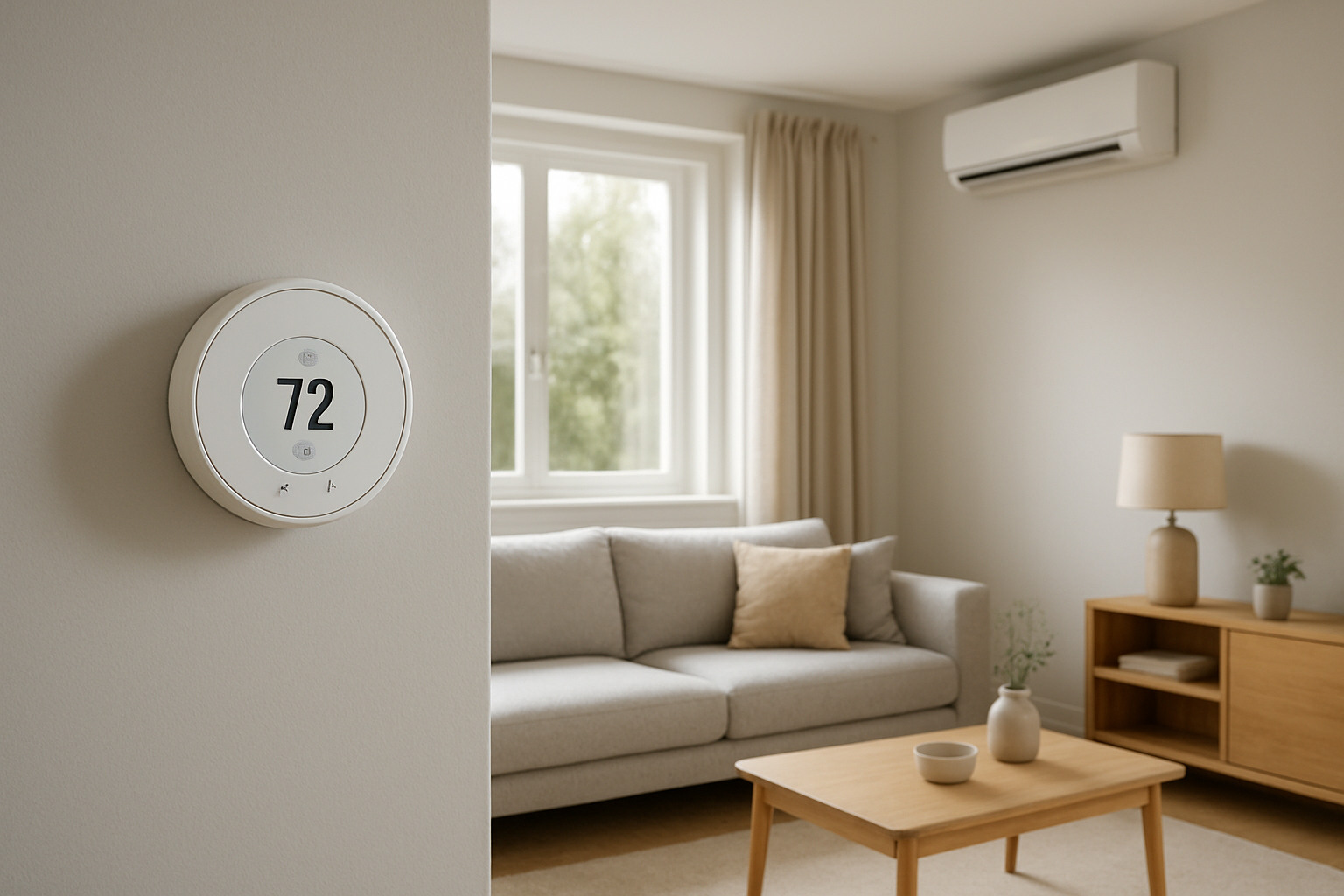
Protect thermostat sensing. Ensure the thermostat is not influenced by supply air blasts, sunlight, or exterior wall heat. Better sensing produces more stable cycling and better humidity control.
Watch condensate performance during humid weather. If you’ve had drain issues before, a periodic drain inspection and cleaning reduces nuisance float-switch shutdowns that mimic random cycling.
Related Home Comfort Symptoms
AC runs for 2 minutes then shuts off
Indoor fan runs but outdoor unit keeps stopping
House feels clammy even when temperature reaches setpoint
Upstairs won’t cool but downstairs gets cold
Airflow gets weaker the longer the AC runs
AC stops on hot afternoons and restarts later
Conclusion
When an AC keeps turning off by itself, the most probable explanation is automatic protection or control logic cycling the compressor off because a threshold is being reached or the thermostat is being satisfied prematurely. Start by timing the cycles and noting whether the outdoor unit or the entire system stops. If run times are consistently under 5 minutes, humidity increases, or cooling performance declines, move from observation to professional diagnosis of airflow, condenser heat rejection, condensate safety, and control logic.
Frequently Asked Questions
Why does my AC shut off but the thermostat still says cooling?
If the thermostat still indicates cooling, but the outdoor unit stops while the indoor fan keeps running, a protection device or control board logic is likely interrupting the compressor circuit. Common triggers are airflow-related coil temperature problems, high-pressure events at the outdoor unit, or a condensate float switch opening.
How short is too short for an AC cycle?
Repeated compressor run times under about 5 minutes are a red flag, especially if they happen cycle after cycle. Very short cycles reduce dehumidification and can indicate a protection event, control problem, or capacity mismatch rather than normal thermostat cycling.
Can a dirty air filter make the AC turn off by itself?
Yes. A restrictive filter reduces airflow, dropping evaporator coil temperature. That can lead to icing behavior or a control response that shuts the compressor off to prevent damage. A key clue is airflow that is weak from the start or gets weaker as the system runs.
Why does it happen mostly in the afternoon?
Afternoon shutdowns align with peak outdoor temperature and solar gain. Outdoor units can hit higher refrigerant pressures if the condenser coil is dirty, airflow is blocked, or the unit is recirculating hot discharge air. A high-pressure switch or thermal protection can cycle the compressor off until conditions normalize.
Is it normal for the AC to pause for a few minutes before restarting?
A 3–5 minute restart delay can be normal. Many thermostats and control boards include anti-short-cycle protection to prevent rapid compressor restarts. It becomes a problem when the system repeatedly stops in very short cycles and comfort or humidity noticeably worsens.
Need a complete overview? Visit the full troubleshooting guide here: Read the full guide for more causes and fixes.
It’s one of those small daily annoyances that somehow steals the peace of the whole house, even when nothing else is wrong. The moment it starts behaving again, you almost forget how loud the silence felt before.
There’s a weird comfort in knowing the behavior has a pattern, even if it wasn’t obvious at first. After the back-and-forth settles, the comfort feels earned—like the system remembered what it was meant to do.