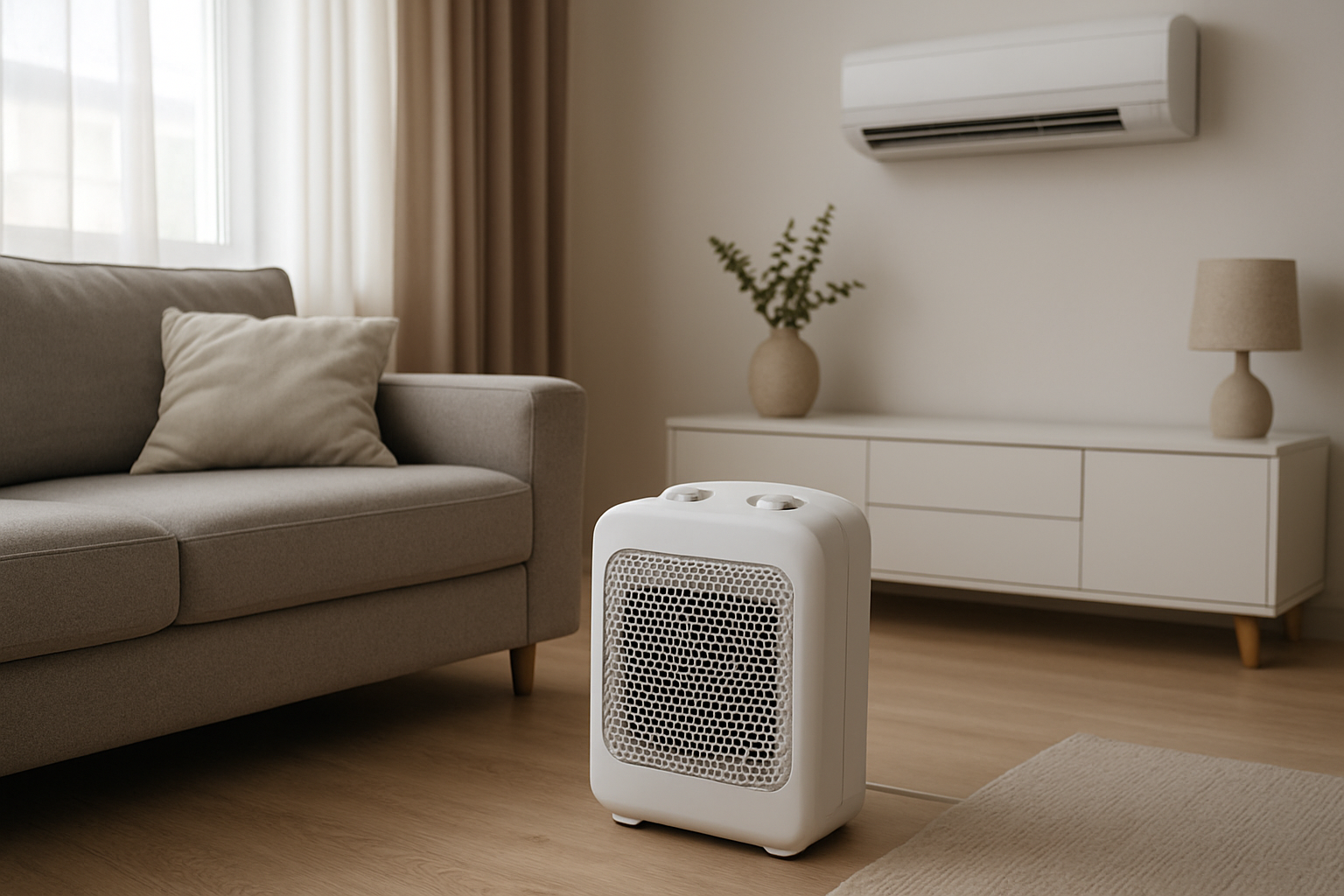
Diagnose why bedrooms feel cold in the morning despite heating, focusing on nighttime heat loss, insulation issues, and heating system limitations.
Bedroom Feels Cold In The Morning Even With Heating? Why
Quick Answer
The most common reason a bedroom feels cold in the morning is nighttime heat loss that exceeds how fast the heating system can recover that room by dawn. The first check: compare bedroom temperature to the hallway at wake-up time with the bedroom door in its usual position. If the bedroom is 2–4°F colder than adjacent areas, you’re dealing with room-specific overnight heat loss and/or weak heat delivery.
Identify the Comfort Pattern First
Before assuming the heater is failing, sort the symptom into a specific pattern. The pattern tells you whether the problem is heat loss, heat delivery, or control.
Time-of-day: Worst right at wake-up, improves by late morning, and is most noticeable after the coldest outdoor hours (typically 3–7 AM).
Weather dependence: Gets worse on windy nights, very cold nights, or clear nights (higher radiant heat loss to cold window surfaces).
Where it happens: Mainly one bedroom (often a corner room, over a garage, with more exterior walls, or large windows). Other rooms feel acceptable.
System running vs off: The system may be running, but the bedroom still lags. Or the system cycles off because the thermostat area is satisfied while the bedroom continues losing heat.
Door position: Worse with the bedroom door closed; noticeably better within 20–60 minutes if the door is left open (points to weak supply/return pathway or pressure balance issues).
Floor vs ceiling: Feet are cold while upper air feels less cold (stratification and cold surface radiation near windows/exterior walls).
Humidity perception: Air feels drier in the morning and the “cold” feels sharper (dry air doesn’t hold heat; low humidity increases comfort complaints even at normal temperatures).
Airflow strength: Supply air feels weak at the bedroom register in the morning compared to other rooms, or airflow varies when the door is opened/closed.
What This Usually Means Physically
A bedroom feeling cold in the morning with heat “on” is usually a mismatch between how fast the room is losing heat overnight and how much heat can be delivered to that room during recovery.
Nighttime heat loss increases: Outdoor temperature bottoms out pre-dawn. Wind drives infiltration through cracks and attic bypasses. Cold window glass and exterior walls pull heat from your body by radiation, so you feel colder even at the same thermostat setting.
Recovery is limited by air delivery: Even if the furnace or heat pump can heat the house, the bedroom may not be getting enough warm air volume (CFM) or runtime to catch up. If the thermostat is in a warmer interior area, the system may shut off before that bedroom is satisfied.
Pressure and return path matters at night: With the bedroom door closed, the supply air can pressurize the room, reducing the amount of air actually delivered and starving the return path. That lowers effective heating in that room even while the system runs.
Stratification and cold surfaces: Warm air rides high. If the room has significant cold surfaces (windows, outside corners, floors over unconditioned spaces), the occupied zone near the bed can be colder than what a thermostat elsewhere “sees.”
The key is this: the heater can be operating normally, but the bedroom’s overnight heat loss plus weak delivery creates a morning temperature deficit that takes time to erase.
Most Probable Causes (Ranked)
1) Bedroom is losing more heat than the rest of the house overnight
Diagnostic clue: Bedroom is consistently colder than adjacent hallway at the same time each morning, especially on windy or very cold nights. Coldest near windows/exterior walls.
Diagnostic clue: Noticeable improvement when the bedroom door is left open at night, or the room feels stuffier and airflow noise changes when the door is shut.
3) Weak supply airflow to the bedroom (duct imbalance, long run, damper issue)
Diagnostic clue: Bedroom register airflow feels weaker than other rooms; airflow changes significantly with filter condition or with other doors opening/closing.
4) Thermostat location and control behavior ends the heating cycle too early for the bedroom
Diagnostic clue: Hallway/living area is comfortable while bedroom is cold; furnace/heat pump cycles normally and does not run long enough pre-dawn to raise bedroom temperature.
5) Setback recovery timing or capacity limitation during the coldest hours
Diagnostic clue: Problem started or worsened after changing nighttime setback schedules; the system runs a long time in the morning but the bedroom still lags.
How to Confirm the Cause Yourself
These checks use observation only. Do them for two mornings to separate heat loss from heat delivery.
Bedroom vs hallway temperature split at wake-up: Use any basic thermometer. Measure bedroom air temperature at bed height and hallway temperature just outside the door. A consistent difference of 2–4°F suggests a real room imbalance; 5°F+ is significant and usually points to high heat loss and/or airflow problems.
Door position test: One night sleep with the door as usual. The next night leave it open 3–6 inches. If the bedroom is noticeably warmer in the morning with the door cracked, the return path/pressure balance is a primary contributor.
Register airflow comparison: In the morning while the heat is actively running, compare airflow at the bedroom register to a nearby room. You’re looking for a clear difference, not a subtle one. If the bedroom feels obviously weaker, suspect duct restriction, damper position, crushed flex duct, or poor balancing.
Cold surface check: Stand near the window/exterior wall and then move to the interior side of the room. If you feel an immediate chill near glass or outside corners, radiant loss and surface temperature are driving the discomfort even if the air temperature is close.
Recovery behavior after sunrise: Note how long it takes to feel normal. If it improves mainly after outdoor temps rise or sun hits the room, nighttime heat loss is dominating. If it only improves after long HVAC runtime and stronger airflow, delivery is dominating.
Normal Behavior vs Real Problem
Some morning coolness is normal because the house experiences its highest heat loss just before dawn, and bedrooms often have more exterior exposure.
Typically normal: Bedroom feels slightly cool at wake-up but is within 1–2°F of the hallway and improves quickly once the system runs or the sun comes up.
Usually a real problem: Bedroom is 3–5°F colder than adjacent spaces most mornings, you need extra blankets despite the thermostat being set normally, or comfort depends heavily on keeping the door open.
Strong indicator of imbalance: The rest of the house is comfortable while that bedroom stays cold for hours, or only the area near the bed/window feels cold even with warm air coming from the register.
When Professional Service Is Needed
Call for service when the pattern indicates a persistent heat loss/delivery mismatch that you can’t correct with simple operating changes.
Temperature split threshold: Bedroom is consistently 5°F+ colder than the hallway at wake-up, despite normal thermostat settings.
Runtime/comfort threshold: The system runs for long stretches in the morning but the bedroom still does not recover, or the airflow at that room is clearly weak compared to others.
Building/duct suspicion: The bedroom is over a garage, has known attic access issues, or you suspect duct damage/crushed runs.
Safety and performance indicators: Unusual odors, soot, repeated shutdowns, or unusual noise should be evaluated immediately. For heat pumps, persistent lukewarm supply with poor recovery may indicate capacity or defrost issues that need proper testing.
How to Prevent This in the Future
Reduce the overnight loss where it happens: Tighten window/door air leaks, improve window coverings at night, and address attic bypasses above the bedroom so the room does not “bleed” heat during the coldest hours.
Maintain a return path with the door closed: Ensure there is an effective path back to the return (adequate undercut, transfer grille, or jumper duct as appropriate). This stabilizes airflow and prevents pressurization.
Correct room airflow balance: Verify bedroom supply register is open and unobstructed (furniture, rugs, drapes). If other rooms are over-supplied, balancing can shift more heat to the bedroom without increasing total runtime.
Adjust setback strategy: If you use nighttime setbacks, reduce the setback amount or start recovery earlier so the coldest pre-dawn period doesn’t coincide with the lowest indoor temperature.
Keep the system breathing: Replace filters on schedule. A loaded filter reduces total airflow and often shows up first in distant rooms like bedrooms.
Related Home Comfort Symptoms
One bedroom always colder than the rest of the house
Cold floors in an upstairs bedroom on winter mornings
Bedroom is stuffy with the door closed and heat running
Heat runs, but far rooms never seem to catch up
Cold drafts near windows at night
Conclusion
A bedroom that feels cold in the morning even with heating is most often a nighttime heat loss problem that the room cannot recover from quickly, made worse by limited airflow or a poor return path when the door is closed. Confirm it by measuring the bedroom-to-hallway temperature difference at wake-up and doing a door position test for two nights. If the bedroom stays 5°F+ colder or airflow is clearly weak, it’s time for duct, return-path, and envelope diagnostics.
Frequently Asked Questions
Why is my bedroom cold but the thermostat says the house is warm?
The thermostat reports conditions where it is located, not what your bedroom experiences. If the thermostat is in a warmer interior area, the heating cycle can end while a bedroom with higher exterior exposure continues losing heat and never fully catches up by morning.
Is it normal for the bedroom to be colder around 5 AM?
Yes, a small drop is normal because outdoor temperature is usually lowest just before sunrise and the house is losing heat fastest. It stops being normal when the bedroom is consistently 3–5°F colder than nearby areas or takes hours to recover.
Why does leaving the bedroom door open make it warmer?
An open door provides an easier return-air pathway and reduces room pressurization. That typically increases effective airflow through the bedroom supply, so more heated air actually moves through the room instead of stalling at the register.
Could low humidity be making the room feel colder in the morning?
Low humidity can intensify the sensation of cool air and increase discomfort, but it usually does not create a large room-to-room temperature gap by itself. If the bedroom is measurably colder than the hallway, focus first on overnight heat loss and airflow/return path.
Does weak airflow in the bedroom always mean a furnace problem?
No. Weak airflow in one room is more commonly a duct design/balancing issue, a closed or obstructed register, a damaged/crushed duct run, or a return-path issue with the door closed. A whole-house airflow problem would typically affect multiple rooms.
Need a complete overview? Visit the full troubleshooting guide here: Read the full guide for more causes and fixes.
Morning chills have a way of turning every alarm into a tiny negotiation. Even when the room’s been promised warmth, it often feels like the night has taken the receipt and kept the change.
The frustrating part is how ordinary it all seems—like the house is just shrugging. But in that shrug there’s a kind of relief: the problem isn’t your effort, it’s the mismatch between what you expect and what the room can comfortably hold.