Diagnose and fix repeated clicking noises in heaters caused by ignition or control relay cycling, including steps to identify faulty components and restore proper heating system operation.
Heater Makes Repeated Clicking Sounds? That’s Not Random
Quick Answer
Repeated clicking during a heat call is most often ignition or a control relay cycling because the furnace is failing to complete or maintain its heating sequence. The first check: when the clicking happens, watch the thermostat and listen at the furnace door. If the clicks come in short bursts while the thermostat still calls for heat and the house is not warming normally, the ignition/control circuit is repeatedly attempting to start or re-energize.
Identify the Comfort Pattern First
Before guessing parts, sort the symptom by what you can observe. Clicking means a component is being energized and dropping out. Your goal is to tie the sound to comfort effects and timing.
When it happens: Only on cold mornings or windy nights usually points to longer heat calls where a weak ignition or relay shows up. Clicking every time heat starts, even in mild weather, points to a consistent control/ignition fault.
Where you hear it: Clicking at the furnace cabinet or at a wall thermostat suggests relays/contactors. Clicking at registers/ductwork is more often metal expansion, not relay cycling.
System running vs off: Clicking while the blower is off and the thermostat is calling for heat indicates pre-ignition or ignition retries. Clicking after the blower starts often indicates the burner is dropping out and trying again.
Constant vs intermittent: A steady click-click-click rhythm for 10–60 seconds, then a pause, then repeats is classic ignition trial and retry behavior. Random single clicks minutes apart can be a relay chattering or a loose electrical connection.
Changes with doors open/closed: If clicking and comfort problems worsen when interior doors are closed, return-air restriction and pressure imbalance are likely contributing to overheating and safety shutdowns that force re-tries.
Vertical temperature differences: Large differences between floor and ceiling during the clicking episodes suggests the system is not delivering steady heat, causing stratification and short heating pulses.
Humidity perception: Air feeling cooler and drier than normal during clicking cycles often correlates with the blower running without consistent burner operation, increasing perceived dryness and drafts.
Airflow strength: Strong airflow with lukewarm air during the clicking episodes suggests burners are not staying on. Weak airflow suggests a separate airflow restriction that can trigger limit switches and cause cycling.
What This Usually Means Physically
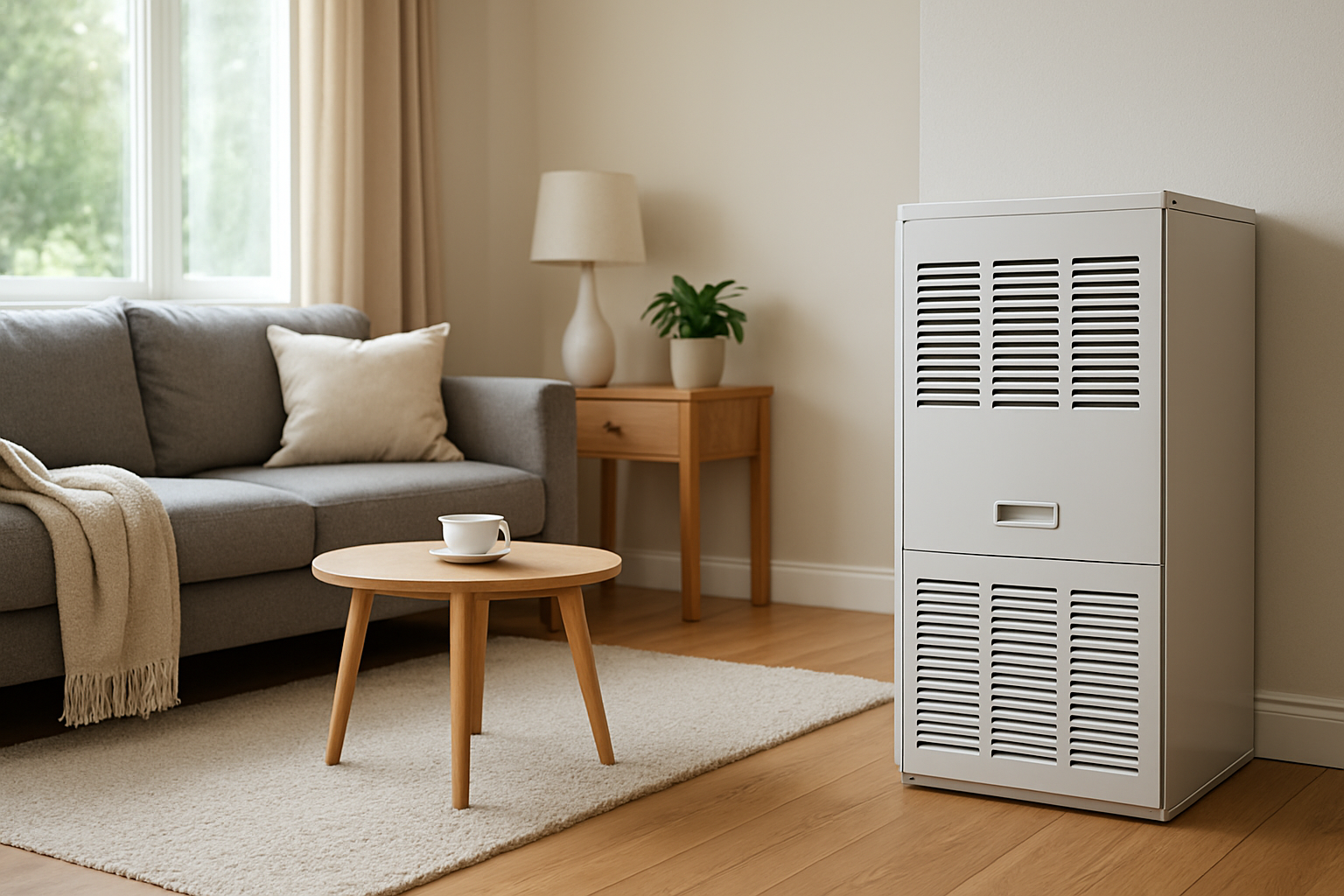
A forced-air heater is supposed to complete a stable sequence: thermostat calls, inducer starts (on many furnaces), ignition starts, flame establishes, then the blower delivers steady warm air. Repeated clicking typically means the control system keeps energizing an ignition device or relay, then immediately dropping it out because a required condition is not staying satisfied. That interruption can come from failure to prove flame, a safety switch opening, or low voltage that can’t hold a relay closed.
When the burner does not stay lit, the home experiences short, uneven heat delivery. Rooms with higher heat loss (exterior rooms, over garages, drafty windows) cool faster between these partial cycles. The result is noticeable temperature drift, more stratification, and a thermostat that remains calling longer, increasing the number of ignition attempts. If the blower runs while heat is absent, the moving air increases convective heat loss from your skin, making the home feel cooler even at the same measured temperature.
Most Probable Causes (Ranked)
Failed or marginal flame proving (flame sensor issue): Clicking occurs in distinct start attempts; burners may light briefly then shut off. The thermostat continues calling, but heat output is inconsistent.
Ignition system struggling (hot surface igniter or spark ignition wear, poor grounding): Clicking clusters right before any warmth arrives; you may get delayed ignition, brief ignition, or no ignition followed by retries.
Control relay or board cycling due to low voltage (weak transformer, loose connection, shorted control wiring): Clicking can be rapid or “chattery,” sometimes even when the furnace hasn’t gotten to a steady burn. Comfort symptom is heat that starts and stops unpredictably.
Safety limit or rollout opening temporarily (often driven by airflow restriction): Furnace runs, then clicks and resets. Home may get warm air for a short time, then blower may continue with cooler air. Often worse with closed doors, dirty filter, blocked return, or closed supply vents.
Pressure switch opening (venting/condensate issues on high-efficiency units): Repeated attempt pattern; may be worse in wind, very cold weather, or after snow/ice events. Heat delivery is inconsistent.
How to Confirm the Cause Yourself
These checks rely on observation only. Do not remove sealed burner covers or touch wiring.
Match the clicking to thermostat status: Set the thermostat 3–5 degrees above room temperature. If the thermostat still indicates heating while the system clicks repeatedly without steady warm air, you are seeing ignition/control cycling, not normal duct expansion.
Listen for a repeating sequence: Stand near the furnace. Note if the clicking happens in a repeated pattern: clicking burst, brief operation, shutdown, pause, then repeat. That pattern is consistent with ignition trials and safety resets.
Check supply air feel at one register: During a clicking episode, place your hand near (not on) a supply register. If airflow is strong but air temperature repeatedly swings from warm to cool, burners are dropping out while the blower continues.
Compare room impact: During the clicking problem, check the coldest room and the thermostat room. If the thermostat room warms slowly while the coldest room falls further behind, the system is not sustaining output long enough to overcome envelope heat loss, confirming a cycling heat source rather than a minor noise.
Door test for pressure/airflow contribution: If the return grille is in a hallway, close bedroom doors and run heat for 10 minutes, then open the doors. If the clicking and comfort instability are worse with doors closed, the system may be hitting a limit or pressure-related shutdown that triggers relay cycling.
Time-of-day and weather correlation: If clicking becomes frequent only during the longest heat calls (early morning, colder/windier conditions), marginal ignition proving or pressure switch/venting issues rise in likelihood.
Differentiate furnace clicking from duct ticking: Duct expansion ticks usually happen for a few minutes after heat starts or ends and do not change airflow temperature consistency. Relay/ignition clicking aligns with failed heating attempts and comfort drops.
Normal Behavior vs Real Problem
Usually normal: One or two single clicks at the start or end of a heating cycle (relay engaging, gas valve opening) with steady warm airflow afterward. Light duct ticking from metal expansion that fades as temperatures stabilize, without any change in heat output.
Real problem indicators: Rapid or repeated clicking for more than 30–60 seconds during a heat call, warm air arriving late or not at all, warm air that repeatedly turns cool while the blower keeps running, a thermostat that stays calling for long periods, or noticeable room-to-room temperature drift that worsens during clicking episodes.
When Professional Service Is Needed
Clicking repeats across multiple heat calls in the same day and the house is slow to warm or cannot reach setpoint.
Burners light then shut off repeatedly (you feel alternating warm and cool air) or the blower runs with no sustained heat.
Any safety indicators: you smell gas, you see soot, you notice scorch marks near the burner area, or you hear booming/delayed ignition. Shut the system off and call for service.
Comfort impact is significant: cold rooms get colder during the cycle, floors feel much colder than the thermostat reading, or indoor temperature swings increase.
The clicking becomes chattery or constant even when the system should be in steady operation, suggesting control voltage or relay issues that require electrical testing.
How to Prevent This in the Future
Keep airflow stable: Replace filters on a schedule that matches dust load, keep key supply registers open, and avoid blocking return grilles. Airflow problems can indirectly cause safety limits to open, forcing repeated control resets and clicking.
Reduce pressure imbalances: Do not tightly seal off rooms without return paths. Closed doors can increase static pressure and contribute to overheating/limit trips on some duct layouts.
Maintain venting and drainage on high-efficiency furnaces: Keep intake/exhaust terminations clear of snow, leaves, and ice, and ensure condensate drains are not backing up, which can interfere with pressure proving and cause retry clicking.
Schedule periodic inspection: Ignition proving and relay integrity are best verified during a controlled start-up check so marginal components are found before they start failing during the coldest weather.
Related Home Comfort Symptoms
Blower runs but air is not warm
Heat starts then stops every few minutes
Early-morning heat struggles to reach setpoint
One room stays cold while thermostat room seems fine
Furnace needs multiple tries to start
Conclusion
Repeated clicking during a heat call is usually the ignition or a control relay cycling because the furnace is not completing or holding a stable heating sequence. Confirm it by correlating clicking to thermostat demand and by checking whether warm airflow is steady or repeatedly turns cool. If the clicking persists, the home won’t reach setpoint, or you observe any safety warning signs, schedule professional service to pinpoint whether ignition proving, a safety switch opening, or low-voltage relay control is driving the cycling.
Frequently Asked Questions
Why does my heater click several times before it turns on?
That pattern commonly indicates repeated ignition trials. The control is energizing ignition and a relay, then stopping because it did not prove flame or a required safety condition did not stay satisfied. If heat starts quickly and stays steady after a couple of clicks, it may be normal; if it keeps repeating or delays heat, it is not.
Is a single click when the heat starts considered normal?
Yes. A single click at start or shutdown is often a relay or gas valve actuating. It becomes a problem when you hear rapid clicking, repeated start attempts, or clicking that coincides with inconsistent supply air temperature and comfort swings.
Can a dirty filter cause clicking?
Indirectly, yes. Restricted airflow can overheat the heat exchanger area, open a high-limit safety switch, and force the control to shut the burner down and retry later. That on-off behavior can sound like repeated clicking and will usually come with short bursts of warm air followed by cooler air.
Why is the clicking worse at night or early morning?
Longer heat calls expose marginal ignition proving, pressure switch stability, or weak control voltage. Colder outdoor temperatures and wind can also affect venting and combustion air, increasing the likelihood of retries and relay cycling.
Should I keep running the heater if it keeps clicking?
If the heater is clicking repeatedly and the air temperature is unstable or the home is not warming normally, stop running it and arrange service. If you detect gas odor, soot, or any abnormal burner behavior, turn the system off immediately and contact a professional.
Need a complete overview? Visit the full troubleshooting guide here: Read the full guide for more causes and fixes.
With the right parts behaving the way they should, those clicking bursts stop turning the house into a tiny metronome. No more wondering whether the heat is flirting with quitting time.
It’s one of those minor fixes that somehow feels bigger than the sound itself. The room settles, the rhythm disappears, and everything goes back to doing its job quietly.