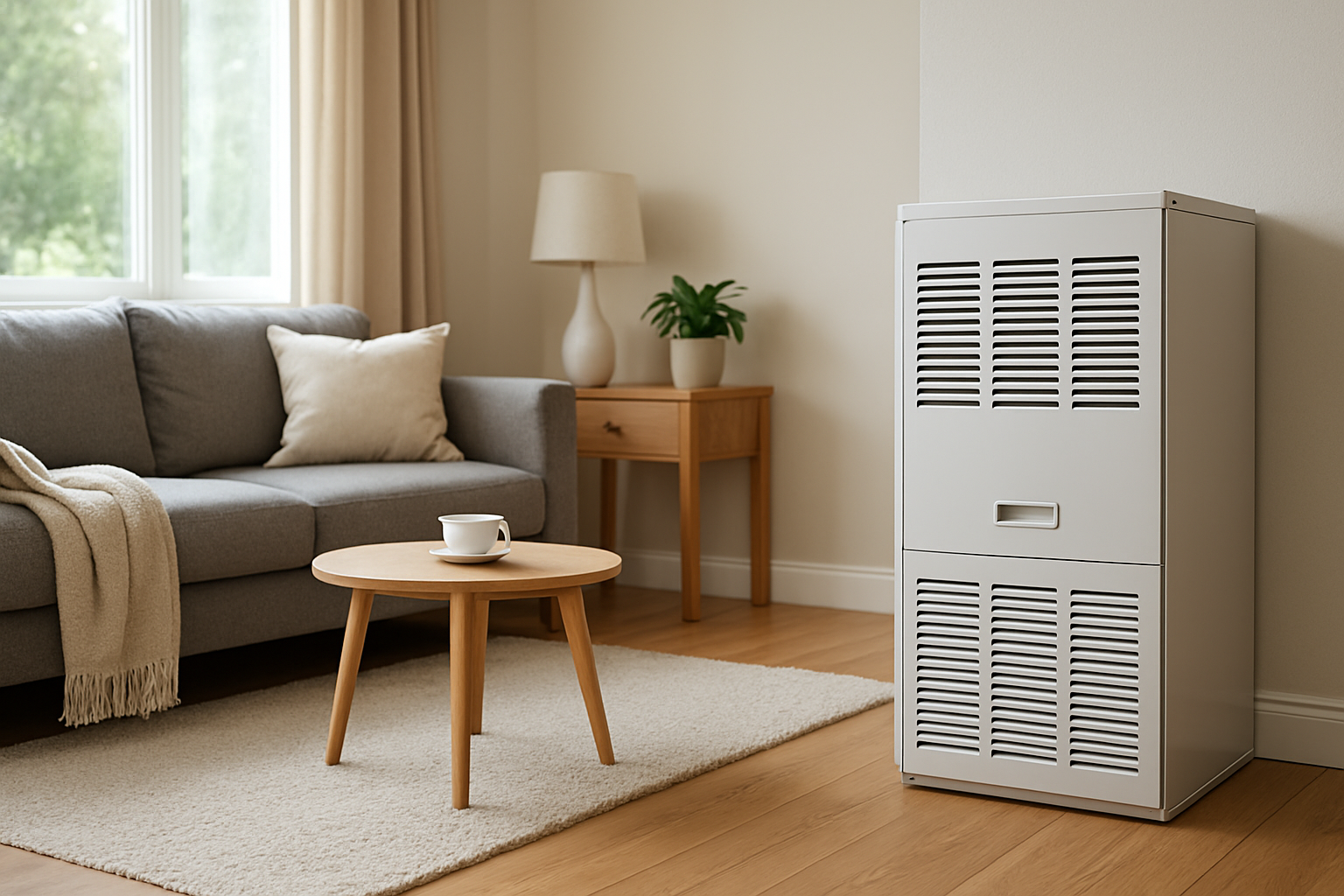
Diagnose and fix a furnace that clicks repeatedly but won’t start by identifying ignition or start sequence failures and common faulty components causing the issue.
Furnace Clicks Repeatedly But Won’t Start? Start Sequence Failing
Quick Answer
Repeated clicking with no heat usually means the furnace is failing in the ignition/start sequence: the control board is trying to light, then locking out and retrying. Your first check is to watch the start attempt through one full cycle and note whether you get inducer fan airflow and any burner flame at all. No flame after repeated tries points to an ignition, gas, or flame-sensing failure.
Identify the Comfort Pattern First
Before chasing parts, sort the complaint by what you can observe in the house and at the furnace. The click itself is not the problem; it is the start sequence restarting.
When it happens: Only on cold mornings or during long calls for heat often points to ignition that works sometimes but fails when components are cold (igniter weakening, marginal flame sensor, low gas pressure under heavy neighborhood load). Happens every call for heat points to a hard failure (no gas, failed igniter, safeties open).
Where you feel it: Whole-house cooling off, not just one room, matches a furnace that never produces heat. If one zone is cold but others heat normally, the clicking may be a zone damper or relay issue rather than furnace ignition.
System running vs off: Thermostat calls for heat, but you never get warm supply air. Often you will hear a sequence: small clicks, a soft motor start (inducer), then another click, then silence, then repeats.
Constant vs intermittent: Intermittent heat with repeated clicking between short warm bursts suggests the furnace lights but cannot prove flame and shuts back down. Constant clicking with zero heat suggests ignition never happens.
Door open vs closed: If the furnace behaves differently with the blower door on versus off, the issue may be the door safety switch or pressure switch tubing being disturbed by airflow/vibration.
Vertical temperature difference: In a no-heat condition, indoor temperature often drops more at exterior rooms and lower levels first. If the basement stays warmer while the main level drops fast, it can indicate basement heat gain plus no furnace output, not a distribution problem.
Humidity perception: During failed heating, indoor relative humidity can feel higher even if moisture has not increased, because cooler air holds less moisture. A sudden clammy feel during clicking/no-heat is consistent with the furnace not actually heating.
Airflow strength at registers: If the blower never ramps up and airflow is weak or absent, the furnace likely never reaches the point in sequence where it energizes the main blower. If strong cool airflow blows, the blower may be running due to a limit trip or fan setting rather than successful heating.
What This Usually Means Physically
A forced-air gas furnace must complete a strict start sequence. A thermostat call triggers the control board to prove safe conditions before allowing gas to flow and heat to be produced. Repeated clicking is typically the control relays energizing and de-energizing as the furnace attempts ignition, fails to prove one required condition, then retries or locks out.
When ignition fails, heat output is near zero, so the home’s comfort changes are driven by building heat loss. Exterior walls, windows, and infiltration pull indoor temperature down, with the fastest drop in high-loss rooms. Stratification increases because there is no warm supply air mixing the space. The perceived humidity often rises because air temperature drops, raising relative humidity and making the home feel damp even without adding moisture.
The physical failure is usually one of these: the furnace cannot create proper inducer draft (can’t prove pressure switch), cannot ignite (weak igniter or spark), cannot supply gas (valve not opening or gas supply issue), or lights briefly but cannot confirm flame (flame sensor problems). Each one interrupts the start sequence and forces a restart, which you hear as clicking.
Most Probable Causes (Ranked)
Flame sensor not proving flame (lights briefly, then shuts off and retries): You may see flame for 1–5 seconds, then it drops out and clicking resumes. House feels like it almost heats but never sustains a cycle.
Hot surface igniter weak or cracked (no flame at all): Inducer runs, you may hear a click for gas, but burners never light. Often worse when cold. Some igniters glow dim or not at all.
Pressure switch not closing due to venting/condensate/draft problem (inducer runs, then stops, repeats): You hear inducer start, then clicking and shutdown before any ignition attempt. Common with high-efficiency furnaces with condensate restrictions or intake/exhaust blockage.
Gas supply problem (no gas to furnace or low pressure): No ignition even though sequence proceeds. Other gas appliances may also struggle. Clicking occurs as the valve is commanded but flame never establishes.
Dirty burners or poor crossover causing delayed/light-off issues (clicking with rough starts): You may get a boom or delayed ignition, then shutdown, then retries. Comfort is inconsistent and supply air may smell slightly of unburned gas at the register area near the furnace (do not rely on smell alone).
Control board/grounding issue or failing relay (sequence inconsistent): Symptoms vary: random clicking, inconsistent inducer/igniter behavior, works after power reset then fails again.
How to Confirm the Cause Yourself
These checks rely on observation only. Do not disassemble gas components or bypass safeties.
Watch one full call for heat: Set thermostat 3–5 degrees above room temperature. Stand at the furnace and note the order: inducer motor starts, then igniter glow or spark, then burners light, then main blower starts. Identify the exact step where it fails and begins clicking again.
Look for flame ignition behavior: If you see burners light and then shut off within a few seconds, that pattern strongly supports flame-sensing failure rather than gas supply. If you never see flame at all, suspect igniter or gas supply, or pressure switch preventing ignition.
Listen for the inducer: If the inducer never runs, the problem may be power, control, or a safety circuit. If it runs and then stops before ignition, suspect pressure switch proving or vent/condensate issues.
Check the furnace LED diagnostic code: Most furnaces have a sight glass with a flashing LED. Count flashes when it fails. The code often points to pressure switch, ignition lockout, or flame sense. Write it down before cycling power.
Check basic airflow effect: If the blower runs continuously and you get cool air during clicking, the furnace may be tripping a limit or the thermostat fan is set to ON. Fan-only airflow does not confirm heating. Warm airflow should arrive after burners run steadily for a short period.
Confirm whether other gas appliances are normal: If a gas stove or water heater is also weak or not lighting, a house gas supply issue becomes more probable than a furnace-only issue.
Note lockout behavior: Many furnaces will try several times, then stop trying for a period. If you get three to five attempts then a longer pause, the control is recognizing repeated ignition failure and protecting the system.
Normal Behavior vs Real Problem
Some clicking is normal. A furnace will click when relays energize the inducer, igniter, and gas valve during a successful startup.
Normal: One short sequence of clicks followed by steady burner flame and then warm air from registers within a few minutes. The furnace runs until the thermostat is satisfied with stable room temperature.
Real problem: Clicking repeats in cycles, burners never light, or burners light briefly and go out. Room temperature continues to fall, and supply air never becomes consistently warm. Repeated short attempts without a sustained run indicate the start sequence is failing, not a thermostat setting issue.
When Professional Service Is Needed
Immediate service: Repeated ignition attempts for more than 10 minutes with no sustained flame, or the furnace enters lockout repeatedly over a day. Ongoing attempts can leave the home without heat and can stress ignition components.
Stop using the furnace and call for service: Any visible flame rollout, scorching, unusual rumbling starts, or the smell of gas near the furnace that persists. Also call if the diagnostic LED indicates pressure switch/venting faults you cannot resolve by clearing exterior obstructions.
Comfort impact threshold: If indoor temperature drops more than 2–3 degrees during a call for heat or the furnace cannot complete a cycle more than once intermittently, the problem is no longer minor; it is a start-sequence reliability failure.
Performance decline: If ignition worked recently but now fails more often, schedule service before it becomes a no-heat event during colder weather.
How to Prevent This in the Future
Replace filters on schedule: While a dirty filter is not the primary cause of clicking/ignition failure, it increases overheating and cycling stress, which can contribute to nuisance shutdowns and component wear.
Keep intake/exhaust terminations clear: Snow, leaves, and nests can prevent proper draft, leading to pressure switch failures and repeated starts.
Annual combustion and ignition check: A technician should confirm flame signal strength, clean the flame sensor, verify grounding, inspect burners for proper carryover, and verify venting/condensate drainage. These directly address start-sequence reliability.
Don’t power-cycle repeatedly: Resetting can temporarily clear lockout, but repeated resets can mask an unsafe or worsening ignition problem and increases failure frequency under cold conditions.
Related Home Comfort Symptoms
Furnace starts then shuts off after a few seconds
Inducer runs but burners never light
Furnace runs but only blows cold air
Heat works intermittently, especially on cold mornings
Furnace locks out and needs power reset to try again
Conclusion
Repeated clicking with no sustained heat is almost always a failed ignition/start sequence: the furnace is attempting to prove draft, ignite, and confirm flame, but one step is failing and forcing a retry or lockout. Your most useful homeowner diagnostic is to observe where the sequence stops: no inducer, inducer only, igniter with no flame, or flame that drops out within seconds. Once you identify that step, you can judge whether it is likely flame sensing, ignition, draft proving, or gas supply and decide when to schedule service.
Frequently Asked Questions
Why does my furnace click three times and then stop trying?
Most control boards allow a limited number of ignition trials. Three to five failed attempts typically triggers a soft lockout period. The clicks are the board energizing relays for inducer/igniter/gas valve, then shutting down when flame or draft is not proven.
If the blower runs, doesn’t that mean the furnace is working?
No. The blower can run without heat due to the thermostat fan setting, a control strategy to cool the heat exchanger after a fault, or a limit-related event. Working heat requires steady burner flame followed by warm supply air.
What does it mean if the burners light briefly and then shut off?
That pattern most commonly indicates flame is present but not being proven by the control board. A dirty flame sensor, weak flame signal, or grounding issue can cause the board to shut the gas valve within seconds and retry.
Could a bad thermostat cause repeated clicking at the furnace?
A thermostat can cause short-cycling calls for heat, but repeated internal clicking with a consistent failed startup pattern usually originates in the furnace safeties or ignition control. If the thermostat is stable and calling continuously while the furnace retries, the thermostat is not the primary fault.
Should I keep resetting power to get heat back?
Occasional one-time reset after a lockout can confirm a pattern, but repeated resets are not a fix. If the furnace locks out again or continues rapid retries, the start sequence fault is persistent and needs professional diagnosis.
Need a complete overview? Visit the full troubleshooting guide here: Read the full guide for more causes and fixes.
There’s a kind of relief in watching a stubborn system finally stop arguing and start doing its job. Not long ago, those sharp little clicks felt personal—like the house was tapping its watch, waiting for someone to notice.
What’s hardest isn’t the failure itself, but the pause right after it, when you’re stuck waiting for the moment to make sense. In the end, the pattern breaks, and the room settles into the simple comfort you thought you’d lost.