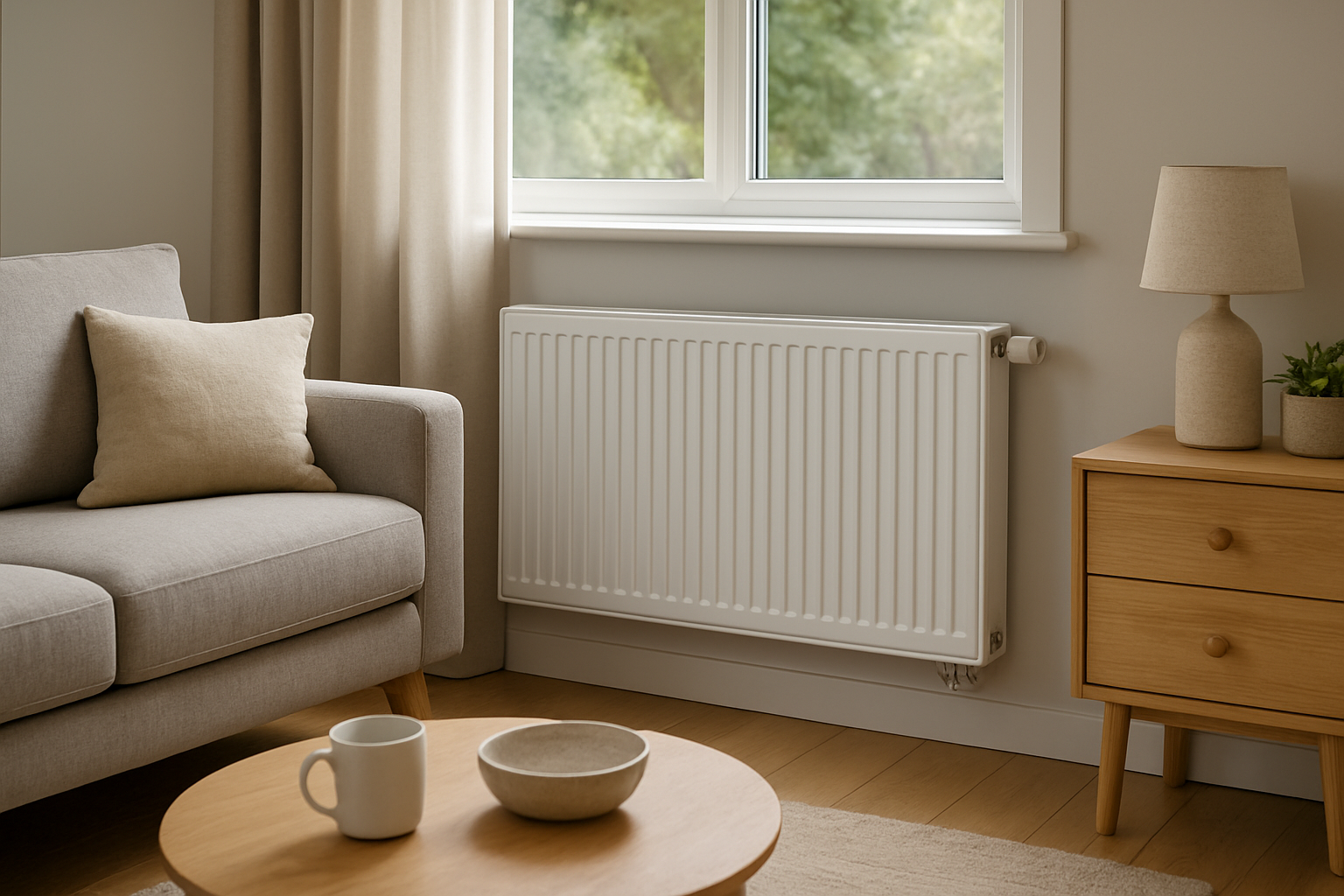
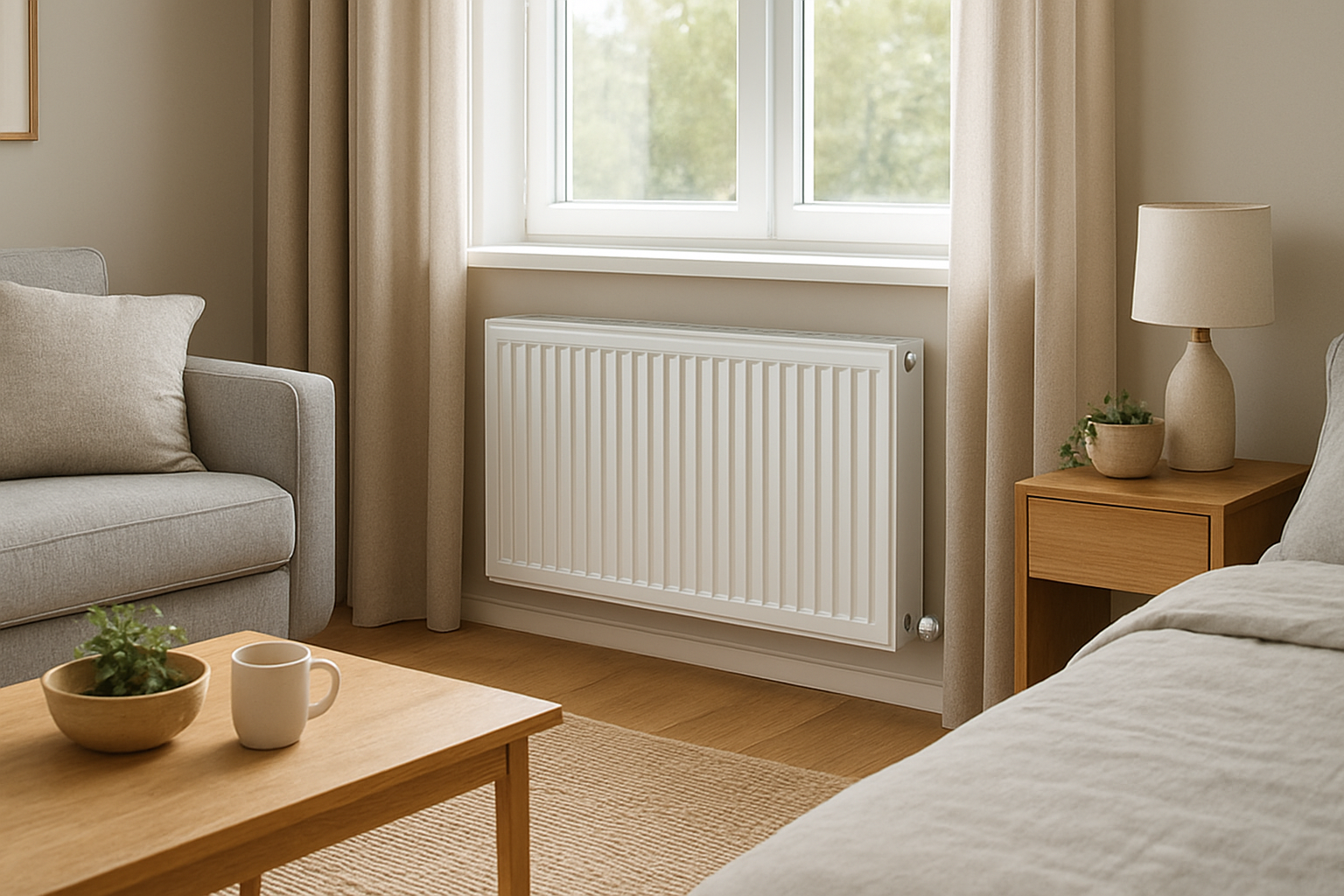
Diagnose and fix uneven heating in radiators caused by partial circulation or blockages, helping restore consistent warmth across the entire radiator surface.
Radiator Heats In Patches Instead Of Evenly? Circulation Issue
Quick Answer
Patchy radiator heat almost always means hot water or steam is not circulating through the entire radiator, typically due to air trapped, sludge buildup, or a partially closed/stuck valve. First check: with the heat calling, feel the radiator from inlet side to outlet side. If one area stays cool while the supply pipe is hot, you have a circulation restriction inside the radiator or at its valves.
Identify the Comfort Pattern First
Before assuming the radiator itself is bad, sort the symptom by pattern. The pattern tells you whether the problem is local (that radiator) or system-wide (circulator, pressure, balancing).
When it happens: Worse at the start of a heating cycle points to air pockets; worse during long runs can point to sludge settling/restriction or poor system flow.
Where it happens: One radiator patchy while others are normal usually means a local blockage or valve issue. Several radiators patchy on the same floor or farthest from the boiler suggests low flow, balancing issues, or low system pressure.
System running vs off: If patchiness appears only while the system is running and improves after multiple cycles, air is likely moving around and re-collecting. If it never improves, think sludge or a stuck valve.
Constant vs intermittent: Intermittent patch heating often tracks air bubbles or a marginal circulator. Constant cold sections that never warm typically indicate internal blockage or closed/stuck controls.
Changes with doors open or closed: If the room feels dramatically better with doors open, you may be noticing air stratification and room mixing issues, but the radiator symptom still points to uneven emitter output (circulation in the radiator) as the primary fault.
Vertical differences: For hot-water radiators, top-cold/bottom-hot strongly suggests air trapped. For steam radiators, cold sections often mean venting/condensate drainage problems, but the core failure is still incomplete circulation through the radiator.
Humidity perception: A patchy radiator can make a room feel drafty and dry because surfaces stay cooler and your body loses heat faster. That comfort complaint is real, but it is usually a temperature distribution issue, not an actual humidity change.
Airflow strength: Radiator-heated homes rely on natural convection. If a radiator is only partially hot, convection is weak, and the room will have stronger floor chill and slower warm-up even without any forced-air vents.
What This Usually Means Physically
A radiator only heats evenly when energy can move through it continuously. In a hydronic system, hot water must enter, travel through internal passages, and exit at a lower temperature. If air collects at high points, it forms a compressible pocket that blocks water from occupying part of the radiator. If sludge or magnetite accumulates, it narrows passages, reducing flow and leaving downstream sections cool. If a valve or internal insert is stuck or partially closed, it throttles flow so the radiator only warms near the inlet.
The result is a surface-temperature map that matches the flow path: hot where water or steam arrives, then progressively cooler where circulation stalls. That directly reduces radiant output and weakens convective lift, so the room develops colder lower-air temperatures and slower heat recovery after doors open, showers, or windy weather increase heat loss.
Most Probable Causes (Ranked)
Air trapped in the radiator (hydronic): Classic clue is a radiator that is hot at the bottom or near the supply side but cool at the top or far end, often after system refill or at season start.
Sludge/magnetite restriction inside the radiator: Persistent cold sections that do not change much cycle-to-cycle, often in older systems or where water quality has been poor; the piping may be hot but the radiator body stays partially cool.
Partially closed or stuck radiator valve/TRV: Inlet pipe hot, radiator only warm near the valve; the valve wheel/thermostatic head setting may not match actual flow, or the pin may be stuck.
Lockshield/return valve out of balance or restricted: Radiator warms near the inlet but struggles to push heat across; return side may stay noticeably cooler than comparable radiators, indicating weak through-flow.
System-level low flow or low pressure (hydronic), affecting the farthest radiators first: Multiple radiators show patchiness, especially upstairs or at the end of a loop; heat may improve when other zones are off.
Steam-specific: venting or pitch/condensate drainage issue: Radiator heats near the inlet but stays cold elsewhere; vent may be slow or failing, or the radiator may not be pitched to drain condensate properly. The physical outcome is still incomplete circulation through the radiator.
How to Confirm the Cause Yourself
These checks use observation and touch only. Do them during a normal call for heat when the system has been running at least 10–15 minutes.
Map the heat pattern: Carefully feel the radiator surface from the supply side outward. A sharp boundary between hot and cool indicates a flow stop point. A gradual fade is more typical of low overall flow.
Compare inlet and outlet piping: Find the pipe feeding the radiator and the pipe leaving it. If the inlet is hot but the outlet stays cool for the entire cycle, water/steam is not moving through the radiator well.
Listen for air indicators (hydronic): Gurgling, rushing water, or ticking during warm-up points to air pockets moving or compressing.
Check valve position and behavior: Ensure the hand valve is fully open (not half-open). For a thermostatic radiator valve, temporarily set it to its highest setting and wait one full cycle. If output does not change, the internal pin may be stuck or flow is blocked elsewhere.
Room response test: Close the door to the room and run one full heating cycle. If the room lags several degrees behind adjacent rooms while the radiator remains patchy, the radiator output is truly reduced, not just being masked by airflow mixing.
System pattern check: Walk the house and spot-check other radiators. If only one is patchy, focus on that radiator’s air/valves/sludge. If many are patchy, suspect system flow/pressure/balancing rather than a single radiator.
Steam radiator quick checks: If steam, listen near the vent. No hiss/warmth at the vent area while the supply is hot points to venting failure. Also visually confirm the radiator slightly slopes back toward the supply valve for drainage.
Normal Behavior vs Real Problem
Normal: Radiators often warm from the supply side outward. Some temperature gradient is expected, especially early in a cycle. A small cool strip at the far end during short cycles can be normal if the room is already near setpoint.
Likely a real problem: Large sections remain cool during long calls for heat, the pattern repeats every cycle, or the radiator never reaches a generally even warmth compared to others of similar size. Another red flag is a consistently hot inlet pipe with a mostly cool radiator body.
Comfort-impact threshold: If the room takes much longer to recover after doors open or the space stays colder at floor level despite long boiler run times, the radiator is under-delivering due to incomplete circulation.
When Professional Service Is Needed
Persistent patchiness after basic checks: If the radiator remains partially cold through multiple long heating cycles after confirming valves are open and settings are correct, the radiator or piping likely needs bleeding, flushing, or mechanical repair.
Multiple radiators affected: Patch heating across several radiators usually requires checking system pressure, pump performance, zone valves, balancing, and air elimination components.
Signs of system contamination: Very dark water at any bleed point, repeated air reappearing, or frequent need to add water points to corrosion/oxygen ingress and needs professional correction, not repeated topping-off.
Safety and damage indicators: Any leaks, wet spots at valves, or steam vent spitting water require service to prevent damage and restore proper circulation and venting.
How to Prevent This in the Future
Keep valves exercised: Turn hand valves fully open and closed a couple of times at the start and end of the season to reduce sticking (leave them in their normal operating position afterward).
Maintain stable system pressure (hydronic): Low pressure encourages air problems and poor circulation to upper floors. Have the fill/expansion components checked if pressures drift.
Address sludge early: If one radiator shows persistent cold sections, it is often the first visible sign of system debris. A professional system clean and inhibitor treatment is more effective than repeated bleeding.
Steam vent and pitch upkeep: Replace slow/failing vents as needed and keep radiators pitched to drain. Poor drainage creates internal waterlogging that blocks steam circulation.
Limit fresh water additions: Frequent refilling introduces oxygen, accelerating corrosion and magnetite formation that causes the very blockages behind patch heating.
Related Home Comfort Symptoms
One room always colder even though the radiator feels partly hot
Radiator makes gurgling or rushing sounds during warm-up
Radiator hot at the bottom but cold at the top
Radiator only heats near the valve side
Upstairs radiators slow to heat or never fully warm
Steam radiator vent hisses constantly or spits water
Conclusion
A radiator that heats in patches is almost always showing incomplete circulation through the radiator body. The surface temperature pattern tells you where flow stops: air pockets block high sections, sludge blocks internal passages, and valve restrictions throttle through-flow. Confirm by comparing inlet/outlet temperatures and checking whether the issue is isolated or system-wide. If the patchiness persists through long calls for heat, schedule service for bleeding/flow correction or cleaning to restore full radiator output.
Frequently Asked Questions
Why is my radiator hot on one side and cold on the other?
That pattern usually indicates water or steam enters but cannot travel through the full radiator. The most common reasons are trapped air (hydronic), internal sludge restriction, or a partially closed/stuck inlet or return valve that limits through-flow.
Is it normal for a radiator to be cooler at the far end?
A mild gradient can be normal, especially during short heating cycles. It is not normal if large sections stay cool during long runs or the room struggles to reach temperature while other rooms are fine.
Will bleeding the radiator fix patchy heating?
If trapped air is the cause, bleeding can restore full circulation. If the patchiness returns quickly or bleeding produces dirty water and little improvement, the issue is more likely sludge, valve restriction, or a system-level air elimination/pressure problem.
How can I tell if it is a valve problem or a blockage inside the radiator?
If the inlet pipe is very hot but the radiator only warms right at the connection and does not respond to valve adjustments, suspect an internal blockage or a stuck valve insert/pin. If the radiator warms more when you change the valve setting, restriction at the valve or balancing on the return is more likely.
Can a patchy radiator make the room feel drafty?
Yes. A partially hot radiator produces weaker convection and less radiant warmth, leaving cooler surfaces and colder floor-level air. That increases the sensation of drafts even when the building is not actually leakier.
Need a complete overview? Visit the full troubleshooting guide here: Read the full guide for more causes and fixes.
Even heating should feel boring in the best way—steady warmth that doesn’t make you shuffle for “the hot part” like it’s a treasure map. When it comes back to normal, the whole room feels a bit more sorted, and you stop noticing the radiator every time you pass by.
There’s a quiet relief in that shift, like the house finally remembers what it’s supposed to do. Small patches fade away, comfort shows up everywhere at once, and the day keeps moving instead of negotiating with the thermostat.