Diagnose and fix musty odors from your AC caused by mold or mildew growth due to moisture residue after periods of inactivity.
AC Smells Musty After Sitting Off? Mold Likely Growing
Quick Answer
If your AC smells musty mainly at startup after being off, the most likely cause is microbial odor from moisture residue left on the indoor coil or in the drain pan. First check: remove the return grille or open the air handler access (no tools if possible) and smell near the indoor unit right as it starts. If the odor is strongest there and fades after 5–15 minutes, focus on coil/pan moisture and drainage.
Identify the Comfort Pattern First
Before assuming mold, sort the complaint by pattern. The timing and location tell you where the odor is being generated and what moisture condition is feeding it.
When it happens: strongest on the first 1–10 minutes after the AC starts, especially after sitting off overnight, after a vacation, or during mild/humid weather when the system runs short cycles.
Weather link: worse on humid days and rainy stretches; often reduced during very hot weather when the AC runs longer and rinses/drys the coil more consistently.
System running vs off: odor is faint or absent while the system is off, then appears quickly on startup; it may fade as the system runs.
Constant vs intermittent: intermittent (startup-only) points to wet surfaces in the air handler; constant odor points more to duct contamination, a crawlspace/attic source, or a building moisture issue.
Where you smell it: strongest near supply vents or at the return when the blower starts; if only one room smells, suspect a localized duct run, a room-specific return path, or that room pulling odor from an adjacent space.
Airflow strength changes: musty odor with weak airflow can mean a dirty coil or filter causing colder coil surfaces and more retained moisture.
Humidity perception: if the home feels clammy or you notice window/vent sweating, odor probability increases because microbes need persistent moisture.
Doors open vs closed: if odor worsens with bedroom doors closed, the return air path may be pulling from cavities, basements, or other damp zones when the blower turns on.
Vertical differences: if the musty smell is stronger on lower floors, check basements/crawlspaces and return leakage; if stronger upstairs, check attic duct leakage and humid attic air being drawn in.
What This Usually Means Physically
A startup musty smell is most commonly a moisture residue problem inside the indoor unit. During cooling, the indoor coil runs below the indoor air dew point, so water condenses on the coil and drains into the pan. When the AC shuts off, several things can leave surfaces wet long enough for microbial growth:
Residual water film: water clings to coil fins and pan surfaces. If airflow stops immediately, that film stays longer instead of drying.
Warm, humid soak: after shutdown, the coil warms toward room temperature while staying wet. That is the best condition for microbial colonies to release odor compounds.
Short run times: in mild weather the system may not run long enough to rinse the coil/pan and move enough condensate to properly flush the drain and carry debris away. Wet plus dirty equals odor.
Drain weaknesses: slow drainage or improper trap/negative pressure issues can leave standing water. Standing water becomes an odor reservoir, then the first airflow blast carries it into the living space.
Blower effects: if the blower runs after cooling stops (or runs continuously), it can re-evaporate moisture off the coil and distribute humid, odor-laden air through the house. This does not create the odor by itself; it amplifies and spreads what is already growing on wet surfaces.
The key physics is simple: microbes need moisture and nutrients. The indoor coil and drain pan collect both. After downtime, the first airflow picks up a concentrated burst of microbial volatile compounds and delivers it to rooms until airflow and temperature change dilute it.
Most Probable Causes (Ranked)
Biofilm on the evaporator coil and drain pan: classic dirty-sock or musty smell at startup that fades with runtime; often worse after the system sits off.
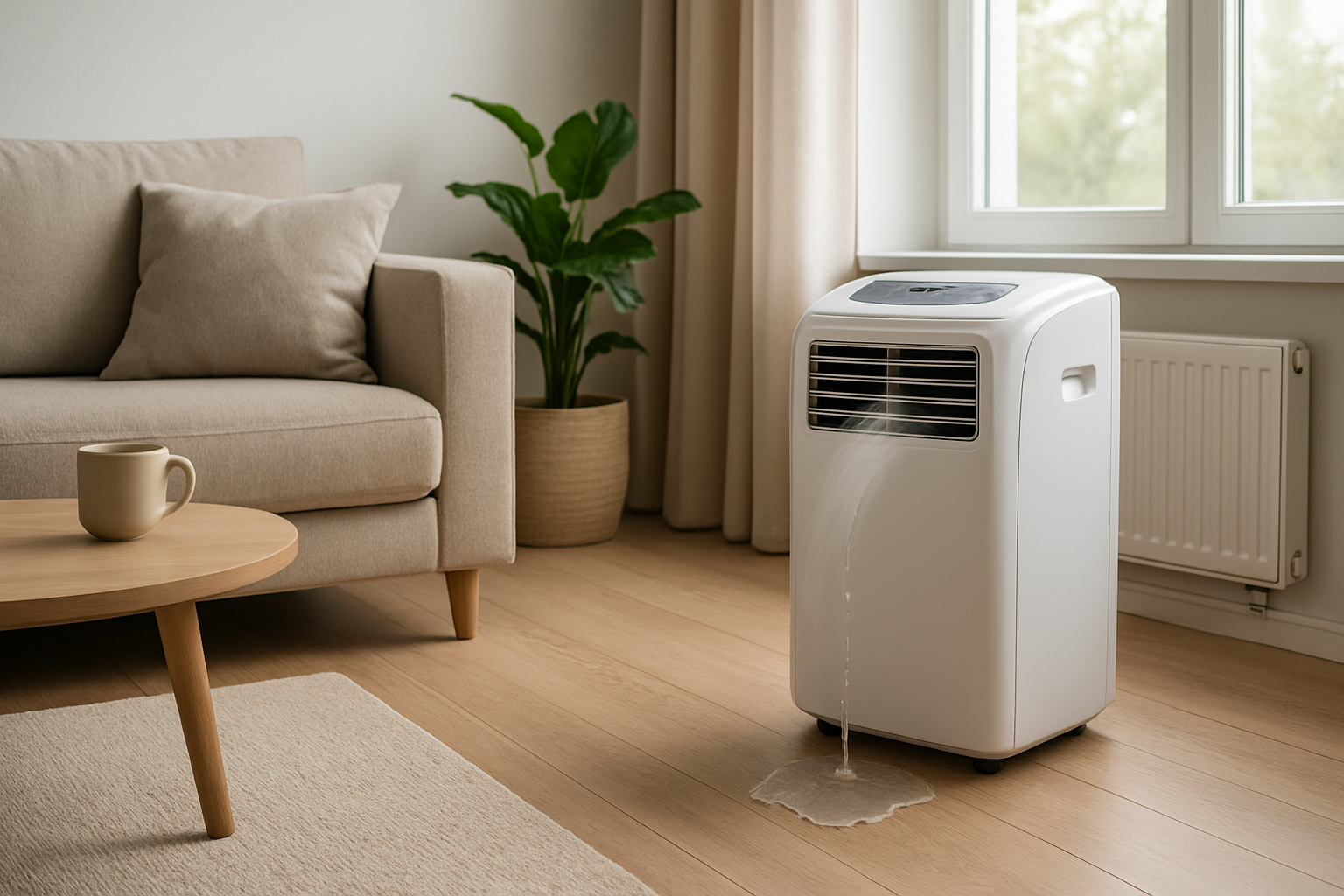
Partially clogged condensate drain or standing water in the pan: odor is strongest near the indoor unit; you may hear water slosh, see slow drainage, or notice intermittent shutdowns from a float switch.
Improper drain trap or negative pressure pulling air through the drain line: smell may resemble sewer/musty mix and can vary with blower operation; common on some air handlers where the drain is on the negative-pressure side.
High indoor humidity leading to persistent wet coil between cycles: the home feels clammy, odor is more frequent during mild humid weather; AC short cycles and never fully stabilizes humidity.
Return-side duct leakage drawing damp air from a crawlspace, basement, or wall cavity: odor may be strongest near certain returns, may not fade quickly, and is worse when doors change pressure balance.
Contaminated duct liner or internal duct insulation downstream of the coil: odor persists longer into the cycle, may be stronger from specific supply runs, and does not closely track coil wetness patterns.
How to Confirm the Cause Yourself
These checks use observation only. Do not open sealed refrigerant compartments or touch electrical components.
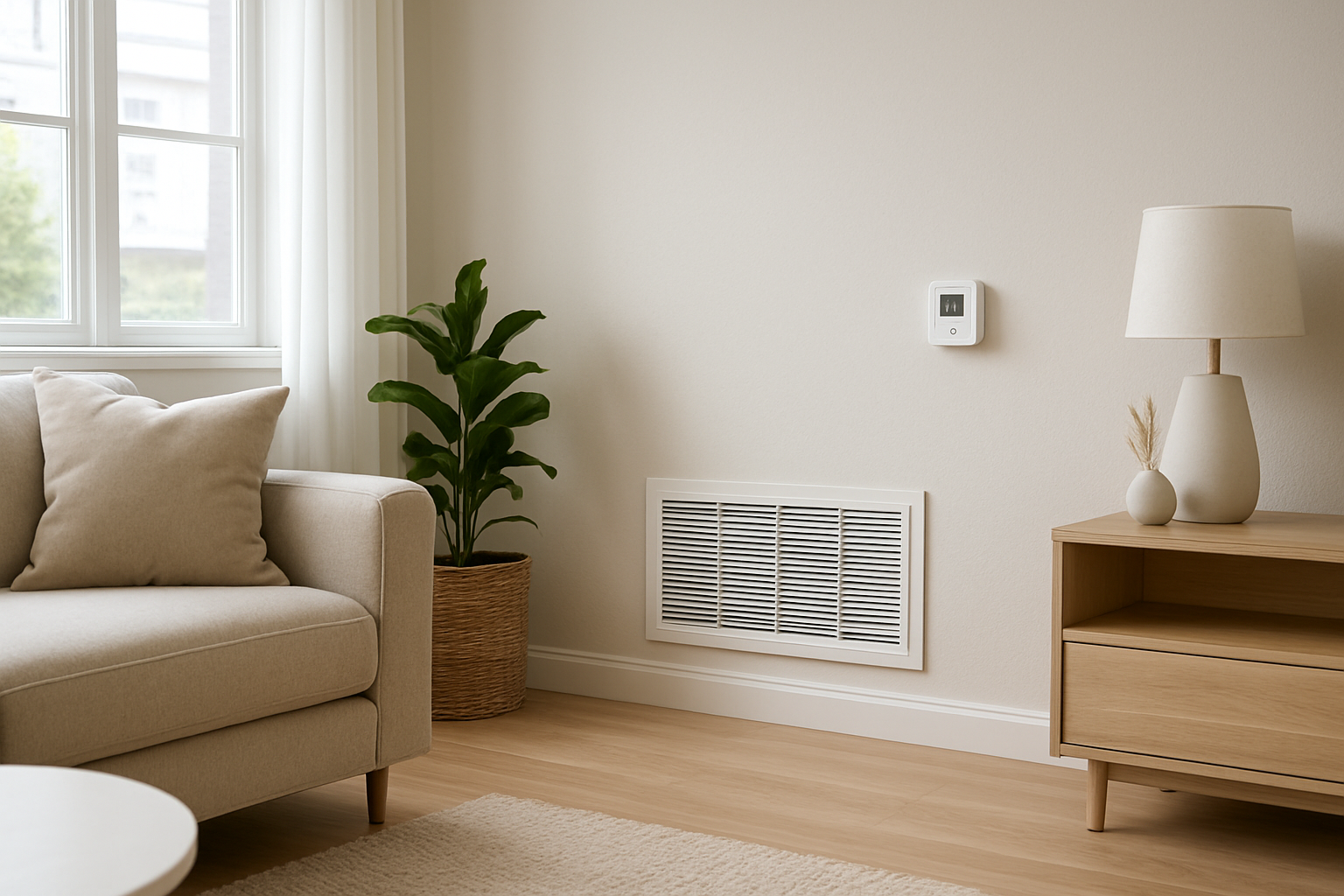
Startup localization test: after the system has been off for several hours, stand near the return grille when the AC starts. Then stand near a supply vent. If the odor is strongest at the air handler/return and quickly spreads, the source is usually coil/pan/drain rather than a single room.
Fade-time test: note how long it takes for the smell to drop noticeably. If it fades within about 5–15 minutes of continuous cooling, that strongly supports coil/pan microbial odor. If it stays strong for an hour or returns quickly even during long runs, broaden suspicion to ducts, building moisture, or return leakage.
Mild-weather trigger: track whether it happens more on 70–80F humid days than on 90F days. More odor on mild/humid days suggests short cycling and wet residue that never gets rinsed or dried adequately.
Humidity feel check: if towels feel slow to dry indoors, rooms feel tacky, or you notice condensation on cool surfaces, your indoor moisture load is likely high enough to keep the coil wet between cycles and feed microbial growth.
Drain line observation: locate the condensate drain termination (often outside near the outdoor unit or at a plumbing connection). During a long cooling run, there should be steady dripping or flow. If you rarely see drainage during heavy use, drainage may be restricted or misconfigured.
Return-path pressure clue: with interior doors closed, does the odor intensity change or does airflow noise change at the door undercut? If closing doors makes odor worse, the blower may be pulling more air from unintended damp areas due to restricted return paths.
Unit-area sniff check: if accessible, open the closet door where the air handler sits (do not remove panels). A stronger musty smell in that closet compared to living areas points to the indoor unit as the source.
Normal Behavior vs Real Problem
A brief neutral odor when a system starts after months of no use can be normal dust odor. That should be mild and should disappear within a day or two of operation.
More likely normal: faint dusty smell only on the first start of the season, no ongoing mustiness, no clammy indoor feel, and no repeat pattern after the first few cycles.
More likely a real problem: musty odor repeats after every off period, is clearly noticeable in living spaces, returns quickly after short shutdowns, or is accompanied by high humidity, reduced airflow, gurgling/overflow at the drain, or visible moisture around the air handler.
A consistent startup musty smell is not just an annoyance pattern; it usually means wet surfaces are staying wet long enough to support microbial growth inside the air path.
When Professional Service Is Needed
Odor persists beyond 10–15 minutes of runtime or becomes constant during operation, suggesting broader contamination or a moisture control failure.
Recurring drain issues such as water around the indoor unit, repeated float switch trips, ceiling stains (attic units), or visible pan overflow.
Airflow has declined at multiple vents, rooms are cooling unevenly, or run times are unusually long, indicating coil fouling or duct issues contributing to wet retention.
Indoor humidity stays high (clammy conditions) even when temperatures seem acceptable, pointing to latent capacity or control problems that keep surfaces wet.
Suspected return leakage from crawlspace/attic where moldy air can be pulled into the system; this needs pressure and leakage diagnostics to confirm.
How to Prevent This in the Future
Keep the drain flowing reliably: ensure the condensate drain termination is not blocked and that you regularly observe drainage during heavy cooling use.
Control indoor humidity: persistent humidity is what keeps the coil wet between cycles. If the home stays clammy during mild weather, address humidity control rather than only temperature settings.
Maintain clean airflow: replace filters on schedule and avoid restrictive filters that noticeably reduce airflow. Poor airflow increases coil wetness time and can worsen microbial buildup.
Avoid unnecessary continuous fan operation during humid seasons: continuous fan can re-evaporate coil moisture and spread odor. Use Auto unless a technician has verified a humidity-safe fan strategy.
Confirm proper return air paths: prevent bedrooms from becoming over-pressurized when doors close. Poor return paths can increase negative pressure at the air handler and pull damp, contaminated air from unwanted locations.
Schedule coil and drain pan inspection/cleaning when patterns repeat: a technician can verify coil condition, pan slope, trap configuration, and drainage performance so moisture does not linger.
Related Home Comfort Symptoms
Dirty sock smell from vents during cooling
Clammy indoor air even when temperature is cool
Water around the indoor unit or ceiling stains near an attic air handler
Musty smell stronger in one room when doors are closed
Weak airflow and longer run times after filter changes
Conclusion
A musty AC smell that appears mainly after the system has been off is most often microbial odor released from moisture residue on the evaporator coil, drain pan, or drain system. Use the pattern tests first: startup-only, strongest near the indoor unit, and fading within 5–15 minutes strongly points to coil/pan moisture and drainage. If it persists, pairs with high humidity, or shows any water management issues, move to professional inspection focused on coil cleanliness, pan standing water, drain configuration, and return leakage.
Frequently Asked Questions
Why does the musty smell happen only when the AC first turns on?
When the system is off, the coil and drain pan can stay damp while warming up. Microbes on those wet surfaces release odor compounds. Startup airflow delivers a concentrated burst, then the smell usually dilutes as the system runs and conditions stabilize.
How long is too long for the smell to last?
If the odor is clearly noticeable beyond about 10–15 minutes of continuous cooling, or it remains throughout the cycle, treat it as more than a normal startup burst and investigate drainage, coil/pan contamination, duct contamination, or building moisture sources.
Is a musty smell more likely in mild weather than extreme heat?
Yes. Mild but humid weather often causes short cycles, leaving the coil wet without enough sustained condensate flow to flush debris, and without enough runtime to stabilize humidity. That pattern commonly increases microbial odor events.
Can the fan setting make the smell worse?
It can. Running the blower continuously can re-evaporate moisture off the coil after cooling stops and spread odor farther through the home. If the odor pattern matches this, keep the fan on Auto until the underlying moisture residue issue is corrected.
How do I tell if the odor is from the AC or from a crawlspace/basement?
If the smell is strongest at startup and fades with runtime, the indoor coil/pan is more likely. If the smell is constant, stronger on lower floors, or increases when interior doors change pressure balance, return leakage pulling air from damp zones becomes more likely.
Need a complete overview? Visit the full troubleshooting guide here: Read the full guide for more causes and fixes.
Musty air doesn’t have to be your new normal, even if the unit seems to “just be that way” after sitting. When the smell shows up, it’s usually the same old story playing on a loop—quiet growth, stubborn residue, and a reminder that moisture doesn’t take vacations.
Let it settle once and you’ll feel the difference right away, like the room can finally exhale. After that, it’s less worry and more ordinary comfort—boring, in the best way.