If your AC feels good at first but the house turns warm and clammy later, there are a few common reasons worth noticing early.
Introduction
You turn on the AC and for a while, everything seems fine. The first blast of cool air feels like relief, the rooms settle down, and you think the house is finally going to stay comfortable. Then an hour or two passes. The air starts to feel weaker. The rooms feel heavier. By afternoon, the house is not exactly hot, but it is warm enough and damp enough to make you restless.
That pattern can be surprisingly maddening. At first it works, so it is easy to second-guess yourself later when something starts to feel off. You walk past a vent and the air still feels cool. The thermostat looks normal. And yet the house feels sticky and stale in a way that is hard to explain.
Something just feels off.
Why This Situation Feels So Frustrating
The hardest part is the false sense of relief at the beginning. You get comfortable, maybe you finally sit down, maybe the kids stop complaining, and then the house slowly drifts back into that uneasy in-between feeling where no one is really comfortable. Not terribly hot. Just uncomfortable enough to wear on you.
That is what makes this kind of AC problem different from a total breakdown. If the system stopped working completely, at least the problem would be obvious. But when it starts strong and then fades, you end up wondering whether it is just the weather, or sunlight, or a normal afternoon heat-up, or something that actually needs attention.
It can leave you stuck between trying simple things and hoping you do not need a repair visit. Meanwhile the air feels damp, the house never quite cools down, and the stress keeps building quietly in the background.
What People Usually Notice First
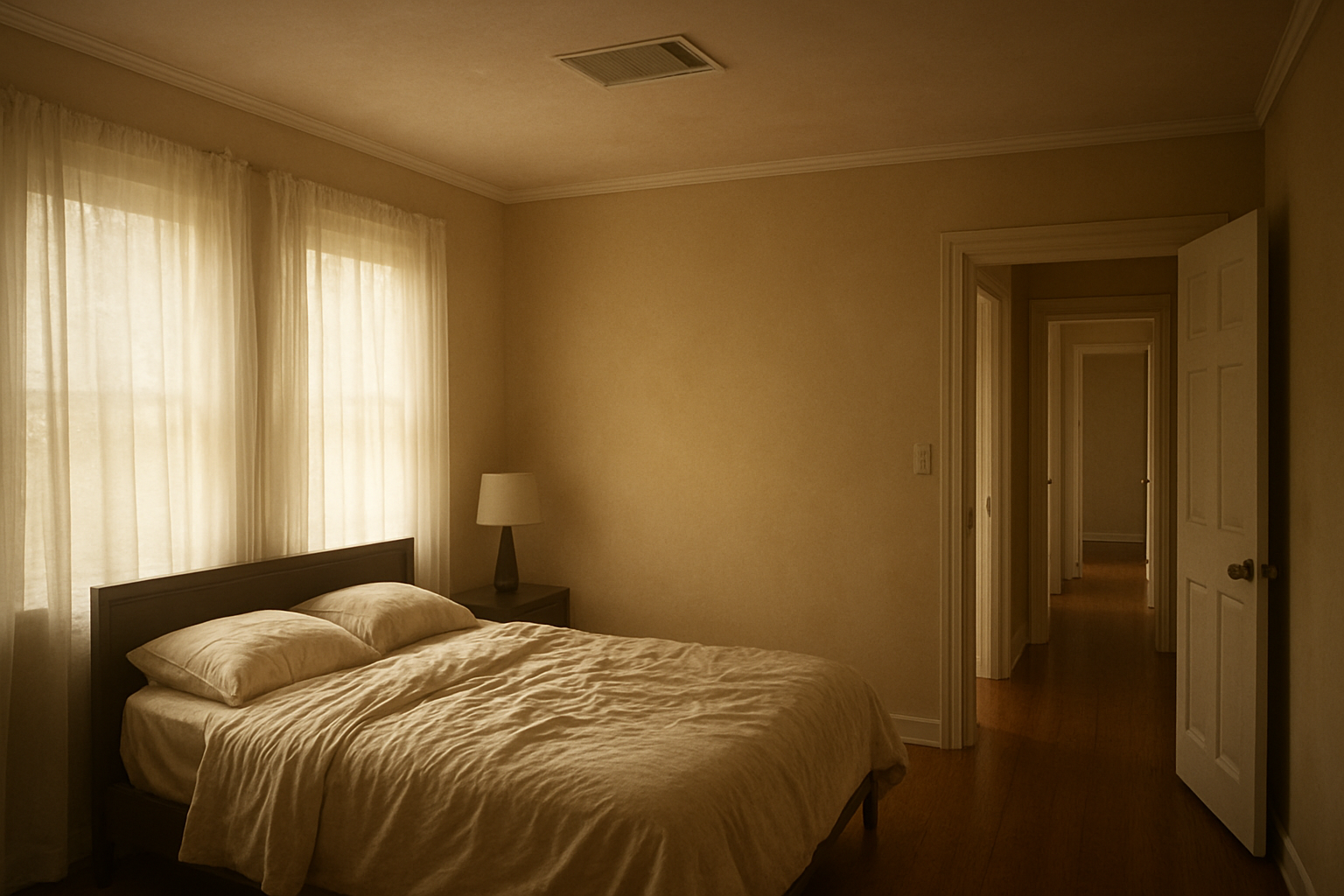
Often the house feels decent after startup but uncomfortable by later in the day. The system keeps running, but the comfortable feeling does not hold. You may notice that bedrooms start to feel stuffy unless the doors stay open, or that the upstairs turns warm and clammy even though the AC has been on for hours.
Sometimes the first clue is the airflow itself. The vents that seemed strong earlier begin to feel weak from room to room. Not dead. Just weaker. Then comfort returns only after waiting, or after the unit cycles off and back on again.
That up-and-down pattern can be surprisingly easy to miss at first because it happens gradually. You do not always notice the moment the house stops feeling good. You just realize later that you are irritated, sticky, and adjusting the thermostat again.
Why It Can Be Confusing
This is where people tend to doubt their own judgment. If the AC starts out working, it is hard to trust your sense that something is wrong. You may stand near a vent and feel cool air and think, well, I guess it is working. But whole-house comfort is not just about whether the air at the vent feels cool for a second.
The thermostat can add to the confusion. It may show the temperature you expect, or something close to it, while the rooms still feel uncomfortable. That happens because humidity, airflow, room balance, and how long the system runs all affect comfort. A house can be technically cool enough and still feel unpleasant.
It sounds small when you say it out loud. The house feels okay at first, then kind of sticky later. But living with that every day can drag on your sleep, your mood, and the pace of the whole house.
Bedrooms that do not stay cool enough become the rooms everyone dreads at night. Upstairs spaces feel close and stale. Doors get left open not because anyone wants them open, but because that is the only way to make the airflow feel tolerable. You start planning around the uncomfortable parts of the house without really meaning to.
Home is supposed to be the place where your body lets go of tension. When the air never feels settled, that sense of refuge starts to slip. Not dramatically. Quietly. And that can make people more anxious than they expect, especially when they cannot tell whether the issue is temporary or the beginning of a larger repair.
It does not feel small.
When It’s Probably Nothing Serious
Sometimes the explanation is fairly ordinary. A very hot afternoon can expose weak airflow in rooms that are already hard to cool. Closed interior doors can make certain bedrooms stuffy. A clogged return vent, a dirty filter, or blocked supply vents can also make the system feel strong at first and then less effective as the house heat builds during the day.
Humidity can play a role too. On some days the temperature may not seem terrible, but higher indoor moisture makes the house feel much warmer than the thermostat suggests. If the AC is cooling but not removing moisture well enough, that sticky feeling creeps in even when the numbers do not look alarming.
There are also moments when the house itself is part of the problem. Strong afternoon sun, a warmer upper floor, leaky windows, or attic heat can overwhelm certain areas faster than others. In those cases, the AC may not be failing so much as struggling against conditions that get worse as the day goes on.
When You Should Pay More Attention
If the airflow has become noticeably weak from many vents, not just one room, that deserves a closer look. The same goes for an AC that runs for long stretches without really improving comfort, or rooms that keep getting clammy even though the unit seems to be on constantly.
You should also pay attention if the problem is getting more frequent, if upstairs comfort has sharply changed compared with earlier in the season, or if the house only feels better after the system shuts down and rests for a while. That can point to issues that are beyond simple airflow adjustments.
Another sign is when your instincts keep telling you the house is uncomfortable, even though the thermostat says everything is fine. That mismatch matters. People often wait too long because they want clearer proof. But comfort problems usually show up as patterns before they turn into obvious failures.
Simple Ways to Improve Comfort
Start with the simple things you can actually see. Check the filter if it has been a while. Make sure vents are open and not hidden behind furniture, curtains, or rugs. Look at return grilles too, because restricted return airflow can make the whole system feel uneven after it has been running for a while.
Try keeping bedroom doors open for a day or two and notice whether airflow improves. If one floor feels much warmer than another, ceiling fans can help the house feel more stable even if they do not lower the actual temperature. Sometimes that alone reduces the sticky, trapped feeling enough to make the house livable again.
Pay attention to timing. If the home feels comfortable in the morning but slides downhill every single afternoon, that pattern is useful information. Write it down if you need to. A small note about when the air weakens, which rooms get muggy first, and whether the vents feel different later can help you decide whether this is a minor comfort issue or something worth having checked.
Just observing carefully can take away some of the guesswork.
Conclusion
When an AC starts out strong and then the house slowly turns warm, sticky, and frustrating, the problem is not always dramatic. But it is real. And it wears on you in a very everyday way.
The good news is that this kind of issue sometimes comes down to airflow, humidity, room balance, or basic maintenance rather than a major failure. Still, if the house keeps feeling off, it is reasonable to trust that feeling. You do not need to wait until the system stops completely to take it seriously.
Your home should feel like relief, not a place where comfort slips away by the hour. If the air never quite settles, that is worth paying attention to.