If your AC feels cold at first but the house slowly turns warm again, the pattern can be frustrating, confusing, and harder to ignore each day.
Introduction
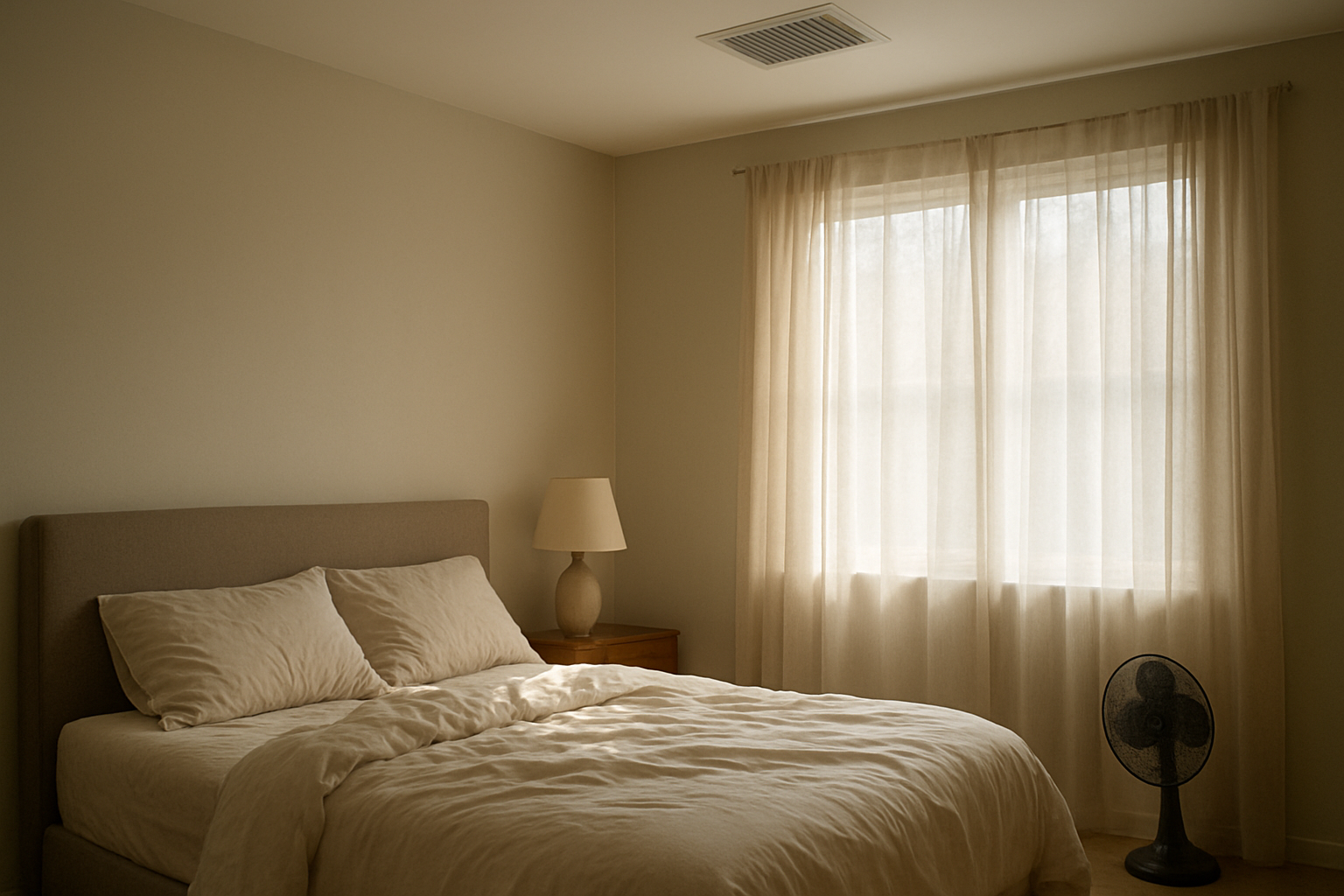
You go to bed feeling that first wave of cool air and think, finally, the house is settling down. Then sometime before morning, you wake up warm and sticky, half-asleep and annoyed, wondering if you imagined the comfort in the first place. The system still seems to be running. The vents are doing something. But the room no longer feels right.
That kind of problem gets under your skin quickly. At first there is relief, then disappointment, and then that low-grade irritation that comes from not being able to trust your own house to stay comfortable for more than a few minutes.
Something just feels off.
Why This Situation Feels So Frustrating
Part of what makes this so aggravating is that the comfort is real at the beginning. The air comes out cold. The room starts to calm down. You think the problem has passed or maybe never existed at all. Then the house slowly drifts in the wrong direction, and you find yourself paying attention to it again instead of relaxing.
There is also the worry that builds as the day goes on. A house that feels acceptable in the morning can become tense by late afternoon, especially upstairs, where the heat seems to gather and stay. You start noticing sunlight, closed doors, the hallway, the temperature in one bedroom versus another. It becomes a small mental job you did not ask for.
And once you notice it, it’s hard to ignore.
It is frustrating in a particular way because the system does not appear fully broken. If it quit completely, the problem would be obvious. But when it runs and comfort still fades, you are left in that uncomfortable middle ground where you do not know if this is temporary, serious, or just one of those strange house things that keeps repeating.
What People Usually Notice First
Usually it starts with a pattern, not a diagnosis. Someone falls asleep cool and wakes up sweating. Upstairs rooms that seemed fine at lunch feel stuffy and stale by late afternoon. A family member closes doors for privacy or quiet, and somehow the whole house starts feeling worse, even though nothing major changed.
Sometimes people respond the same way every time: they turn the system off, wait a minute, then turn it back on hoping the cold air comes back strong. And for a little while, it might. That makes the whole thing even more confusing because now it feels like maybe the issue fixed itself. Until it happens again.
In a lot of homes, the first clue is not dramatic. It is just that the house stops feeling even. One room is okay, one room feels muggy, and another somehow feels normal. You walk from one end of the house to the other trying to figure out whether the AC is the problem or the heat outside or maybe just bad luck.
It sounds minor. It rarely feels minor in the moment.
Why It Can Be Confusing
The biggest reason this is hard to read is simple: cold air at the start makes it seem like nothing is wrong. Most people understandably assume that if the AC blows cold at first, then the system must be fine. But an air conditioner can seem normal in the opening stretch and still struggle to keep up, cycle incorrectly, or lose effectiveness after a short run time.
Warm air can also feel random. The unit still sounds on. The thermostat might still show that it is cooling. Yet the house feels heavier, warmer, and less comfortable by degrees. That slow shift makes you question your own senses before you question the equipment.
Then there is the room-to-room issue. When some spaces feel noticeably worse than others, the problem stops looking straightforward. It may not be just the AC itself. Airflow, sun exposure, insulation, closed interior doors, dirty filters, or duct issues can all change how comfort moves through the house. If you want a plain-language look at why an AC starts cold then turns warm after a few minutes, that pattern is more common than people think.
That is the maddening part. The symptoms do not always line up neatly.
The Hidden Impact on Daily Comfort
Small comfort problems tend to spill into the rest of the day. A slightly warm bedroom leads to poor sleep. Poor sleep makes the next afternoon feel longer. A hot upstairs room turns into a discussion about who gets the fan, which doors should stay open, and whether anyone remembered to change the filter. It is not a big issue on paper. But it does not feel small.
There is also something emotionally tiring about having to monitor patterns inside your own home. People start noticing little things before they understand the cause. The sun hits that side of the house around four. The nursery gets stuffy if the door stays shut. The living room feels fine until dinner, then not fine. Comfort becomes fragile because conditions keep changing, and suddenly you are managing the house instead of simply living in it.
That kind of stress adds up quietly.
And when a problem keeps coming and going, it creates a weird kind of doubt. You hesitate to call for help because maybe tomorrow it will be fine. Then tomorrow arrives, and the same cycle starts again.
When It’s Probably Nothing Serious
Sometimes the explanation is ordinary. A clogged air filter can weaken airflow enough that the house cools unevenly. Closed doors can reduce circulation, especially in rooms that already struggle. Extra heat from cooking, sunlight, or a stretch of especially hot weather can make a system seem less effective even when it is still operating normally.
If the air coming from the vents is still cool and the temperature recovers once the hottest part of the day passes, the issue may be more about heat load and airflow than a major equipment failure. In some homes, ceiling fans, open interior doors, and a clean filter make a noticeable difference surprisingly fast.
Not every uncomfortable pattern means disaster.
When You Should Pay More Attention
If the air turns noticeably warm after just a few minutes and keeps doing it, that deserves attention. The same is true if the house never quite reaches the thermostat setting, if humidity starts to climb indoors, or if the system seems to run for long stretches without restoring comfort.
You should also pay closer attention when the problem is becoming more frequent, not less. Maybe it used to happen only on very hot days and now it happens in mild weather too. Maybe resetting the system used to help for a while and now it barely changes anything. That kind of shift usually means the pattern is moving beyond a one-off annoyance.
Strange sounds, ice buildup, weak airflow, or a sudden jump in energy bills are also worth taking seriously. At that point, the issue is not just that the house feels uneven. It is that the system may be signaling that something needs repair.
Simple Ways to Improve Comfort
Start with the obvious things people often put off. Check the filter. Make sure supply vents are open and not blocked by furniture or rugs. If certain rooms get worse when doors are shut, test whether leaving them open improves circulation. It is not a glamorous fix, but sometimes that is the fix.
Look at timing too. If upstairs rooms always become uncomfortable in late afternoon, window coverings and reduced sun exposure can help more than people expect. Fans can also ease that stuck, heavy feeling even before the temperature changes much.
If you keep reaching for the thermostat and nothing about the comfort really improves, stop guessing and write down the pattern for a day or two instead. When does it start cold? How long before it feels warm? Which rooms change first? That information can make it easier to tell whether the issue is airflow, heat gain, thermostat behavior, or a system problem that needs professional service.
A little clarity helps.
Conclusion
When a home feels comfortable at first and then slowly becomes frustrating, the emotional part of it is real. Relief turns into disappointment. A normal evening turns into checking vents, adjusting doors, and wondering whether the house is about to get hotter as the day goes on.
The good news is that this pattern does not always mean a major breakdown. But it does mean something is worth noticing. If comfort keeps fading, pay attention to the timing, the rooms involved, and whether simple airflow changes help. Your house should not feel like a puzzle every day.
Sometimes the problem is small. Sometimes it is not. Either way, you are not imagining it.