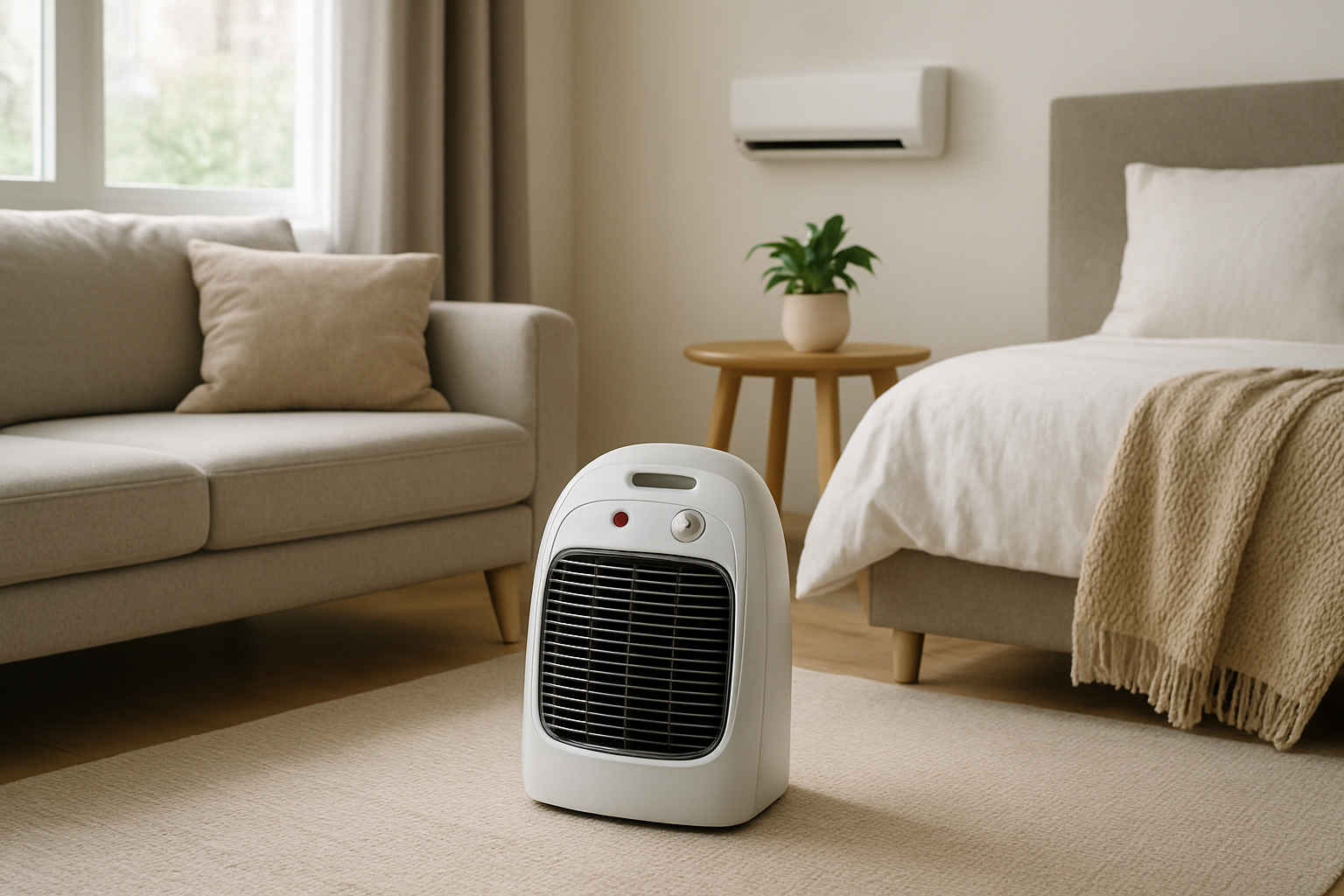
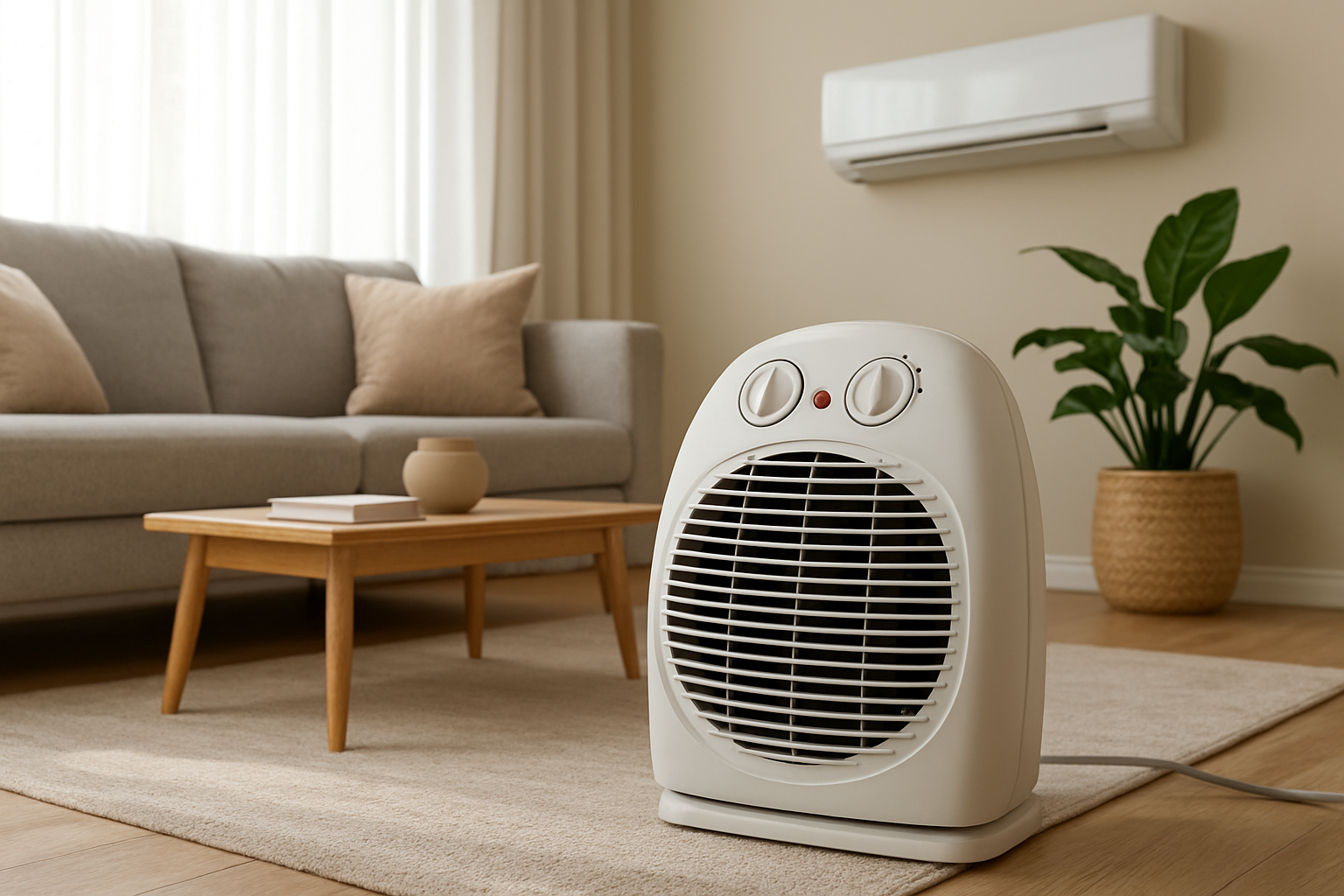
Diagnose and fix unusual odors from portable heaters, including dust and overheating smells, by identifying common causes and safe cleaning or maintenance steps.
Portable Heater Smells Strange? Dust Or Overheat
Quick Answer
The most common reason a portable heater smells strange is dust or residue heating up on the element or inside the airflow path, especially after storage or first seasonal use. First check: run the heater on its lowest heat setting in a well-ventilated room for 10–15 minutes and see if the odor steadily fades. If it intensifies, turns sharp, or triggers irritation, shut it off and inspect for contamination or damage.
Identify the Comfort Pattern First
Before assuming failure, pin down the exact pattern. The odor type, timing, and how it changes with airflow tell you whether this is normal burn-off or overheating/contamination.
When it happens: Only during the first few minutes after turning on is typical dust burn-off. Smell that appears later (after 20–60 minutes) points toward overheating from restricted airflow or internal component heating.
Where it happens: Odor strongest right at the heater grille usually means the source is on the heater. Odor that is stronger across the room can indicate the heater is stirring dust from the room (carpet, pet hair) and distributing it.
Running vs off: If the smell continues when the heater is off, the source is likely something else in the room (plug, cord, nearby item, carpet) that was warmed and is continuing to off-gas.
Constant vs intermittent: Intermittent odor that comes in waves often lines up with cycling thermostats and internal temperature limits. Constant odor that never fades is more consistent with ongoing contamination (dust, pet hair, smoke residue) or materials heating abnormally.
Changes with doors open/closed: A closed small room concentrates odor quickly. If the smell is acceptable with the door open but strong with it closed, that supports normal burn-off combined with low dilution ventilation.
Vertical differences: Warm air from a portable heater stratifies. If the room smells stronger near the ceiling than near the floor, you are noticing odor carried by the rising warm plume rather than a room-wide source.
Humidity perception: Dry air makes odors feel sharper. If the space feels very dry while heating, minor dust odors can be more noticeable and irritating even when the heater is operating normally.
Airflow strength: Weak discharge airflow (for fan-forced units) with rising smell intensity suggests restriction (lint screen clogged, intake blocked, pet hair mat) leading to higher internal temperatures and stronger odor.
What This Usually Means Physically
Most strange heater smells are not mysterious gases; they are heated materials releasing volatile compounds or burning off microscopic debris.
Dust and lint oxidation: When dust collects on hot surfaces, the first heat cycle warms it above the temperature where it starts to decompose and oxidize. That produces the classic dusty, slightly acrid smell. It is strongest at startup and should fade as the dust layer is consumed or loosened.
Off-gassing from residues: Aerosols, cleaning products, cooking oils, candle soot, and nicotine film can deposit on heater internals. Heat re-volatilizes these residues and you smell them again, often with a sweet, chemical, or waxy note.
Airflow restriction causing elevated internal temperature: Fan-forced heaters depend on airflow to keep element and internal wiring within design temperature. If the intake is blocked or the fan is slowed by lint, the element runs hotter, increasing odor intensity and sometimes triggering internal high-limit cycling.
Stratification and dilution: Portable heaters create a warm plume that rises and accumulates near the ceiling. In tight rooms with little ventilation, the odor concentrates quickly even when the actual emission rate is small.
Most Probable Causes (Ranked)
Normal dust burn-off after storage or first seasonal use Clue: Smell is strongest in the first 5–15 minutes and fades noticeably each time you run it.
Lint, pet hair, or carpet dust pulled into the intake and heating on internal surfaces Clue: Odor persists beyond 20 minutes and is worse on higher fan speed or higher heat; the intake area looks fuzzy or dirty.
Residue from candles, cooking oils, cleaners, or smoke film reheating Clue: Smell is sweet/chemical/waxy instead of dusty; it returns every time the heater runs and does not taper off much.
Airflow restriction or fan issue causing overheating and high-limit cycling Clue: Discharge airflow feels weaker than usual, the heater seems noisier or quieter than normal, and the smell intensifies as the unit runs longer.
Electrical overheating at plug, outlet, cord, or internal connection Clue: Smell is sharp, hot, plastic-like; strongest at the plug/outlet rather than the grille; cord or plug feels unusually warm.
How to Confirm the Cause Yourself
These checks rely on observation and simple comparisons. If anything suggests electrical overheating, stop and move to the professional section.
Startup fade test: In a ventilated room, run the heater on low for 10–15 minutes. Dust burn-off should fade steadily. If the smell ramps up with time, suspect restriction, residue, or overheating.
Location test: Carefully sniff near the discharge grille versus near the plug/outlet area. Odor strongest at the grille supports dust/residue on hot surfaces. Odor strongest at the plug/outlet supports electrical heating at the connection.
Heat level comparison: Run low heat for 10 minutes, then high heat for 5 minutes. Dust odor usually increases briefly with higher heat but still trends downward overall. Overheat/restriction often shows a strong jump on high and may not settle.
Room dilution test: Repeat the test with the door open or a window cracked. If the smell becomes minor with added dilution, you are likely dealing with normal burn-off or mild residue rather than a fault that is generating heavy odor.
Airflow feel check (fan-forced units): Compare airflow by feel to what you remember from prior use. A noticeable drop in airflow paired with stronger smell supports a dirty intake or fan restriction.
Cycle pattern check: Note whether the heater output seems to surge then drop repeatedly independent of room temperature. Frequent cycling can indicate an internal high-limit responding to restricted airflow, which also increases odor.
Normal Behavior vs Real Problem
Typically normal: A dusty or slightly hot smell during the first few minutes of the first few uses of the season, especially if the heater was stored in a closet, basement, or garage. The key diagnostic feature is improvement: each run is less noticeable and the odor fades during a single run.
More likely a real problem: Odor that gets stronger the longer the heater runs, a sharp hot-plastic or electrical note, irritation (headache, throat/eye burning) that starts quickly, visible haze, or any sign that airflow output is weak or cycling is frequent. Those patterns suggest contamination that is not burning off, airflow restriction with overheating, or an electrical connection heating beyond normal.
When Professional Service Is Needed
Odor persists after 3–5 run cycles and does not trend downward, especially if the heater is used in a clean room with normal ventilation.
Smell intensifies with runtime (after 20–60 minutes) or is accompanied by weak airflow or repeated output cycling not explained by room thermostat control.
Electrical indicators: odor strongest at plug/outlet, discoloration at the receptacle, crackling, intermittent power, or a plug/cord that becomes hot to the touch compared to normal warm operation.
Comfort impact: the room becomes stuffy or irritating quickly even with moderate heater use, suggesting high emissions from residue or overheating.
Any visible smoke or haze: shut down immediately and have the unit evaluated or replaced.
How to Prevent This in the Future
Store clean and covered: Let the heater cool, wipe exterior vents, and store it in a sealed bag or covered container to prevent dust loading in the offseason.
Keep intake clear in use: Maintain clearance from curtains, bedding, and rugs so airflow is not restricted and internal temperatures stay stable.
Control the room’s dust source: If used in a bedroom with carpet and pets, vacuum more frequently near the heater placement zone to reduce lint ingestion.
Avoid aerosol use around operating heaters: Cleaners, fragrances, and sprays can deposit on hot surfaces and create persistent chemical-type odors on future cycles.
Use a good outlet: Plug directly into a properly rated wall receptacle; poor connections run hotter and create odor even when the heater itself is fine.
Related Home Comfort Symptoms
Portable heater turns on and off frequently and the room never stabilizes
Room smells dry, dusty, or irritating only when heat is running
Heater airflow feels weak and heat seems uneven across the room
Burning smell near an outlet only under heavy load
Headaches or throat irritation that correlates with heater runtime
Conclusion
A strange smell from a portable heater is most often dust or residue heating on the element and should fade during a 10–15 minute run and improve over the first few uses. Odor that intensifies with runtime, pairs with weak airflow or frequent cycling, or is strongest at the plug/outlet shifts the diagnosis toward restriction, overheating, or an electrical connection running hot. Use the fade test and location test first, and escalate quickly if the odor is sharp, persistent, or concentrated at the outlet.
Frequently Asked Questions
Why does my portable heater smell like burning dust when I first turn it on?
Dust settles on internal hot surfaces during storage and the first heat cycle warms it enough to oxidize and decompose, creating a dusty, slightly acrid odor. It should be strongest at startup and fade within 10–15 minutes, and it should be less noticeable each day you run it.
How long should a new or stored heater smell before I worry?
Mild odor that fades during the first 10–15 minutes is typical, and it often improves over 2–5 uses. If the odor does not trend downward across several runs, or it becomes stronger the longer it operates, treat it as a problem to investigate rather than normal burn-off.
What does an overheating smell from airflow restriction feel like in real use?
The smell usually ramps up after the heater has been running a while, often on higher heat settings, and may come with weaker discharge airflow and more frequent cycling as internal temperature limits trip and reset. That pattern points away from simple dust burn-off.
Is a plastic smell always an electrical problem?
Not always. Some plastic-like smells come from residues or materials warming for the first time. The differentiator is location and persistence: if the smell is strongest near the plug/outlet or cord, or the odor intensifies with runtime, suspect electrical heating at a connection and shut the unit down.
Why is the smell worse in a small closed room?
Portable heaters create a concentrated warm air plume and a closed room has less dilution ventilation. Even a small amount of dust/residue odor can build to noticeable levels quickly, especially as warm air stratifies near the ceiling and recirculates within the room.
Need a complete overview? Visit the full troubleshooting guide here: Read the full guide for more causes and fixes.
There’s a strange little comfort in realizing the smell has a name, even if it never sounds entirely “normal.” The heater isn’t staging a mystery—it’s just doing its own imperfect work, one dusty sigh or overheated moment at a time.
After the usual checks settle down, the room feels like your room again. No more side-eye at the air, no more wondering what you’re breathing—just heat, doing what it’s meant to do.