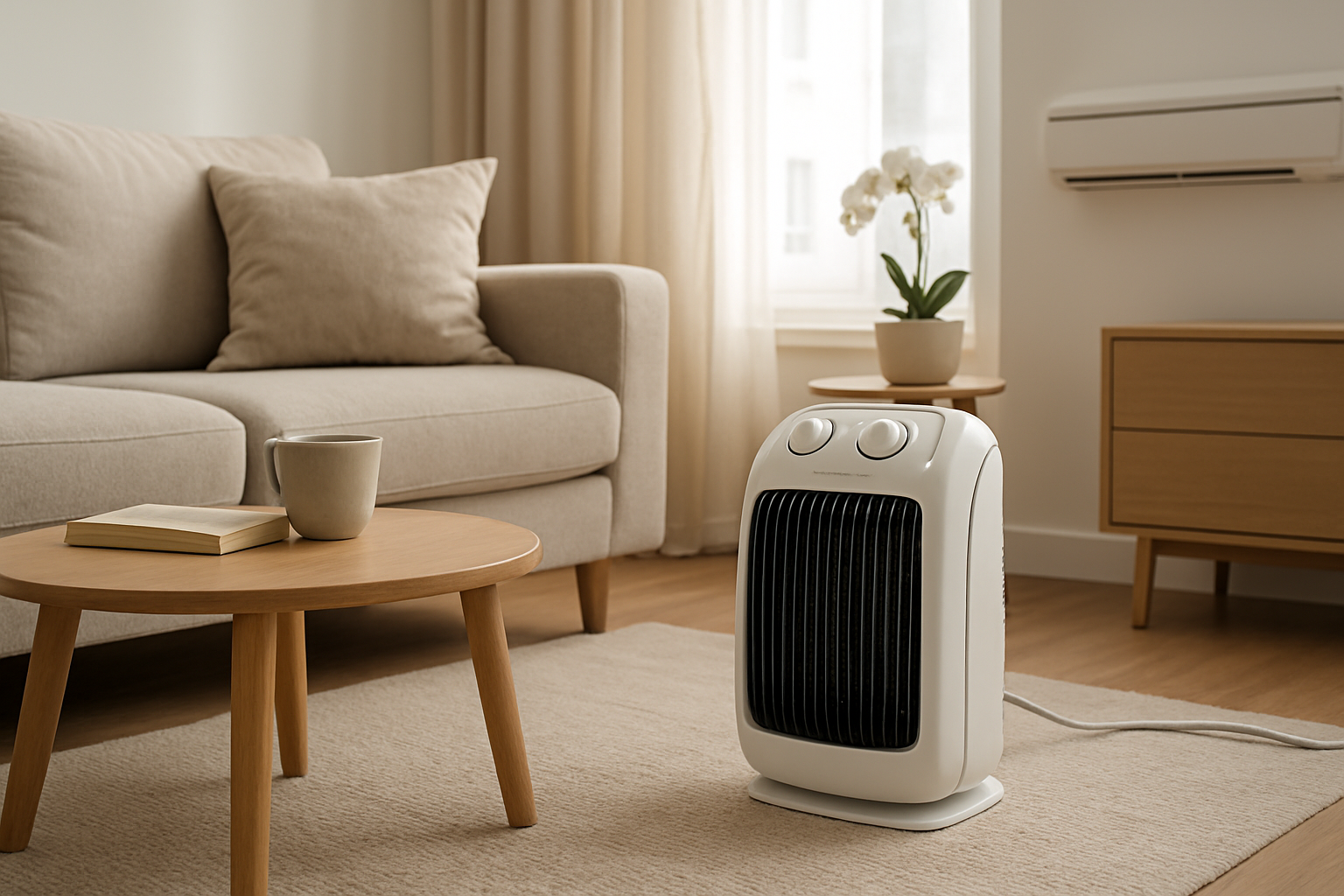
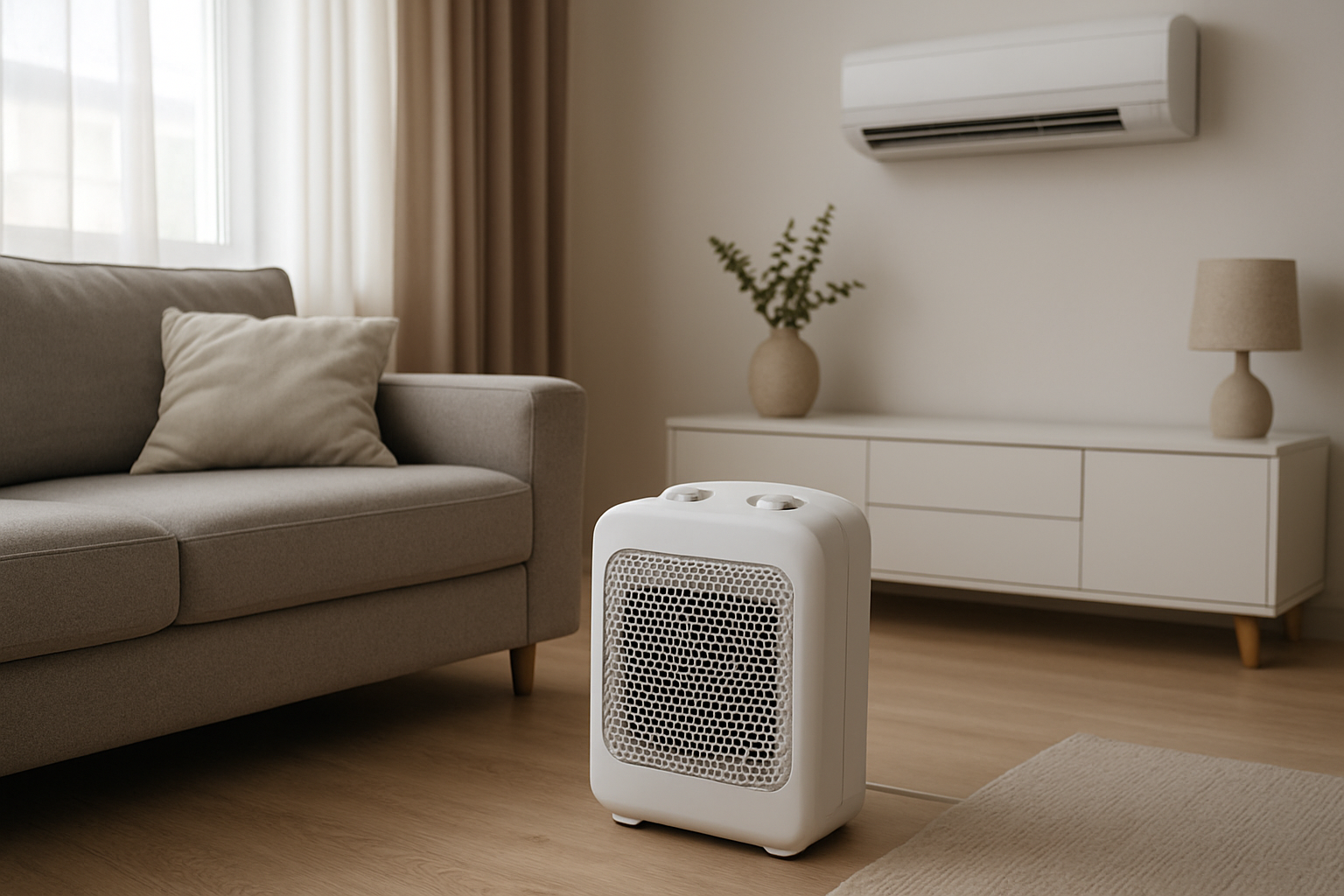
Diagnose why a portable heater warms the air but not the room, focusing on radiant heating limitations and how they affect overall room comfort and surface warmth.
Portable Heater Warms The Air But Not The Room? Here’s Why
Quick Answer
The most common reason a portable heater warms the air but not the room is radiant heating limitation: it heats the air near the unit, but the room still feels cold because walls, floors, windows, and furniture stay cold and keep pulling heat from your body. First check: measure air temperature at head height and then touch-test nearby surfaces; if they stay cold, the heater is not addressing surface losses.
Identify the Comfort Pattern First
Before blaming the heater, sort the symptom. The pattern tells you whether you are dealing with a normal limitation of radiant/spot heating versus a true equipment problem.
When it happens: Worse at night, early morning, or during windy weather usually points to cold surfaces from envelope heat loss. Midday improvement near sunny windows points to surface temperature swings, not heater output.
Where it happens: If you feel warm standing close to the heater but the rest of the room stays uncomfortable, you have a localized heat bubble with cold surfaces dominating the comfort feel.
System running vs off: If the central HVAC is off and you are relying on a portable heater, expect uneven comfort. If the central system is running and the room still feels cold, you may have an airflow/balancing issue layered on top, but surface temperature is still usually the driver of the complaint.
Constant vs intermittent: If it never stabilizes even after 60–90 minutes, the room is losing heat faster than the heater can warm the mass of the space. If it briefly feels better then goes back to cold, surfaces are re-cooling quickly (windows/walls) or cold air is washing in.
Doors open vs closed: If closing the door makes the room feel better quickly, you are fighting heat loss to the rest of the house through air exchange. If closing the door makes little difference, the dominant issue is cold room surfaces or high envelope loss to outdoors.
Vertical differences: If the air near the ceiling feels much warmer than at the floor, the heater is warming air that rises while the floor and lower wall surfaces stay cold, keeping you uncomfortable.
Humidity perception: If the air feels dry and chilly at the same time, that often means the air temperature is rising but mean radiant temperature (surface warmth) is low, so comfort does not improve proportionally.
Airflow strength: If a ceramic/fan heater feels warm only in the direct airflow path, you are experiencing spot heating. If it is an oil-filled radiator or panel heater, you may feel warm on one side of your body while the room still feels cold.
What This Usually Means Physically
Room comfort is not only the air temperature. It is the combination of air temperature and the average temperature of the surfaces around you (walls, windows, floor, ceiling, and large furniture). Technicians think in terms of mean radiant temperature: if surrounding surfaces are cold, your body loses heat to them, and you feel chilled even when a thermometer says the air is warmer.
A portable heater usually adds heat in a small area. It can quickly warm a thin layer of air near the unit, but it does not quickly warm the thermal mass of the room. Cold surfaces absorb heat continuously. Windows are the most common culprit because glass stays cold and also creates a cold downward wash of air (convective draft) that replaces warmed air in the occupied zone.
This is why the air can feel warm near the heater while the room still feels cold overall: the heater is raising local air temperature, but the room’s surfaces remain a heat sink. In spaces with high heat loss (poor insulation, leaky windows, exterior walls, uninsulated floors over garages/crawlspaces), the heater output is spent offsetting ongoing losses instead of warming the room’s mass.
Air stratification adds to the problem. Warm air rises and collects at the ceiling. If there is limited mixing, the thermostat in your brain (your skin) is still exposed to cooler air and colder surfaces in the lower part of the room. The result is a warm ceiling, a cold floor, and a room that never feels settled.
Most Probable Causes (Ranked)
Cold surfaces dominating comfort (mean radiant temperature is low): Air near the heater feels warm, but you still feel chilled when you sit still. Windows, exterior walls, and floors feel cold to the touch.
High heat loss through windows and infiltration: You feel a cold wash near windows or along baseboards. The heater runs constantly but the room never becomes uniformly comfortable.
Stratification: warm air at ceiling, cold at floor: Ceiling area feels noticeably warmer than the seating level. Comfort improves briefly when you stand near the heater but not when you sit.
Heater is effectively spot heating, not room heating: Comfort is good only in the direct line-of-sight of a radiant element or in the direct fan stream of a ceramic heater.
Capacity mismatch for the room’s actual load: The room is large, has tall ceilings, many windows, or is an add-on space. Even with the door closed, temperature rise is slow and stalls.
Heater placement amplifies surface losses: Heater is placed near a cold window or on an exterior wall, so much of its output goes to warming the coldest boundary instead of the occupied zone.
How to Confirm the Cause Yourself
These checks rely on observation and basic comparisons. They are designed to separate cold-surface discomfort from a heater that is underperforming.
Air vs surface check: After the heater has run 30 minutes, compare how warm the air feels at head height (center of room) versus how cold the window glass, exterior wall, and floor feel by hand. If the air feels warmer but those surfaces still feel cold, the discomfort is surface-driven, not a heater failure.
Comfort changes with distance: Stand 2–3 feet from the heater for 5 minutes, then move to the seating area. If comfort drops quickly away from the heater, you are experiencing localized heating with cold surrounding surfaces.
Window draft check: Sit near the window area for 2 minutes, then move to an interior wall area. If you feel a consistent cool wash near the window even when the heater is running, the window is driving convective cooling and the heater is fighting a moving target.
Floor-to-ceiling stratification check: Put your hand at ankle height and then at shoulder height in the same spot. If shoulder-height air is much warmer, you are heating the top of the room while the occupied zone stays cooler.
Door position test: Run the heater for 20 minutes with the door closed, then 20 minutes with the door open. If closed door helps a lot, the heater is being diluted by air exchange with the rest of the home. If it does not help much, the room’s surfaces/outdoor losses are the primary issue.
Time-to-improvement test: In a reasonably tight room, you should feel a meaningful improvement in the occupied zone within 30–60 minutes. If it never stabilizes, you are likely dealing with high heat loss or an oversized space for the heater’s output.
Normal Behavior vs Real Problem
Normal behavior: Portable heaters commonly create a warm zone near the unit while the rest of the room lags. In rooms with cold windows, exterior walls, or uninsulated floors, you can have warm air but still feel chilled because surfaces remain cold. Some stratification is also normal, especially in rooms with high ceilings.
Likely a real problem: The heater runs continuously and the room air temperature in the center of the room barely rises after an hour, or the space feels persistently drafty even with windows closed. Also concerning is when comfort varies dramatically with wind, suggesting significant infiltration, or when only one room is chronically uncomfortable compared to adjacent rooms, indicating a localized envelope weakness.
When Professional Service Is Needed
Persistent discomfort after basic tests: If the door-closed test, relocation, and draft checks still leave the room uncomfortable after 1–2 hours of operation, the room likely has envelope leakage or insulation gaps worth diagnosing professionally.
One-room chronic cold complaint: If this room is consistently colder than others even with central heat running, a technician should check supply/return imbalance, duct leakage, and pressure-driven infiltration that can keep surfaces cold.
Suspected severe infiltration: Noticeable cold air movement at trim, outlets, or window frames points to air sealing needs. A pro can verify with pressure diagnostics and targeted leakage inspection.
Any safety indicator from the heater: Burning smell that persists, repeated shutdowns, tripped breakers, discolored outlet, or scorch marks require stopping use and having electrical or appliance professionals evaluate the setup.
How to Prevent This in the Future
Address the cold surfaces first: Use insulating window coverings at night and focus on reducing radiant loss to glass. The goal is to raise surface temperatures so the room feels warmer at the same air temperature.
Stop drafts that cool surfaces and people: Seal obvious leakage paths around window trim, door sweeps, and penetration points. Reduced infiltration lowers heat loss and reduces the cold wash effect.
Improve mixing to reduce stratification: Gentle air movement can bring ceiling heat back into the occupied zone. The objective is not strong airflow, but breaking the warm layer at the top.
Place the heater based on comfort physics: Put the heater closer to the occupied zone and away from the coldest boundary (often the window). If you must heat near a window, use a barrier like a heavy curtain to reduce radiant loss.
Match heat source to the load: Large rooms, sunrooms, and rooms over garages often need more than spot heating. If the room has persistent cold surfaces, improving the envelope typically produces better comfort than adding more portable heat.
Related Home Comfort Symptoms
Room feels cold even when thermostat says 72: Often low mean radiant temperature from cold windows/walls.
Warm ceiling, cold floor in winter: Stratification and poor mixing, often paired with cold exterior surfaces.
Drafts near windows even when closed: Convective downdrafts and infiltration driving comfort complaints.
Space heater only helps when you stand in front of it: Spot heating with cold surrounding surfaces.
One room always colder than the rest of the house: Localized envelope weakness or airflow imbalance.
Conclusion
If your portable heater warms the air but the room still feels cold, the most probable explanation is not a broken heater. It is radiant heating limitation: cold windows, walls, and floors stay cold and continue pulling heat from your body while the heater only creates a warm air pocket. Confirm by comparing warm air at head height to cold surfaces and by checking for stratification and window wash. If the room cannot stabilize after 1–2 hours, focus on reducing surface losses and infiltration, or have the room evaluated for envelope and airflow issues.
Frequently Asked Questions
Why do I feel cold even though the room thermometer shows a higher temperature?
Because comfort depends on both air temperature and surrounding surface temperature. If windows, exterior walls, and floors are cold, your body loses heat to them by radiation and convection, so you feel chilled even when the air temperature is rising.
Why is it warmer near the heater but not across the room?
A portable heater often heats a limited zone. The air warms locally and rises, while the rest of the room is still influenced by cold surfaces and heat loss at the perimeter. Without warmer surfaces and better mixing, the comfort improvement stays confined to the area near the heater.
Does a radiant or oil-filled heater heat a room differently than a fan heater?
Yes. Radiant-style heaters can make you feel warmer in their line-of-sight but may not quickly raise overall room temperature. Fan heaters can raise local air temperature faster but still struggle to overcome cold surfaces and perimeter heat loss. Either type can produce warm air without the room feeling comfortable if surfaces stay cold.
Why does the floor stay cold even when the air feels warm?
Warm air rises and collects near the ceiling. If the floor is over an uninsulated space or on an exterior slab, it remains a strong heat sink. You can end up with comfortable air higher up and a cold occupied zone at seating and floor level.
What is the first change that usually makes the biggest comfort difference?
Reducing the cold-surface effect at windows, especially at night. Improving window insulation and limiting drafts typically raises mean radiant temperature and reduces the cold wash that defeats portable heat, making the same air temperature feel noticeably more comfortable.
Need a complete overview? Visit the full troubleshooting guide here: Read the full guide for more causes and fixes.
What feels like warm air drifting in, but not the room catching up, has a certain unfairness to it. The heater does its job in the moment, yet the surroundings keep acting like they didn’t get the memo.
There’s a quiet shift in how you judge comfort after that realization. You stop expecting one little box to do everything at once, and the space finally starts to make sense—even when it still feels stubbornly cool in the corners.