Learn how to diagnose and fix a thermostat that ignores programmed schedules due to programming failures or internal clock reset issues.
Thermostat Ignores Programmed Schedules? Control Fault
Quick Answer
If your thermostat is not following its schedule, the most likely cause is a programming failure or an internal clock reset from a power interruption, weak batteries, or a thermostat control fault. First check: verify the thermostat time and day are correct, then review the schedule to confirm it is still stored and active (not overridden by Hold or Away mode).
Identify the Comfort Pattern First
Before changing settings, sort what you are actually seeing. These patterns separate a simple scheduling issue from a thermostat fault.
When it happens: Does the schedule fail after a power outage, after a storm, or at the same time every day (for example, it misses the morning setback but hits the evening one)?
Constant vs intermittent: Is it ignoring all programmed periods every day, or only occasionally reverting to one temperature?
System running vs off: When the schedule is supposed to change, does the thermostat display change setpoint but the equipment does nothing, or does the thermostat never change the setpoint at all?
Where it happens: Whole-home temperature stays wrong (thermostat location drives the complaint) versus only some rooms are uncomfortable (more likely airflow/duct issue, not scheduling).
Doors open vs closed: If bedrooms change a lot with doors closed, that points to airflow balance. A true schedule failure will show the wrong setpoint at the thermostat regardless of door position.
Vertical differences: If the thermostat reads close to correct but upstairs is much hotter/colder at schedule change times, that is stratification/solar gain, not a missed schedule.
Humidity perception: If humidity feels worse only when the system runs longer than expected, that can happen because the thermostat stayed at an unintended setpoint or never set back.
Airflow strength: Weak airflow at vents does not cause the thermostat to ignore schedules; it causes slow recovery. Clarify whether the problem is wrong setpoint timing or slow temperature change.
What This Usually Means Physically
A scheduled thermostat is a timing device first and a temperature controller second. If its internal clock is wrong, resets to a default time, or loses stored program steps, it will call for heating or cooling at the wrong times or not change the setpoint at all. That drives real comfort problems because the house’s heat loss and gain are time-dependent.
Heat loss: Overnight setbacks work because outdoor temperature is lower and the building loses heat faster. If the thermostat fails to recover on time, occupants feel cold at wake-up even if the system is otherwise capable.
Solar gain: Midday sun can add significant heat to south/west rooms. If the thermostat fails to shift to the higher cooling setpoint or lower heating setpoint on schedule, those rooms swing harder.
Air stratification: If the thermostat runs the system longer than intended due to a stuck schedule, warm air stratifies at ceilings in heating season and cool air pools low in cooling season, exaggerating floor-to-ceiling differences.
Humidity load: In cooling mode, a missed schedule can increase runtime and over-dry the air, or reduce runtime and allow humidity to climb. Comfort complaints often show up as sticky mornings or overly dry nights rather than just temperature.
Sensor and control logic: Even when the equipment is fine, the thermostat’s clock, memory, or mode logic (Hold/Away/Vacation) can lock the home into the wrong setpoint. The physical result is steady-state comfort at the wrong target.
Most Probable Causes (Ranked)
Hold, Away, Vacation, or Temporary Override is active: Diagnostic clue: display shows Hold, Temporary, Away, Eco, or a hand icon; setpoint does not change at programmed times.
Clock reset after power interruption or brief voltage drop: Diagnostic clue: time/day is wrong or reverted; schedule changes occur at incorrect hours or not at all after storms/outages.
Weak or missing batteries in a battery-backed thermostat: Diagnostic clue: dim display, low battery indicator, or clock drifting; schedule fails after a furnace cycle or power glitch.
Schedule not actually enabled (run schedule turned off): Diagnostic clue: thermostat is in Manual mode; programming exists but is not being executed.
Corrupted program memory or firmware glitch: Diagnostic clue: schedule randomly clears, periods revert to defaults, or thermostat reboots; behavior is intermittent and not tied to user input.
Incorrect day grouping or period assignment: Diagnostic clue: weekdays work but weekends do not (or vice versa); schedule steps were entered under a different day block.
Wi‑Fi/app sync conflict (smart thermostats): Diagnostic clue: schedule looks correct on the thermostat but app shows different values, or settings revert after internet reconnect.
Installation/wiring issue affecting power stability (C-wire problems): Diagnostic clue: thermostat restarts when equipment starts, screen flickers, or Wi‑Fi drops; often seen after thermostat replacement.
How to Confirm the Cause Yourself
These checks rely on observation and basic interaction with the thermostat. Do not open equipment panels.
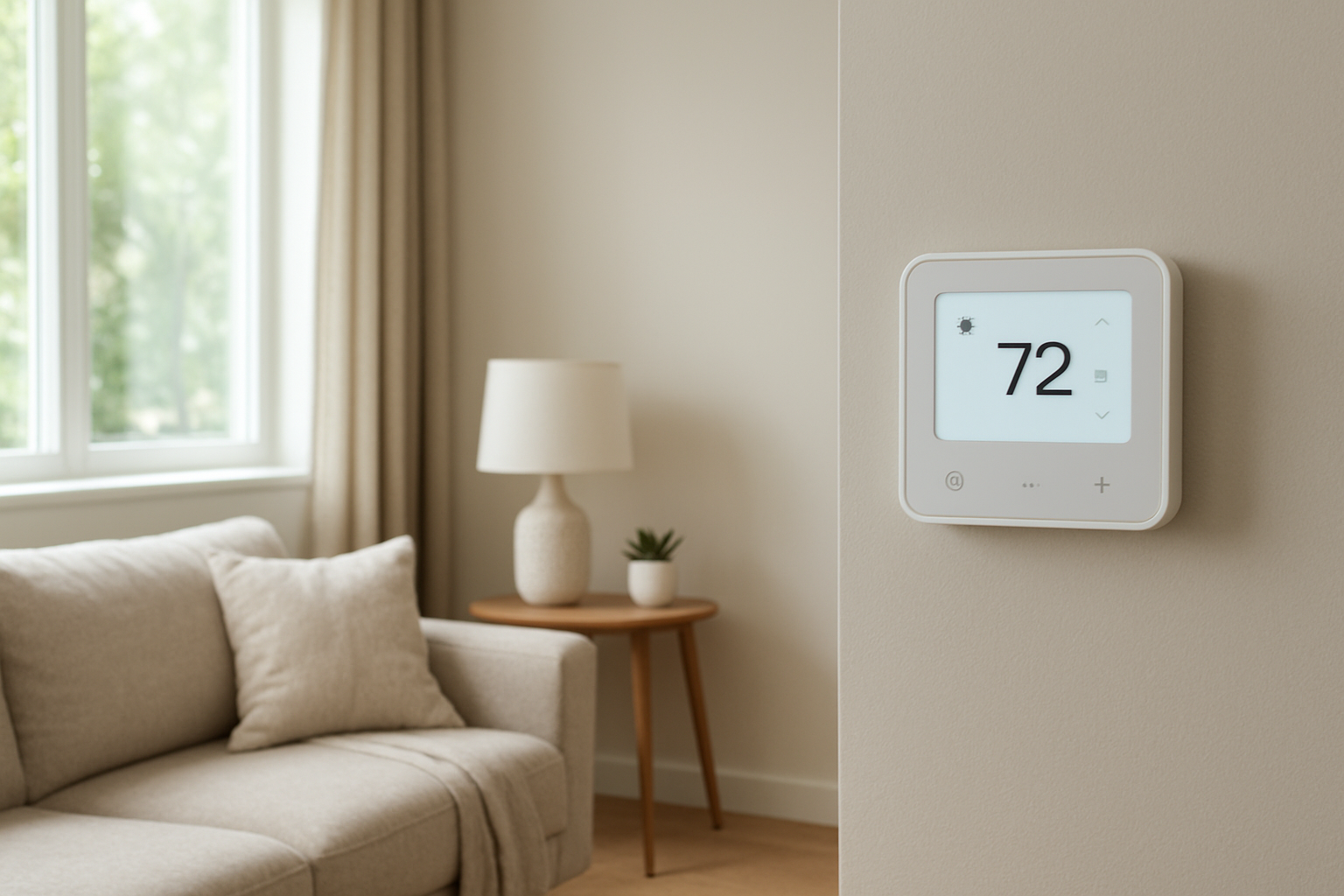
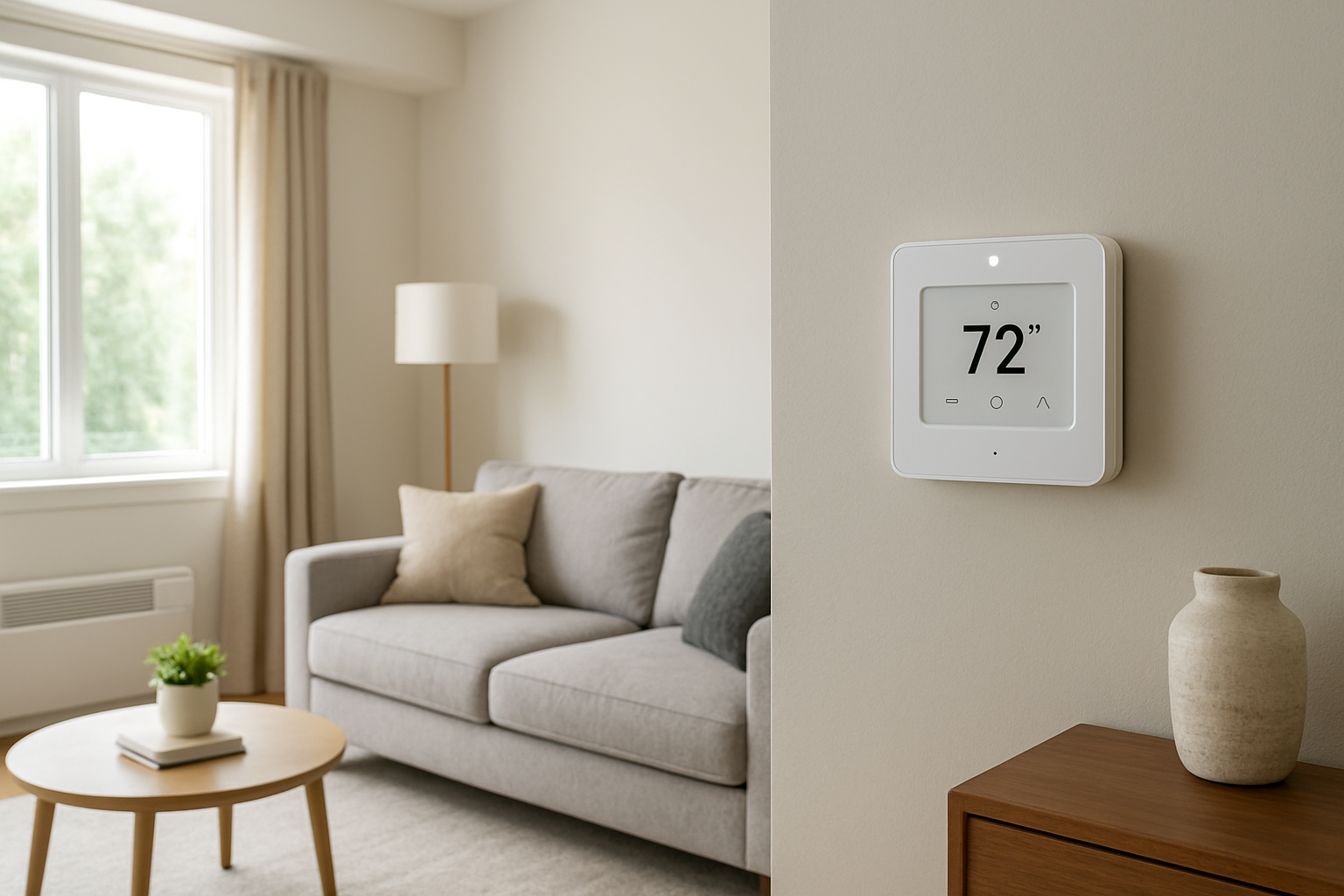
Check the thermostat time and day: Compare to a phone clock. If it is off by more than 5 minutes, or the day is wrong, your schedule timing will be wrong even if programming is correct.
Watch a scheduled change: Pick the next scheduled setpoint change and be present. Confirm whether the displayed setpoint changes exactly at the programmed time. If it does not, you are dealing with schedule execution, not HVAC capacity.
Look for override indicators: On the home screen, identify Hold/Temporary/Away/Eco/Vacation. Cancel it and confirm the thermostat returns to Run Schedule or Auto Schedule mode.
Power interruption correlation: Note whether the problem started after an outage or breaker trip. If yes, and the clock is wrong, that strongly supports an internal clock reset event.
Battery check (if accessible): If the thermostat uses batteries, replace them with fresh alkaline batteries, then re-check time accuracy over the next 48 hours. If the clock stays correct and the schedule resumes, the failure was battery/backup related.
Schedule presence test: Open the schedule menu and verify the programmed periods are still there for the correct days. If entries are missing or reverted, suspect memory/firmware issues.
Smart thermostat sync test: If you use an app, change one schedule point by 1 degree at the thermostat, then check the app after 2–5 minutes. If it reverts back, suspect app automation, geofencing, utility demand response, or cloud sync overrides.
Control vs equipment separation: If the setpoint changes correctly but the house does not respond, check whether the system is running (sound/airflow). A schedule problem is the thermostat not changing setpoints; a performance problem is slow or no temperature change after the setpoint changes.
Normal Behavior vs Real Problem
Normal: A temporary override that holds until the next scheduled period; a short delay before equipment starts (built-in anti-short-cycle timing); slower recovery on extreme weather days even though the setpoint changes on time.
Real problem: Thermostat time/day repeatedly wrong; schedule periods disappear or reset; setpoint never changes at scheduled times; thermostat restarts or screen flickers; schedule works some days but not others without any change in settings; app-controlled settings keep overwriting your local schedule.
A key distinction: if the thermostat display does not change setpoints at the programmed time, the issue is almost always in the thermostat control logic, clock, power backup, or a user-mode override. Airflow, ducts, and insulation do not prevent the setpoint from changing on the screen.
When Professional Service Is Needed
Repeated clock resets: Time/day resets more than once after you correct it, especially without a known outage.
Thermostat reboots or flickers: Any restart behavior, blanking screen, or intermittent display issues suggest power stability or thermostat failure.
Schedule corruption: Program disappears or returns to factory defaults after being saved.
Smart thermostat conflicts you cannot isolate: If geofencing, utility programs, or automation rules keep changing settings and you cannot disable them.
Comfort impact with system damage risk: If the system short cycles, runs continuously due to stuck setpoints, or you cannot maintain safe indoor temperatures during heat/cold.
A technician will typically verify thermostat power (including C-wire stability), check control voltage behavior during equipment starts, confirm equipment staging calls, and determine whether replacement or wiring correction is required.
How to Prevent This in the Future
Replace thermostat batteries on a schedule: If your model uses batteries, replace annually before peak heating/cooling season.
After any outage, verify time/day: A 30-second check prevents weeks of comfort drift caused by a wrong clock.
Use one control authority: Avoid competing schedules between thermostat, app automations, home assistants, and utility demand response settings.
Lock in the schedule mode you intend: Ensure Run Schedule is enabled and avoid leaving the system in permanent Hold unless that is the goal.
If upgrading to a smart thermostat, ensure stable power: Models that rely on continuous power behave best with a proper common wire connection instead of power stealing.
Related Home Comfort Symptoms
Thermostat time keeps changing or drifts
Thermostat stuck on Hold and won’t resume schedule
House too hot or too cold only at predictable times (morning/evening)
System runs at night when it should be set back
Smart thermostat settings keep changing by themselves
Conclusion
When a thermostat ignores programmed schedules, the highest-probability explanation is a control-side failure: the thermostat is not executing the schedule because it is overridden, its internal clock is wrong, or it has reset or lost its program due to power/battery/firmware issues. Confirm by checking time/day accuracy and watching the next scheduled setpoint change. If the clock or schedule will not hold, plan for professional diagnosis or thermostat replacement.
Frequently Asked Questions
Why does my thermostat show the right schedule but never changes the temperature?
If the thermostat display never changes setpoints at scheduled times, it is not running the schedule. The most common reasons are an active Hold/Away/Vacation mode or the schedule is turned off (Manual). If the setpoint does change but the equipment does not respond, that is a separate issue involving equipment control or performance.
Can a brief power outage really mess up my thermostat schedule?
Yes. Many thermostats will reset the clock after a power interruption if their battery backup is weak or missing. Even if the programmed periods remain stored, a wrong clock shifts all schedule events, which feels like the thermostat is ignoring the program.
My thermostat follows the schedule on weekdays but not on weekends. What does that indicate?
That pattern usually points to an incorrect day grouping or periods entered under the wrong day block (for example, weekdays programmed but weekend schedule left at defaults). It is less consistent with a hardware failure unless the clock/day itself is drifting or wrong.
Why do my settings keep changing back after I fix them?
On smart thermostats, app automations, geofencing, utility demand response, or another user account can overwrite local changes. If changes revert within minutes to hours, check for enabled automations and whether the thermostat is set to follow an app-based schedule instead of its internal schedule.
How do I know if it is the thermostat or my HVAC system?
Watch the thermostat at the scheduled change time. If the setpoint does not change, it is a thermostat scheduling/clock/override problem. If the setpoint changes correctly but the indoor temperature does not move appropriately over the next 1–2 hours, then you are looking at HVAC performance, airflow, or building load issues instead of scheduling.
Need a complete overview? Visit the full troubleshooting guide here: Read the full guide for more causes and fixes.
There’s a strange kind of relief in watching the schedule actually behave, like the house finally remembered what it was supposed to do. No more tiny battles with the thermostat’s sense of time—just a calmer, more predictable rhythm.
Control faults have a way of making everything feel slightly out of sync, even when the rest of life’s running fine. When the behavior shifts back into place, it’s not dramatic, but it’s satisfying in that quiet, daily-annoyance sort of way.