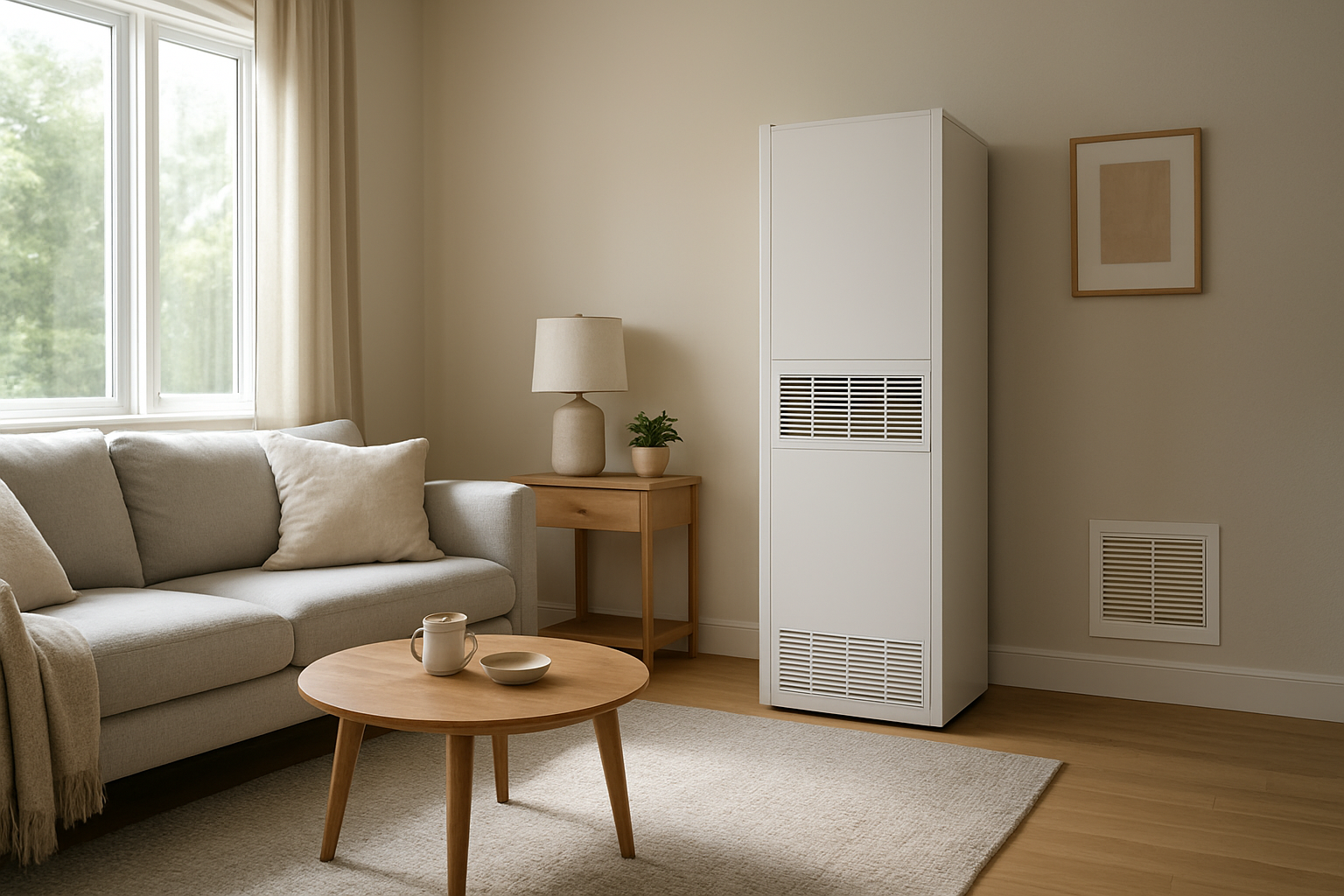
Learn how to diagnose and fix a heat pump making a soft rattling noise, often caused by a loose internal panel or mounting vibrating during operation.
Heat Pump Making A Soft Rattling Noise? Something May Be Loose
Quick Answer
A soft rattling from a heat pump is most often vibration from a loose panel, grille, bracket, or mounting point resonating when the unit runs. First check: stand near the outdoor unit during operation and lightly press on different cabinet panels and the fan guard. If the rattle changes or stops with light pressure, you’ve likely found the loose piece.
Identify the Comfort Pattern First
Before chasing parts, sort the complaint by pattern. A vibration rattle typically follows load and airflow conditions, and it often correlates with comfort changes inside.
When it happens: Note if it appears on windy days, during colder mornings, or when the unit first starts and ramps up. Loose panels often rattle most at specific fan or compressor speeds, not continuously.
Where you hear it: Determine if it’s loudest at the outdoor unit, at the indoor air handler/return grille, or transmitted through a wall into one room. A cabinet rattle is usually most obvious within 3–10 feet of the source.
Running vs off: If the rattle only exists when the system is running (especially during ramping), it points to vibration. If it continues after shutoff, suspect something else like a settling duct or unrelated building noise.
Constant vs intermittent: A loose panel often produces an on-and-off rattle that comes and goes as the fan speed changes or as the cabinet warms and slightly shifts.
Changes with doors open/closed: If closing a bedroom door makes the sound more noticeable in that room, you may be hearing structure-borne vibration traveling through framing, not a problem inside that room.
Vertical differences: Check if upstairs feels slightly stuffier or warmer while the noise is present. When a panel is loose, airflow performance may still be fine, but vibration can coincide with defrost cycles or higher output where stratification becomes more noticeable.
Humidity perception: If the home feels clammy in cooling mode at the same time you hear the rattle, that suggests the system may be short-cycling or operating atypically. A simple loose panel alone rarely changes humidity.
Airflow strength: Confirm whether supply airflow at vents feels normal. A vibration rattle with normal airflow and stable indoor temperature usually stays a mechanical nuisance rather than a comfort failure.
What This Usually Means Physically
A heat pump creates vibration from two main sources: the compressor and the fans. Under normal conditions, that vibration is isolated by rubber mounts and a rigid cabinet. When an internal panel, fan guard, service door, top plate, or mounting bracket loosens, the cabinet becomes a resonator. At certain operating speeds, the vibration frequency lines up with the natural frequency of a thin panel or bracket and it chatters.
This matters to comfort because the same operating conditions that increase vibration are the conditions when the heat pump is working harder. In heating, colder outdoor temperatures and defrost events drive higher compressor output and fan changes. In cooling, high outdoor heat and higher indoor load can increase fan speed and compressor modulation. The unit may still deliver normal heating or cooling, but the noise is a physical sign that something is moving when it should be fixed in place. If the looseness worsens, vibration can start affecting refrigerant lines, wire harnesses, or contact points, which can eventually show up as performance instability.
Most Probable Causes (Ranked)
Loose outdoor cabinet panel or service access door: Rattle starts when the compressor ramps and stops when you press on a specific panel edge or corner.
Loose fan guard or top grille: Noise is strongest near the fan discharge; it may change noticeably when wind blows across the top of the unit.
Vibrating line set or electrical whip touching the cabinet: Rattle sounds like tapping; it often stops if you gently steady the exposed tubing/line cover area (without bending anything).
Loose mounting hardware at the base (pad, feet, wall bracket): Sound transmits into the house structure more than it seems to come from the cabinet itself; you may feel a faint vibration through the wall near the unit.
Indoor air handler panel or filter door not seated: Rattle is louder indoors near the return; it may change when the blower changes speed or when you press on the front panel.
How to Confirm the Cause Yourself
These checks are observation-only. Do not remove panels or reach into the unit. Keep hands clear of the fan discharge and any moving parts.
Pinpoint the source location: With the system running, listen at the outdoor unit, then at the indoor unit/return grille. The loudest point is usually closest to the loose component.
Light-pressure panel test: On the outdoor unit cabinet, use two fingers to apply light pressure to one panel at a time (service door, side panels, corner seams, top edge). If the rattle stops or changes pitch, that panel or its fasteners are the likely cause.
Fan-speed transition check: Note whether the rattle happens only during ramp-up/ramp-down or defrost. Vibration rattles often appear at one repeatable operating speed rather than all the time.
Wind sensitivity check: If rattling increases with gusts, suspect the fan guard/top grille or a slightly bowed panel edge. Calm-day quiet and windy-day rattle is a strong clue.
Structure transmission check: Stand inside near the wall closest to the outdoor unit. If the sound is more of a buzz in the wall than a clear rattle outside, suspect mounting/bracket looseness or lines contacting framing.
Comfort cross-check: While the noise is present, confirm indoor performance is stable: supply air feels consistent, room temperatures don’t drift quickly, and the system doesn’t start/stop rapidly. Normal comfort with a rattle supports the loose-panel diagnosis.
Normal Behavior vs Real Problem
Normal behavior: A brief, soft tick or light plastic-like sound at startup or shutdown can be normal as panels thermally expand and refrigerant pressures equalize. Some units also make a short whoosh during defrost transitions.
Likely malfunction: A repeatable rattle that persists throughout most of a run cycle, gets louder over days, or can be altered by lightly pressing a panel is not normal. A rattle that correlates with indoor comfort changes, short cycling, or weak airflow is also not something to ignore, because it suggests the vibration may be secondary to a developing operational issue.
When Professional Service Is Needed
The rattle is present every cycle and does not change with light pressure on any accessible panel areas.
Noise is getting louder or spreading from a soft rattle to a harsher metallic clatter, indicating increasing looseness or contact with moving parts.
You notice comfort impact such as rooms drifting from setpoint, longer runtimes than normal for the weather, or new temperature imbalance that wasn’t present before.
Any performance decline such as airflow reduction, frequent defrosting, or frequent starts and stops.
Any safety indicators like burning smell, tripped breakers, visible wire wear, or refrigerant/oil staining around the outdoor unit.
How to Prevent This in the Future
Keep the outdoor unit stable: Ensure the pad is level and not rocking. A unit that settles unevenly over seasons increases cabinet and line vibration.
Maintain clearance and reduce wind buffeting: Proper spacing around the unit reduces turbulent airflow that can excite loose grilles and panels.
Replace filters on schedule: Stable airflow reduces rapid blower speed changes that can trigger panel resonance indoors.
After storms or service work: If a new rattle appears right after high winds, hail, or maintenance, suspect a shifted panel or fastener and address it early before vibration loosens more hardware.
Schedule routine inspection: During maintenance, ask for a vibration and mounting check, including panel fitment and line set contact points.
Related Home Comfort Symptoms
Buzzing or humming at the outdoor unit that changes with compressor speed
Vibration felt in a nearby room wall when the heat pump runs
Intermittent ticking near the indoor return when the blower ramps
New noise during defrost without a change in room temperature
Rattling that starts after windy weather or after landscaping work near the unit
Conclusion
A soft rattling heat pump is most commonly a loose panel, grille, bracket, or mounting point vibrating at certain operating speeds. Use the pattern and the light-pressure test to localize the source. If the rattle is repeatable, worsening, transmitted strongly into the structure, or paired with comfort or performance changes, schedule service to secure the loose component and verify nothing is contacting the fan, refrigerant lines, or electrical hardware.
Frequently Asked Questions
Can a loose panel rattle affect heating or cooling performance?
Usually it’s a noise-only issue. However, ongoing vibration can loosen other fasteners or cause lines and wiring to rub, which can eventually create operational problems. If comfort or runtime changes at the same time as the rattle, treat it as more than a nuisance.
Why does the rattling only happen at certain times of day?
Vibration rattles often occur at specific compressor or fan speeds, and those speeds depend on load. Cooler mornings in heating or hotter afternoons in cooling can push the unit into a different operating range where a loose panel resonates.
Is rattling during defrost normal?
A brief change in sound during defrost can be normal, but a distinct rattle is typically still vibration from something loose. If it’s repeatable every defrost and you can change it by lightly pressing a panel area, it’s likely a mechanical looseness rather than normal defrost noise.
What if the noise seems to come from inside the house, not the outdoor unit?
Check the indoor air handler door, filter access panel, and nearby duct connections for vibration. Also consider structure transmission: an outdoor mounting or line contact point can send vibration through framing and make it seem like the noise is indoors.
Should I tighten screws on the outdoor unit myself?
If you can clearly identify an exterior cabinet screw that is visibly loose and fully accessible, tightening may help, but avoid removing panels or reaching near moving parts. If the rattle source is unclear, persistent, or sounds metallic near the fan area, professional service is the safer next step.
Need a complete overview? Visit the full troubleshooting guide here: Read the full guide for more causes and fixes.
That faint little rattle has a way of getting under your skin, even when everything seems otherwise fine. The good news is the mystery usually isn’t dramatic—more like something minor that finally admits it needs attention.
There’s a weird kind of relief when the sound settles and the unit goes back to doing its job without the soundtrack. Small noises fade fast once the loose piece stops dancing.