Diagnose and fix damp or musty odors from your AC by addressing trapped moisture and microbial growth inside the system. Prevent recurring smells and improve air quality.
AC Smells Damp Every Time It Starts? Moisture Is Trapped Inside
Quick Answer
A damp or musty smell right at AC startup is most often caused by moisture staying on the indoor coil or in the drain pan, allowing microbial growth. First check: remove the return grille/filter and smell the air at the return when the blower starts. If the odor is strongest at the return for the first 30 to 120 seconds, the source is almost always the indoor air handler cabinet, coil area, or drain system.
Identify the Comfort Pattern First
Before assuming it is the whole house, pinpoint when and where the odor originates. These patterns separate trapped moisture in the AC from other odor sources.
Only at startup, then fades: Classic for wet coil or drain pan odor being blown off when airflow begins.
Stronger after the AC has been off for hours (morning or after work): Moist surfaces sit warm and wet, giving microbes time to produce odor.
Happens in cooling mode but not in heating (for heat pump systems): Points to cooling coil condensate, not duct dust or general “house smell.”
Odor seems to come from specific supply vents, but the return area smells worse: Source is usually the air handler/coil; vents are just distributing it.
Odor is worse on humid or rainy days: Higher indoor and outdoor humidity increases condensate and slows drying.
Airflow feels weak when the odor occurs: Reduced airflow makes the coil colder and wetter, increasing water retention and odor intensity.
Doors open vs closed changes odor strength in certain rooms: Closed rooms with poor return air paths can increase humidity and worsen coil sweating and odor distribution.
You also feel indoor humidity staying high: Suggests either airflow problems, drainage problems, or oversized cooling that short-cycles and leaves moisture behind.
What This Usually Means Physically
In cooling mode, the indoor coil is supposed to remove moisture from the air. Water condenses on the coil fins and drips into the drain pan, then exits through the condensate drain. When any part of that process fails to fully drain or dry, moisture stays inside the air handler.
Two things then happen:
Moisture retention: Water films remain on the coil, in the pan, or in fiberglass-lined cabinets/ductboard. When the system shuts off, the coil warms up but stays wet.
Microbial growth and odor release: Microbes do not need standing water; they thrive on damp surfaces with dust as food. When the blower starts, the first burst of airflow strips volatile compounds off the wet surfaces, causing the damp smell. As the coil gets colder, the odor often fades because the air is drier at the coil surface and the strongest burst has already occurred.
This is not a “dirty air” problem first. It is a moisture management problem inside the AC system. Fix the moisture retention and the odor usually disappears.
Most Probable Causes (Ranked)
1) Biofilm on the evaporator coil (most common): Odor is strongest for 30 to 120 seconds at startup, especially after long off cycles. Often worse in humid weather.
2) Stagnant water or slime in the condensate drain pan: Odor may be sharper near the indoor unit/closet. If water is sitting in the pan, the smell can persist longer into the run cycle.
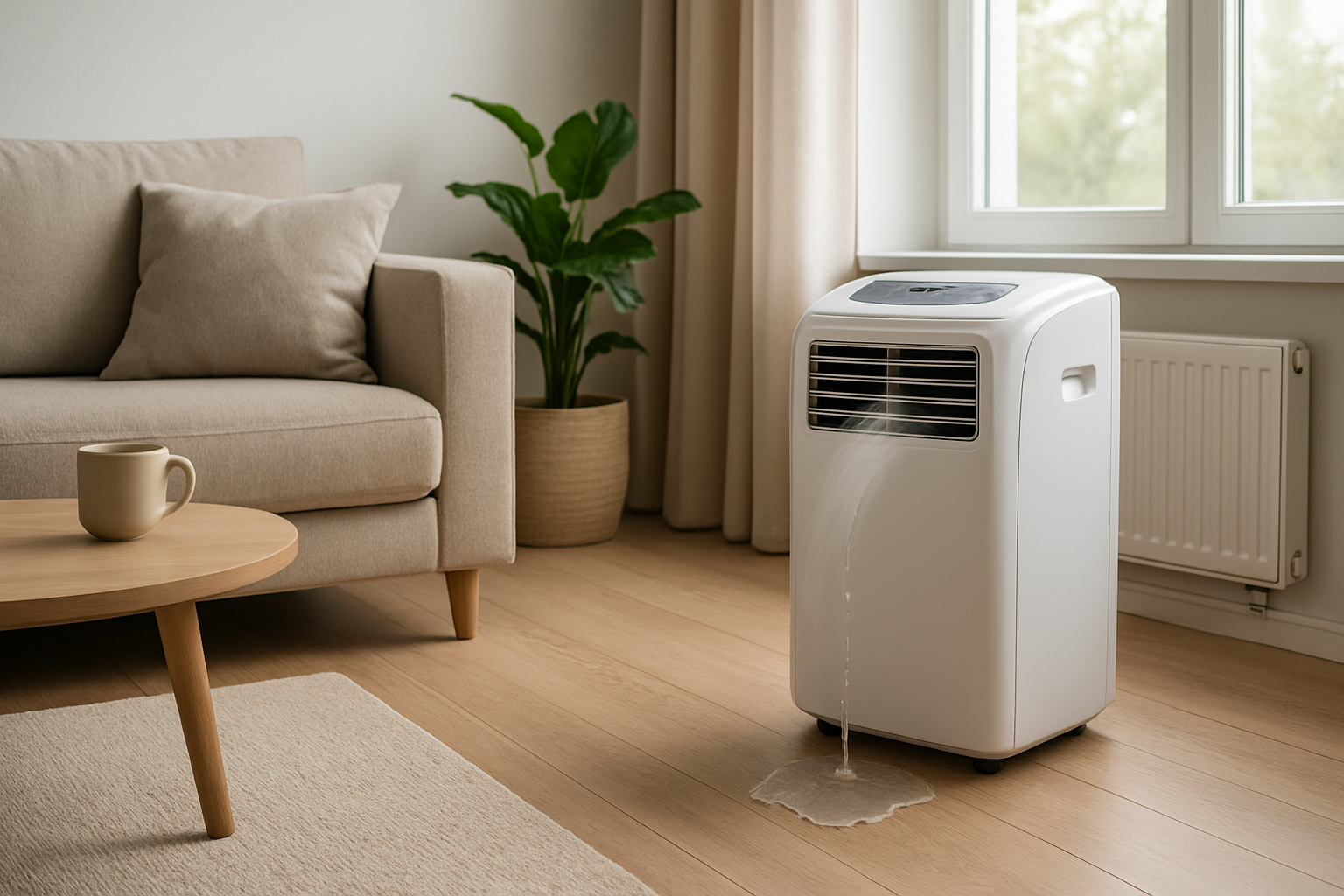
3) Partially clogged or poorly pitched condensate drain: Intermittent odor that gets worse over time. You may notice occasional dripping, overflow events, or a musty smell near the drain line outlet.
4) Airflow restriction causing excessive coil “wetness”: Dirty filter, matted coil fins, blocked return, or closed registers increase coil condensation and reduce drying. Clue is weak airflow and longer time to cool.
5) Oversized AC or short cycling leaving the coil wet between runs: The house cools quickly but feels clammy. Odor happens nearly every start because the system never runs long enough to stabilize moisture removal and drain well.
6) Leaky return drawing humid air from a basement, crawlspace, attic, or wall cavity: Odor can smell earthy. It may vary with wind or when doors/air handler closet doors are open.
7) Supply duct sweating or wet insulation near the air handler: Odor may be strongest at the closest supply vents and can persist longer. Often occurs when ducts run through very humid spaces.
How to Confirm the Cause Yourself
Use observation and simple pattern checks. Do not open sealed refrigerant components or electrical panels.
Return vs supply smell test: At startup, smell at the return grille and then at a nearby supply vent. If the return air is the strongest source, the issue is almost always in the air handler/coil area, not in room furnishings.
Time-to-fade check: Note how long the odor lasts. If it fades within about 2 minutes, coil biofilm is more likely. If it continues 5 to 15 minutes, suspect standing water in the pan or wet duct insulation.
Off-time sensitivity: Compare a restart after a short off period (10 to 20 minutes) versus after an overnight off period. If longer off time equals stronger odor, trapped moisture and microbial growth are strongly indicated.
Humidity feel check: On a day with the odor, assess whether the house feels cool but slightly clammy, especially in the afternoon. That pattern supports short cycling or airflow issues keeping the coil wet.
Airflow comparison: Compare airflow at multiple supply vents. If many vents feel weak, prioritize airflow restriction and coil wetting risk. If only one area is weak, consider duct issues or a local return problem affecting humidity balance.
Location check near the indoor unit: If your air handler is in a closet, basement, or attic access area, stand near it at startup. A concentrated damp smell there points to the coil, pan, or cabinet lining rather than whole-house sources.
Condensate discharge observation (if visible): If you can safely see where the condensate line drains (outside or to a plumbing connection), observe during a normal cooling run. No visible drainage after 15 to 30 minutes of cooling on a humid day can indicate a clogged drain, a drain issue, or insufficient dehumidification due to short cycling.
Normal Behavior vs Real Problem
Normal: A very faint, brief “cold air” smell that lasts a few seconds, especially at the first cooling cycle of the season, with no persistent musty odor and no humidity complaints.
Likely a real problem:
Repeatable damp smell at most startups during the cooling season.
Odor gets stronger with humidity or after long off periods.
Odor accompanies clammy indoor comfort or rising indoor humidity.
Airflow seems weaker than normal or some rooms cool poorly.
Any sign of water where it should not be around the indoor unit area (musty closet, stained ceiling below, wet cabinet base).
When Professional Service Is Needed
The odor persists more than 2 to 3 minutes into every cooling cycle despite a clean filter and normal airflow perception.
Indoor humidity stays high (comfortably cool but sticky) or you suspect short cycling.
Any evidence of condensate drainage problems such as overflow, water staining, or a musty smell concentrated at the air handler location.
Airflow is clearly reduced across many vents, suggesting coil restriction, blower issues, or duct problems that increase moisture retention.
Health sensitivity in the home combined with persistent microbial odors warrants a controlled inspection and cleaning approach, not trial-and-error sprays.
A technician should focus on coil condition, drain pan integrity and slope, trap configuration, static pressure/airflow, and return leakage, because those determine whether the system can shed moisture and dry between cycles.
How to Prevent This in the Future
Keep airflow stable: Use the correct filter type and replace it on schedule. Avoid restrictive filters if the system already has marginal airflow.
Keep the condensate path clean and draining: Ensure the drain line stays clear and the pan does not hold water. Recurrent clogs usually mean upstream sludge buildup at the coil/pan.
Avoid chronic short cycling: If cooling cycles are often under 10 minutes in hot weather and the house feels clammy, address sizing, controls, or airflow setup so the system can dehumidify and drain properly.
Limit humid air infiltration into returns: Keep return ducts and the air handler cabinet sealed so they do not pull air from damp basements, crawlspaces, or attics.
Do not rely on masking fragrances: Odor returns because the moisture source remains. The target is drying and drainage, not scent.
Related Home Comfort Symptoms
Cool but clammy rooms during AC operation
Musty smell stronger after rain or high outdoor humidity
Water stains near the air handler or ceiling below it
Weak airflow and longer cooling times
Allergies or irritation that worsen when the AC starts
One area smells musty more than others near the air handler or closest supply runs
Conclusion
A damp smell at AC startup is typically the signature of moisture staying inside the indoor unit long enough to support microbial growth, most often on the evaporator coil or in the drain pan/drain line. Use pattern checks to confirm it is strongest at startup and strongest at the return. If the smell is repeatable, lasts beyond a couple minutes, or coincides with high indoor humidity or weak airflow, the next step is a targeted inspection of coil cleanliness, drainage, and airflow performance.
Frequently Asked Questions
Why does the damp smell only happen when the AC turns on?
Because the odor compounds build up while the system is off and surfaces are warm and wet. The first burst of airflow releases those compounds from the coil, drain pan, or cabinet surfaces, so the smell is strongest at startup and often fades as the cycle continues.
Is this just a dirty filter problem?
Usually not. A dirty filter can contribute by reducing airflow and keeping the coil wetter, but the smell at startup typically comes from wet internal surfaces. If replacing the filter does not change the pattern within a day or two, the core issue is moisture retention at the coil/pan or a drainage/airflow fault.
What does it mean if the smell lasts the whole time the AC runs?
That suggests a continuing moisture source or distribution source, such as standing water in the drain pan, wet duct insulation, or a return leak drawing air from a damp space. Startup-only odors point more toward coil biofilm; extended odors point more toward constant wetness or a duct/cabinet material staying damp.
Can running the fan continuously fix it?
Continuous fan can reduce drying in many systems because it re-evaporates moisture off the coil back into the air after the compressor shuts off. If the odor is tied to moisture on the coil, continuous fan often makes humidity and odor persistence worse rather than better.
How can I tell if the smell is from the AC or from a basement/crawlspace?
Do the return-area test at startup. If the return air smells strongest immediately when the blower starts, the source is inside the air handler/coil area. If the smell is weak at the return but stronger in certain rooms or near floor-level openings, look for return leaks or pressure imbalances pulling humid, earthy air from adjacent spaces.
Need a complete overview? Visit the full troubleshooting guide here: Read the full guide for more causes and fixes.
When that first musty note fades, it’s not just the smell that feels different—it’s the whole room settling back into itself. The air stops feeling a little “stale,” and you get to move on with your day without the AC turning into that unwanted morning reminder.
There’s a quiet relief in knowing it won’t keep coming back the same way. Small comfort, sure, but it adds up—especially on the days you just want things to work and stay out of the way.