Learn why water sloshing sounds in a portable AC are usually normal, caused by condensate movement, and when unusual noises may indicate a problem.
Portable AC Sounds Like Water Sloshing — Normal Or A Problem
Quick Answer
Most of the time, water sloshing in a portable AC is normal condensate moving in the internal base pan as the unit cycles, tilts slightly, or the condenser fan splashes water for better heat rejection. First check: confirm the sound happens only while running or right after shutoff, and that cooling and airflow feel normal with no floor leaks.
Identify the Comfort Pattern First
Use the patterns below to sort normal condensate movement from an actual drainage or icing problem.
When it happens: More common on humid days, after cooking/showers, during rainy weather, or when the unit has been running 20–60 minutes and has had time to pull moisture out of the air.
Where it happens: Loudest at the unit itself, especially low in the cabinet near the floor. If you hear it across the room, the unit may be vibrating or sitting unevenly.
Running vs off: Normal slosh is usually during operation (fan/compressor on) or for a minute after shutoff as water drains back into the pan. Slosh hours after shutoff suggests the unit is being moved, bumped, or is holding an unusual volume of water.
Constant vs intermittent: Intermittent slosh often matches compressor cycles or when the unit starts/stops. Constant heavy slosh can indicate a very full pan or a unit that is out of level.
Changes with doors open/closed: Slosh tends to increase when the room door is open to a humid hallway or when infiltration is high, because the moisture load rises and the unit makes more condensate.
Vertical differences: If the room feels cool near the floor but muggy near the ceiling, the unit may be dehumidifying but not mixing air well; higher humidity load still increases condensate sounds.
Humidity perception: If the air feels drier as the unit runs and the temperature is dropping, the condensate sound aligns with normal moisture removal.
Airflow strength: Normal condensate slosh does not reduce discharge airflow. If airflow weakens over time or becomes uneven, suspect filter blockage, icing, or a fan issue rather than normal water movement.
What This Usually Means Physically
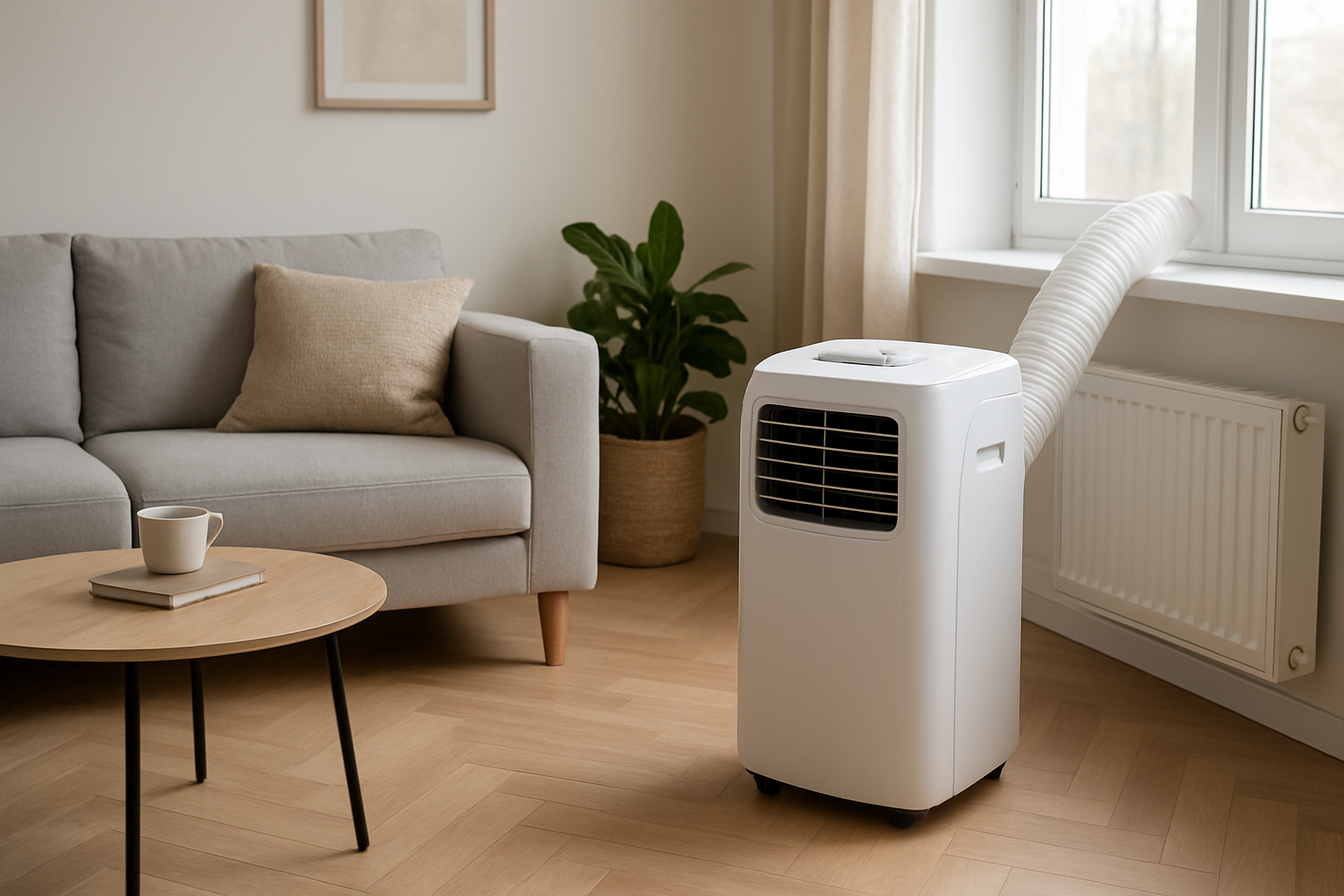
A portable AC removes heat and moisture from room air. Moisture condenses on the cold evaporator coil and drains into a base pan. Many portable units intentionally keep some water in the pan and use the condenser fan to pick it up and sling it onto the hot condenser coil. This improves heat transfer and can reduce how often you need to manually drain.
The sloshing sound is typically the water in that pan moving when:
the compressor starts or stops and airflow changes
the unit vibrates slightly in operation
the unit is not perfectly level, so water runs to one side and back
the moisture load is high, increasing the volume of condensate
This is normal indoor physics: higher indoor humidity and infiltration create more condensate. The unit is doing exactly what it should, and the water has to go somewhere inside the base before it is evaporated out the exhaust stream or collected for draining.
Most Probable Causes (Ranked)
Normal condensate in the base pan moving during operation: Slosh is light to moderate, mostly when the compressor is on, with normal cooling and normal airflow.
Self-evaporative splash system doing its job: You may hear a brief surge, gurgle, or slosh as the fan hits condensate; cooling remains steady and the sound increases with humidity.
Unit slightly out of level or on a soft surface: Slosh is louder when the unit starts, stops, or the floor flexes; it may change if you rotate the unit or move it slightly.
Drain plug/cap not seated or drain hose routing creating backfill: Slosh is heavier and may be accompanied by occasional drip or wetness near the drain point.
Evaporator icing then melting (less common but important): Slosh/gurgle appears after airflow has been weak for a while; room feels clammy, cooling declines, then you hear a larger rush of water as ice melts.
How to Confirm the Cause Yourself
These checks use observation only. Do not open the sealed refrigeration circuit.
Match the sound to humidity: Note if sloshing is clearly worse on muggy days or after showers/cooking. If yes and cooling is normal, it strongly points to normal condensate production.
Check performance while sloshing: Stand at the discharge and confirm strong, steady airflow and a consistent cool feel. Normal pan slosh does not coincide with a big airflow drop.
Confirm the timing: Listen for slosh mainly during compressor run and for a short time after shutoff. That timing is typical of water draining and being agitated by the fan.
Level check without tools: With the unit running, gently press on opposite top corners one at a time. If the slosh changes dramatically with slight tilt, the pan is holding water and the unit is sensitive to level. A hard, flat surface often reduces the sound.
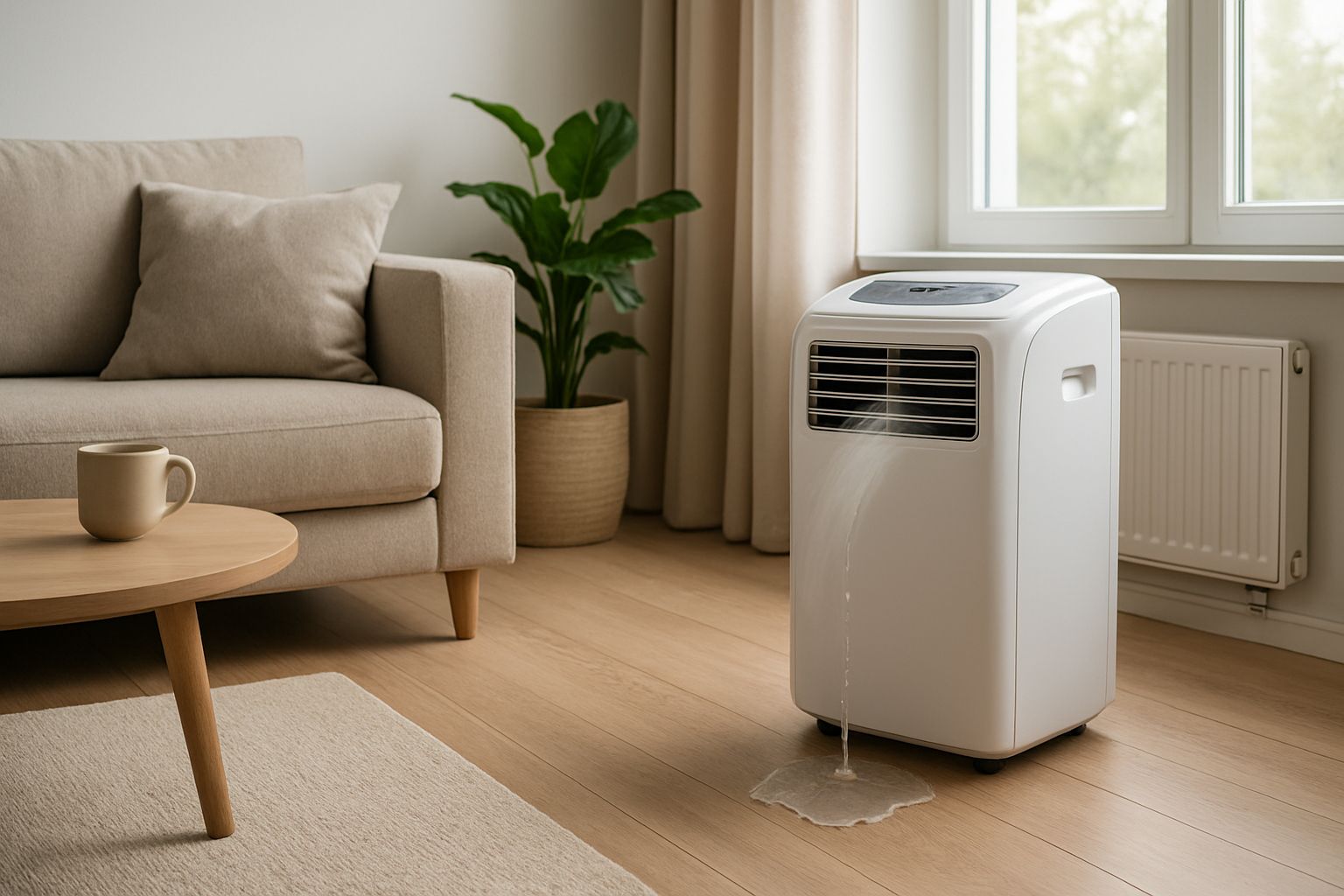
Look for external water evidence: Inspect the floor around the unit, the drain port area, and the window kit/exhaust connection. Normal internal slosh should not create puddles. Any recurring wetness indicates a drainage issue, not just normal movement.
Watch for icing indicators: If cooling fades after 30–90 minutes, airflow drops, or the unit cycles oddly, then later you hear a larger water rush, suspect ice melting. Normal slosh does not come with declining performance.
Normal Behavior vs Real Problem
Normal: Light to moderate sloshing or gurgling that tracks humidity, occurs during operation or shortly after shutoff, and does not reduce room comfort. No leaks, no repeatedly triggered full-tank indicator, and no airflow decline.
Likely problem: Heavy slosh that sounds like a nearly full container, repeated full-tank shutoffs despite typical humidity, any water on the floor, or a clear drop in cooling/airflow that develops during a run.
Not normal: Sloshing paired with warm discharge air, musty odor that quickly intensifies, ice buildup signs, or electrical-related symptoms like repeated tripping of a breaker (not caused by water slosh itself, but can coincide with other faults).
When Professional Service Is Needed
Persistent comfort decline: The room no longer reaches temperature, humidity stays high, or airflow weakens over repeated cycles even though the unit is clean and correctly installed.
Recurring water management failures: Full-tank light comes on frequently in typical conditions, or you see any repeat floor leaking.
Probable icing pattern: Cooling starts strong then drops off, followed by water surges after shutoff, especially if the filter is clean and the exhaust is properly vented.
Mechanical noise changes: Slosh is accompanied by scraping, loud rattling, or fan imbalance sounds, suggesting physical contact or a failing fan assembly rather than just water movement.
How to Prevent This in the Future
Keep the unit level on a firm surface: Minor tilt increases audible water movement and can affect draining behavior. Avoid thick carpet or uneven flooring under the casters.
Maintain strong airflow through the unit: Keep the filter clean and keep intake/exhaust clear so the coil runs at the right temperature and avoids icing that can create large melt-water events.
Reduce room moisture spikes when possible: Close doors to humid areas, run bath fans, and limit open-window infiltration while the portable AC is operating. Lower humidity load means less condensate volume and less sloshing.
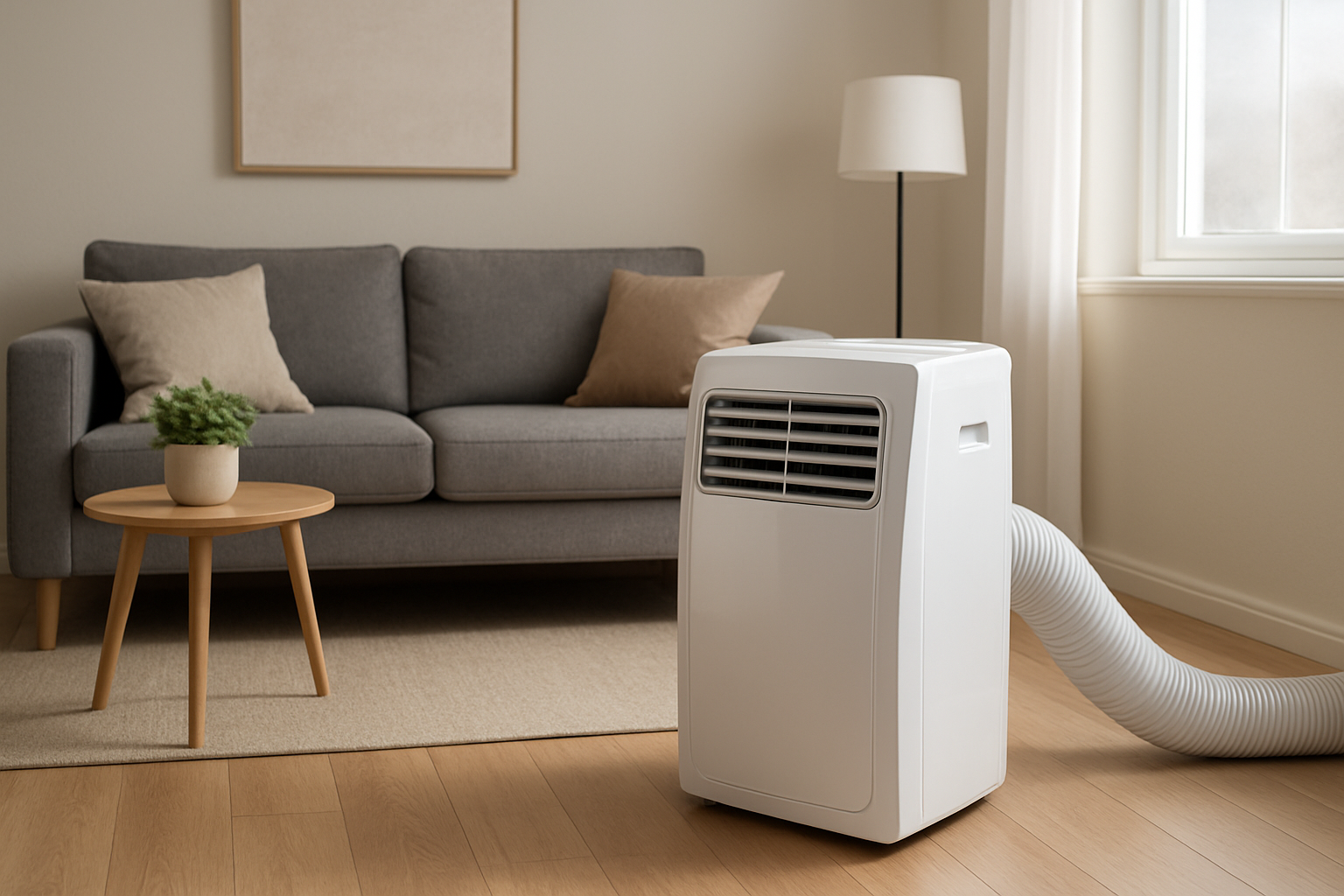
Verify drain configuration: If using continuous drain, ensure the hose slopes continuously downward with no traps or uphill sections that let water back up into the pan.
Related Home Comfort Symptoms
Portable AC blowing warm air after running a while
Portable AC full tank light keeps coming on
Portable AC leaking water onto the floor
Room feels clammy even though temperature drops
Portable AC airflow gets weak over time
Conclusion
Water sloshing in a portable AC is most often normal condensate moving in the base pan, especially in humid conditions or during compressor cycling. Confirm by checking that cooling and airflow remain steady and there are no leaks or repeated full-tank shutoffs. If sloshing becomes heavy, water appears on the floor, or performance drops over a run, treat it as a drainage or icing problem and consider service.
Frequently Asked Questions
Is it normal to hear water sloshing when I move the portable AC?
Yes. Moving the unit shifts the condensate sitting in the base pan. If it sounds like a lot of water and the unit frequently shows a full tank, then the volume may be excessive and you should check drainage setup.
Why is the sloshing louder on rainy or humid days?
Higher indoor humidity means the evaporator condenses more moisture. More condensate in the pan makes the sound more noticeable, even when everything is operating correctly.
Should I drain the unit if I hear sloshing?
Not automatically. If cooling is normal and there is no full-tank warning or leaking, the unit is likely managing condensate as designed. Drain only if the unit instructs you to, if the tank indicator trips often, or if water is escaping.
Can sloshing mean the unit is freezing up?
Sometimes. If sloshing is paired with reduced airflow or reduced cooling after 30–90 minutes, and then a larger rush of water happens after shutoff, that pattern can indicate ice melting. Clean the filter and verify exhaust/airflow first; if it continues, service may be needed.
Does sloshing affect the room comfort?
Normal condensate slosh does not. Comfort impact points to a different issue occurring at the same time, such as airflow restriction, poor exhaust venting, or icing that changes coil temperature and dehumidification effectiveness.
Need a complete overview? Visit the full troubleshooting guide here: Read the full guide for more causes and fixes.
That “sloshing” can be the sound of the unit doing its thing, like a tiny, chill spaceship working behind the scenes. More often than not, it’s just a bit of everyday messiness—not the start of a bigger drama.
So if the noise shows up at the same moments, fades when the system settles, and never escalates, it’s easy to breathe out and let it be. Annoying, sure, but also oddly reassuring in its own way—like the AC is talking in its usual dialect.