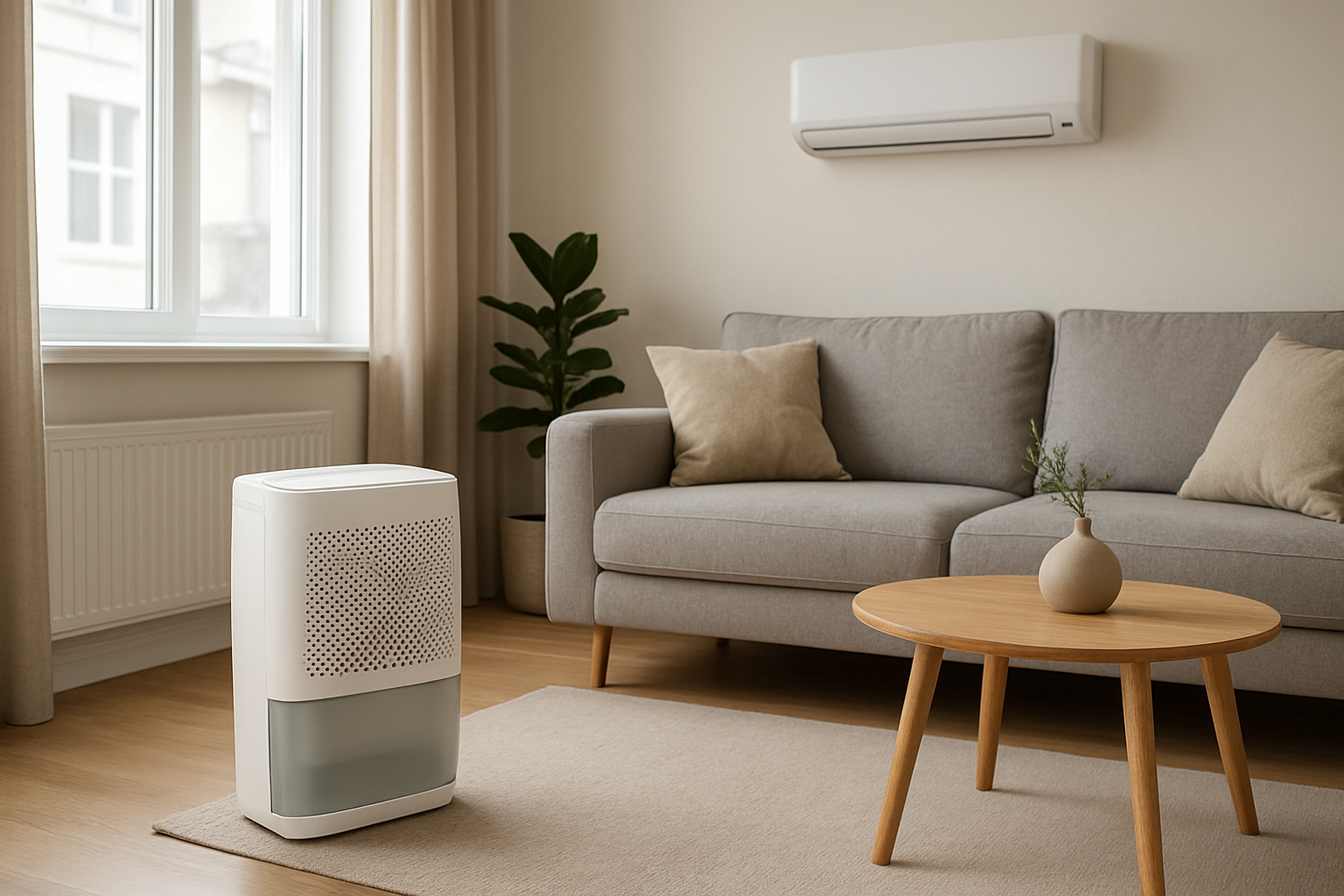
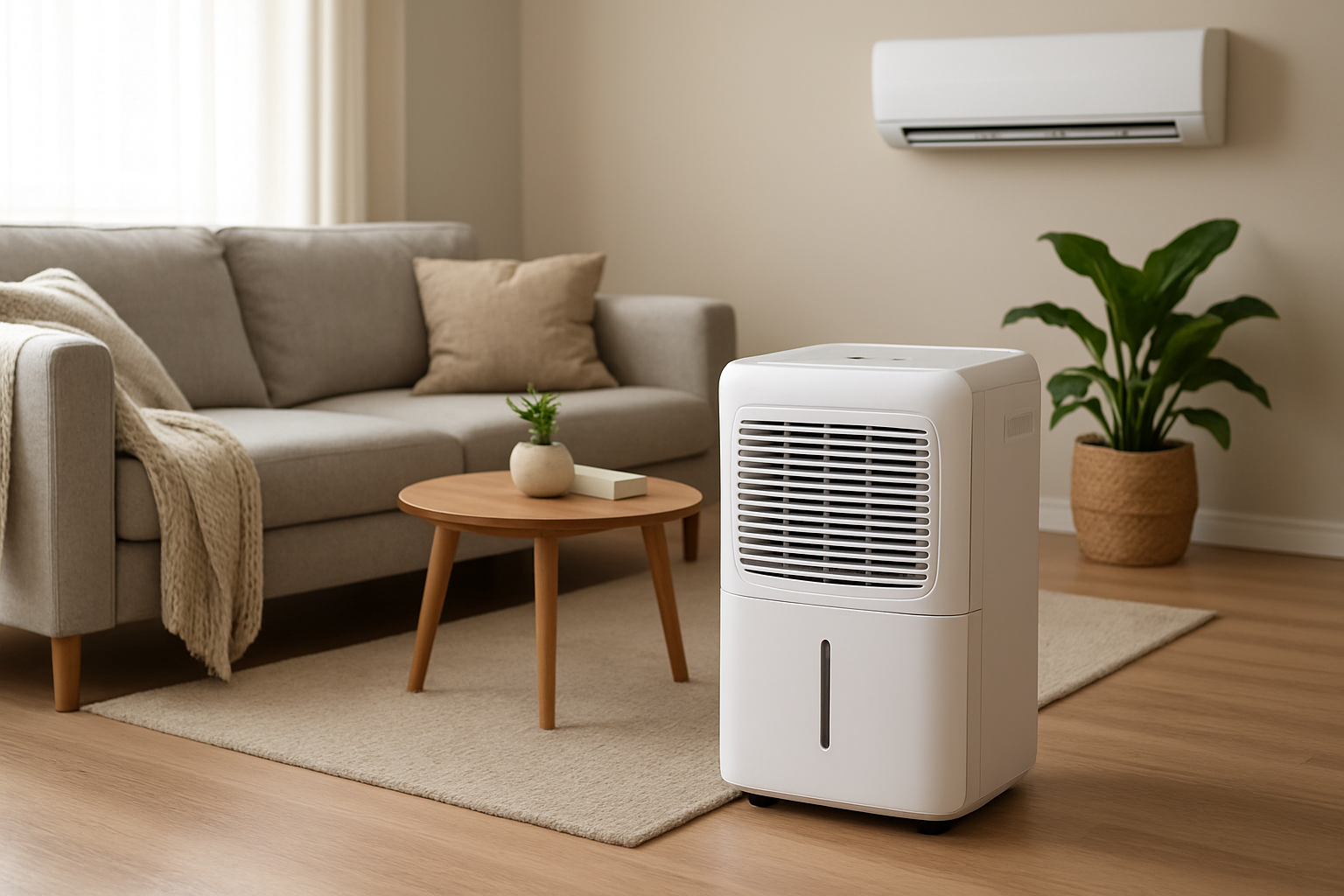
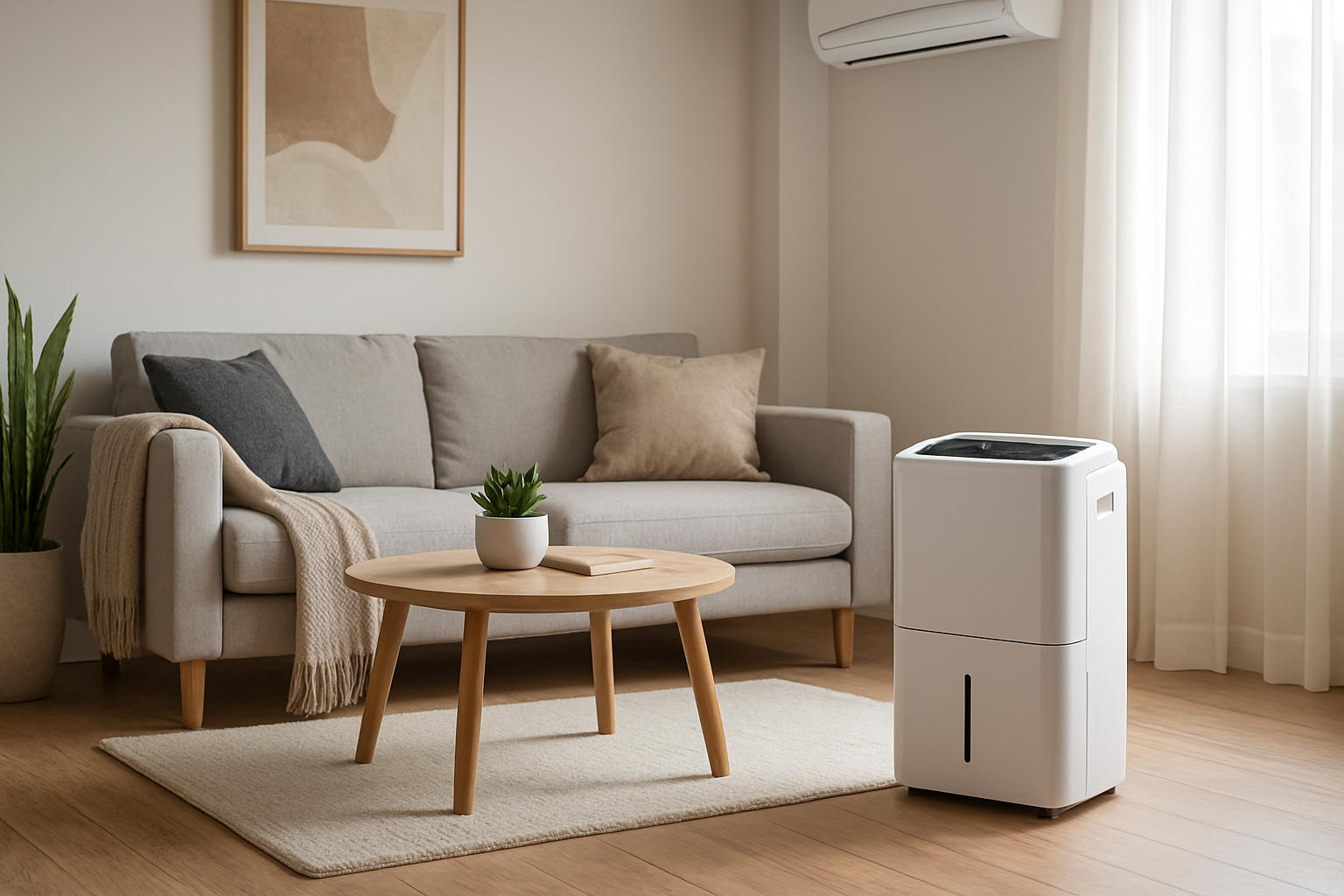
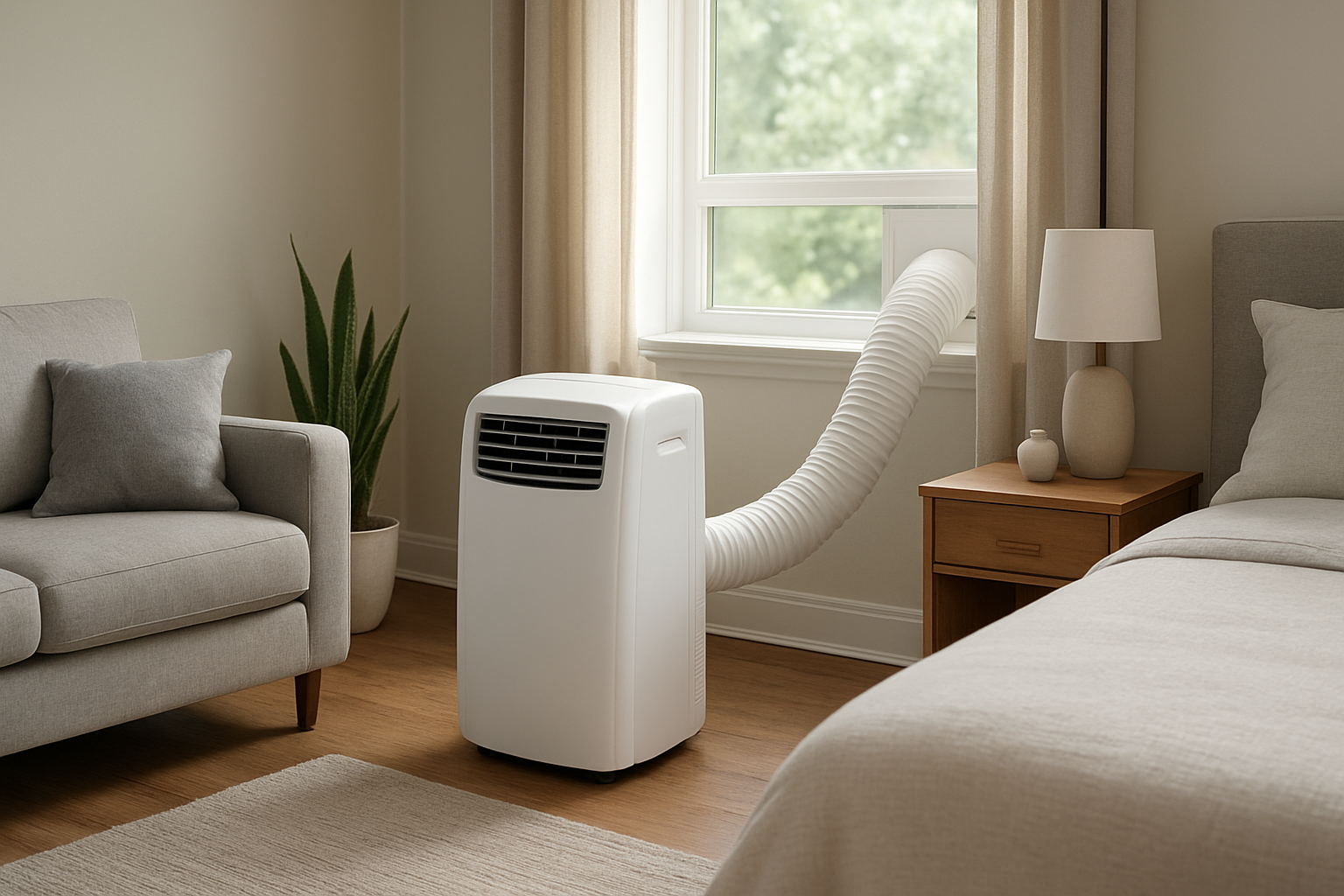
Diagnose and fix a dehumidifier with a low moisture extraction rate, including causes like dirty filters, refrigerant issues, or faulty components affecting performance.
Dehumidifier Removes Moisture Very Slowly? Low Extraction Rate
Quick Answer
The most common reason a dehumidifier removes moisture very slowly is that the room is too cool or the unit is not moving enough air across the coil due to a dirty filter or restricted intake/exhaust. First check: confirm room temperature is above 65°F and inspect/clean the air filter and coil face. If airflow is weak or the coil frosts, extraction rate will collapse.
Identify the Comfort Pattern First
Before assuming the dehumidifier is failing, sort the situation by a few observable patterns. These patterns tell you whether you have a high moisture load, a placement/airflow problem, or a refrigeration performance issue.
When it happens: Slow removal mainly during cool mornings, rainy mild days, or in shoulder seasons often points to room temperature too low for efficient dehumidification.
Weather dependence: If performance drops on cooler days but improves on hot humid days, the unit is temperature-limited, not necessarily broken.
Where it happens: Basements, crawl-adjacent rooms, and laundry areas usually have higher moisture load and poorer air mixing, making extraction look slow even when the unit is working.
One room vs whole floor: If humidity is sticky throughout the level but the dehumidifier is in a closed room, airflow and distribution are the limiting factors.
Doors open vs closed: If the unit seems to work better with doors open, you have a circulation/return-air path issue, not a capacity issue.
Unit running vs off: If the unit runs continuously with little water collected, suspect coil temperature/airflow/sensor issues. If it cycles off early, suspect setpoint/sensor placement or low load.
Intermittent vs constant: Intermittent good days and bad days often track with indoor temperature swings or occasional moisture events (showers, cooking, wet clothes, foundation seepage).
Vertical differences: In basements, cool dense air sits low. If the dehumidifier is on the floor in very cool air, extraction can be slow; a nearby warmer zone can still feel humid.
Humidity perception vs numbers: If the space feels clammy but the display reads low humidity, suspect sensor error or poor air sampling around the unit.
Airflow strength: Weak discharge air or a “muffled” intake sound points to restriction, which directly reduces water removal.
What This Usually Means Physically
A dehumidifier removes moisture by pulling warm, moist air across a cold evaporator coil. Water condenses only when the coil surface is cold enough to drop the air below its dew point, but not so cold that the coil freezes.
Low extraction rate almost always comes down to one of these physical limits:
Air is too cool: At lower room temperatures, the refrigeration system struggles to maintain the right coil temperature. The coil tends to run colder, which can lead to frost. Once frost forms, the coil becomes insulated and airflow drops, so water removal falls off sharply.
Not enough air across the coil: Condensation rate is proportional to how much moist air hits the coil. A dirty filter, clogged coil, restricted intake/exhaust, or weak fan reduces airflow and therefore reduces moisture removal even if the refrigeration loop is fine.
Humidity is not reaching the unit: The unit can only remove water from the air it processes. If the dehumidifier is in a stagnant corner, behind furniture, or isolated by closed doors, you can have humid zones that never mix with the unit’s intake air.
Moisture load exceeds capacity: Bulk water intrusion, high infiltration, or constant moisture generation (laundry, showers, unvented appliances) can add water faster than the unit can remove. The unit may be working normally, but the space stays humid.
Sensing/control error: If the humidity sensor is reading incorrectly or sampling air affected by the unit’s warm discharge, the dehumidifier may shut down too early or run inefficiently.
Most Probable Causes (Ranked)
Room temperature below the dehumidifier’s efficient range (or frequent coil frosting): Clue: performance is worst when the space is cool; you may see frost/ice on the coil or the unit runs with little water collected.
Restricted airflow (dirty filter, dusty coil, blocked intake/exhaust): Clue: weak airflow, louder fan strain, unit feels hot, water collection drops over weeks, visible dust mat on filter or coil face.
Poor placement and low air mixing: Clue: humidity remains high in adjoining areas; unit’s immediate area feels warmer/drier; improvement when doors are opened or a fan is added.
Humidity load is too high for the unit (infiltration or moisture source): Clue: unit runs nearly nonstop, there is a musty smell near foundation walls, condensation on cool surfaces, damp items, or recurring wet spots.
Drainage issue reducing effective removal (float switch, kinked hose, partial clog): Clue: tank fills slowly but shuts off unexpectedly, intermittent operation, water in base pan, or frequent on/off cycling.
Humidity sensor error or poor sensor location: Clue: display readings don’t match a separate hygrometer; unit short-cycles or stops while the space still feels clammy.
Refrigeration fault (low charge, restriction, weak compressor): Clue: unit runs a long time with minimal temperature change across the coil, little to no condensate even in warm humid air, or persistent frosting not explained by low room temperature.
How to Confirm the Cause Yourself
These checks use observation and simple comparisons. Do them in the same space conditions for at least a few hours to avoid false conclusions.
Check room temperature where the unit sits: If it is consistently under about 65°F at the intake height, expect slow extraction. If it is under about 60°F, many standard units will struggle or frost.
Look for coil frosting behavior: After 30–90 minutes of running, inspect the front coil area (if visible) for frost/ice. Frost present plus low water in the tank indicates the unit is spending capacity freezing instead of condensing.
Compare airflow strength: Put your hand at the discharge. If airflow feels weak compared to when the unit was new, or compared to a similar unit, suspect a dirty filter/coil or blocked grille. Also confirm the unit has at least a couple feet of open space on intake and discharge sides.
Door-open test for distribution: Run the unit with the door to the area open for 4–6 hours. If extraction and perceived comfort improve noticeably, the unit was starved for air mixing, not capacity.
Humidity trend test with a separate hygrometer: Place one hygrometer near the dehumidifier intake and another across the space. If intake RH drops but the far-side RH stays high, you have circulation/placement issues. If both don’t drop over time and the unit runs continuously, suspect temperature limitation, airflow restriction, or excessive moisture load.
Runtime vs water collected: In a truly humid space (above roughly 60% RH), a properly working unit running continuously should show steady water accumulation. If it runs all day and barely collects water while the space still feels damp, that is a performance red flag.
Drain check without tools: If using a hose, confirm a continuous downhill slope with no kinks and that the end point can accept water. If using a tank, confirm the unit is not shutting off early (full-tank light) and that the float moves freely.
Normal Behavior vs Real Problem
Slow moisture removal is sometimes normal. A dehumidifier’s rated pints-per-day is measured in warm, very humid test conditions. Real homes often have cooler air, lower humidity, and mixed moisture sources, which reduces extraction rate.
Normal: Slow collection when indoor RH is already near the setpoint, when the space is cool, or when doors are closed and the unit is only drying one small air pocket.
Normal: Water removal slows after the first day because the easy moisture in the air drops first; later removal depends on moisture coming out of materials (carpet, framing, concrete) and ongoing infiltration.
Likely problem: Unit runs long hours in warm, clearly humid air but collects very little water.
Likely problem: Coil frost repeats, airflow is noticeably weak, or the unit short-cycles while the space remains clammy.
Likely problem: A large RH difference persists between rooms even after long runtime, indicating distribution failure or an unaddressed moisture source.
When Professional Service Is Needed
Persistent low extraction after basic checks: Filter/coil cleaned, airflow clear, room temperature acceptable, and the unit still produces very little water in a humid space.
Repeated icing in a space above about 65°F: This can indicate refrigerant or airflow problems beyond normal low-temperature limitations.
Rapid performance decline: Water production drops sharply over days or weeks without a change in weather or usage, suggesting coil blockage, fan issue, or system fault.
Moisture damage indicators: Visible mold growth, recurring condensation on windows or ducts, damp odors that persist, or swelling/warping materials. A technician may need to evaluate hidden moisture sources and infiltration paths.
Suspected bulk water entry: Wet foundation, seepage marks, or standing water. Dehumidification alone will not keep up; the moisture source must be controlled.
How to Prevent This in the Future
Keep the unit in its efficient temperature range: If the space is typically cool, use a low-temperature/basement-rated unit or address the space temperature so the coil can condense without freezing.
Maintain airflow like it is a filter-return system: Clean the filter on a schedule based on dust level. Keep intake and discharge grilles unobstructed.
Place for air sampling, not convenience: Put the unit where air naturally moves or where you can keep doors open. Avoid tight corners and behind furniture.
Control the moisture source: Vent dryers outdoors, run bath fans during and after showers, cover open sump pits, and reduce infiltration where humid outdoor air enters.
Verify performance with a hygrometer: Use an independent humidity meter so you catch sensor drift and distribution issues early.
Use continuous drain correctly: Ensure consistent downhill slope and a reliable drain point so the unit can run uninterrupted during high-load periods.
Related Home Comfort Symptoms
Basement feels clammy even with dehumidifier running
Dehumidifier coil icing or frosting up
Humidity reading seems wrong or doesn’t match how it feels
Musty odor returns shortly after turning the unit off
Condensation on windows or cold pipes despite dehumidifier use
One room stays humid while the rest of the house is comfortable
Conclusion
A dehumidifier that removes moisture very slowly is usually limited by temperature, airflow across the coil, or poor air mixing in the space. Start by confirming the room is warm enough and the unit has strong, unobstructed airflow with a clean filter and coil face. Then verify humidity drop across the space with a separate hygrometer. If the unit runs in warm humid conditions with minimal condensate, repeated icing, or short-cycling, it is time for professional evaluation.
Frequently Asked Questions
Why does my dehumidifier run all day but the tank barely fills?
Most often the air at the unit is too cool, the coil is frosting, or airflow is restricted by a dirty filter/coil or blocked grille. If room temperature is above about 65°F, airflow is strong, and the space is still humid with little water collected, the unit may have a refrigeration performance problem or the humidity is not reaching the unit due to poor air mixing.
Is it normal for a basement dehumidifier to remove water slowly?
It can be normal if the basement is cool or the humidity load is steady but moderate. Many basements sit near temperatures where standard units lose efficiency and may frost. If the basement is below about 60–65°F for long periods, a basement-rated unit or a temperature strategy is usually required for consistent extraction.
How can I tell if the dehumidifier is underpowered or if there is a moisture source?
If the unit runs nearly continuously and RH drops a little but never stabilizes, and you also see signs like damp foundation walls, musty odors near cracks, or recurring condensation on cool surfaces, you likely have a moisture source or infiltration problem. If RH drops well near the unit but not elsewhere, the unit may be adequate but poorly placed or the space is not mixing.
Why does opening doors make the dehumidifier seem to work better?
Opening doors improves air circulation so humid air can reach the dehumidifier intake and dried air can redistribute. With doors closed, the unit may only dry one air pocket, making extraction appear slow while adjacent areas remain humid.
What humidity should I expect after a dehumidifier runs overnight?
If the space is reasonably sealed and the unit is correctly sized and operating properly, you should typically see a measurable RH drop over several hours, not necessarily a perfect setpoint. If RH barely changes overnight in a space that still feels clammy, focus on temperature at the unit, airflow restriction, coil frost, and whether the moisture load is exceeding the unit’s capacity.
Need a complete overview? Visit the full troubleshooting guide here: Read the full guide for more causes and fixes.