Introduction
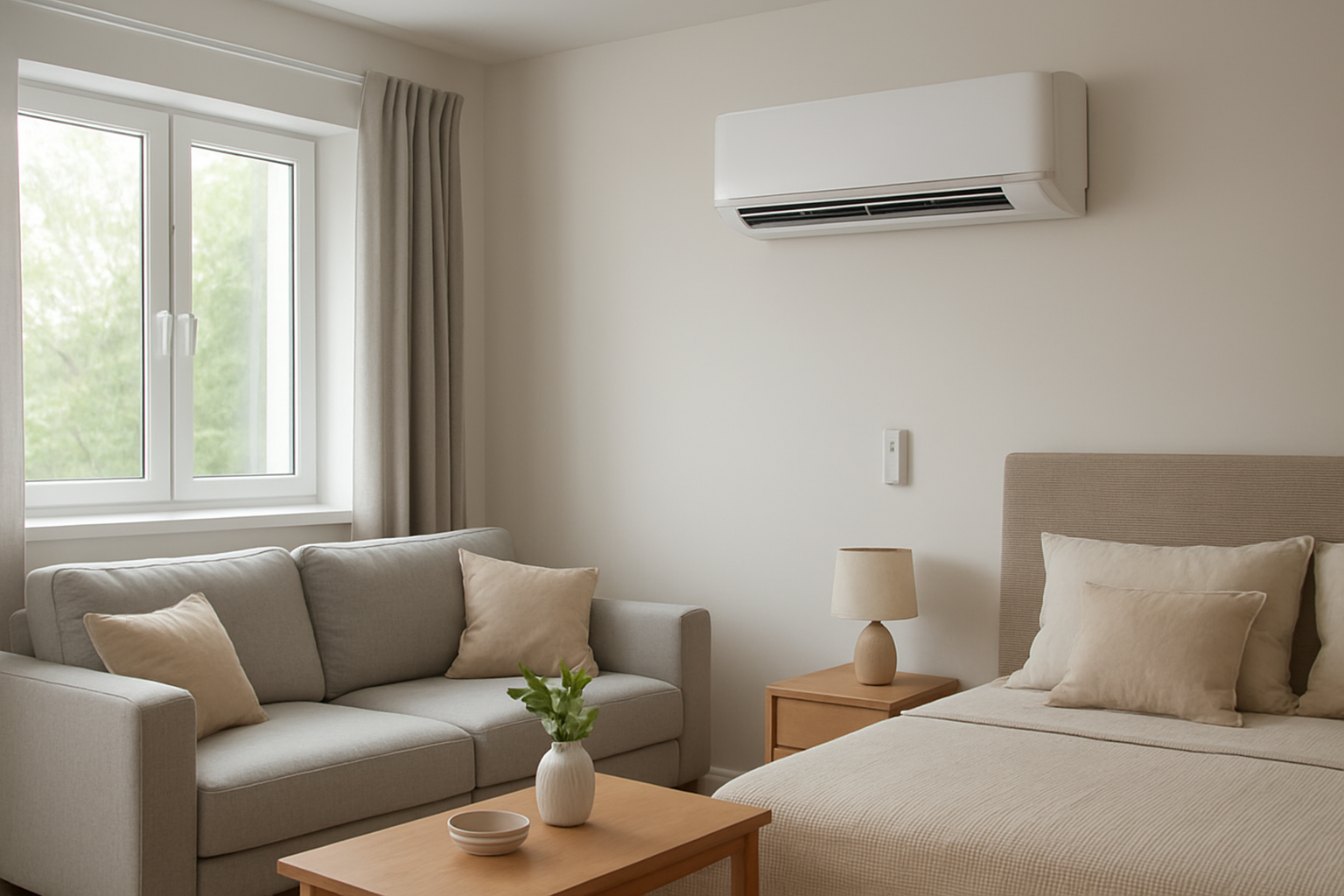
You get home after work, the house is warm, and the first thing you do is lower the thermostat. Then you hear it: a click. Maybe a little airflow starts. But the cool air you were counting on does not really arrive, at least not right away. In that moment, the whole house seems to hold its breath with you.
It is a small thing, technically. But when the heat has been building all day, it does not feel small. You are waiting for relief, and instead you are left standing there wondering if the system is starting normally or quietly struggling.
And once you notice it, it’s hard to ignore.
Why This Situation Feels So Frustrating
There is something especially stressful about an air conditioner that sounds like it is about to work but does not bring comfort fast enough. The click creates an expectation. You think, okay, here we go. Then the rooms still feel sticky, the air still feels heavy, and the discomfort hangs around longer than it should.
That delay can make people second-guess everything. Should you keep letting it run? Should you turn it off and try again? Is this just how the system sounds sometimes, or is it the beginning of a bigger problem? During the hottest part of the day, those questions feel louder than they normally would.
Heat does that. It shrinks patience.
There is also the simple fact that home comfort is supposed to be invisible when it works well. You do not want to think about it. You just want the bedroom to stop feeling stuffy, the upstairs to cool down, and the house to feel normal again. When that rhythm breaks, even briefly, it can make the whole evening feel off.
What People Usually Notice First
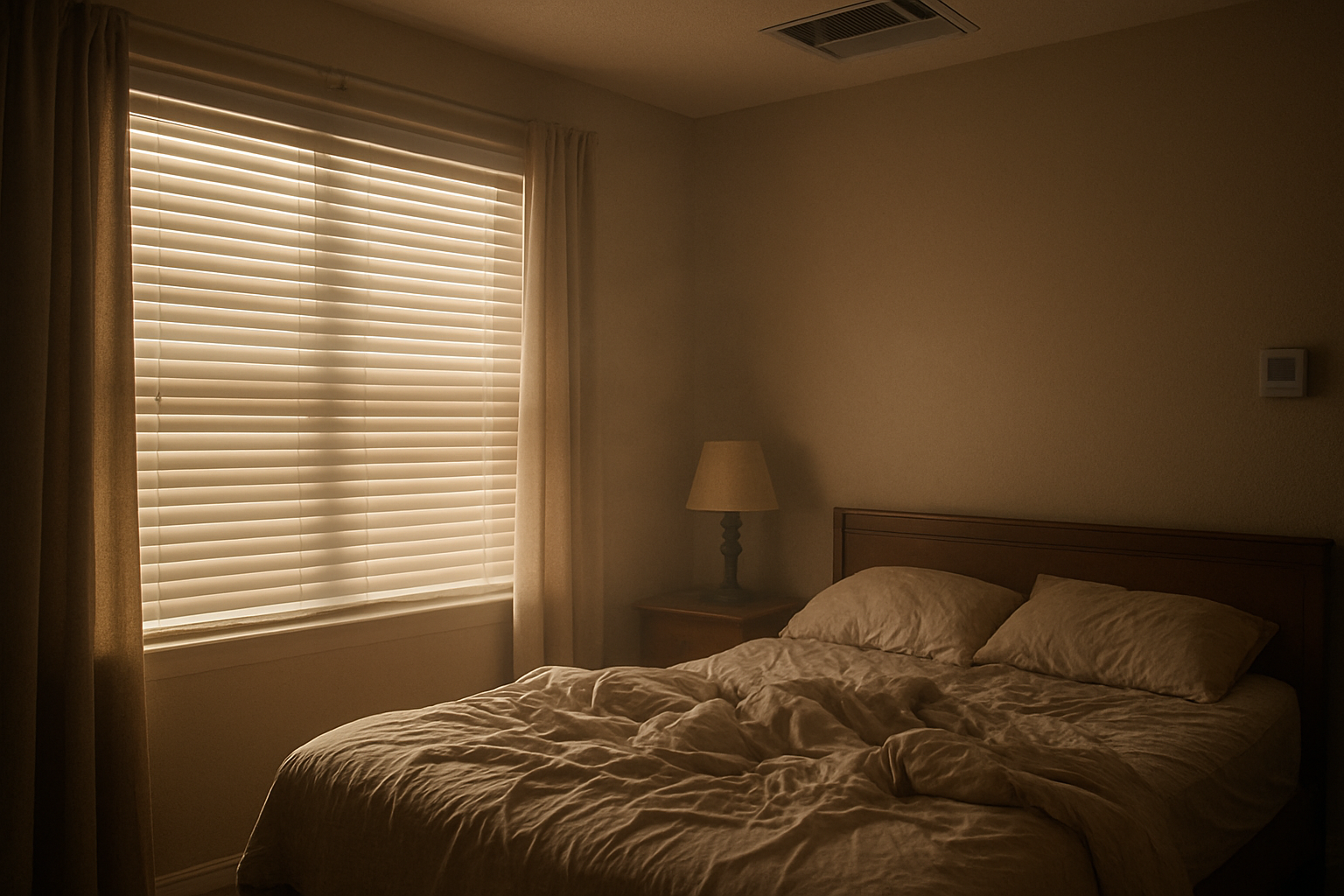
Often it starts in a very ordinary moment. You are trying to cool the house down on a hot afternoon, and the vents are clearly pushing air, but the air does not feel cold enough to make a difference. Or you are lying in a closed bedroom that has turned stale and stuffy, waiting for that familiar drop in temperature that never seems to come.
Upstairs rooms usually give it away first. They tend to get warm faster, and when the system is slow to begin cooling, that is where people notice it. The downstairs might feel tolerable for a while, but the second floor starts feeling muggy and tired. Not dramatic, just uncomfortable in a way that gets under your skin.
Sometimes the thermostat says cooling, which should be reassuring, but the lived experience in the room says otherwise. You feel air coming from the vents, so part of you assumes the AC must be doing its job. Yet the house still feels warm. That mismatch is what makes people start listening for every click, hum, and pause.
Why It Can Be Confusing
A single click before startup is not unusual. That is partly why repeated clicking can be so unsettling. One click sounds like a system beginning its cycle. A series of clicks, especially if the outdoor unit does not fully engage or the air never gets truly cool, feels different. Something just feels off.
The confusing part is that the system may seem half-alive. The thermostat is calling for cooling. The indoor fan may run. Air may move through the vents. So from a distance, it looks like everything should be fine. But cooling depends on more than air movement alone, and when one part of the system is struggling, the house can stay warm even though it sounds active.
If you have been hearing this and trying to make sense of it, this explanation of why an AC makes clicking sounds before starting gives helpful context without turning it into a mystery story.
That is really the heart of the confusion: the signs are mixed. Not broken enough to be obvious. Not normal enough to ignore comfortably.
The Hidden Impact on Daily Comfort
When cooling becomes unreliable, even in a subtle way, it affects more than temperature. It changes how the house feels to live in. Humidity lingers. Sleep gets worse. You start avoiding the hottest rooms, pulling blinds earlier, checking the thermostat more often than you want to admit.
It can also create a quiet sense of losing control over your own space. That sounds overly dramatic until you are sweating in your bedroom at night, hearing air move but not feeling relief. Then it becomes very personal, very quickly.
Small warning signs have a way of doing that. A click. A pause. A room that stays warm too long. None of it sounds major by itself. But together, they create anxiety because comfort at home is not just a luxury during summer. It shapes how you rest, work, and think.
Some days it is just annoying. Other days it follows you around the house.
When It’s Probably Nothing Serious
Sometimes there is no major fault at all. A brief click as the system starts can be normal, and a little delay before truly cool air reaches every room can also happen, especially after the house has heated up all day. If the outdoor unit starts, the air gradually gets cooler, and the temperature indoors actually begins dropping within a reasonable stretch of time, that is usually less alarming.
It may also feel worse than it is when outdoor heat is intense and the house has been absorbing warmth for hours. In that situation, the AC can be working properly and still take time to catch up. That does not make the wait pleasant, but it does make it more understandable.
A dirty filter, closed vents, or a thermostat setting issue can also make cooling feel weaker at first without pointing to a serious repair. Not every odd sound means trouble. Not every slow cooldown means failure.
When You Should Pay More Attention
If the clicking repeats over and over, if the system struggles to start, or if the house stays warm even though the thermostat keeps calling for cooling, it deserves closer attention. The same goes for situations where the airflow is steady but not actually cold, or where the outdoor unit seems inconsistent.
Another sign is when the pattern is getting worse. Maybe it started as an occasional delay and now it happens every hot afternoon. Maybe the upstairs used to cool eventually, and now it stays uncomfortable into the evening. Gradual decline is easy to dismiss because it does not happen all at once. Still, it matters.
This is usually the point where continuing to run the system without checking anything starts to feel less practical. Not because disaster is guaranteed, but because ongoing strain can turn a manageable issue into a more expensive one.
Trust that instinct a little.
Simple Ways to Improve Comfort
While you figure out whether the system needs service, there are a few simple things that can make the house feel less miserable. Check that the filter is clean and that supply vents are open, especially in warmer upstairs rooms. Keep blinds or curtains closed on the sunny side of the house during late afternoon, when indoor heat gain can be surprisingly stubborn.
It also helps to avoid setting the thermostat dramatically lower in a panic. That usually does not cool the house faster. It just keeps the system running longer while you feel more frustrated. A steady setting is often better, especially if the unit is already working hard.
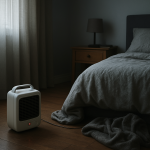
If one bedroom feels especially stuffy, using a fan to keep air moving can at least make that room feel less stagnant while the AC catches up. It is not the same as real cooling, of course. But sometimes small improvements matter when the house feels close and humid.
And if the clicking has become a pattern rather than a one-time thing, getting it checked before the next heat wave is usually the calmer option. Waiting rarely makes people feel better.
Conclusion
An AC that clicks before starting and then takes too long to cool can be unnerving in a way that is hard to explain until you live with it. The sound suggests action. The warm rooms say otherwise. That gap between expectation and relief is what makes the whole thing feel so aggravating.
Sometimes it is minor. Sometimes it is the first hint that the system needs attention. Either way, your discomfort is not an overreaction. When the house turns sticky and the comfort fades right when you need it most, even small signs carry weight.
You are not just listening for a click. You are listening for reassurance.