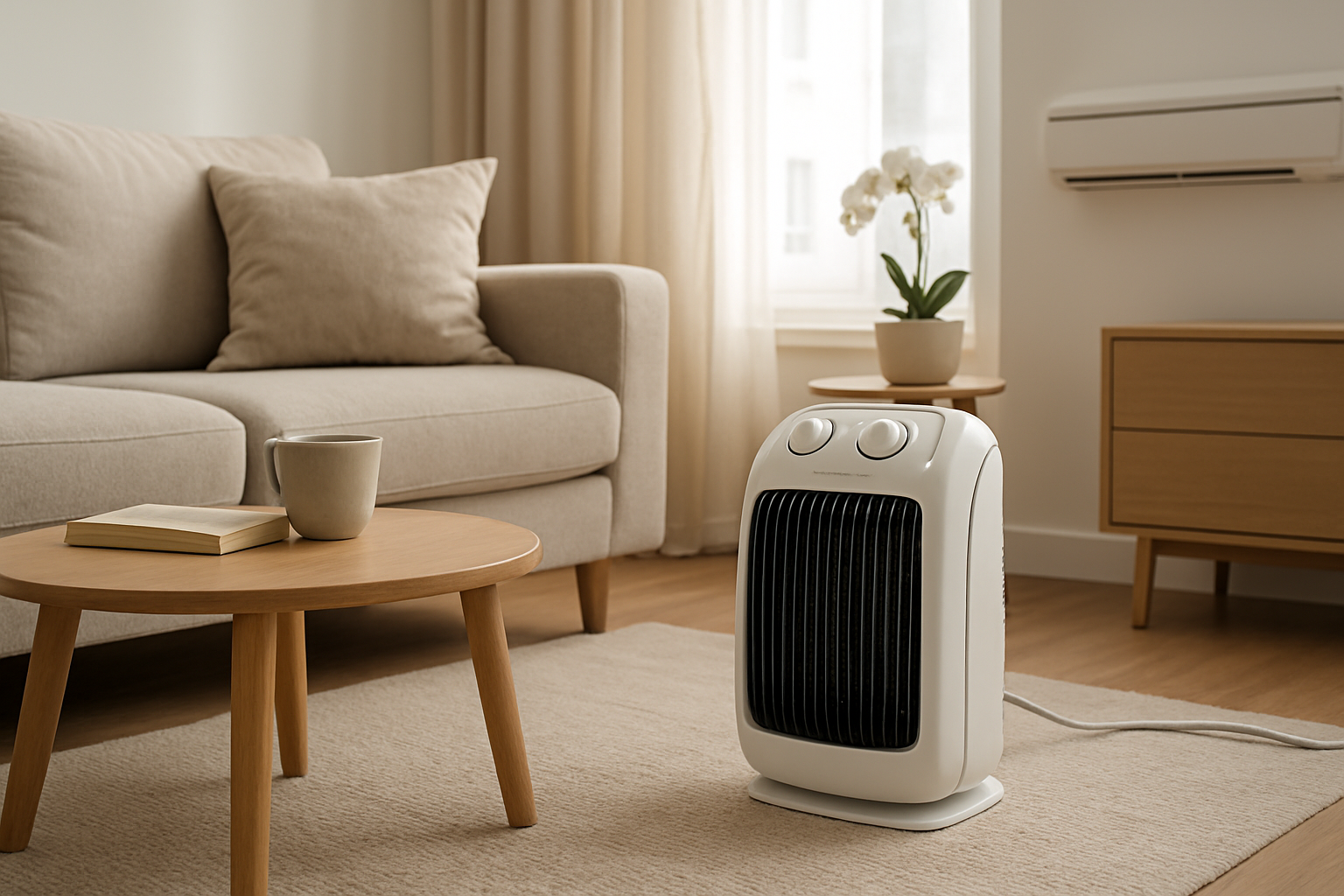
Diagnose and fix localized humidity differences causing dry air in the living room but normal air in the kitchen, addressing possible HVAC zone imbalance issues.
Living Room Air Feels Dry While Kitchen Feels Normal? Zone Imbalance
Quick Answer
If the living room feels dry but the kitchen feels normal, the most likely cause is localized humidity differences driven by airflow imbalance and room-specific dryness load (more outdoor air leakage, higher supply airflow, or heater proximity). First check: place a simple hygrometer in each room for 24 hours and compare relative humidity and temperature under the same HVAC run conditions.
Identify the Comfort Pattern First
Before assuming a system problem, sort the symptom by pattern. Localized humidity differences show up with repeatable room-to-room behavior.
When it happens: worse during cold weather heating season, windy days, or when the system runs long cycles; sometimes worse afternoons if sun warms the living room.
Where it happens: living room consistently feels drier than kitchen, even when the whole house temperature feels similar.
System running vs off: dryness sensation increases when the blower is running (more air movement, more mixing with dry air) and eases when the system is off.
Constant vs intermittent: constant points to persistent leakage or airflow imbalance; intermittent points to door position, exhaust fan use, or changing wind/stack effect.
Doors open vs closed: if the difference shrinks with doors open, it is a distribution/pressure balance issue between rooms.
Vertical differences: if the living room feels drier upstairs or at head height while the kitchen feels stable, suspect stratification plus a dry air source (leakage high in the building or high supply velocity).
Humidity perception vs measured: dry feeling can be from low relative humidity, but also from higher air speed or warmer room surfaces. Measure to separate perception from actual humidity.
Airflow strength: stronger supply in the living room or weaker return path often correlates with a dryer feel in that room.
What This Usually Means Physically
Two rooms can have different humidity because humidity is not generated or removed evenly, and air does not mix perfectly across the house. The living room can run at a lower relative humidity than the kitchen through a few common physical mechanisms:
Humidity load is uneven: Kitchens naturally add moisture from cooking, dishwashing, and people activity. Even without noticeable steam, this can raise local humidity compared to a living room.
Outdoor air dilution is localized: If the living room is leakier (rim joist, fireplace chase, recessed lights, sliding door, bay window, attic bypass), dry outdoor air enters there more than in the kitchen. When outdoor air is heated, relative humidity drops further.
Pressure differences shift moisture: If the living room is positively pressured (more supply than return), it pushes air out through leaks and pulls in dry make-up air elsewhere. If it is negatively pressured (return-dominant), it can pull dry air from an attic, crawlspace, or wall cavities.
Air stratification and surface temperatures: Larger living rooms with higher ceilings often stratify, and colder exterior walls/windows reduce local surface temperature. That can make skin and eyes feel drier even when the measured humidity is similar, because convection increases at colder surfaces and air movement may be higher.
Airflow can mimic dryness: Higher supply velocity or a nearby register aimed at seating areas increases evaporation from skin and makes air feel dry without a major humidity change.
The key diagnostic idea: the living room is either receiving more dry air (leakage or supply-driven dilution), losing moisture faster (airflow/pressure), or the kitchen is being locally humidified by normal activity.
Most Probable Causes (Ranked)
Living room has higher outdoor air leakage than the kitchen
Clue: dryness is worse on windy days or when temperatures drop; you may notice drafts near windows, exterior doors, fireplace, or along baseboards.
Supply/return imbalance creates pressure differences between rooms
Clue: the living room door position changes the symptom; airflow is stronger in the living room, or the room has no good return path (no return grille, no undercut door, or a closed-off return).
Kitchen humidity sources are elevating that room to normal while the rest of the home is actually dry
Clue: kitchen feels fine mainly after cooking or dishwasher use; the living room feels dry all day; house-wide humidity readings are low outside the kitchen.
Fireplace/wood stove or leaky chimney chase dilutes living room air
Clue: dryness is worst near the fireplace, even when not in use; you may feel cold downdrafts at the hearth or smell outdoor/sooty air occasionally.
Higher air velocity in the living room is creating a dry sensation
Clue: sitting near a register makes symptoms worse; moving seating or redirecting a register changes comfort quickly even if humidity is unchanged.
Exhaust fan or range hood use shifts pressure and dries the living room
Clue: dryness increases when the range hood, bath fan, or dryer runs; doors may become harder to open/close due to pressure change.
How to Confirm the Cause Yourself
Use observation and simple measurements. You are looking for room-to-room differences that follow airflow, pressure, and activity.
Run a 24-hour humidity comparison: place one hygrometer in the living room and one in the kitchen, away from registers and direct cooking steam. Record temperature and relative humidity at three times: morning, mid-day, evening. A consistent difference of 5% RH or more is meaningful.
Check the door-position test: keep interior doors between the living room and adjacent areas open for 2–3 hours during normal HVAC operation. If the dryness difference reduces noticeably, the issue is air distribution or pressure balance, not just the HVAC equipment.
Compare vent airflow by feel and paper test: with the system running, compare supply airflow strength at living room vs kitchen registers. Then check return pull using a tissue at the return grille. Strong supply with weak return path commonly causes room pressure issues that shift humidity.
Note wind and weather correlation: if the living room dries out faster on windy days, you are likely dealing with localized infiltration (leaky windows/doors, fireplace chase, rim joist).
Check proximity effect: spend 10 minutes sitting away from living room registers (or close/redirect a register for a short test if you can do so without stressing the system). If symptoms improve quickly without a house-wide change, the dryness sensation is likely airflow-related.
Activity reset test: after a cooking-free day, compare kitchen vs living room again. If the gap shrinks, the kitchen was being locally humidified by normal moisture sources rather than the living room being unusually dry.
Normal Behavior vs Real Problem
Normal: the kitchen runs slightly more humid than the living room during and after cooking; a 2–4% RH difference is common, especially in winter.
Likely a real imbalance: the living room is consistently 5–10% RH lower than the kitchen, or the living room regularly drops below 30% RH while the kitchen stays comfortable.
Strong indicator of a building/airflow issue: the living room gets noticeably drier during HVAC runtime, during wind events, or when exhaust devices run.
Not primarily a humidity problem: if both rooms measure similar RH but the living room feels dry, suspect higher air velocity, colder exterior surfaces, or direct supply air hitting occupants.
When Professional Service Is Needed
Measured living room RH persistently below 30% in heating season despite normal living activity, especially if occupants have significant dryness symptoms.
Room-to-room RH difference stays above 8–10% for multiple days and does not improve with doors open, indicating a stronger pressure/leakage driver.
Evidence of strong drafts or suspected fireplace/attic/crawlspace connection (noticeable cold airflow, odor transfer, or dust infiltration).
Airflow is clearly imbalanced (very strong supply in living room, poor return pull, or whistling/grille noise), suggesting duct design or duct leakage problems.
Any combustion appliance backdraft concerns if you notice exhaust smells, soot odor, or persistent downdrafts near a fireplace or gas appliance area.
How to Prevent This in the Future
Keep air mixing pathways open: avoid keeping the living room isolated from return pathways; ensure interior doors have an adequate undercut or transfer path if the room is often closed off.
Reduce localized infiltration: address obvious leaks at sliding doors, window trim, baseboards, and especially fireplace surrounds and chase openings. The living room often has the largest exterior exposure.
Use exhaust fans deliberately: run range hoods and bath fans as needed, but recognize they can depressurize parts of the house and pull in dry outdoor air through leakier rooms.
Adjust register direction for comfort stability: aim living room supply airflow away from seating areas to reduce the dry-air feeling caused by high air speed.
Track room humidity seasonally: a basic hygrometer in the living room provides early warning of recurring winter dryness before it becomes a comfort complaint.
Related Home Comfort Symptoms
Bedroom feels colder and drier than the rest of the house at night
One room feels drafty when the HVAC blower runs
Dry eyes and throat only in one seating area
Kitchen feels muggy while nearby rooms feel dry
Humidity drops quickly when it gets windy outside
Conclusion
A living room that feels dry while the kitchen feels normal is usually a localized humidity difference driven by room-specific moisture sources, air leakage, and airflow or pressure imbalance. Confirm it with side-by-side humidity readings and a door-position test. If the living room stays below about 30% RH or the room-to-room gap remains large for days, the next step is diagnosing leakage and duct/return balance in and around the living room.
Frequently Asked Questions
What relative humidity should the living room be in winter?
Most homes feel comfortable around 30–40% RH in heating season. If the living room is consistently below 30% RH while the kitchen is higher, that points to localized dilution (leakage or airflow/pressure imbalance) rather than a whole-house humidity level.
Can higher heat in the living room make it feel drier even if humidity is the same?
Yes. Warmer air lowers relative humidity if moisture content does not change, and higher supply air velocity increases evaporation from skin. If the living room is warmer or has stronger supply airflow than the kitchen, it can feel drier even with similar measured RH.
Why does opening doors make the dryness difference go away?
Because opening doors improves air mixing and reduces room-to-room pressure differences. If the living room lacks a good return path, closed doors can trap supply air, change pressures, and increase how much outdoor or cavity air gets pulled into that room.
Could the fireplace be causing the living room to feel dry even when it is off?
Yes. A leaky damper, poorly sealed ash cleanout, or open chase pathways can allow continuous air exchange with outdoors. That brings in dry air and creates drafts, which both lower local humidity and increase the dry-air sensation.
If the kitchen feels normal, does that mean the HVAC system is fine?
Not necessarily. The kitchen can feel normal because it regularly gets moisture from cooking and hot water use. The living room can still be too dry due to leakage or airflow imbalance. Measuring RH in both rooms is the best way to separate a local humidity source from a real distribution problem.
Need a complete overview? Visit the full troubleshooting guide here: Read the full guide for more causes and fixes.
After all the back-and-forth, the mismatch starts to feel less like a mystery and more like a quirk the building has been keeping to itself. One room goes crisp and dry while another just carries on, like nothing happened.
In the end, you’re not chasing a ghost—you’re noticing the pattern and letting the space fall into line. The relief is mostly how ordinary the house feels again, down to the little exhale you don’t realize you’ve been holding.