A portable heater that shuts off without warning can leave a room feeling colder, and make it hard to know whether the problem is normal or unsafe.
Introduction
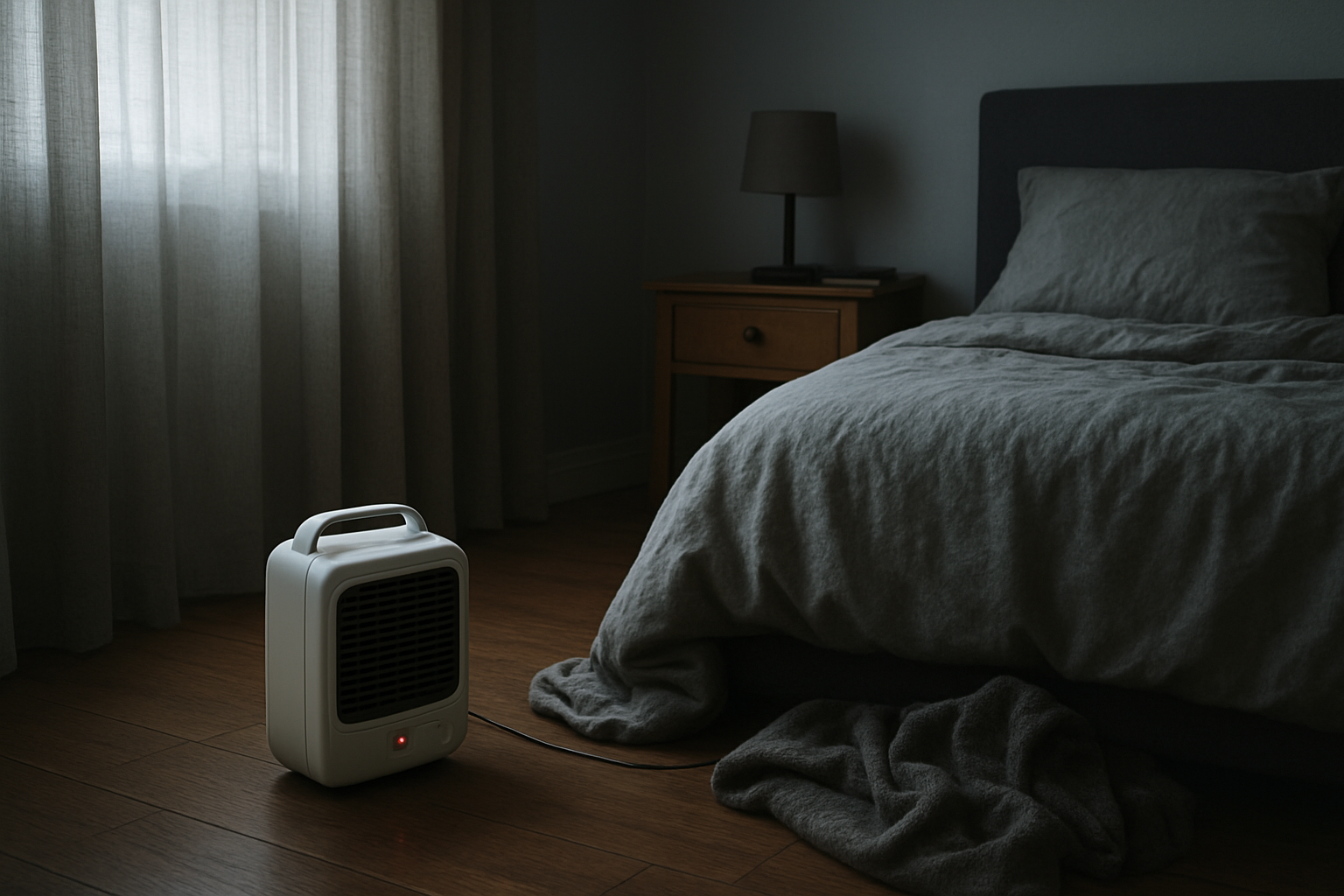
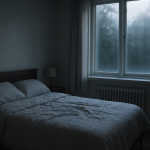
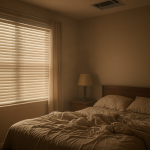
You set a portable heater by the bed because the room gets cold after midnight. You fall asleep thinking you finally fixed it, then wake up a few hours later with cold hands and that flat, disappointed feeling that the heat is gone again. The heater is off. Or maybe it has gone into some standby mode that makes sense to the machine but not to you.
That moment gets under your skin faster than it should. You wanted a little comfort, not a mystery in the dark. And once you notice it, it’s hard to ignore.
Why This Situation Feels So Frustrating
A heater shutting off unexpectedly is not just a small inconvenience. It changes how safe and settled a room feels. You plug in this compact little device because you need warmth now, in one corner of the house that never seems to hold heat the way it should. When it stops working, trust goes with it.
Part of the frustration is that the heater may be trying to protect itself. That sounds reasonable on paper. But when the room still feels cold, that explanation does not feel comforting. It can actually make things worse, because now you are stuck between two unpleasant ideas: maybe the heater is doing what it is supposed to do, or maybe something is wrong and you should stop using it.
That uncertainty lingers. Something just feels off.
What People Usually Notice First
Often it starts in ordinary moments. Someone is working in a small office or guest room and the heater seems fine for twenty minutes, then clicks off while the space still feels chilly. A person resting in bed notices the heater ran perfectly the night before, but tonight it cannot seem to stay on. A family slides it a little closer to a couch, curtain, or comforter because they want more warmth in the area they are actually using, and then the heater begins acting strangely.
Sometimes the pattern gets even more confusing because the heater works in one room and not another. It behaves well in the living room but keeps shutting down in a bedroom. Or it runs steadily downstairs and barely lasts upstairs. That is usually the point where people stop seeing it as random and start wondering whether the room itself is part of the problem.
It feels personal, almost. Like the one room you need to be comfortable in is the one room the heater refuses to handle.
Why It Can Be Confusing
The hardest part is the gap between what your body feels and what the device is reacting to. You feel cold. The heater seems to think conditions have reached some limit. Maybe the thermostat sensor is reading heat pooling near the unit instead of the rest of the room. Maybe the outlet is inconsistent. Maybe the safety shutoff is doing exactly what it was designed to do because airflow is blocked, dust has built up, or the heater is on a soft surface and getting unstable.
But from your side of things, it just looks random. Then after a few days, it stops looking random and starts happening in recognizable little patterns. Only at night. Only in the smaller room. Only when it is near the bed. Only when it has been running a while. That is what makes people uneasy. There is enough logic to suggest a cause, but not enough clarity to feel confident about safety.
There is a bigger emotional layer to this than people usually admit. A cold room can make everything feel more unsettled, especially at night or during a long workday. You are not just trying to heat air. You are trying to make a space feel livable, calm, maybe even a little sheltered from the weather outside.
When the heater keeps cutting out, that comfort becomes fragile. You stop relaxing into the room because part of your attention stays on the machine. Is it still running? Will it stop again? Is that smell normal? Is the casing too hot? You end up monitoring the thing that was supposed to let you stop thinking about being cold.
It’s not a big issue on paper. But it doesn’t feel small.
And if you depend on a portable heater during a stretch of cold weather, the stakes feel higher. Not dramatic, just real. A small device starts carrying more responsibility than it should.
When It’s Probably Nothing Serious
Sometimes the answer is fairly ordinary. Portable heaters commonly shut off because a thermostat has been satisfied near the unit, even if the rest of the room still feels cool. They also stop when airflow is reduced by dust, when a filter or grill needs cleaning, or when the heater is too close to furniture, bedding, or curtains and its safety features kick in.
The room itself can matter too. Bedrooms and small offices often have different insulation, drafts, floor surfaces, and outlet conditions than larger spaces. A heater placed on thick carpet may sit less evenly than it does on a hard floor. A cold draft near a window can fool you into thinking the heater is failing when the room is simply losing heat faster than expected.
In cases like that, the shutoff is annoying, but not necessarily dangerous. It may be the machine telling you it needs a better setup.
When You Should Pay More Attention
If the heater shuts off and also gives off a burning smell that does not fade quickly, trips breakers, shows signs of damaged cords, or feels unreliable no matter where you place it, that deserves a closer look. The same goes for a unit that overheats fast, flickers, or stops responding to controls. Those are not moments to push through because you just want the room warm again.
Pay attention, too, if you only feel comfortable using it in ways the manual clearly warns against, like tucking it close to bedding or aiming it into crowded furniture. That is usually a sign the heater is being asked to do more than it safely can in that space.
Sometimes the issue is minor. Sometimes it is the early sign of a unit that should be cleaned, repaired, or replaced. There is no prize for guessing wrong.
Simple Ways to Improve Comfort
Usually the best first move is not to fight the heater but to reset the setup around it. Give it more clearance. Move it onto a flat, hard surface if possible. Clean the intake and grill gently so airflow is not restricted. Try a different outlet in a room where it has acted up, especially if that room has older wiring or a heavily used power strip situation.
It also helps to think about the room, not just the heater. Closing drafts, using heavier curtains, and positioning yourself away from cold window air can make the heater feel more effective without forcing it into a riskier placement. In a bedroom, that may mean warming the room before sleep rather than placing the unit too close to the bed for direct heat.
Small adjustments can change a lot. Sometimes that is all it takes.
Conclusion
When a portable heater keeps shutting off, the problem is not just technical. It interrupts rest, concentration, and that basic feeling of ease you want in your own space. The frustration comes from needing warmth right away while also having to stop, question the device, and decide whether what you are seeing is normal or not.
That tension is real. You want comfort, but you also want to trust the thing providing it.
If the shutoffs seem tied to placement, dust, or room conditions, there is a good chance the heater is reacting the way it was built to. If the signs point to overheating, electrical trouble, or persistent odd behavior, it is worth taking seriously. Either way, the goal is the same: a room that feels safe to be warm in, not one more thing to worry about while you are already cold.