Learn how to diagnose and fix air conditioner delays caused by temperature threshold settings or sensor lag when your AC only turns on later in the day.
AC Only Turns On Late In The Day? Something’s Delaying It
Quick Answer
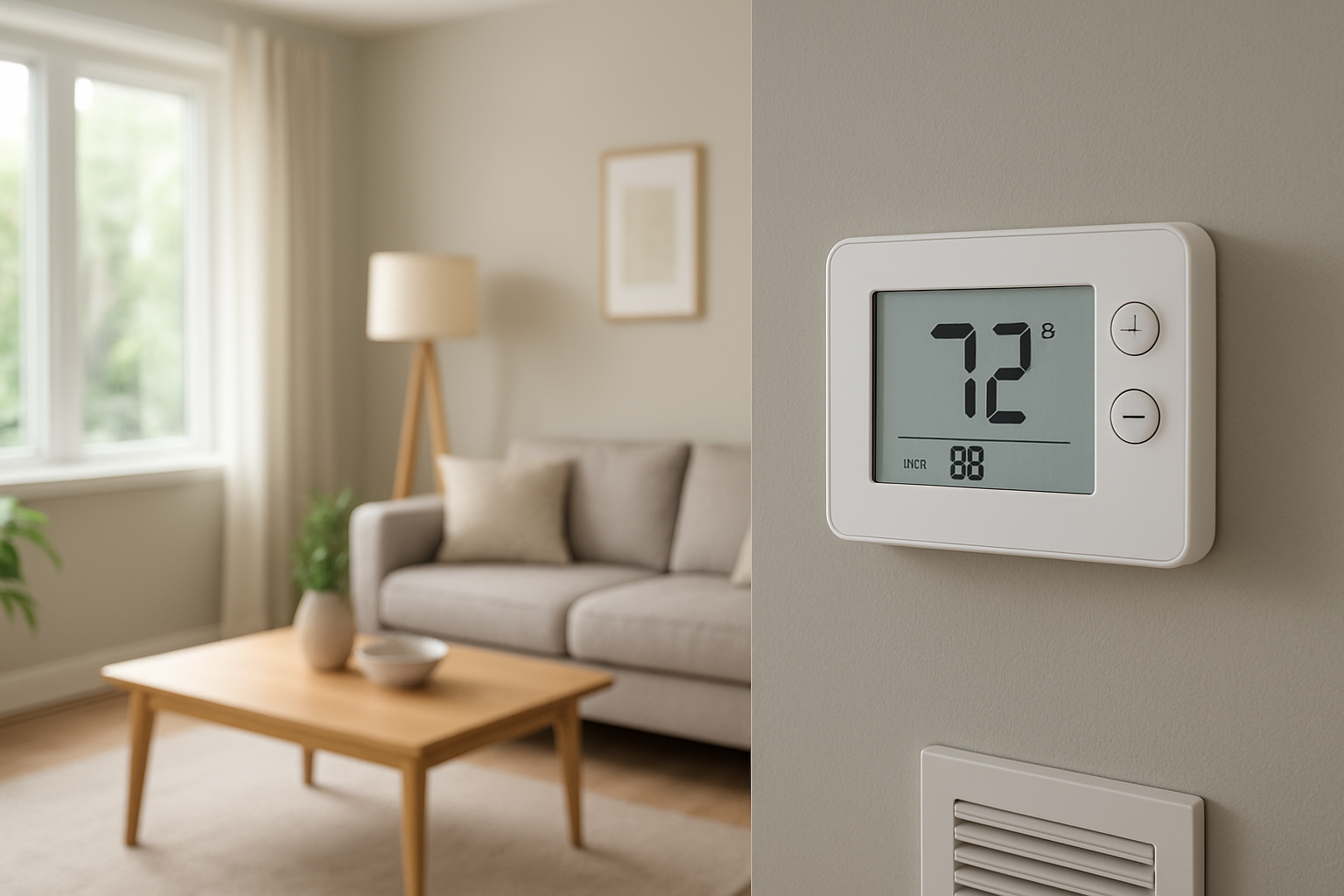
If your AC only starts cooling late in the day, the most likely reason is a control delay: the thermostat is not seeing the true temperature early on due to sensor lag, location, programming thresholds, or uneven temperature mixing. First check: compare the thermostat display to an accurate thermometer placed next to it for 15 minutes, then repeat in the warmest room.
Identify the Comfort Pattern First
Before assuming the equipment is failing, sort the complaint into a repeatable pattern. The timing and location tell you whether this is a control decision problem (thermostat not calling) or a capacity problem (AC running but not keeping up).
When it happens: Does the AC stay off most mornings and only begin mid-to-late afternoon, especially on sunny days? If it correlates with sun exposure rather than outdoor temperature alone, suspect sensor location and solar-driven room-to-room imbalance.
Where it feels warm: Is the discomfort mainly upstairs, in west-facing rooms, or rooms with big windows, while the thermostat area feels acceptable? If yes, the thermostat is sampling a cooler area than the living space that needs cooling.
System status: When it feels warm earlier in the day, is the thermostat showing cooling on or is it idle? If it is idle, it is a control/measurement issue. If it is cooling on but not lowering temperature, that is a performance/capacity issue (not the primary angle here).
Constant vs intermittent: Does it consistently start around the same time daily, or is it random? Predictable timing points to schedule settings, adaptive recovery, or a consistent sensor mixing issue.
Door position changes: If opening bedroom doors or turning on a fan makes the AC start sooner, that indicates stratification and poor temperature mixing near the thermostat.
Vertical differences: If upstairs is hot while downstairs (and the thermostat) stays cooler, the thermostat will delay cooling until heat buildup finally reaches the sensor area.
Humidity perception: If it feels muggy but the thermostat temperature seems normal, the AC may be staying off because temperature is just under the setpoint while humidity climbs. This often happens when the sensor is in a cooler, drier zone.
Airflow strength: If airflow at supply vents is weak early in the day but normal once it runs, note it, but weak airflow does not usually explain a delayed call. Delayed calls are usually sensor/threshold driven.
What This Usually Means Physically
An air conditioner does not decide when to run. The thermostat does, based on what its temperature sensor detects versus the setpoint and its internal control logic. When the AC only turns on late in the day, the common physical explanation is that the thermostat is insulated from the real heat load for part of the day.
Here is how that happens in real houses:
Sensor lag and thermal buffering: Thermostats read the temperature of air that reaches their sensor. If air around the thermostat is stagnant or influenced by a cooler interior zone, the sensor warms more slowly than the rest of the house. The home can be uncomfortable while the thermostat still believes conditions are acceptable.
Stratification and poor mixing: Warm air rises. In multi-level homes, the upper floor can overheat while the thermostat on a lower floor stays several degrees cooler. Until enough heat migrates downward, the thermostat does not call.
Solar gain mismatch: West and south exposures gain heat sharply later in the day. Rooms can jump in temperature faster than the thermostat area. The thermostat finally crosses its threshold only after the overall house warms enough.
Control thresholds and deadband: Many thermostats intentionally wait for temperature to rise a certain amount above setpoint before energizing cooling. A small deadband plus a slow sensor can shift cooling start time later than expected.
Schedule and adaptive features: Some thermostats use learning or occupancy logic that delays cooling until they predict it is needed, or until someone is home. That can look like a mechanical delay but is actually a programmed decision.
The key diagnostic detail: in true control-delay complaints, the AC is not running because the thermostat is not calling early enough, not because the AC cannot cool.
Most Probable Causes (Ranked)
Thermostat location is cooler than the living area that needs cooling
Clue: Thermostat area feels fine while upstairs or sun-facing rooms feel hot. Cooling starts only after the whole house warms, not when the problem room warms.
Temperature stratification and poor air mixing near the thermostat
Clue: Cooling starts sooner if you run the blower fan, use a ceiling fan, or open doors. Big floor-to-ceiling temperature difference is noticeable.
Thermostat schedule, comfort settings, or occupancy features delaying the call
Clue: Delayed start occurs at nearly the same clock time daily. The thermostat shows a different setpoint earlier in the day, or shows an away/eco mode.
Sensor offset, calibration error, or thermostat reading lower than reality
Clue: A separate thermometer reads 2–4 degrees warmer than the thermostat in the same spot, repeatedly.
Thermostat influenced by drafts, supply air, or a cool interior wall cavity
Clue: Thermostat reading drops quickly when the blower runs, or changes when nearby doors open. A cold spot or draft is noticeable at the thermostat wall.
Remote sensor averaging or wrong sensor being used
Clue: Thermostat says it is using a sensor you did not intend (or averaging multiple sensors), and the displayed temperature does not match the thermostat location.
How to Confirm the Cause Yourself
These checks rely on observation and basic measurements only. You are trying to prove one thing: the house is warm but the thermostat does not know it yet.
Check whether the thermostat is calling when you are uncomfortable
What to do: During the warm period earlier in the day, look at the thermostat status. Is it idle or does it indicate cooling on?
Interpretation: If it is idle, the delay is control/sensor related. If it is cooling on for long periods and still warm, that is not a delay problem.
Measure thermostat accuracy versus a reference thermometer
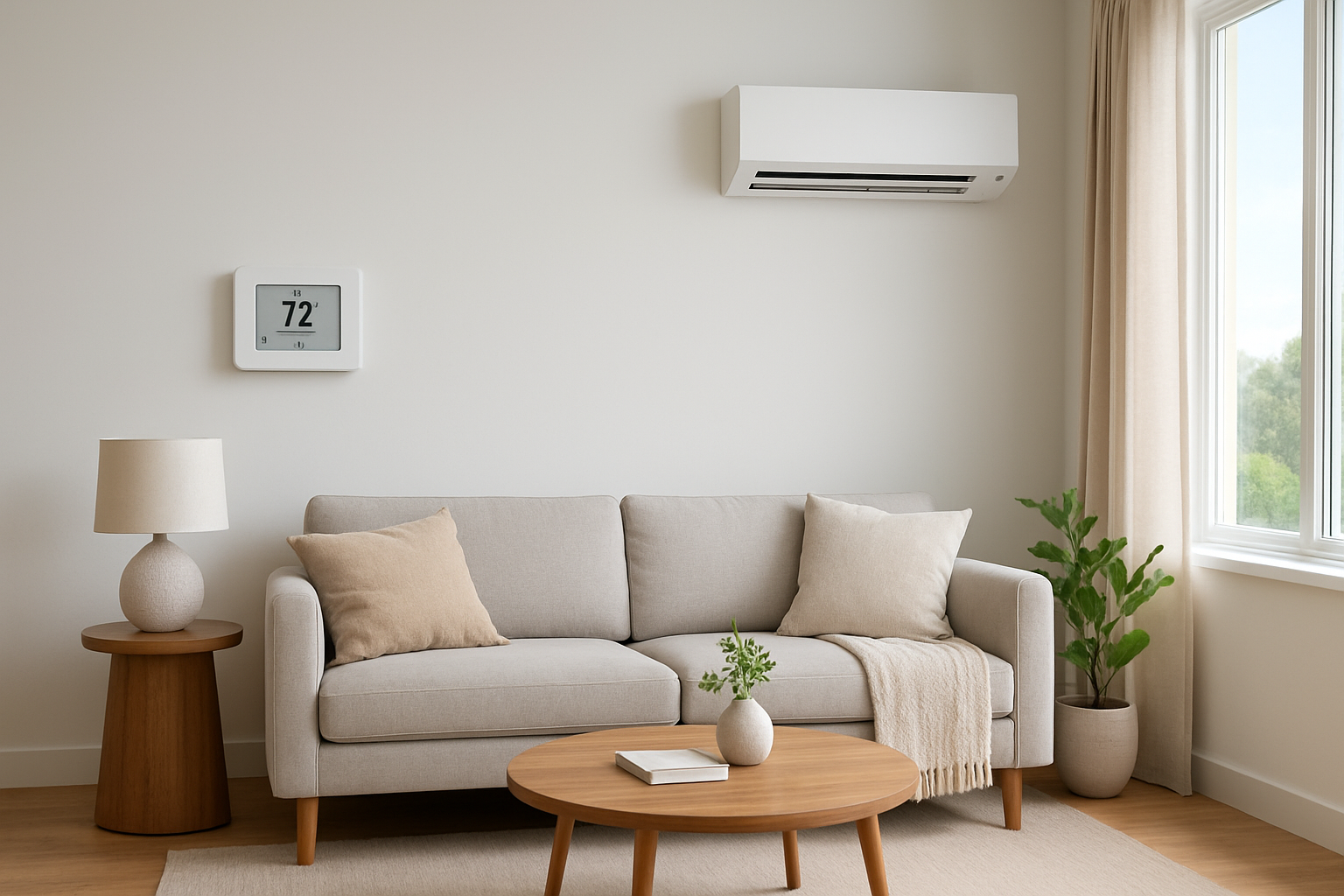
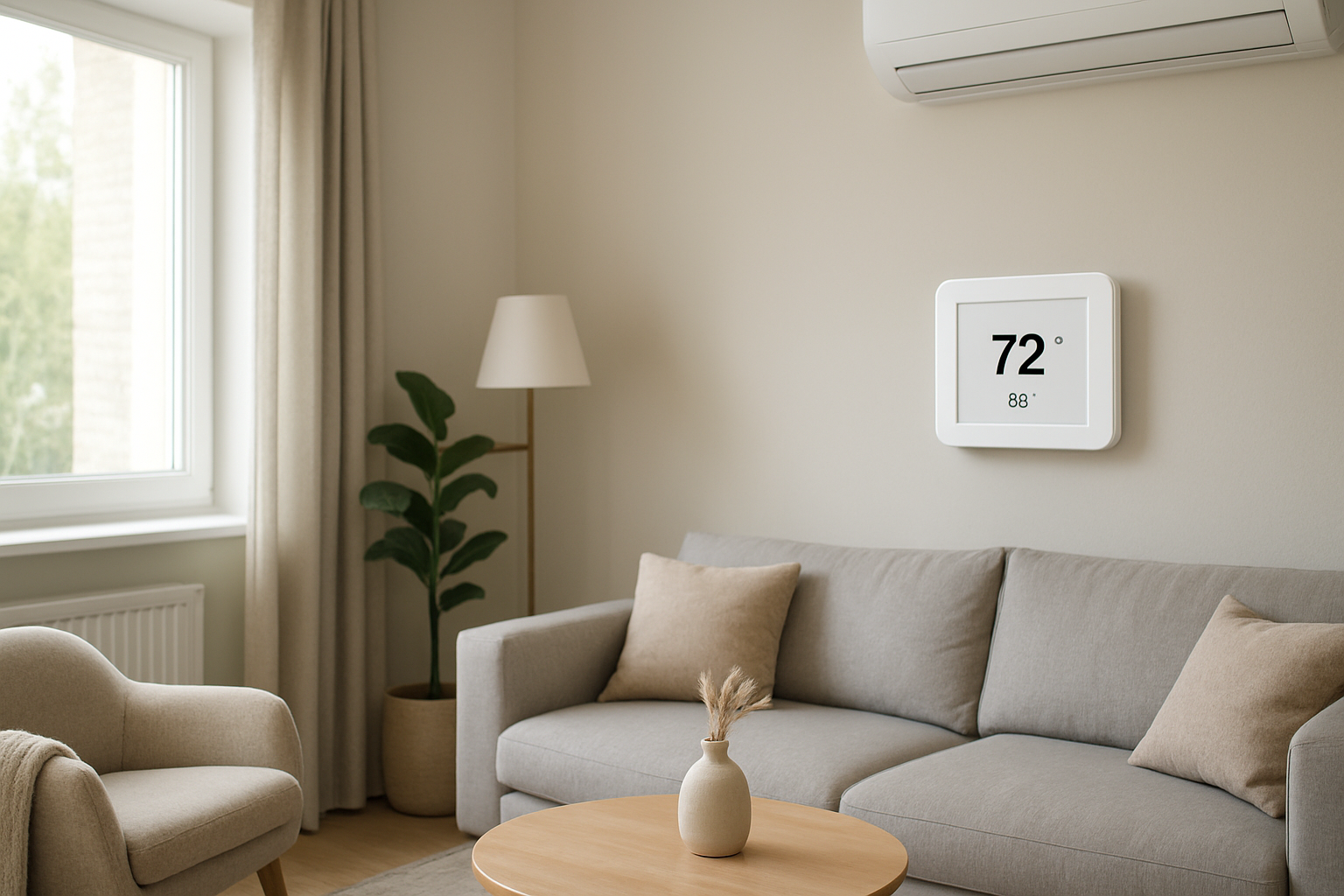
What to do: Place a reliable thermometer right next to the thermostat (not in your hand) for 15 minutes. Record both readings. Repeat in the warmest room at the same height.
Interpretation: If the thermostat reads cooler than the reference by consistently more than 2 degrees, the control threshold will be reached later than it should.
Compare temperatures at the same height in different rooms
What to do: Check temperature in the thermostat area and the problem area at the same height (about 5 feet). Keep doors in their normal position.
Interpretation: If the problem area is 3+ degrees warmer, the thermostat is not representing comfort where you live. That predicts delayed starts.
Test for stratification by checking high versus low in the same room
What to do: Measure temperature near the ceiling and near the floor in the problem area.
Interpretation: A difference of 4 degrees or more indicates stratification. If the thermostat is in the cooler layer, it will lag.
Fan and door mixing test
What to do: Run the blower fan continuously for 30–60 minutes earlier in the day, or run ceiling fans and open interior doors.
Interpretation: If the AC begins cycling earlier or comfort improves without changing setpoint, the root is poor mixing or thermostat sampling a cooler pocket of air.
Control logic check: schedule, eco, and recovery settings
What to do: Review setpoints by time of day, away/eco mode, adaptive learning, and any temperature swing/deadband options if available.
Interpretation: If the setpoint is higher until a certain time, or the thermostat is intentionally delaying, the late start is expected behavior given those settings.
Normal Behavior vs Real Problem
Some late-day cooling is normal because heat load is not constant. Solar gain and outdoor temperature typically peak later in the day, and a properly controlled system may run lightly in the morning and more in the afternoon.
Normal: Minimal morning runtime, increasing cycles through afternoon, indoor temperature staying within about 1–2 degrees of setpoint in the main lived-in areas.
Likely a real control-delay problem: You feel uncomfortable for hours while the thermostat still reads at or below setpoint, then the AC finally starts once the thermostat area catches up.
Not primarily a delay issue: Thermostat shows cooling on for long stretches earlier in the day but temperature still drifts up. That points to capacity, airflow, charge, or duct issues instead.
When Professional Service Is Needed
Thermostat-to-thermometer mismatch greater than 2 degrees persists after changing batteries (if applicable) and ensuring the thermostat is not in direct sun or drafty airflow.
Comfort impact is frequent or severe: rooms regularly exceed the setpoint by 3–5 degrees for multiple hours while the thermostat remains satisfied.
Control behavior is inconsistent: late starts occur randomly, or the thermostat display changes unexpectedly (possible sensor fault, wiring issue, or configuration problem).
Humidity climbs noticeably while temperature seems fine: repeated muggy conditions with delayed cooling can indicate poor thermostat measurement of the lived-in zone or improper control strategy.
Any signs of equipment malfunction: short cycling once it finally starts, failure to start when you lower the setpoint, or warm supply air during a call for cooling.
How to Prevent This in the Future
Make sure the thermostat measures the space you actually live in: avoid locations near supply registers, exterior doors, direct sunlight, kitchens, or hallways that do not represent occupied rooms.
Improve temperature mixing: use ceiling fans on low, keep key interior doors open during the day, and consider running the blower intermittently if stratification is a pattern.
Use a remote sensor correctly: if your thermostat supports it, place a sensor in the problem area and set it as the active sensor during occupied hours.
Set realistic schedules: avoid big daytime setpoint rises if your complaint is late-day discomfort. Pre-cooling slightly before peak solar hours can prevent sensor lag from turning into a long comfort delay.
Reduce late-day solar load: close blinds in west-facing rooms before the sun hits, and address obvious window heat gain that spikes room temperature faster than the thermostat can track.
Related Home Comfort Symptoms
Upstairs stays hot until evening even though the thermostat looks normal
Thermostat says 74 but it feels like 78 in the bedrooms
AC runs hard only in late afternoon and early evening
One side of the house warms up first and triggers cooling late
House feels muggy in the morning but AC does not run
Conclusion
When an AC only turns on late in the day, the most common explanation is not a slow air conditioner. It is a delayed cooling call caused by temperature threshold behavior combined with sensor lag, thermostat placement, or poor temperature mixing. Confirm it by checking whether the thermostat is actually calling during discomfort and by comparing thermostat temperature to an independent thermometer in both the thermostat area and the warmest room. If the thermostat is consistently reading cooler than the space you live in, correcting sensor strategy and air mixing solves the root problem.
Frequently Asked Questions
Why does my AC wait until late afternoon even when it feels warm inside?
Usually the thermostat is still reading below its cooling threshold because it is in a cooler zone, the air around it is not mixing, or the sensor reads low. The house can feel warm in sun-facing or upstairs rooms while the thermostat area stays comfortable, delaying the call until heat spreads to the thermostat.
How far off can a thermostat be before it becomes a real comfort problem?
Consistent error over about 2 degrees is enough to noticeably shift run times and delay cooling, especially with a normal deadband. If your thermostat reads 3–4 degrees cooler than actual room temperature, late starts are expected.
Could a thermostat schedule or eco mode cause the AC to start late?
Yes. Many thermostats hold a higher setpoint during the day or use occupancy and learning features that reduce cooling until certain hours. If the late start happens at the same time daily, verify schedule setpoints, away/eco status, and any adaptive recovery or temperature swing settings.
What quick test tells me if this is a control delay or an AC performance problem?
Look at the thermostat when you are uncomfortable. If it is not calling for cooling, it is a control/sensor issue. If it is calling for cooling and running for long periods but the temperature still rises, that points to airflow, capacity, or refrigerant-related performance issues instead.
Will running the fan help if the problem is sensor lag?
Often, yes. Running the blower or ceiling fans improves air mixing, reduces stratification, and brings warmer air to the thermostat sooner. If doing this makes the AC start earlier or stabilizes comfort without changing setpoints, it supports the sensor lag and mixing diagnosis.
Need a complete overview? Visit the full troubleshooting guide here: Read the full guide for more causes and fixes.
By the time the afternoon finally rolls around, the routine feels almost personal—like the house is deciding to be comfortable on its own schedule. The frustration is real, but it’s also oddly manageable once that late start stops being mysterious.
So the next time you notice the timing drifting, it doesn’t have to ruin the day. There’s a kind of relief in knowing it’s just the system being picky about when to show up.