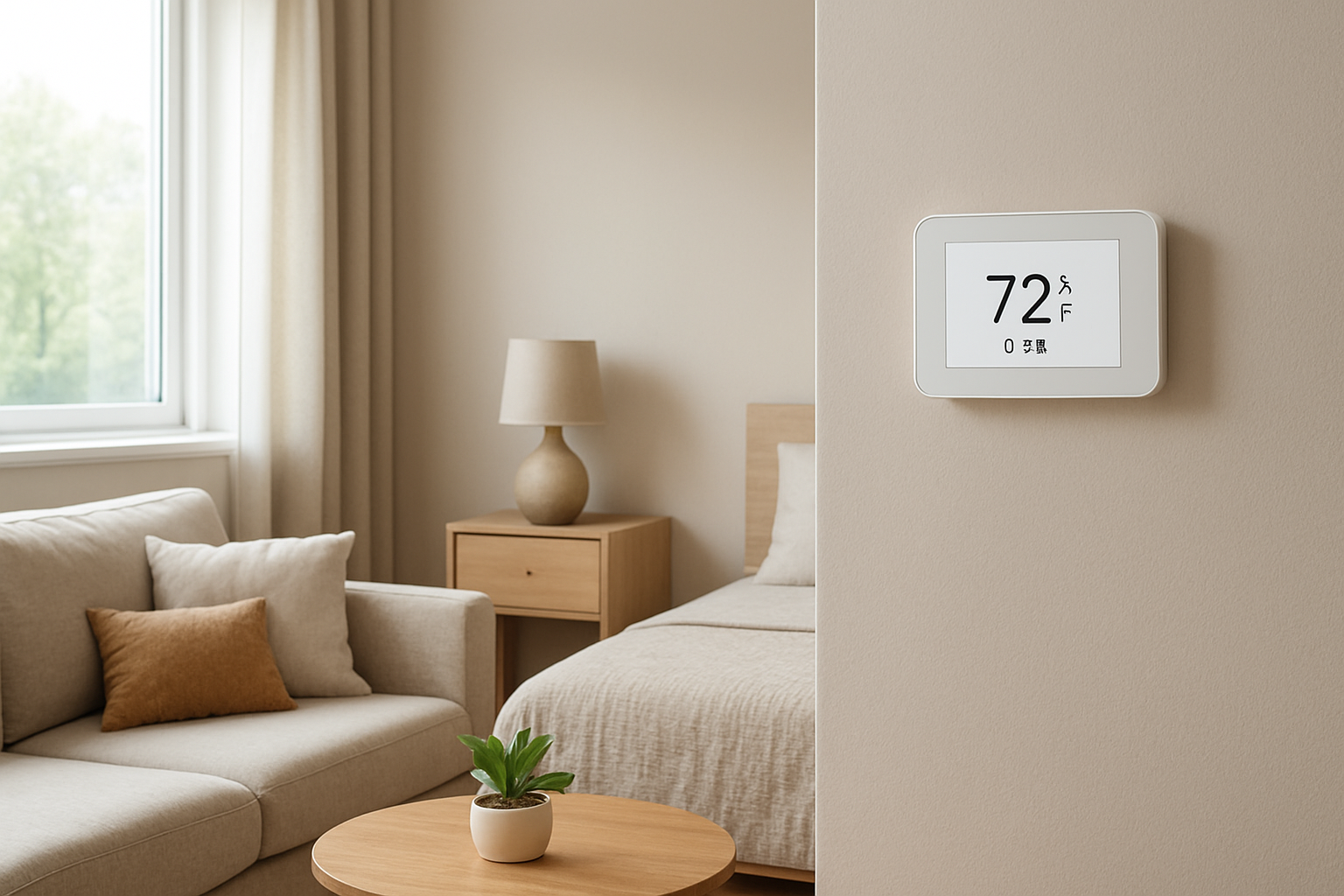
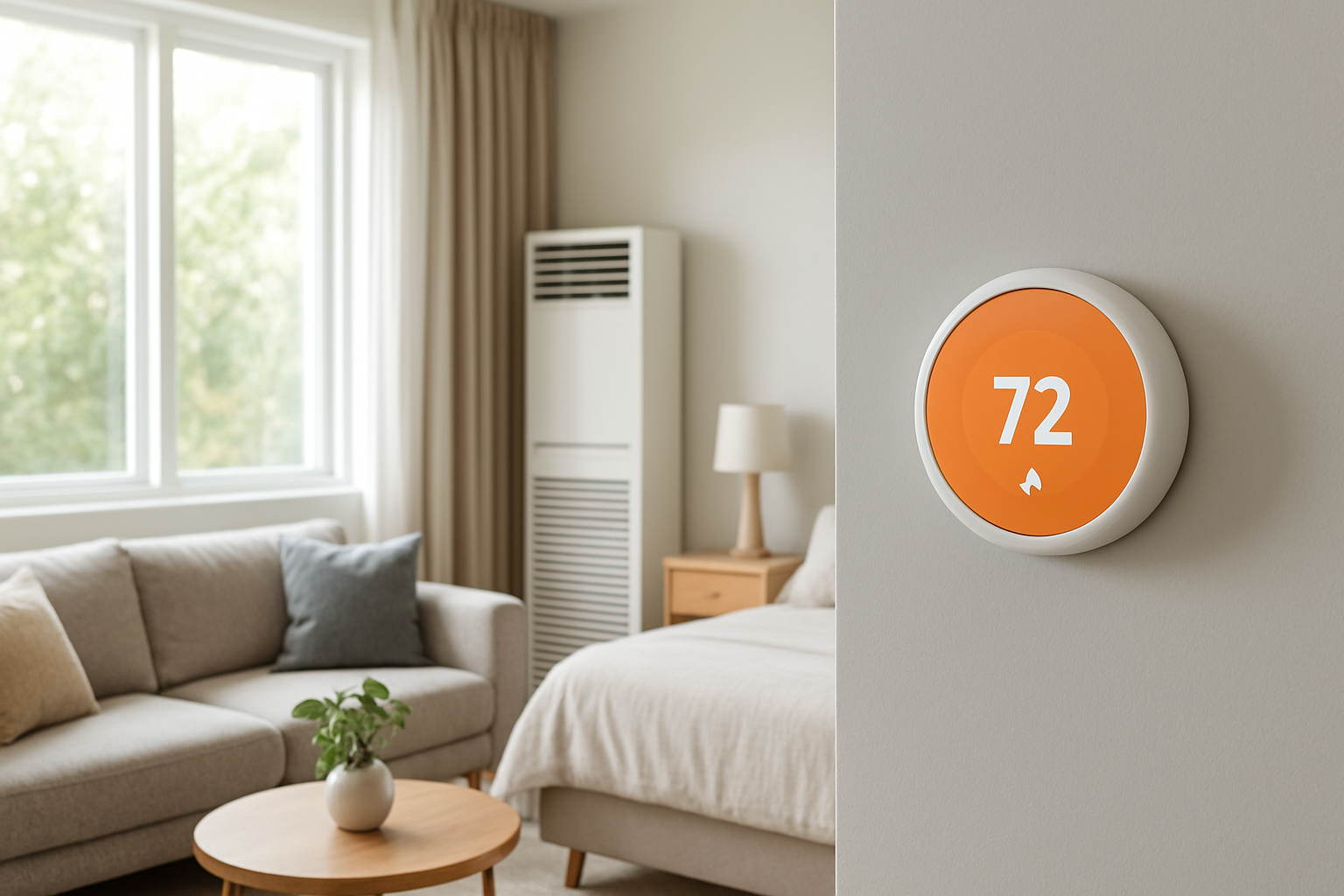
Diagnose and fix heating systems that start late in the morning by checking control programming settings and addressing possible sensor lag issues.
Heating System Starts Late In The Morning? Control Delay
Quick Answer
If your heat reliably comes on later than expected in the morning, the most likely cause is a scheduled delay from thermostat programming, recovery settings, or sensor lag that makes the thermostat think the house is warmer than it is. First check: compare the thermostat time/schedule and displayed room temperature to a separate thermometer placed next to the thermostat for 15 minutes.
Identify the Comfort Pattern First
Before assuming the heater is weak, sort out whether this is a control and sensing issue (most common) or a true heating capacity problem. Use these observations to narrow it down.
When it happens: Does the delay occur mostly on weekday mornings or after a nighttime setback? A repeating time pattern points to schedule programming, not mechanical failure.
Weather dependency: Is it worse on very cold mornings, but fine on mild mornings? That can still be control-related if the thermostat is using a slow recovery strategy or the sensor is reading warmer than the occupied space.
System status at the expected start time: At the time you expect heat, is the thermostat calling for heat (heat icon/on) but the equipment is off, or is the thermostat not calling at all? If it is not calling, the thermostat is intentionally waiting or being “fooled” by its sensor.
Where you feel it: Are bedrooms or specific zones cold while the thermostat area feels acceptable? That points to temperature stratification and sensor location rather than a late-starting furnace.
Doors open vs closed: If opening bedroom doors makes the problem seem to disappear faster, the thermostat area may be warming sooner than closed-off rooms, delaying the call for heat.
Vertical temperature difference: If upstairs/near ceiling feels warmer while the floor is cold, the thermostat (often mounted mid-wall) may read higher than the temperature you feel in the occupied zone.
Airflow strength once it finally starts: When heat finally turns on, does airflow feel normal and steady? Normal airflow with a late start is more consistent with control delay than a failing blower or restriction.
Humidity perception: If air feels dry and “cold” even after the thermostat says you are at setpoint, you may be experiencing radiant/stratification discomfort rather than true low air temperature, again leading to apparent late start.
What This Usually Means Physically
A morning late start is commonly not the furnace deciding to wake up late; it is the control deciding there is no need to run yet. That decision is based on temperature sensing and programmed logic.
Sensor lag and warm bias: A thermostat measures temperature at its location, not where you sleep or sit. If that spot warms earlier than the rest of the home (near a kitchen, hallway return, or sunlit wall), the thermostat reaches setpoint sooner and delays calling for heat, even while bedrooms remain cold.
Thermal mass and slow recovery: After an overnight setback, walls, furniture, and floors are cooler than the air. The air temperature near the thermostat can rise quickly from residual heat or early morning sun while the rest of the house remains “cold-soaked,” creating a mismatch between what the sensor reads and what occupants feel.
Air stratification: Warm air pools high. If the thermostat is influenced by warmer upper-layer air (or a return pulling warmer air past it), the control can end the off-cycle too late and the on-cycle too early.
Programmed recovery behavior: Many thermostats use adaptive recovery or smart recovery. Depending on settings, the thermostat may delay bringing on heat until it estimates it can still hit the target by a later time, especially if it has learned an incorrect heat-up rate from previous days.
Control delays that mimic equipment delay: Minimum off-times, compressor protection (on heat pumps), staging logic, and outdoor temperature lockouts can delay heat output even when you expect it, but the pattern typically repeats in a consistent, rule-based way.
Most Probable Causes (Ranked)
Thermostat schedule or wake time is not what you think
Clue: The late start happens on specific days (weekdays vs weekends) or after power loss; thermostat time is wrong by minutes to hours.
Adaptive recovery or smart recovery delaying the call
Clue: The thermostat shows it is “learning” or displays the target time, yet heat begins later than expected; changes after you adjust sleep/wake temperatures.
Thermostat temperature is reading warm relative to the living space
Clue: Thermostat shows 69–71°F while bedrooms feel clearly colder; placing a thermometer near the thermostat shows a mismatch, especially during morning sun or when cooking starts.
Sensor influenced by return airflow, drafts, or a warm wall cavity
Clue: Temperature reading changes quickly when the blower runs, interior doors open, or the sun hits the wall. The thermostat is on an exterior wall, near a return grille, near a supply register, or in a hallway with strong airflow.
Heat pump outdoor lockout or staging logic (aux heat delayed)
Clue: Thermostat calls for heat but supply air stays lukewarm longer than expected on cold mornings; the system eventually warms the house but late.
System protection timers or control board delays
Clue: You see a consistent 3–10 minute delay between a call for heat and equipment start every time, not just mornings.
How to Confirm the Cause Yourself
These checks rely on observation and simple comparisons. Do not open equipment panels or bypass controls.
Check thermostat time and schedule, then watch one full morning cycle: Confirm the wake setpoint time, the sleep setpoint time, and the current time displayed. If wake is set for 7:00 AM but you expect heat at 6:00 AM, the system is doing exactly what it was told.
Compare temperature at the thermostat to your occupied room: Put a reliable thermometer next to the thermostat for 15 minutes (not in your hand). Then place it on a dresser in the cold bedroom for 15 minutes. If the thermostat area is 2°F or more warmer than the bedroom in the morning, the control is likely being satisfied too early and starting late.
Look for sunlight influence: On a sunny morning, shade the thermostat area (close blind/door to that hallway) and see if the heat starts earlier on similar outdoor temperatures. A consistent change points to sensor bias from solar gain.
Door position test: Keep bedroom doors open for one morning and closed for the next with similar weather. If open doors reduce the late-start complaint, the thermostat location is not representative of the cold rooms, or airflow paths are causing uneven temperatures.
Confirm call-for-heat vs no call: At the time you expect heat, note whether the thermostat indicates heating. If it does not indicate heating, it is not requesting heat yet (schedule/sensor/logic). If it does indicate heating but nothing runs for several minutes, suspect delays/timers or heat pump staging behavior.
Note recovery time once heating starts: If the home warms normally after startup (setpoint reached in a reasonable time), that supports a control timing/sensing issue rather than low heating capacity.
Normal Behavior vs Real Problem
Normal: A brief delay of a few minutes after the thermostat changes setpoint, especially with heat pumps, smart thermostats, or staged equipment. Also normal: some rooms lagging behind after a large nighttime setback because surfaces and floors take longer to warm than air.
Likely a real problem: Heat does not start until 30–120 minutes after the scheduled wake time, repeats predictably, and the thermostat reading seems higher than what you feel in main rooms. Also a concern if the thermostat indicates heating but equipment does not respond for long periods, or if the start time shifts without any schedule change.
Not primarily a control delay: The system starts on time but runs constantly and still cannot reach setpoint on cold mornings. That points to capacity, airflow, or heat loss issues rather than delayed control.
When Professional Service Is Needed
Persistent mismatch: Thermostat temperature differs from a nearby thermometer by 3°F or more after 15–20 minutes of stabilization, and it affects comfort daily.
Call-for-heat with no response: Thermostat shows heating but the system does not start within 10 minutes (or repeatedly short-cycles on safety timeouts).
Performance decline: The delay is getting worse week to week, or recovery takes much longer than it used to with similar outdoor temperatures.
Safety indicators: Any fuel odor, unusual rumbling/booming at startup, repeated clicking without ignition, or frequent shutdowns. Stop using the system and schedule service.
Heat pump specific: On cold mornings, the home stays cold while the system runs with low heat output and never brings on auxiliary heat when it normally should.
How to Prevent This in the Future
Keep schedule simple and verify after changes: Large setbacks increase recovery complexity and make sensor bias more noticeable. If you use setbacks, confirm wake times and weekday/weekend programs.
Reduce thermostat location bias: Avoid leaving doors that change airflow patterns closed only at night if the thermostat is in a hallway. Consistent airflow paths create more consistent sensing.
Limit morning solar and heat sources near the thermostat: Sun on the thermostat wall or a nearby supply register can cause a warm false reading. Adjust blinds or airflow if the thermostat is obviously affected.
Use gradual setbacks: Smaller overnight temperature drops reduce cold-soak and shorten morning recovery, minimizing the window where the thermostat reads comfortable but rooms feel cold.
Replace batteries and confirm time after outages: Low batteries or resets can revert schedules or shift time settings, creating a sudden new late-start pattern.
Related Home Comfort Symptoms
Thermostat says at temperature but rooms feel cold
Bedrooms cold in the morning, living room comfortable
Heat runs at odd times or ignores the schedule
Upstairs too warm while downstairs is cold
Heat pump blows cool air at first, then warms later
Conclusion
A heating system that starts late in the morning is most often being delayed by thermostat programming, adaptive recovery behavior, or a temperature sensor that is reading warmer than the rooms you occupy. Confirm whether the thermostat is actually calling for heat at the time you expect, then verify sensor accuracy with a nearby thermometer and compare temperatures between the thermostat area and the cold rooms. If the thermostat calls for heat and the equipment still does not start within about 10 minutes, schedule professional service.
Frequently Asked Questions
Why does my heat come on later on weekdays but not weekends?
That pattern strongly indicates a programmed schedule difference between weekday and weekend settings, or a second schedule period you are not noticing. Verify the wake time for each day group and confirm the thermostat clock is correct.
My thermostat shows the right wake time, but heat still starts late. What setting causes that?
Adaptive recovery or smart recovery can change when the system starts heating. Depending on how it is configured, the thermostat may delay the call while it estimates it can still reach the target later. Disable recovery temporarily for one morning to see if start time becomes predictable.
How much temperature difference means the thermostat is in a bad spot?
If the thermostat area is consistently 2°F or more warmer than the main occupied rooms during the morning warm-up period, the thermostat can be satisfied early and delay heating. A 3°F or greater difference is usually enough to cause noticeable comfort complaints.
Could this be a furnace problem if it only happens in the morning?
It can be, but it is less likely. If the thermostat is not calling for heat, the furnace is not being asked to run. If the thermostat is calling and the furnace delays more than about 10 minutes, or you see repeated failed starts, then it may be a control board, safeties, or ignition issue that needs service.
Does a big night setback make the system start later?
Yes. A larger setback increases recovery time and exaggerates temperature differences between the thermostat location and colder rooms and surfaces. That can make the morning feel delayed even when the thermostat is following its programming correctly.
Need a complete overview? Visit the full troubleshooting guide here: Read the full guide for more causes and fixes.
Morning warmth arriving late can feel strangely personal, like the house is taking its time for no good reason. You’ve already done the hard part—getting the timing to make sense again.
After that, the day moves differently. Less waiting, fewer “really?” moments, more ordinary comfort that doesn’t demand attention.