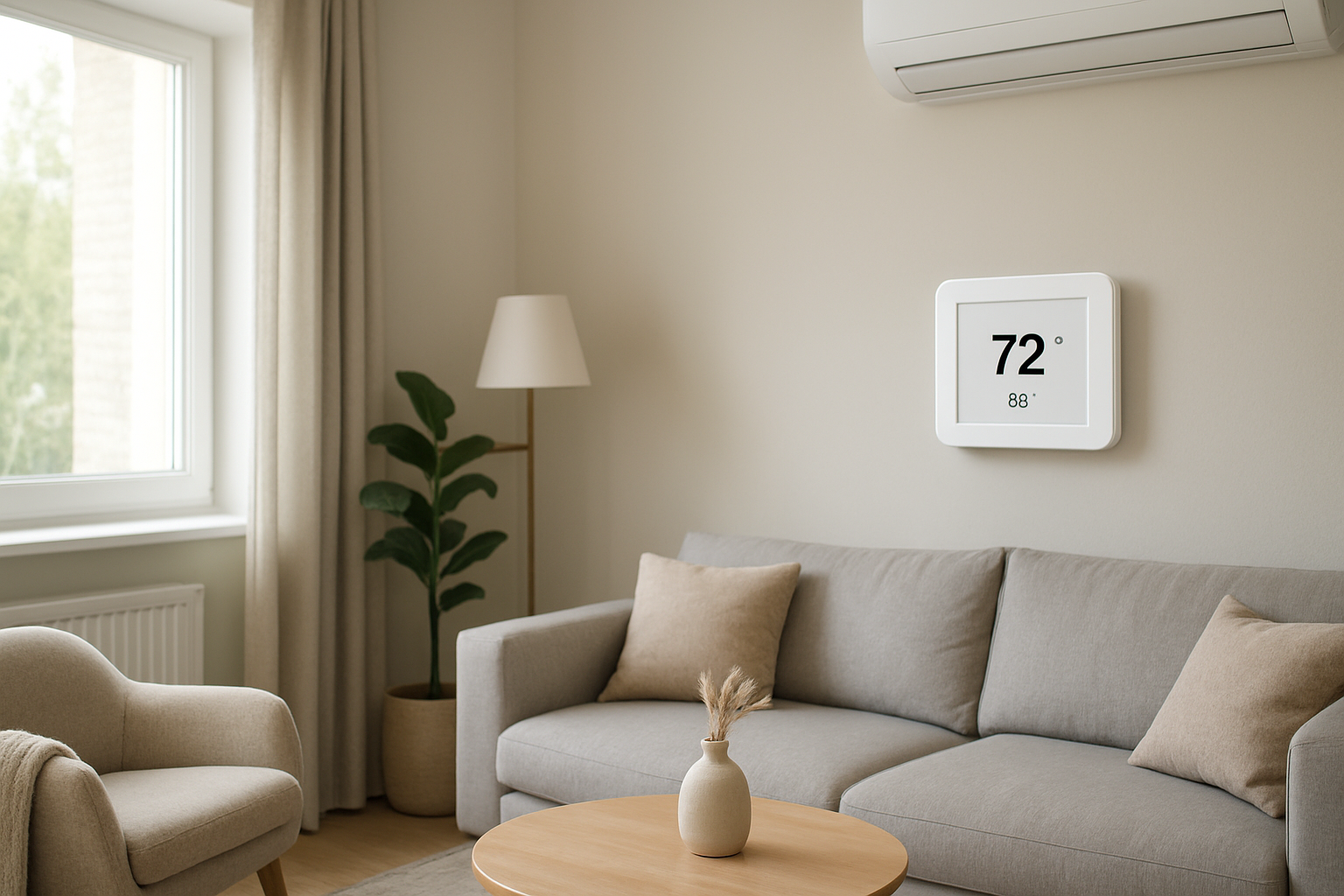
Diagnose why your heating system turns on late in the evening, focusing on thermostat scheduling issues and temperature threshold settings that may delay activation.
Heating System Turns On Late In The Evening? Here’s What’s Delaying It
Quick Answer
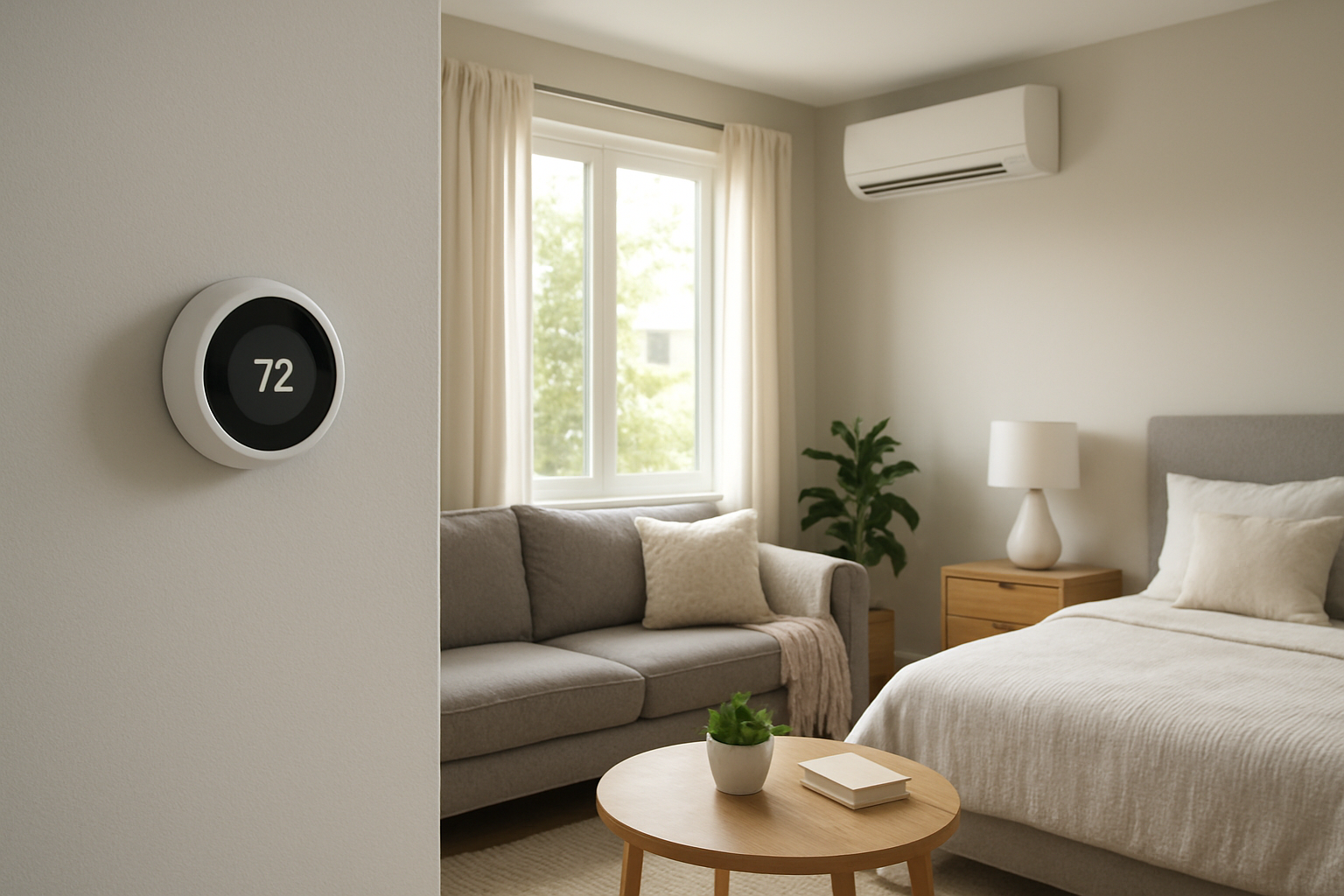
The most common reason heat starts late in the evening is the thermostat is not actually calling for heat yet due to its schedule, setback, hold/away mode, or a temperature threshold that is being met at the thermostat location. First check: look at the thermostat screen when the house feels cold and verify it shows Heating and a setpoint higher than the displayed room temperature.
Identify the Comfort Pattern First
Before changing anything, pin down the exact pattern. Delayed evening heat is usually a control decision, not a furnace defect, and the pattern gives it away.
When it happens: Does it only happen after sunset, only on milder evenings, or after a warm afternoon? Schedule and temperature thresholds show up most on shoulder-season days and after solar gain fades.
Where it happens: Is the chill mainly in bedrooms, perimeter rooms, or one floor? If the thermostat area stays comfortable longer than other rooms, the thermostat may not “see” the drop yet.
System status at the thermostat: When you feel cold, does the thermostat show Off, Heat, or Heating? If it says Heat but not Heating, it is not calling for heat yet.
Constant vs intermittent: A consistent late start time points to schedule programming or a smart thermostat routine. Random delays point more to sensor issues or mode changes (away, geofence, sleep).
Door position effect: If opening bedroom doors makes the system start sooner, the thermostat location is warming/cooling differently than the rooms that feel uncomfortable.
Vertical temperature difference: If upstairs stays warm while downstairs gets cold (or the reverse), stratification and thermostat placement can delay the call for heat in the colder occupied zone.
Humidity perception: Dry air can feel cooler at the same temperature. If the thermostat reads normal but occupants feel chilly, the system may be meeting setpoint while comfort is still low.
Airflow strength when it finally runs: If airflow is normal once it starts, the issue is usually the call-for-heat timing, not a delivery failure.
What This Usually Means Physically
The heating system turns on when the thermostat senses its measured temperature has dropped below the heating setpoint (allowing for the thermostat’s built-in differential or swing). If the thermostat’s sensor stays warm longer than the occupied rooms, the system can be physically capable of heating yet remain off because the control point has not crossed the threshold.
In the evening, three common physics effects create this mismatch:
Stored heat and solar gain: Walls, floors, and furnishings hold heat from daytime sun and internal loads. The thermostat area can stay above the heating threshold even while exterior rooms cool faster.
Heat loss at the perimeter: Bedrooms, corners, over-garage rooms, and rooms with more glass lose heat earlier. Occupants feel the drop before the thermostat area does.
Stratification and zoning behavior: Warm air rises and can pool near upstairs thermostats or ceilings. If the sensor is in a warmer layer of air, it delays the call for heat even though the lower occupied level is already uncomfortable.
When the evening finally cools the thermostat’s location enough to cross the setpoint plus its differential, the heat call starts. This can look like a heating system that “decides” to run late, but it is typically doing exactly what the thermostat is telling it to do.
Most Probable Causes (Ranked)
Thermostat schedule setback or program timing
Diagnostic clue: the heat starts at nearly the same late-evening time each day and the thermostat shows a different setpoint earlier in the evening (often a lower setback).
Diagnostic clue: thermostat history shows “Away” or “Eco” periods, or the setpoint changes automatically without anyone touching it.
Temperature threshold not crossed due to thermostat differential/swing
Diagnostic clue: the room feels cool but the thermostat is only 0.5–2.0°F below setpoint, so it does not call yet (or it waits for a larger drop before turning on).
Thermostat location is warmer than the rooms that feel cold
Diagnostic clue: hallway/living area near the thermostat is comfortable while bedrooms/perimeter rooms are chilly; opening doors or running a fan makes the heat start sooner.
Thermostat sensor reading high due to local heat sources
Diagnostic clue: thermostat near a kitchen, TV, lamp, supply register, or on a wall warmed by late sun; a small nearby heat source delays the call for heat.
Secondary heating stage or auxiliary heat delay (heat pump systems)
Diagnostic clue: the system runs but doesn’t feel warm enough until later; thermostat may be limiting auxiliary heat or staging based on outdoor temperature or time delay.
How to Confirm the Cause Yourself
These checks use observation and simple comparisons. Do not open equipment panels or modify wiring.
Check thermostat status at the moment you feel cold: Note the displayed room temperature, the heat setpoint, and whether it says Heating. If setpoint is not higher than room temperature, the thermostat is not requesting heat.
Compare two locations: Put a basic thermometer in the room that feels cold and another near the thermostat for 20–30 minutes. If the cold room is 2–5°F cooler than the thermostat area, the delay is likely location/sensor-related rather than a furnace issue.
Temporarily raise the setpoint 2–3°F: If the system starts within a minute or two, the heating equipment is responding and the problem is call timing (schedule, differential, or sensor placement), not a failure to ignite or run.
Look at the schedule screen: Verify the evening setpoint and the time it is programmed to change. Many thermostats have separate weekday/weekend programs or multiple periods (wake/away/home/sleep) that can unintentionally keep the setpoint low until late.
Check for holds and automatic modes: Confirm you are not in Permanent Hold at a low setting, Vacation mode, Eco, or utility demand response. If the thermostat shows a small leaf icon or “eco,” it may be intentionally delaying heat.
Door test for thermostat isolation: If bedrooms are cold, open doors for 30–60 minutes. If the thermostat begins calling for heat sooner or the comfort improves without heat, airflow and temperature mixing are part of the delay.
Vent influence check: Stand near the thermostat and see if a supply register or return grille is strongly affecting that spot. If supply air blows across the thermostat location, it can satisfy the sensor early and delay later evening calls.
Review thermostat history: Many smart thermostats show an hourly graph. If the “late start” aligns with a setpoint change rather than a temperature drop, it is scheduling/automation.
Normal Behavior vs Real Problem
Normal: Heat does not run until the thermostat drops below setpoint by the thermostat’s built-in swing. On mild evenings or after a sunny day, your home may coast for hours before needing heat. A delay is expected if the thermostat location stays warm.
Normal: Some thermostats intentionally delay heating when in Eco/Away or when adaptive recovery is learning patterns (it may start earlier or later while it adjusts).
Potential problem: Thermostat reads 3°F or more warmer than nearby rooms consistently, causing chronic evening discomfort in occupied rooms.
Potential problem: Thermostat shows Heating but the system does not start within a few minutes (this shifts away from scheduling and into equipment/control faults).
Potential problem: The system starts late and then must run excessively long to recover, suggesting the setback is too deep, the home loses heat quickly in the evening, or airflow is not distributing heat to the rooms that need it.
When Professional Service Is Needed
Call for service if: the thermostat indicates Heating but the furnace/air handler does not start, starts and stops rapidly, or displays error/alarm messages.
Call for service if: you have repeated evening comfort complaints and you confirm a 3–5°F difference between the thermostat area and the rooms you occupy. A technician can verify thermostat placement, check return/supply balance, and confirm sensor accuracy.
Call immediately if: you smell gas, see soot, hear unusual booming at startup, or carbon monoxide alarms activate. Leave the home and contact appropriate emergency services and your utility or HVAC contractor.
Service is justified if: recovery from your programmed setpoint takes more than 60–90 minutes on normal cold evenings, even though the thermostat is calling for heat. That points to delivery/capacity issues beyond simple scheduling.
How to Prevent This in the Future
Set an evening comfort setpoint before you feel it: If you want heat earlier, move the scheduled increase earlier by 30–90 minutes rather than raising the setpoint reactively.
Reduce deep setbacks: Large setbacks can create a long recovery window and make the system feel late. Use smaller step-downs so the house doesn’t fall behind your comfort needs.
Use holds intentionally: If you use Away/Eco, confirm the exit conditions (geofence radius, schedule resume time) so it does not stay in energy-saving mode into the evening.
Improve thermostat sensing: Keep nearby supply air, lamps, electronics, and sunlight from influencing the thermostat. If the thermostat is in a consistently warmer spot than living areas, discuss relocating it or adding a remote sensor in the rooms you occupy in the evening.
Keep doors and return airflow in mind: Closed bedroom doors can isolate rooms from the thermostat and return path. If comfort improves with doors open, consider adding return pathways or adjusting supply/return balance with a professional.
Related Home Comfort Symptoms
Bedrooms get cold first but the thermostat reads comfortable
Heat runs at the wrong times after installing a smart thermostat
Thermostat says it is satisfied but rooms feel chilly
Evening temperature swing between living room and hallway
Heat pump runs but auxiliary heat only comes on very late
Conclusion
When heating consistently turns on late in the evening, the most likely cause is that the thermostat is not calling for heat yet due to schedule, automation modes, or a temperature threshold that is being met at the thermostat location even while other rooms cool down. Confirm it by checking whether the thermostat shows Heating when you feel cold and by comparing temperatures near the thermostat versus the cold rooms. If the thermostat is calling and the system still delays, schedule professional diagnosis.
Frequently Asked Questions
Why does my heat wait until late evening even though I feel cold earlier?
Most often the thermostat location is staying warmer than the rooms you are in, or the thermostat is in a scheduled setback/eco period. Your cold rooms can drop several degrees before the thermostat sensor crosses its heating threshold, so the system remains off until later.
If I raise the thermostat and it starts right away, what does that prove?
It strongly suggests the heating equipment can respond normally and the issue is timing of the call for heat. That points to schedule programming, smart modes, thermostat differential/swing, or sensor placement rather than a furnace that cannot start.
What thermostat setting causes the biggest perceived delay?
A deep evening setback combined with a thermostat that has a wider temperature swing can delay the first call for heat. The home can coast above the threshold for a while, then drop quickly after sunset, making the start feel late and abrupt.
Can closed bedroom doors make the heating seem delayed?
Yes. Closed doors can isolate bedrooms from the thermostat area and restrict return airflow paths. The thermostat may stay satisfied while bedrooms cool sooner, especially in perimeter rooms. If opening doors reduces the problem, airflow mixing and pressure/return limitations are contributing.
Does this mean my furnace is failing?
Not usually. If the system heats normally once it starts and responds promptly when you raise the setpoint, it is rarely a furnace failure. It becomes a service issue when the thermostat shows Heating but the equipment does not start, or when recovery times are consistently excessive.
Need a complete overview? Visit the full troubleshooting guide here: Read the full guide for more causes and fixes.
There’s a particular kind of late-night hush that comes from waiting on warmth—like the house is politely pretending it doesn’t notice the temperature dropping. But when the timing finally clicks into place, the whole evening feels less stretched out and more yours again.
Minor delays, small frictions, that sort of thing add up, especially on the days you just want things to behave. The good news is you can leave the wondering behind and let the night land on schedule, even if it started off a little stubborn.