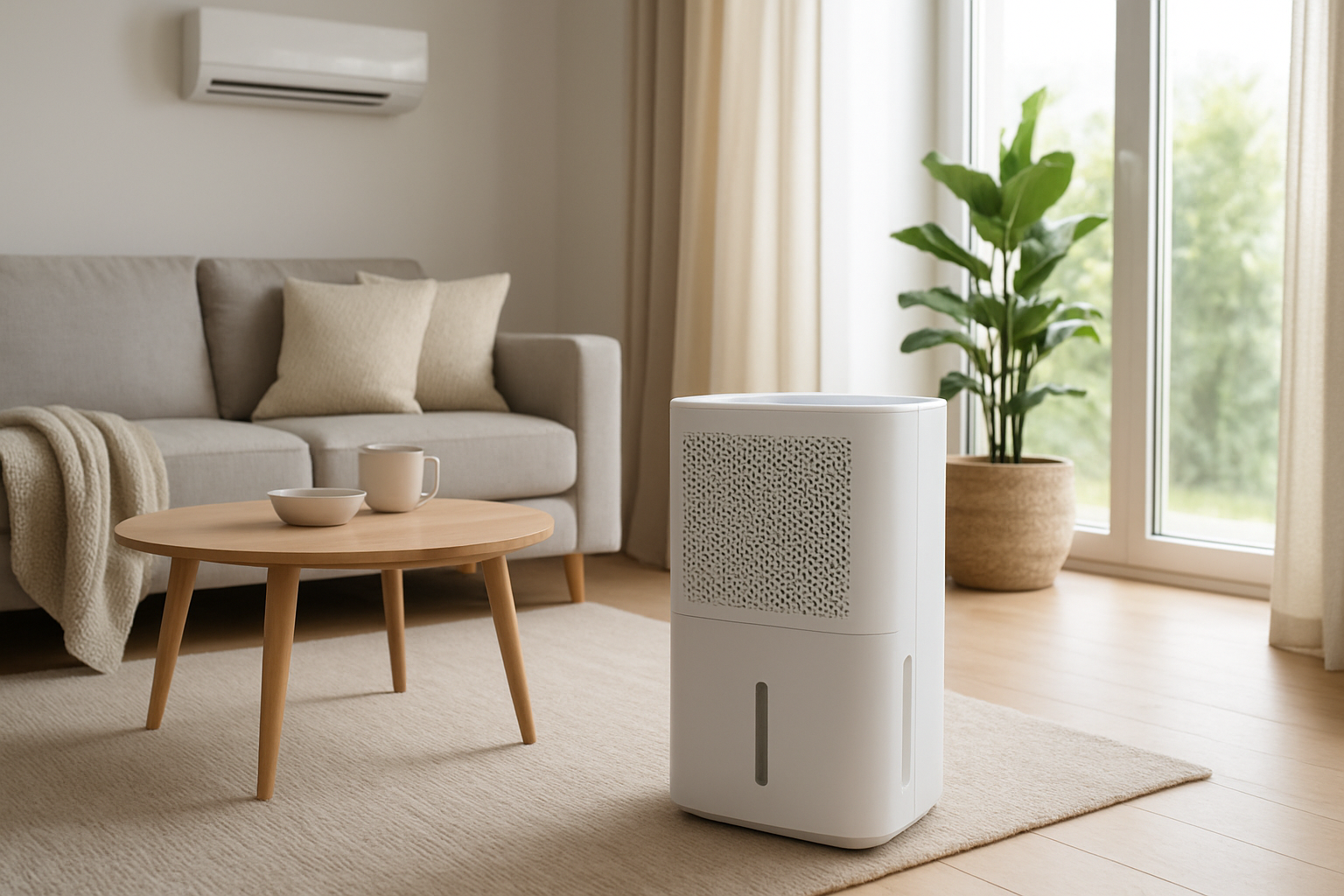
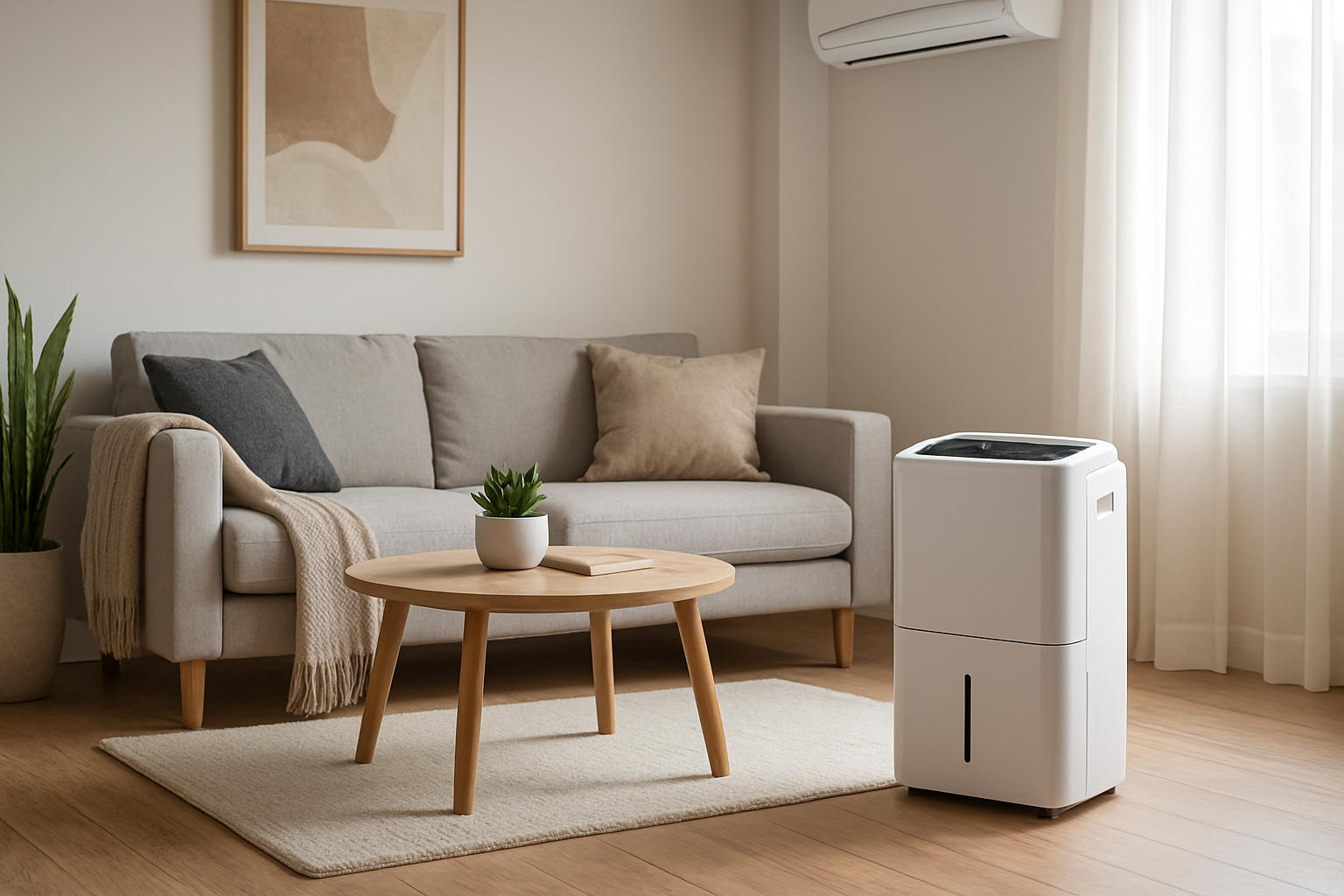
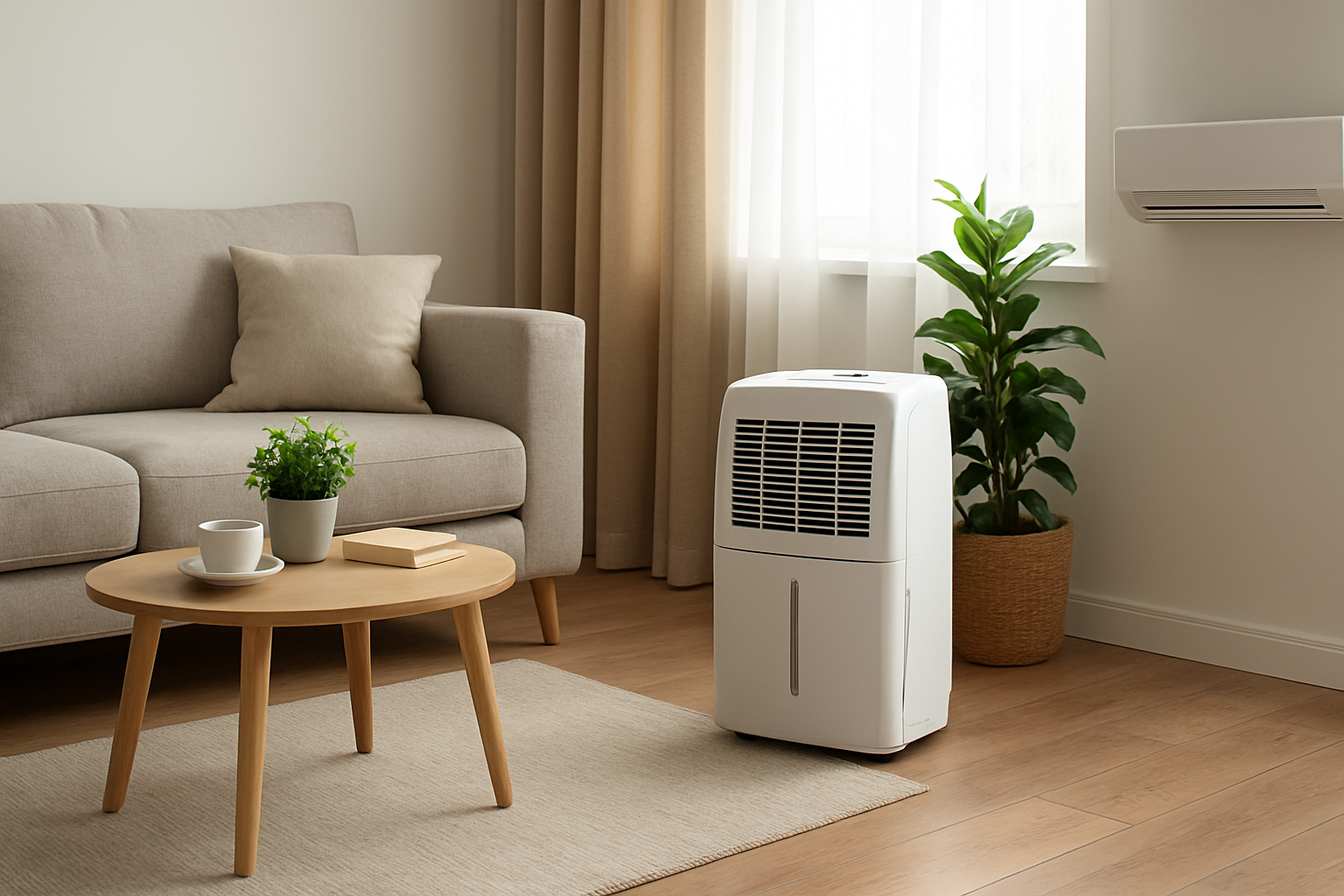
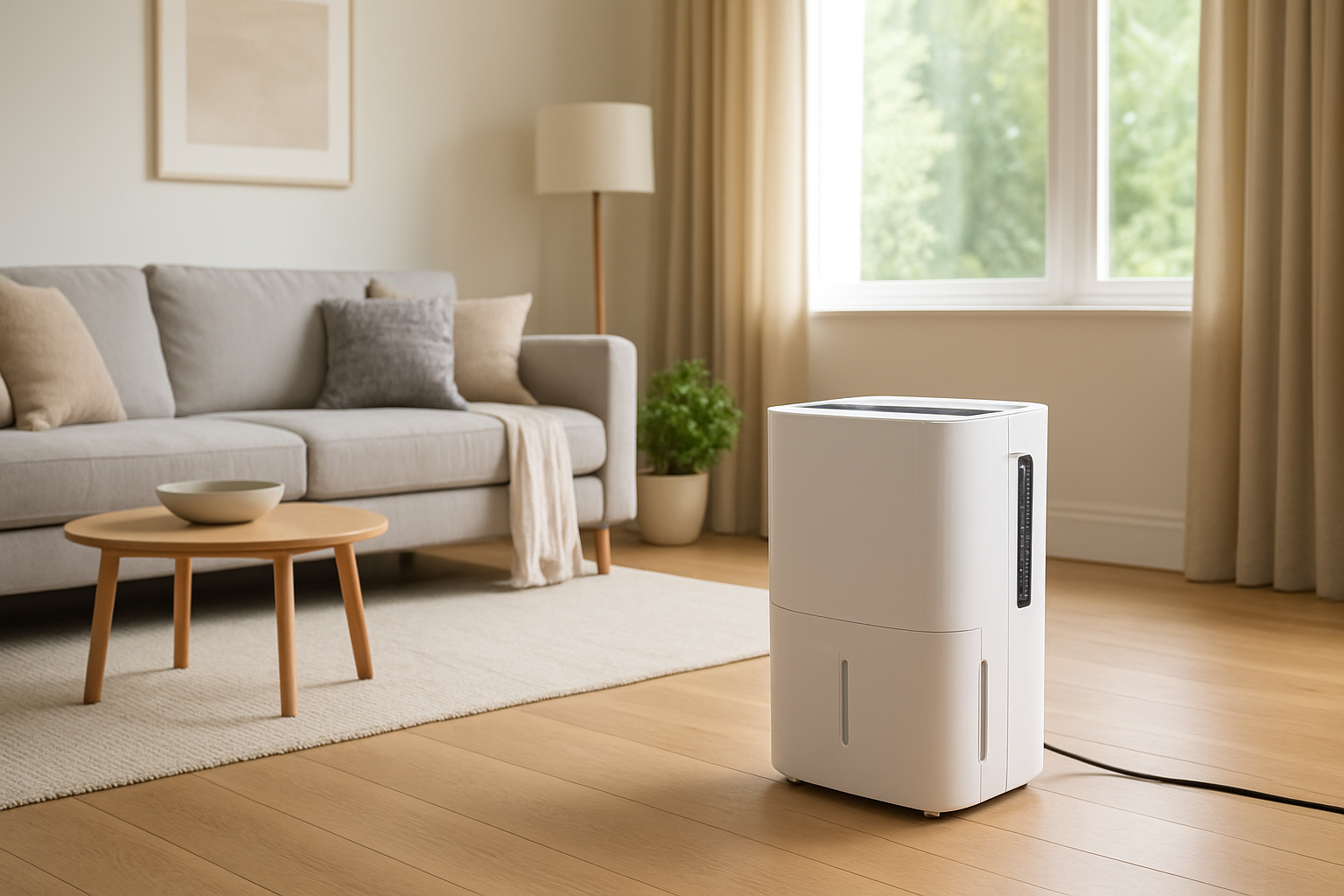
Learn how low relative humidity can cause your dehumidifier to take hours to collect water and what to check if dehumidification seems unusually slow.
Dehumidifier Takes Hours To Collect Water? Low Moisture Load
Quick Answer
If your dehumidifier takes hours to collect water, the most likely reason is a low relative humidity level in the space, meaning there is simply not much moisture available to remove. First check: verify room humidity with a separate hygrometer placed away from the unit. If the room is already around 45–55% RH (or lower), slow water collection is normal.
Identify the Comfort Pattern First
Before assuming the dehumidifier is weak or failing, sort out whether the space is actually humid enough to produce steady condensate. These patterns usually point to a low moisture load rather than a malfunction.
When it happens: Water collection is slow on cooler days, at night, or during dry weather; it’s faster during rain, after showers, or during muggy afternoons.
Where it happens: The unit runs in a bedroom, finished basement, or closed office that feels comfortable, not clammy; adjacent areas may feel similar.
System running vs off: Collection slows significantly when the air conditioner is running a lot (AC is already removing moisture). It increases when AC runtime drops.
Constant vs intermittent: The fan and compressor cycle, but the bucket level rises slowly and steadily rather than rapidly.
Doors open vs closed: With doors open to a larger area, the unit may run longer but still make little water if the whole level is already dry. With doors closed, it may reach setpoint quickly and cycle off.
Vertical differences: Basement air may feel cool but not damp; upstairs may feel warmer but not sticky. If there is no strong clammy layer near the floor, moisture load may be low.
Humidity perception: Little to no muggy feeling, no musty odor increase, towels and fabrics dry normally, windows show minimal condensation.
Airflow strength: Airflow may feel normal; the symptom is mainly low water production, not poor air movement.
What This Usually Means Physically
A dehumidifier collects water only when the air passing over its cold coil drops below its dew point so moisture condenses. If relative humidity is already moderate to low, the dew point is low and there is less water vapor available per cubic foot of air. That reduces the condensation rate, so the bucket fills slowly.
Two real-home factors commonly reinforce this:
The space moisture load is genuinely low: No active moisture sources, limited outdoor infiltration, and dry outdoor air means the dehumidifier has little work to do.
The air conditioner or heating system is already controlling humidity: AC removes moisture while cooling. In some homes, long AC runtimes can keep RH low enough that a portable dehumidifier becomes redundant.
In short, the machine may be operating correctly, but the building conditions do not provide enough water vapor to produce fast collection.
Most Probable Causes (Ranked)
Room RH is already near the setpoint or below it: Hygrometer readings hover around 40–55% RH and the unit cycles or runs with minimal water collected.
Air conditioner is doing most of the dehumidification: On days with heavy AC runtime, the dehumidifier collects very little; on mild humid days when AC runs less, it collects more.
Cool room temperature lowers output even at the same RH: Basements at 60–65°F often yield slow collection because the coil has less temperature difference and the air holds less moisture; the room may not feel humid despite long runtime.
Hygrostat reading or placement makes the unit think it is drier than it is: The unit is near a supply register, near a draft, or in a tight corner; it satisfies early and reduces condensation time.
Expectations are based on rated capacity, not real conditions: The label rating assumes warm, very humid air. Normal living conditions rarely match that, so real-world gallons per day are much lower.
How to Confirm the Cause Yourself
These checks rely on observation and simple comparison. They help you confirm low moisture load without tools beyond a basic hygrometer.
Verify humidity with an independent sensor: Place a separate hygrometer 3–6 feet away from the dehumidifier, not in the discharge air. Wait 20–30 minutes and note RH. If the room is consistently at or below 50–55% RH, slow water collection is expected.
Compare collection on different weather days: Note bucket rise on a rainy or muggy day versus a dry day. If collection increases noticeably with humid weather, the unit is responding normally to changing moisture load.
Check the AC interaction: On a day when AC runs frequently, measure RH and bucket rise. Then compare to an evening or mild day when AC runs less. If the dehumidifier collects more when AC runs less, the home is already being dried by AC.
Close the space and observe stabilization: If used in a room, close doors and windows for 2–3 hours. If RH drops to the setpoint and the dehumidifier cycles with minimal water thereafter, the moisture load is small and under control.
Watch room temperature impact: Note whether the space is below 65°F. If it is cool and RH is moderate, expect long run times and slow bucket fill. The air simply contains less total water vapor.
Check for real moisture indicators: Look for window condensation, musty odor increase, dampness at baseboards, or soft/swollen wood. If these are absent and RH is moderate, low water collection is not a red flag.
Normal Behavior vs Real Problem
Normal behavior: A dehumidifier may take many hours to collect noticeable water when indoor RH is already controlled. If your readings are roughly 40–55% RH, the unit may run and only produce a small amount of condensate. In a cool basement, it may run longer while producing less water than expected.
Likely a real problem: If RH stays above 60% for long periods in the target area and the unit still produces very little water, something is limiting performance. Other warning signs include warm discharge air with no temperature change over time, rapid short-cycling that never reduces RH, or clear comfort issues like persistent clamminess and musty odor despite long runtime.
When Professional Service Is Needed
Persistent high humidity: The space remains above 60% RH for more than 24–48 hours with the dehumidifier running appropriately and doors/windows controlled.
Comfort or building impact: Ongoing condensation on windows, visible mold growth, damp odors that return quickly, or moisture damage signs.
Performance decline: Water production used to be higher under similar conditions and dropped noticeably while RH remains elevated.
Possible system interaction issues: If the home swings between too dry and too humid depending on HVAC operation, a technician can evaluate ventilation, AC latent performance, and infiltration drivers.
How to Prevent This in the Future
Control to a realistic target: Set dehumidifiers to maintain about 45–55% RH in most living areas. Lower setpoints often increase runtime without meaningful comfort benefit in already-dry conditions.
Place the unit where it reads correctly: Keep it away from supply registers, exterior doors, and direct discharge recirculation. Poor placement can cause early satisfaction and misleading results.
Match expectations to conditions: Judge performance by RH reduction and comfort, not bucket volume alone. Water production varies heavily with temperature and starting humidity.
Coordinate with AC operation: If AC keeps the home at a stable RH, run the dehumidifier only during shoulder seasons, rainy periods, or in isolated damp zones.
Reduce moisture sources when needed: Use bath exhaust during showers and cover open sump pits. This keeps humidity stable so the dehumidifier is only a backstop, not a primary solution.
Related Home Comfort Symptoms
Dehumidifier runs constantly but RH won’t drop
Basement feels cool and clammy even with a dehumidifier
AC runs a lot and indoor air feels too dry
High humidity only after showers or cooking
Musty odor with normal hygrometer readings
Conclusion
If your dehumidifier takes hours to collect water, the highest-probability explanation is low relative humidity and a low moisture load in the space, often helped by AC dehumidification or dry outdoor conditions. Confirm with an independent hygrometer placed away from the unit. If the area is consistently under about 55% RH and feels normal, slow bucket filling is expected. If RH stays above 60% with little water collected, move to performance troubleshooting or professional evaluation.
Frequently Asked Questions
How much water should a dehumidifier collect per day?
It depends on room temperature and starting humidity. Ratings are typically based on warm, very humid conditions. In real homes at 65–75°F and 45–55% RH, it may collect very little once the space is stable. Use RH reduction as the main performance indicator, not gallons per day.
My dehumidifier runs but the bucket barely fills. Is it doing anything?
If the room RH is already near the setpoint (commonly 45–55% RH), it may be maintaining rather than removing large amounts of moisture. Confirm with a separate hygrometer. Low bucket volume with stable, moderate RH usually indicates normal operation.
Why does it collect more water on some days than others?
Moisture load changes with weather, ventilation, infiltration, showers, cooking, and AC runtime. Humid outdoor air leakage or rainy weather raises indoor dew point and increases condensation rate. Dry weather or heavy AC use reduces available moisture and slows collection.
Does a cool basement make a dehumidifier collect less water?
Yes. Cooler air holds less water vapor, and many dehumidifiers remove moisture more slowly as temperature drops. A basement at 60–65°F can show slower collection even if the unit runs for long periods. Verify RH and consider whether the space actually needs lower humidity.
What RH reading means my dehumidifier should be making water consistently?
If the measured RH in the target area is consistently above about 60% at typical room temperatures, you should usually see more consistent water collection over time. If RH is below about 55%, long collection times are normal and often indicate the space is already dry enough.
Need a complete overview? Visit the full troubleshooting guide here: Read the full guide for more causes and fixes.
When the air stays stubbornly dry, the machine can look like it’s working hard without getting much to show for it. Hours can pass, and you start doubting your own eyes—then reality catches up.
That slow trickle doesn’t mean something’s broken; it just means the conditions are being stingy. There’s a certain peace in watching it finally do what it’s meant to do, even if it takes a little longer than you hoped.