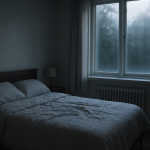
A bedroom can feel stuffy and heavy at night even when the thermostat looks normal, and the cause is often airflow, humidity, or stale indoor air.
Introduction
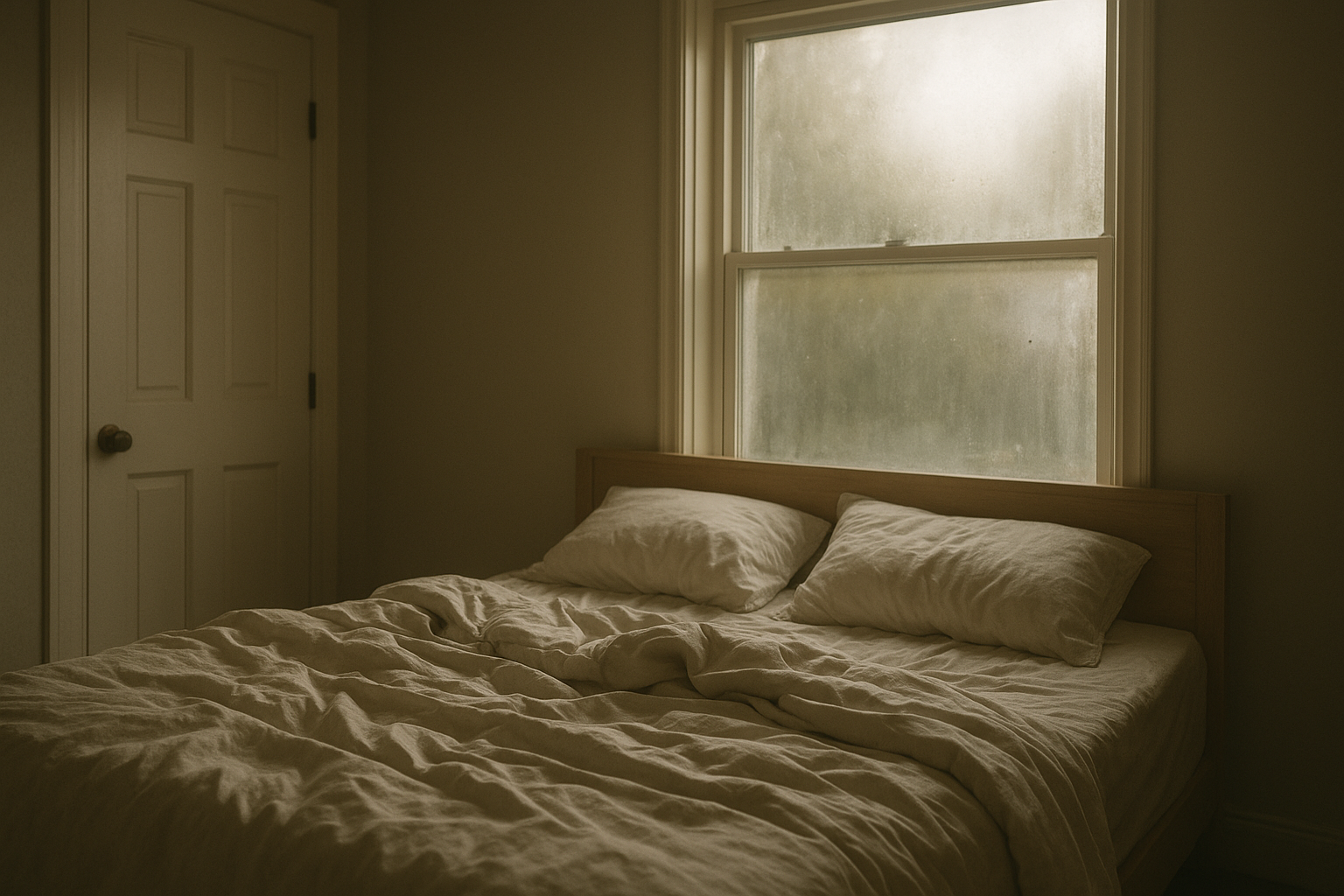
You go to bed and nothing seems obviously wrong. The thermostat says the room is fine. The sheets are clean. The fan might even be on. But sometime in the middle of the night, the bedroom starts to feel different. Not exactly hot. Not exactly humid. Just heavy.
It can be such a strange feeling because the relief comes fast the moment you step into the hallway. A person wakes up groggy, leaves the room for a minute, and suddenly feels more awake. The air feels easier. Lighter. Then you walk back in and notice it again.
Something just feels off.
Why This Situation Feels So Frustrating
Part of what makes this annoying is how personal it feels. Your bedroom is supposed to be the place where your body settles down. It is the private part of the house, the room where you close the door, shut out the day, and try to rest. So when the air feels stale or trapping at night, it gets under your skin more than it would in a kitchen or living room.
There is also the weird push and pull of it. You want the door closed for privacy, quiet, maybe even security. But if the room feels better with the door open, then sleep starts to feel like a compromise. A couple might notice the room feels heavier after a night with the door shut, and by morning both people are a little more irritable, a little more foggy, without fully knowing why.
And once you notice it, it is hard to ignore.
The frustrating part is not just discomfort. It is not knowing whether this is a real problem or just one of those normal nighttime things everyone deals with and never talks about.
What People Usually Notice First
Most people do not describe this as a temperature issue at first. They say the room feels stuffy by early morning even though it felt normal in the evening. Or they lie in bed feeling slightly clammy while the thermostat reads a perfectly reasonable number. Sometimes it is more of a pressure feeling than a heat feeling, like the room has gone flat overnight.
Sharing the space tends to make it more obvious. Two people breathing in a closed room can change how the air feels by morning, especially in a smaller bedroom. You may not be able to point to one dramatic sign, but the room seems duller, heavier, less fresh. Sleep feels shallower. Waking up feels harder.
That groggy feeling matters. Not because it always signals danger, but because people know their own bedrooms. If leaving the room brings quick relief, your body is telling you it notices a difference even if the numbers on the wall do not explain it.
Why It Can Be Confusing
This is where people start second-guessing themselves. The temperature seems okay, so why does the room still feel bad? If the whole house shared the same heating and cooling system, why would only one bedroom feel this way? And if opening the door helps almost immediately, what exactly changed?
Usually, what you are noticing is not just temperature. It can be a mix of reduced airflow, rising humidity from breathing, a room that does not ventilate well, or air that simply gets stale faster than the rest of the house. Bedrooms often stay closed for hours. Windows stay shut. Supply vents may push air in, but if return airflow is weak or blocked, the room can start to feel sealed off rather than refreshed.
That is one reason this particular kind of discomfort is easy to dismiss at first. It does not always show up as heat. It shows up as a room that feels tired.
If you want a closer look at some of the common reasons this happens, this piece on why bedroom air feels thick at night gets into the mechanics without making it sound more dramatic than it is.
The Hidden Impact on Daily Comfort
Small changes in air can affect sleep more than people expect. A bedroom does not need to become unbearable to interfere with rest. It just has to become mildly uncomfortable for long enough. That is often enough to leave you waking up feeling unrested, headachy, or vaguely irritated, especially if it happens night after night.
It is not a big issue on paper. But it does not feel small.
Home comfort is like that. People often think of comfort as a number on a thermostat, but anyone who has spent a night in a room that feels stale knows better. Comfort is sensory. It is how easy the room feels to breathe in, how calm your body feels once the lights are out, whether the space helps you settle or keeps you half-aware all night.
There is a mood side to it too. If your own bedroom feels close and unpleasant, the whole evening can feel subtly off. The space stops feeling like a refuge. That matters more than people sometimes admit.
When It’s Probably Nothing Serious
In a lot of cases, this is just normal nighttime stuffiness made more noticeable by a particular room setup. A smaller bedroom, two sleeping adults, a closed door, limited return airflow, thick bedding, and a long stretch with no fresh air movement can be enough to create that heavy feeling by morning.
Seasonal changes can make it worse. In humid weather, bedrooms can hold onto moisture. In winter, sealed-up homes can make rooms feel stagnant in a different way. Dust, rugs, curtains, and crowded furniture can also affect how fresh a room feels without pointing to any serious hazard.
Sometimes the answer is simply that one room does not breathe very well.
If the discomfort goes away quickly when the door opens, and there are no strong odors, no visible moisture problems, and no symptoms beyond mild stuffiness or grogginess, it may just be a ventilation and airflow issue rather than anything urgent.
When You Should Pay More Attention
Still, there are times when it makes sense to take the problem more seriously. If that heavy feeling comes with frequent headaches, unusual shortness of breath, worsening allergies, a musty smell, condensation, damp spots, or a sense that the room is always clammy, the issue may be more than ordinary overnight stuffiness.
A bedroom that feels consistently worse than the rest of the home can sometimes point to blocked vents, poor return air design, hidden humidity problems, or even a small moisture issue inside walls or around windows. If one room is always off, there is usually a reason.
Trust that instinct.
You do not need to panic, but you also do not need to talk yourself out of what you are noticing. If the room repeatedly leaves you feeling unwell, if the air feels stale every night no matter the season, or if anyone in the room has asthma or other breathing sensitivities, it is worth investigating more carefully.
Simple Ways to Improve Comfort
The easiest thing to try is also the thing people often resist for understandable reasons: give the room a little more air exchange. Even cracking the door for part of the night can make a noticeable difference. If privacy is the issue, you might experiment before bed and again in the early morning just to see how quickly the room changes.
A portable fan can help too, not because it fixes every cause, but because moving air often makes a stale room feel less trapped. Checking that supply vents are open and not blocked by furniture is worth doing. So is making sure return pathways are not restricted if your home depends on central air movement from room to room.
If the room tends to feel clammy, reducing humidity may matter more than lowering temperature. Bedding, mattress materials, and even overcrowded corners of the room can hold heat and moisture longer than you think. Sometimes a bedroom needs less stuff in it to feel better. Sometimes it needs one practical change, not five.
And sometimes the answer is boring. Those are often the best fixes.
Conclusion
A bedroom can feel uncomfortable and heavy at night even when the temperature seems fine because comfort is not just about temperature. It is about airflow, moisture, freshness, and the way a room changes after hours of being closed up and lived in while you sleep.
If the problem is mild and occasional, it may be normal stuffiness. If it keeps happening, especially in one room and especially with the door shut, your home may be giving you a small clue about ventilation or humidity that is easy to miss during the day.
You are not imagining it. The room can look fine on paper and still feel wrong at 3 a.m. And for something as personal as sleep, that is reason enough to pay attention.