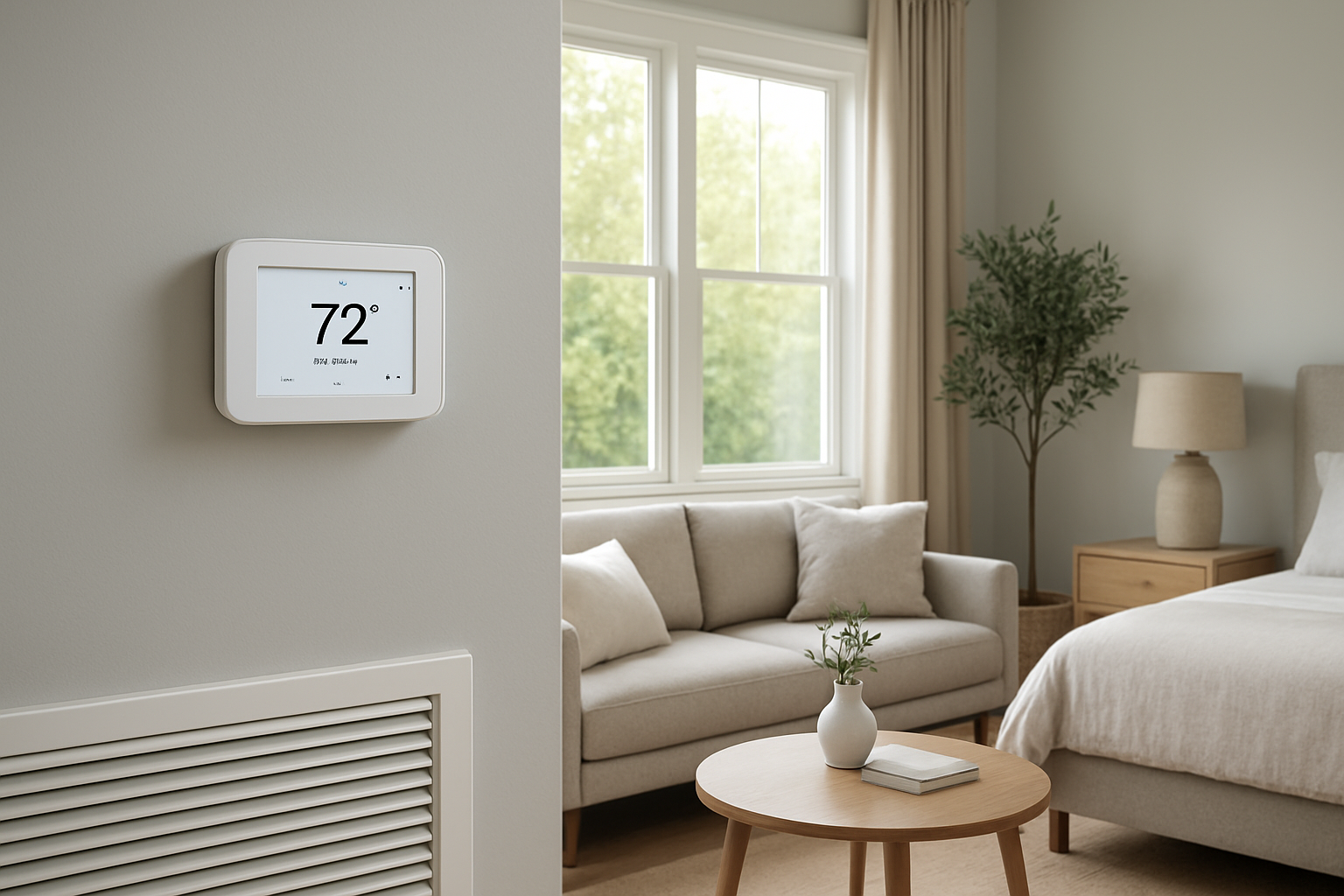
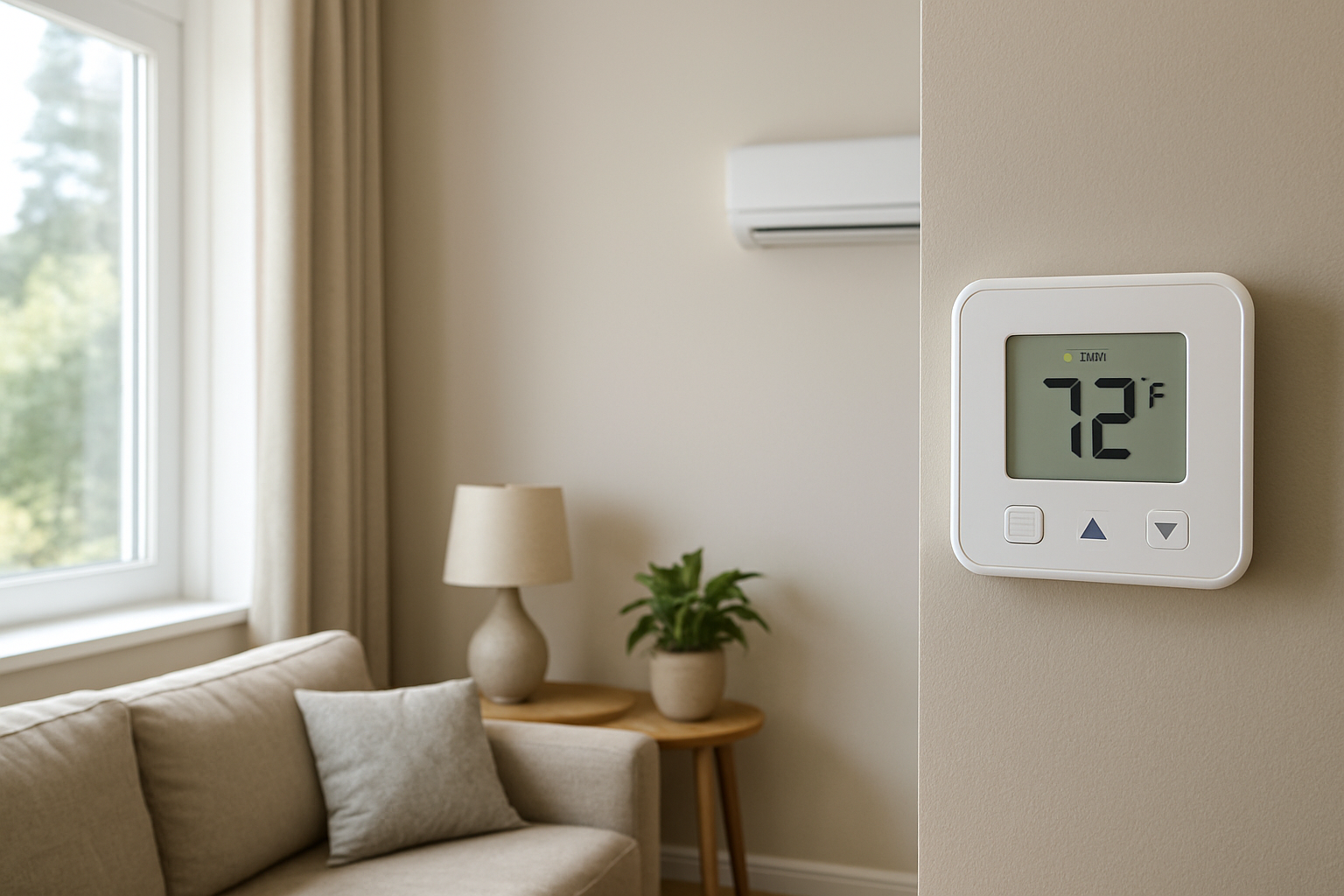
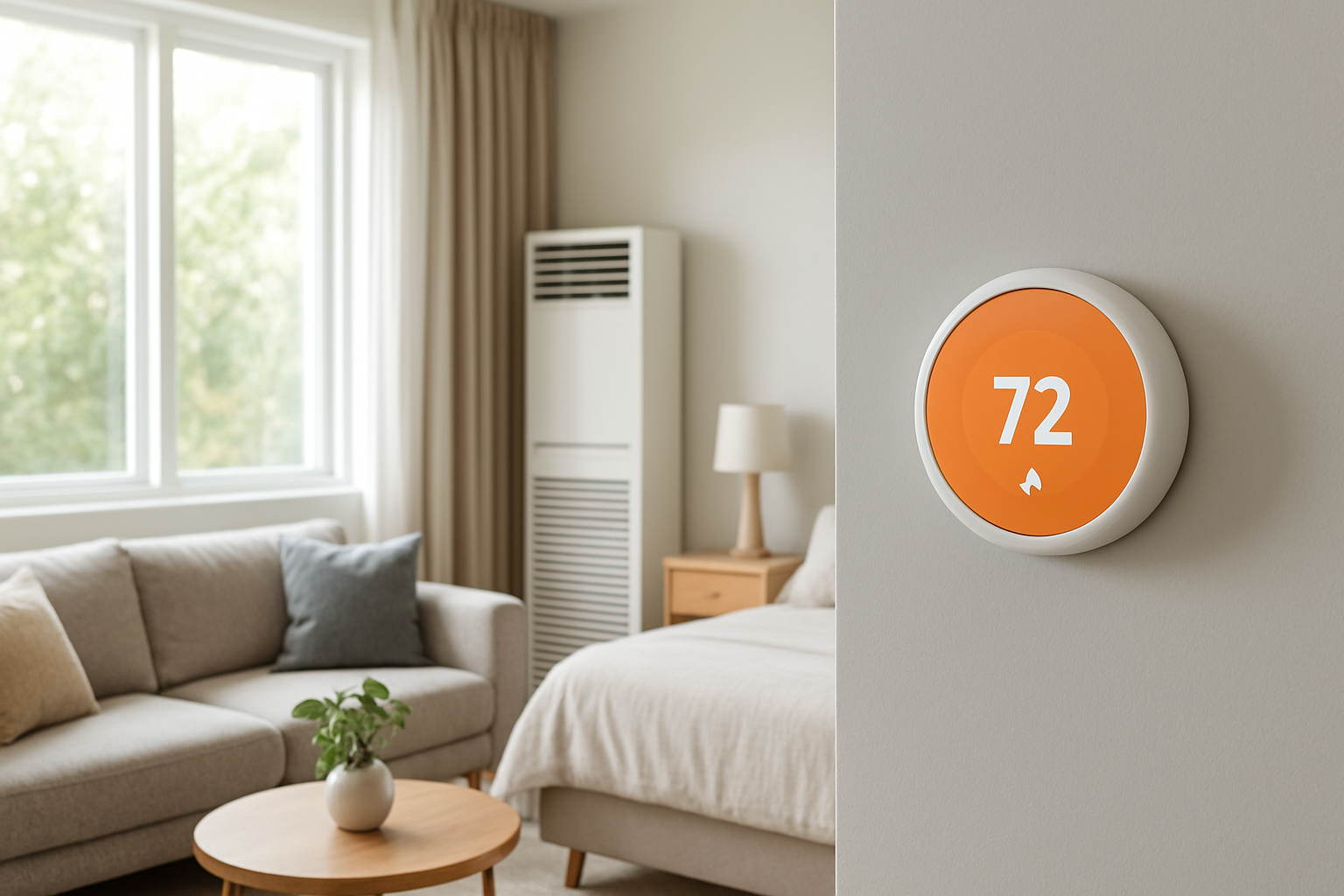
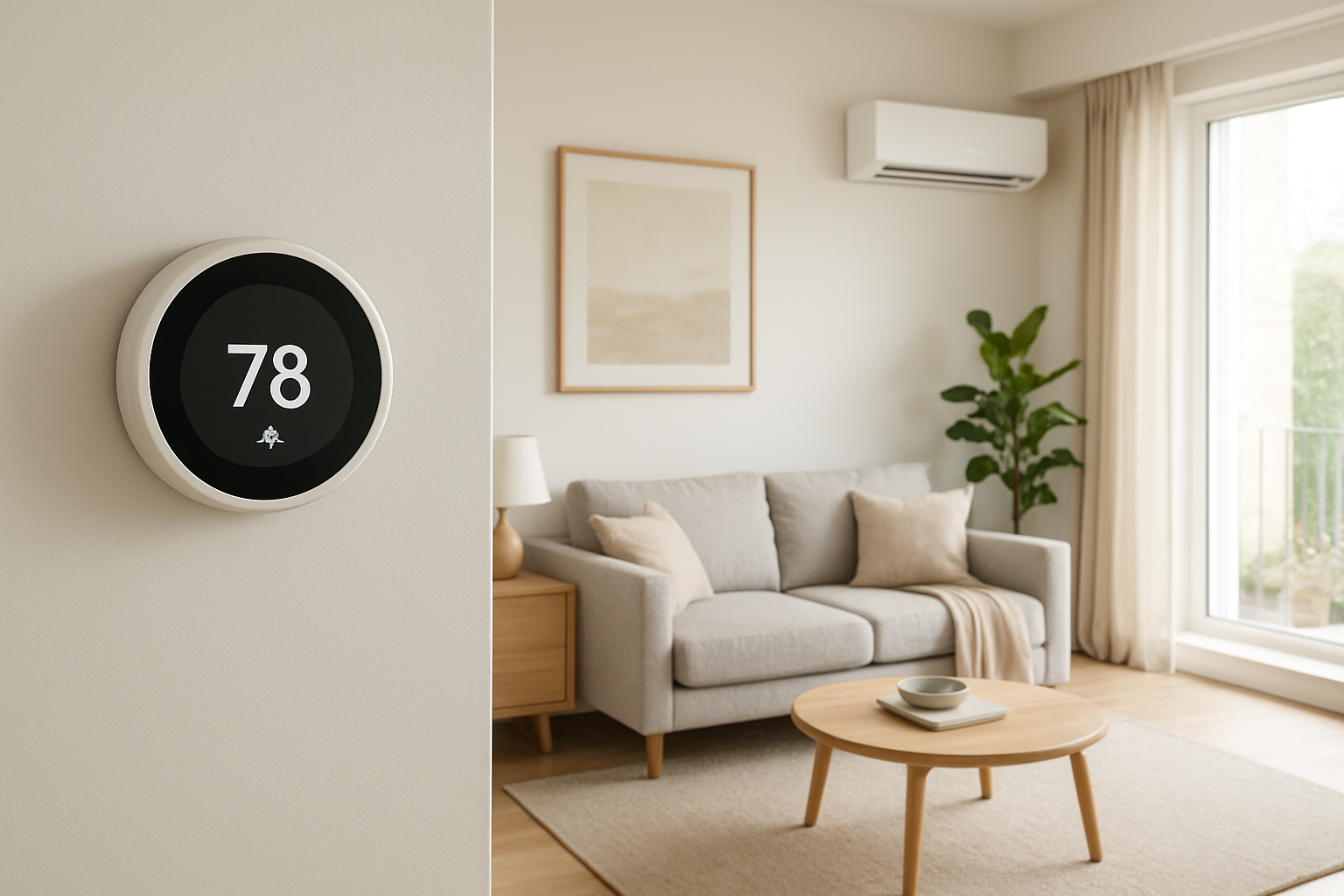
Learn how to diagnose and fix thermostat control drift issues that cause frequent manual readjustment and unstable temperature regulation in your heating or cooling system.
Thermostat Needs Constant Readjustment? Control Instability
Quick Answer
If you keep changing the thermostat because the house drifts too warm or too cool, the most common cause is the thermostat sensing the wrong temperature due to location, airflow, or settings causing short cycling. First check: compare the thermostat reading to a reliable thermometer placed at the thermostat for 20 minutes with the system off, and note whether running the system changes the thermostat reading faster than the room actually changes.
Identify the Comfort Pattern First
Control instability is easier to diagnose when you identify exactly when the thermostat starts lying to you, or when the house is truly changing faster than the system can control.
Time-of-day pattern: Does it run hot every sunny afternoon (solar gain) or run cold overnight (heat loss)? If you only adjust at the same times daily, the thermostat may be stable but the house load is not.
Weather pattern: Does the problem show up only on windy days, very cold mornings, or humid afternoons? Wind-driven infiltration and humidity load can create consistent drift.
System running vs off: If the thermostat reading shifts rapidly right after the system starts or stops, suspect thermostat influence from supply air, return air, or nearby building cavities rather than true room temperature.
Constant vs intermittent: A constant offset (always reads 2–4 degrees wrong) points to sensing or calibration. Intermittent swings point to airflow influence, cycling behavior, or draft/solar hits.
Doors open vs closed: If comfort stabilizes with interior doors open, the thermostat area may not represent the house due to pressure imbalances or poor return paths.
Vertical differences: If upstairs is warmer while the thermostat is downstairs (or vice versa), you may be adjusting for stratification, not thermostat failure. Note ceiling-to-floor temperature difference near the thermostat room.
Humidity perception: If you feel sticky at the same temperature, you may be lowering setpoint to compensate for high humidity. That is a control loop problem, but the driver is moisture, not temperature.
Airflow strength near thermostat: If a nearby supply register blows toward the thermostat, or the return grille pulls air past it, the thermostat can be biased during operation.
What This Usually Means Physically
The thermostat only controls what it senses. When its sensor is exposed to temperature that is not representative of the occupied space, you get control drift: the thermostat satisfies early or late, and you manually correct setpoint to override the bad feedback.
Common physical mechanisms that make the thermostat sense wrong include:
Localized heating or cooling: Sunlight on the thermostat wall, a nearby lamp/TV, a kitchen heat plume, or a supply register washing the wall. The thermostat thinks the whole house changed, but only its immediate surroundings did.
Air stratification: Warm air collects near ceilings; cool air settles near floors. A thermostat mounted in a stratified area will track that layer, not the average occupant zone.
Pressure and airflow effects: A return grille drawing air from hallways can pull hotter/colder air across the thermostat. A supply register can short-circuit conditioned air into the thermostat location and satisfy before the rest of the house.
Thermal conduction through the wall: Thermostat on an exterior wall, uninsulated cavity, or near a chase can be influenced by outdoor temperature through the drywall.
Control algorithm behavior: Some thermostats use aggressive cycle rates, adaptive recovery, or early start/stop logic. Under certain conditions this can feel like instability even when the sensor is accurate.
House load swings: Solar gain, infiltration, and humidity load can change faster than the system can respond. You adjust setpoint to chase a moving target because the load is moving, not because the thermostat is broken.
Most Probable Causes (Ranked)
Thermostat influenced by supply air or return air: Temperature reading changes quickly when the system starts, but the room does not feel changed yet. Often a nearby register, return grille, or hallway draft is involved.
Thermostat location hit by solar gain or internal heat: Warm afternoons cause frequent setpoint lowering; cloudy days do not. Sun patches near the thermostat or wall heating are common.
Thermostat on an exterior wall or affected by an uninsulated cavity: Overnight drift and windy-day behavior are strong. Touching the wall behind the thermostat feels cooler/warmer than interior walls.
Aggressive thermostat settings causing short cycling: Many small on/off cycles, especially in mild weather; you feel alternating warm/cool and keep adjusting to stop cycling.
Humidity load causing perceived temperature discomfort: You lower temperature to feel comfortable even though the thermometer matches the setpoint. Sticky afternoons and slower cooling are clues.
Air distribution imbalance making the thermostat room unrepresentative: Thermostat area reaches setpoint but other rooms lag. You adjust thermostat to fix other rooms, forcing drift at the control point.
Actual thermostat sensor drift or poor mounting: The thermostat reads consistently wrong compared to a reliable thermometer even when airflow and sunlight are controlled.
How to Confirm the Cause Yourself
These checks use observation and simple comparisons. Do them over one typical day so you capture patterns.
Thermostat vs thermometer comparison: Place a reliable digital thermometer next to the thermostat (not above a supply register, not in sun). Let it sit 20 minutes with the system off. A consistent difference greater than about 2 degrees suggests sensing error or wall influence.
Run-start bias test: Watch the thermostat temperature for the first 5 minutes after the system turns on. If the thermostat temperature changes rapidly by 1–2 degrees while the room air still feels unchanged, suspect supply/return airflow influence or wall conduction.
Sunlight and heat source check: Note whether the thermostat wall gets sun at the times you typically adjust it. Also note nearby heat sources: lamps, TVs, kitchen, or a hallway connected to a sunny room. If adjustments track the sun schedule, the sensor is being heated.
Door position test: Repeat a typical period (one hour) with bedroom doors closed, then open. If stability improves with doors open, you likely have a return-air path problem or pressure-driven mixing issues that skew the thermostat area.
Register influence check: Hold a tissue near the thermostat to see if air movement increases when equipment runs. Notice if a nearby supply blows toward the thermostat wall. If yes, that airflow can bias the sensor and create premature shutoff.
Stratification snapshot: Measure temperature near the floor and near the ceiling in the thermostat room (two readings a few feet apart vertically). If there is more than about 3 degrees difference, you may be adjusting for stratification rather than thermostat failure.
Cycle pattern observation: On mild days, count cycles in an hour. If it runs for only a few minutes at a time and shuts off repeatedly, the system may be short cycling due to thermostat settings, airflow issues, or oversized capacity.
Comfort vs humidity clue: If you mainly adjust when it feels clammy, and cooler air makes it feel better even when temperatures match setpoint, humidity is driving your adjustments.
Normal Behavior vs Real Problem
Normal: Small setpoint tweaks seasonally, mild drift during large outdoor swing days, and some adjustment preference between daytime and nighttime. A well-behaved system can still have a 1–2 degree variation across rooms, especially in multi-story homes.
Likely a real problem: You change the thermostat daily just to stay comfortable in the same rooms, the thermostat temperature jumps quickly when equipment starts, the thermostat room feels different than the rest of the house, or the system frequently short cycles. A consistent offset greater than about 2 degrees between thermostat and a reliable thermometer is also a problem worth addressing.
When Professional Service Is Needed
Persistent control instability: You need manual corrections several times per week for more than two weeks, after confirming it is not just a schedule preference.
Short cycling: Repeated short runs (often under 5–7 minutes) with frequent starts and stops during typical weather, especially if comfort swings match the cycling.
Large room-to-room mismatch: Thermostat area is comfortable but other key rooms are consistently off by more than about 3 degrees.
Evidence of airflow or duct issues: Weak airflow at multiple vents, whistling returns, doors that pull shut or push open when the system runs, or a strong draft at the thermostat.
Potential safety indicators: Any unusual odors, visible soot around registers, or symptoms that accompany combustion appliances should be evaluated promptly by a qualified technician.
How to Prevent This in the Future
Stabilize the thermostat environment: Keep it out of direct sun and away from supply air throw, return grilles, and heat-producing electronics. Ensure the wall cavity behind it is sealed and insulated if it is on an exterior wall.
Use consistent scheduling instead of manual chasing: If the pattern is time-based (afternoon solar gain, colder nights), use a schedule with small, planned setbacks rather than frequent manual changes.
Reduce stratification drivers: Use the HVAC fan setting as appropriate for mixing, and use ceiling fans to reduce floor-to-ceiling temperature splits in the thermostat zone.
Maintain stable airflow: Replace filters on schedule and keep returns unobstructed. Avoid closing many supply registers, which can increase pressure effects and create thermostat bias.
Address humidity at the source: If comfort corrections are really dehumidification corrections, ensure the system is draining properly and consider operational changes that improve moisture removal.
Related Home Comfort Symptoms
Thermostat says satisfied but rooms still feel warm or cold
Short cycling in mild weather
One room always comfortable while others are not
Upstairs too hot, downstairs too cold
Feels clammy at normal temperatures
Temperature changes rapidly when system turns on
Conclusion
Constant thermostat readjustment is usually not a personality issue or a bad thermostat by default. Most often it is control drift caused by the thermostat sensing a localized temperature that does not match the occupied space, especially from supply/return airflow influence, sunlight, exterior-wall conduction, or aggressive cycling behavior. Start by verifying the thermostat reading against a nearby thermometer and observing what happens in the first minutes of runtime. Use the pattern you find to target the real physical cause.
Frequently Asked Questions
Why does my thermostat temperature change as soon as the heat or AC turns on?
That usually indicates the thermostat is being influenced by nearby supply air, return air movement, or wall temperature changes rather than true room-average air temperature. If the displayed temperature shifts 1–2 degrees within minutes but the room does not feel different yet, the sensor is being biased and the control loop will overshoot or undershoot.
How far off is too far for a thermostat reading?
If a reliable thermometer placed next to the thermostat for 20 minutes (system off, no sun) differs by more than about 2 degrees, treat it as a meaningful error. Smaller differences can be normal depending on sensor resolution and air movement, but consistent offset beyond that often drives unnecessary manual adjustments.
Could this be an HVAC sizing problem instead of the thermostat?
Yes, but the tell is cycling behavior and room balance. Oversized cooling often produces short cycles and poor humidity control, making you adjust colder to feel dry. Undersized systems run long and still drift away from setpoint during peak load. If the thermostat reading itself is unstable when equipment starts, that is more of a sensing/location issue than a pure sizing issue.
Why do I have to change the thermostat when bedroom doors are closed?
Closed doors can restrict return airflow paths, changing pressure and airflow patterns. That can starve certain rooms, overfeed others, and skew the thermostat zone temperature relative to the rest of the house. If opening doors stabilizes comfort, the house likely needs better return paths or airflow balancing.
Does high humidity make me think the thermostat is wrong?
Yes. High humidity reduces comfort at a given temperature, so you lower the setpoint to compensate. If this happens mainly on muggy days and you feel clammy even when the thermostat matches the setpoint, the driver is moisture load or dehumidification performance, not just temperature control.
Need a complete overview? Visit the full troubleshooting guide here: Read the full guide for more causes and fixes.
There’s a particular kind of frustration in watching the same problem come back, again and again, like it’s daring you to ignore it. The constant tweaking stops feeling like “maintenance” and starts feeling like paying rent for a system that won’t settle down.
What’s left is relief—and a little more control over the little kingdom of home comfort. Temperature stops playing games, and you do too.