Introduction
You empty the bucket, hear the fan kick back on, and wait for that fresher, drier feeling that never really arrives. The basement still feels cold and clammy. The bedroom still feels sticky at night. And after a shower or a long stretch of rainy weather, the air seems to hold onto moisture no matter what the machine is doing.
That is the part that wears on people. Not just the dampness itself, but the sense that something should be helping and somehow is not. The unit is running. Water is collecting. The room still feels wrong.
Something just feels off.
Why This Situation Feels So Frustrating
Part of the frustration is the constant noise. A dehumidifier that runs all day becomes part of the background in a way that is hard to tune out, especially when there is no relief to match it. You hear the effort. You pay for the effort. But the comfort never catches up.
There is also that quiet worry people do not always say out loud. If the house feels damp all the time, it can start to feel unhealthy, even if you cannot see a major problem. Musty air does that. It makes a room feel neglected, even when you are doing everything you can.
Then there is the unevenness of it. One room improves a little while the rest of the home still feels heavy and wet. Close a door and one space changes. Open it and the whole feeling shifts again. It becomes hard to tell whether the machine is the issue, or the house, or both.
And once you notice it, it’s hard to ignore.
What People Usually Notice First
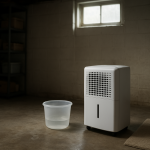
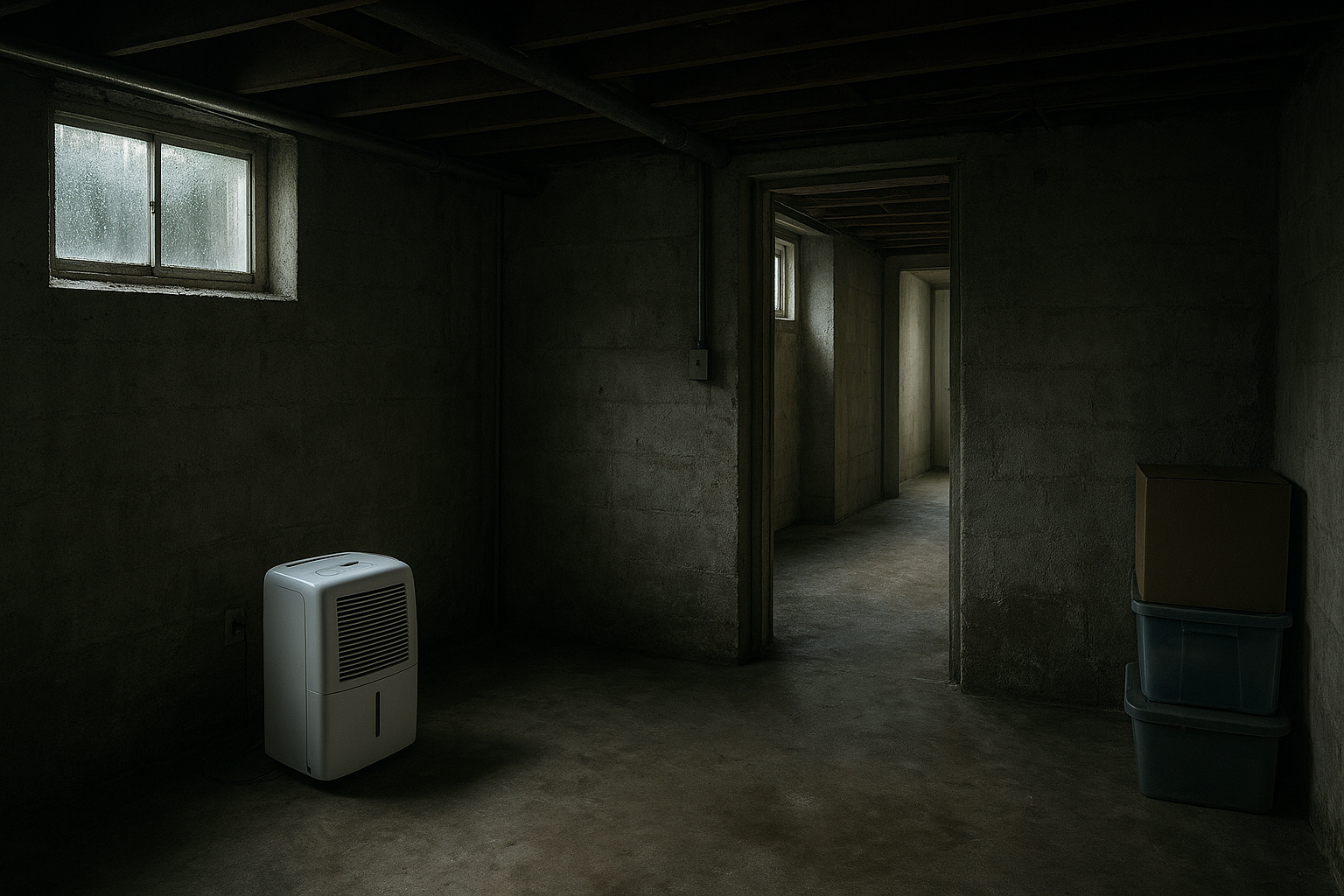
Often it starts in the basement. The air feels chilly in a damp way, not a clean cool way. Clothes or cardboard smell faintly musty. The floor may not be visibly wet, but the room never really feels settled or dry.
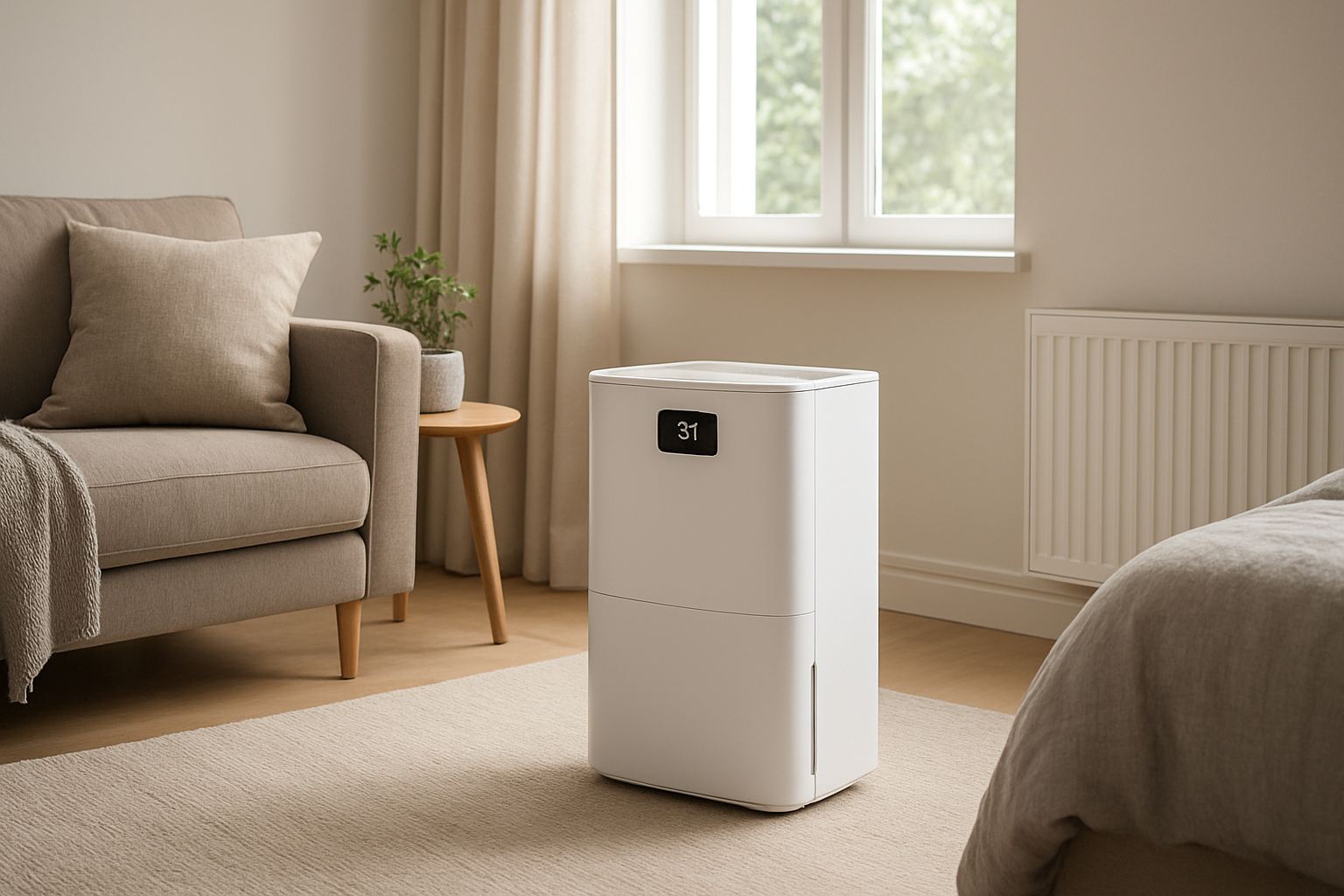
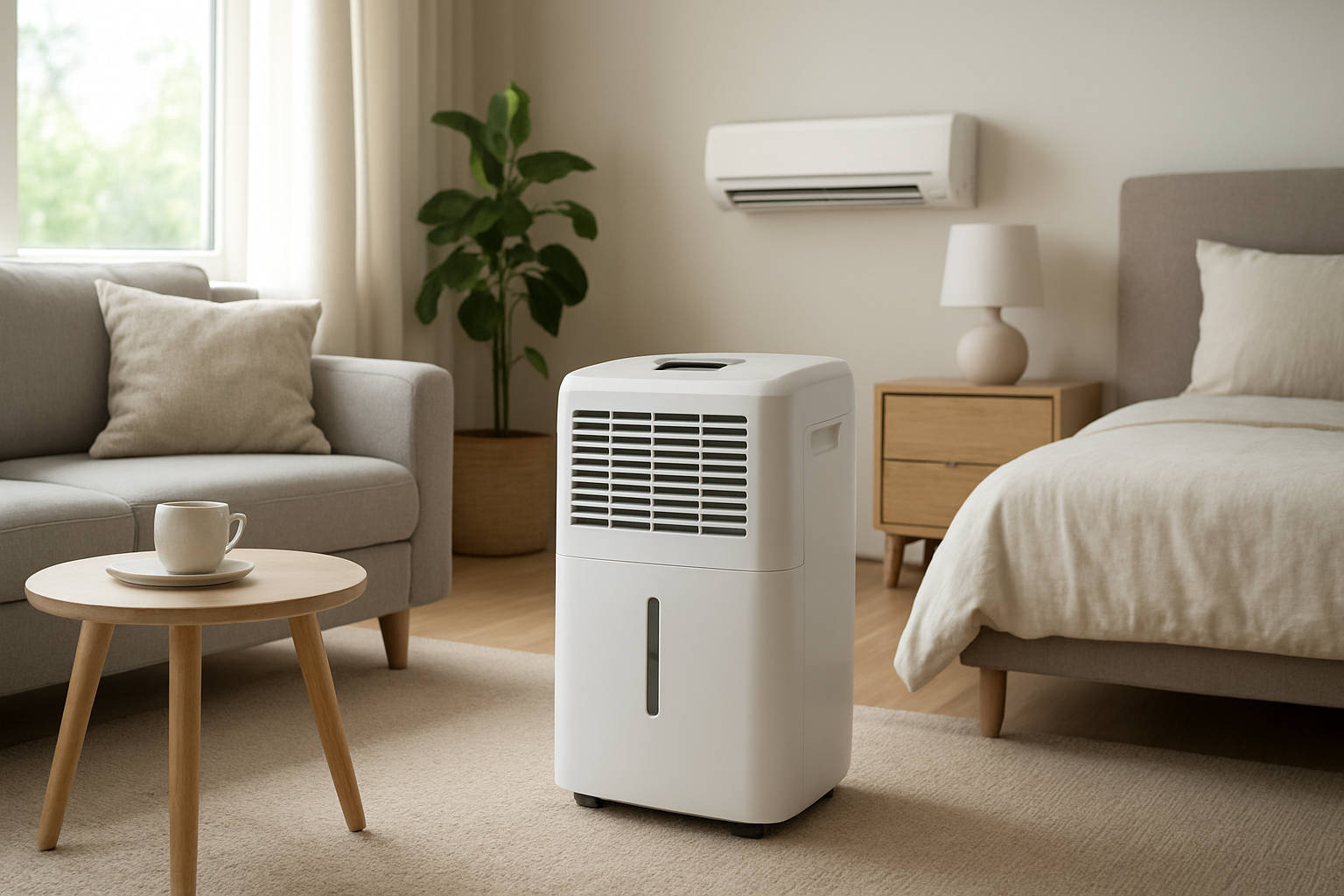
Sometimes the problem shows up more at night. Bedrooms feel sticky even with the unit running somewhere nearby, and sheets can feel slightly humid instead of crisp. Sleep gets less comfortable, not dramatically, just enough to bother you.
In other homes, one room gets better while the rest of the house stays muggy. That can make the problem feel strangely personal to each space. A hallway feels normal, then the next room feels dense and stale. After cooking, showers, or a rainy day, the house seems to absorb moisture faster than it can get rid of it.
It is not a big issue on paper. But it does not feel small.
Why It Can Be Confusing
Humidity problems are confusing because comfort is not always perfectly reflected on a display. A unit may show a number that seems fine, but the room still feels damp against your skin. That can happen when the machine is reading air right around itself instead of the whole room, or when the temperature makes the air feel clammy even if the number looks acceptable.
Another confusing detail is that the dehumidifier can absolutely be collecting water and still not fix the comfort problem. That sounds contradictory, but it is common. The machine may be removing some moisture while outside air, leaks, poor airflow, or daily activities keep adding it back just as quickly. So you see proof that it is working, yet the room never crosses into feeling better.
Closing doors can make things even harder to figure out. A closed bedroom may trap moisture from breathing and bathing nearby. An open door may pull in damper air from another part of the home. If you have been trying to make sense of that push and pull, this explanation of why a dehumidifier runs constantly but humidity stays high gets at the heart of it in a very practical way.
That mismatch between the reading and the feeling is what makes people second-guess themselves.
The Hidden Impact on Daily Comfort
When a home stays damp, the effect is bigger than a number on a screen. People want their home to feel safe and dry. They want to walk into a room and relax, not wonder whether something behind the walls is getting worse or whether the air is doing something unhealthy over time.
Comfort is physical, but it is emotional too. A room that feels musty or sticky can make the whole house feel less cared for, even when it is clean. You can light a candle, wash the floors, open the windows for a while, and still come back to that same heavy feeling. That is what gets tiring.
Ongoing dampness also creates a low-level stress because it feels out of control. If the machine is already running constantly, what else are you supposed to do? Buy another one? Move it? Shut doors? Open doors? It should not be this hard to make a room feel normal.
That uncertainty matters more than people think.
When It’s Probably Nothing Serious
Sometimes the explanation is fairly ordinary. A dehumidifier may be undersized for the space, especially in a basement or an open floor plan. It may also be set too high, so it runs but stops short of creating that noticeably drier feeling. A clogged filter, poor placement near a wall, or warm humid air entering after showers and cooking can all keep progress slower than expected.
Weather plays a part too. During very rainy weeks or in especially humid climates, the machine can seem like it is doing almost enough but never quite getting there. In that case, the situation may be more about conditions than a serious defect.
Sometimes it really is that simple.
When You Should Pay More Attention
If the air stays musty no matter what, if you notice condensation, peeling paint, persistent odors, or damp spots that seem to return, it is worth looking beyond the machine. The same goes for rooms that always feel worse than others, or a basement that never improves even after days of continuous operation.
A dehumidifier cannot solve every source of moisture. If there is water entering from outside, poor drainage around the foundation, a hidden plumbing leak, weak bathroom ventilation, or air leaks bringing in humid outdoor air, the unit may be trying to compensate for a house problem instead of just managing humidity.
That is usually the point where it makes sense to stop blaming yourself for not finding the right setting. There may be a reason the problem keeps coming back.
Simple Ways to Improve Comfort
A few small adjustments can make a surprising difference. Check the filter first and make sure airflow is not blocked. Place the unit where air can circulate around it instead of tucking it into a corner. If doors are changing how each room feels, try being more deliberate about which spaces you want the machine to treat rather than expecting one unit to handle the entire home evenly.
It also helps to reduce moisture where it starts. Use bath fans longer than you think you need to. Run the kitchen exhaust when cooking. Dry out wet towels, mats, and laundry instead of letting them add moisture back into the room. In a basement, keep storage off the floor if possible and pay attention to any signs that outdoor water may be getting in after storms.
If the room still feels damp despite all of that, compare the unit size to the space and think honestly about whether the area is too large or too open for one machine. Sometimes the fix is not dramatic. It is just matching the equipment to the actual conditions in the house.
Conclusion
When a dehumidifier runs constantly but the house still feels damp, the most frustrating part is how unsettled it makes daily life feel. You are hearing effort, seeing water removed, and still living with sticky bedrooms, a clammy basement, or that stale feeling that never quite leaves.
The good news is that this does not automatically mean something is seriously wrong. But it does mean the machine may not be addressing the full picture. Sometimes the issue is sizing, placement, airflow, or weather. Sometimes it is the house asking for more attention.
A dry home should feel calm. If it does not, trust that feeling. The goal is not just lower humidity on a display. It is walking into the room and finally feeling comfortable.