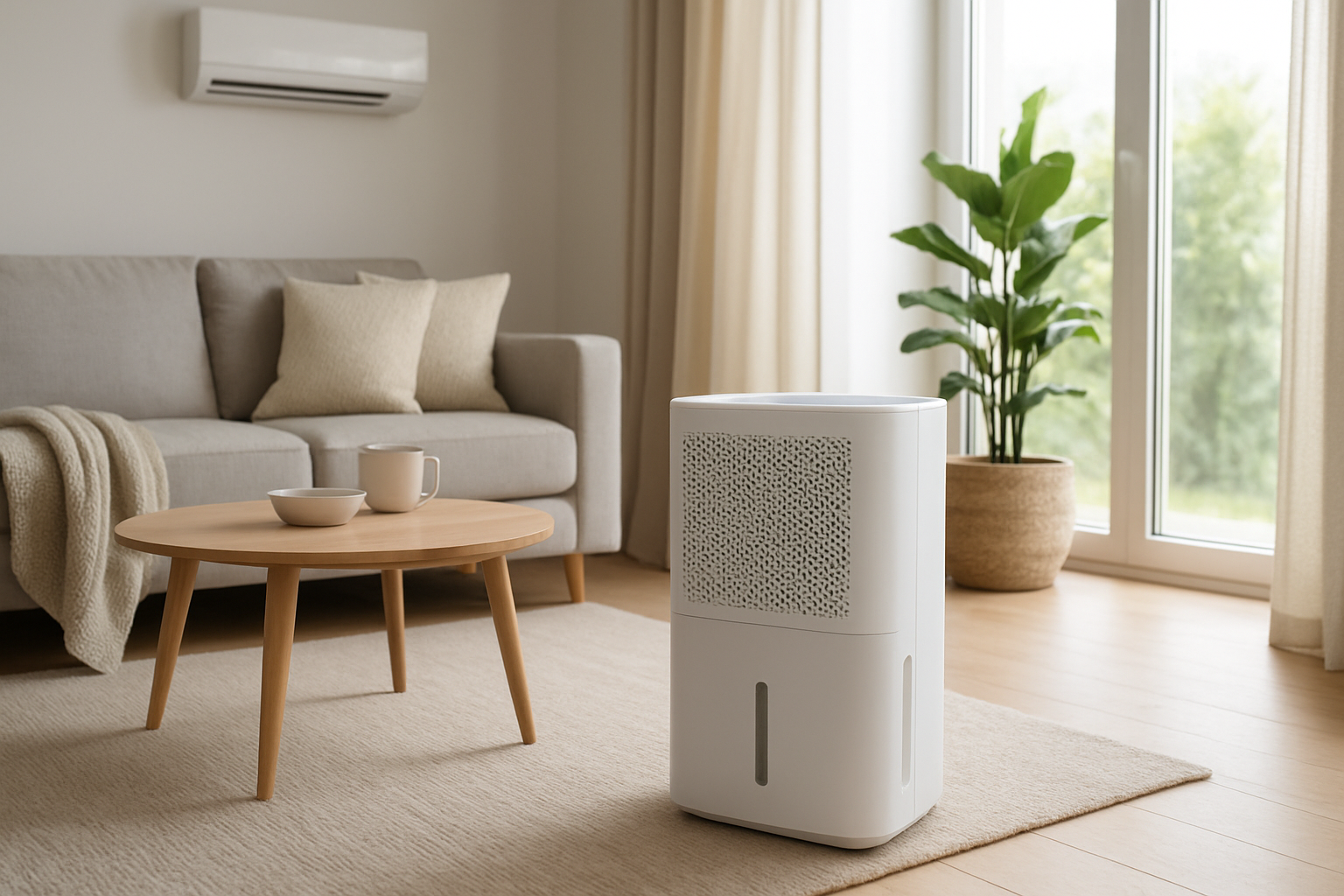
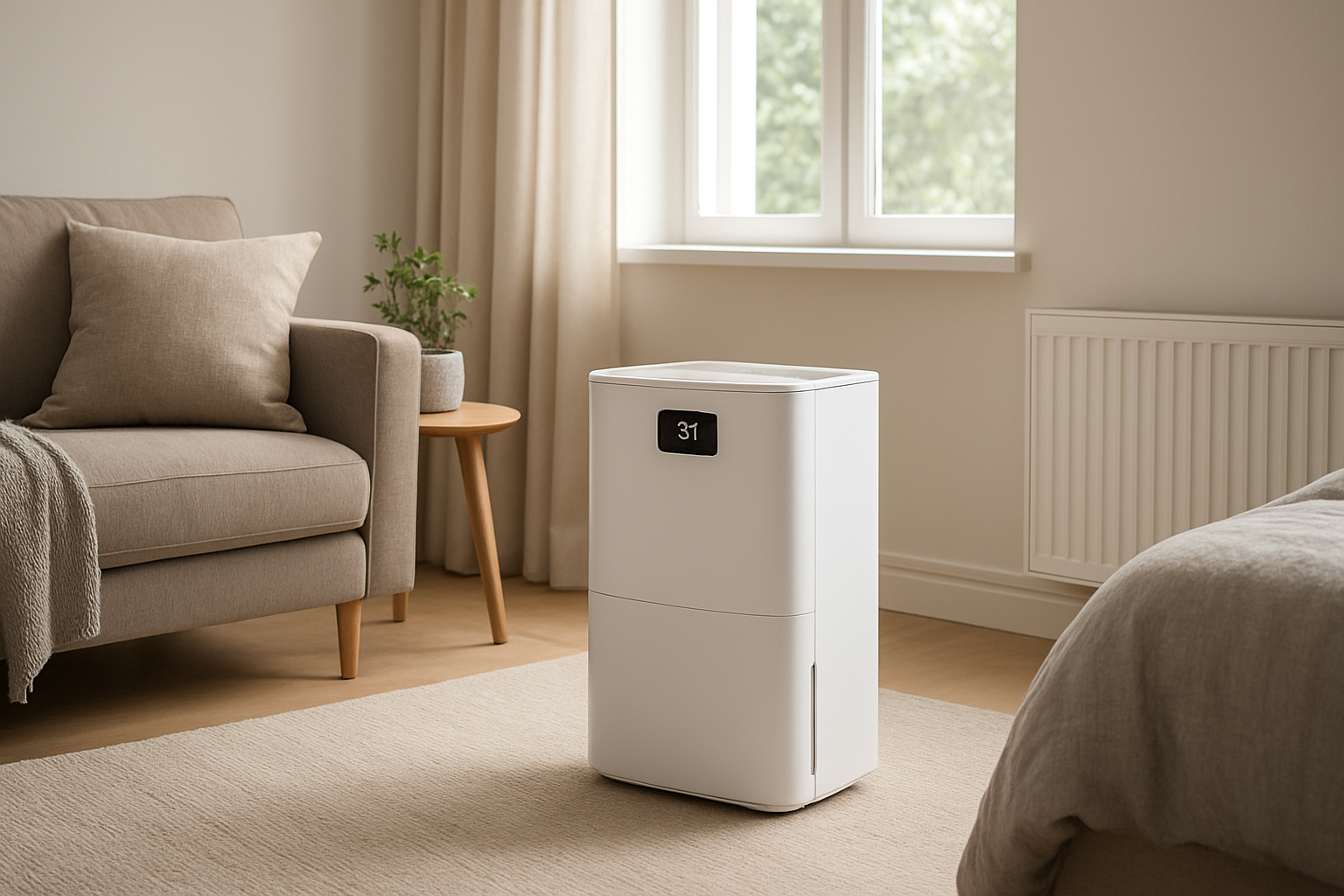
A dehumidifier that barely collects water can still leave a room feeling damp, musty, and confusing. Here is how to make sense of it.
Introduction
You empty the dehumidifier bucket, set the machine, wait a day or two, and then check again. Barely anything. Meanwhile the basement still smells a little musty, or the room still has that clammy feeling that makes you wonder if the machine is doing anything at all. And once you notice it, it’s hard to ignore.
This is one of those home comfort problems that gets under your skin because the signs do not line up. The display may say the humidity is fine. Your body says otherwise. The bucket staying almost empty makes it feel like the machine is failing, even if nothing obvious is wrong.
That gap between what you feel and what the device says is what makes this so irritating.
Why This Situation Feels So Frustrating
A dehumidifier seems like it should give you clear proof. If the air is damp, it should pull water. If it is working, you should see that water in the bucket. So when very little collects, it can feel like wasted money, wasted electricity, and one more household thing you now have to troubleshoot.
There is also the mental part of it. You want to trust the machine because it has a number on it, and numbers feel certain. But comfort is physical. If the room still feels sticky, stale, or heavy, it is hard to accept a low reading and move on. Something just feels off.
That second-guessing can become a habit. You check the display, walk across the room, come back, check it again, and wonder whether the unit is accurate or whether you are imagining the dampness. It’s not a big issue on paper. But it doesn’t feel small.
What People Usually Notice First
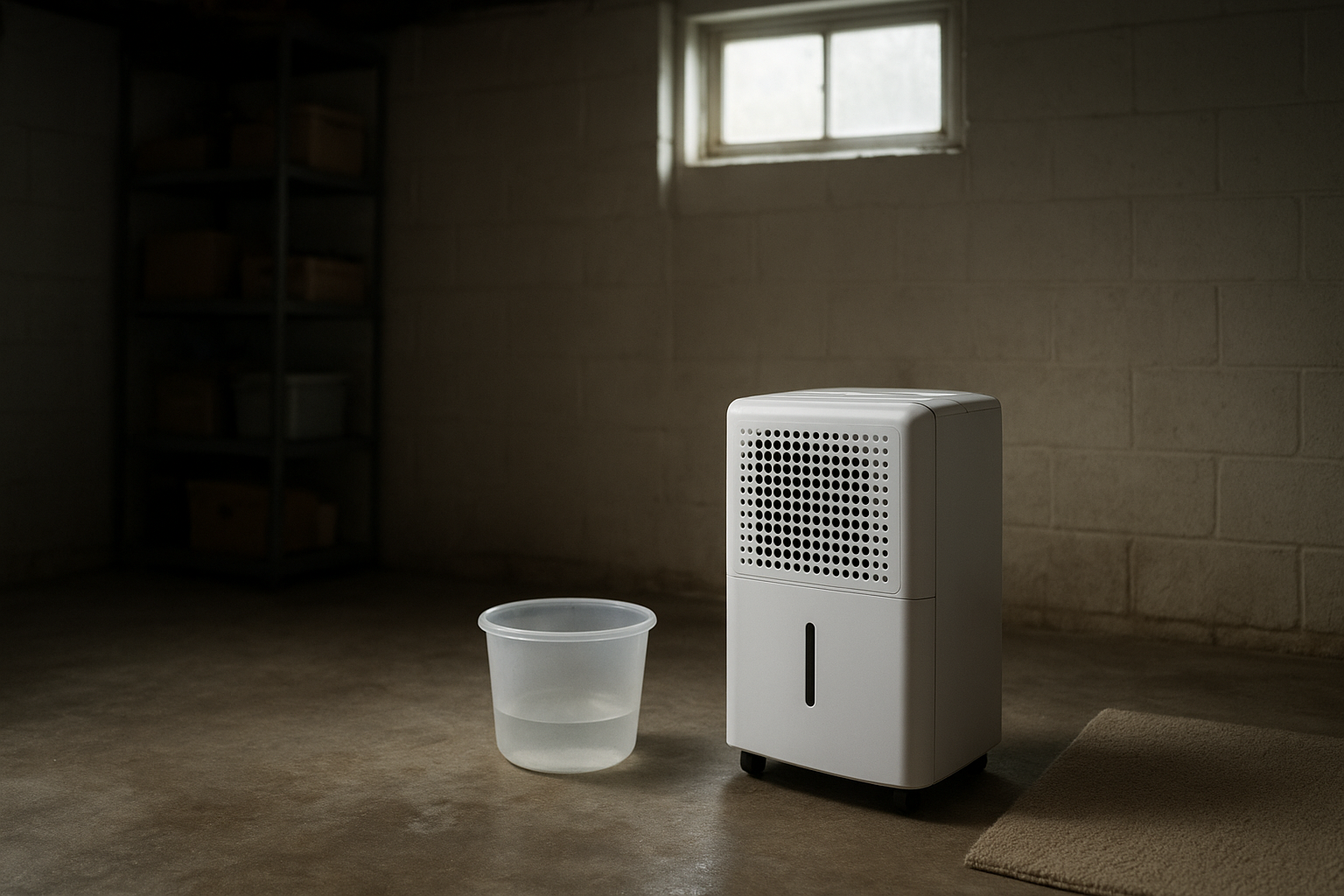
Often it starts in a basement. The air has that cool, musty edge to it, maybe especially near a wall or by stored boxes, but the bucket stays surprisingly empty. So the natural conclusion is that the dehumidifier is broken or too weak for the space.
In winter, the opposite sometimes happens. A home already feels dry because the heat has been running, yet the dehumidifier barely collects anything. That can be unsettling too, because now it is not even clear whether the unit is supposed to be pulling water. You bought something meant to solve moisture problems, and now it looks inactive.
Another common version is room-to-room inconsistency. One area feels perfectly normal while another feels sticky, even though the machine sits nearby showing a decent number. This is especially common in homes with closed doors, uneven airflow, older windows, or corners where air just does not move much.
And yes, some people keep checking the display because they want certainty. A number in the low or mid range should be reassuring. But if the air still feels wrong, reassurance does not land.
Why It Can Be Confusing
The first confusing part is simple: low water collection does not always mean something is wrong. A dehumidifier only removes moisture that is actually in the air around it. If the room is cooler, if the air is already fairly dry, or if the machine is set to a level close to current conditions, it may not pull much water at all.
But the room can still feel damp for reasons that are not purely about humidity. Musty smells can linger in materials long after moisture levels improve. Concrete basement walls can feel cool and slightly raw even when the air reading is acceptable. Poor airflow can leave one spot feeling stale while the overall room average looks fine.
The sensor itself can also mislead you a little, not because it is defective, but because it only measures conditions where the machine is sitting. If it is tucked against a wall, near a vent, beside a laundry area, or in a corner with dead air, the reading may not reflect the whole room very well. If you want a fuller explanation of what can cause weak water collection, this breakdown on why a dehumidifier collects very little water covers the mechanical side clearly.
Sometimes the confusion comes from timing too. After the machine has already reduced humidity, the bucket naturally fills more slowly. People often expect the early heavy water collection to continue, when in reality that faster phase may have already passed.
The Hidden Impact on Daily Comfort
This is about more than a bucket of water. It gets into the way a home feels, and whether you trust that feeling. When your senses say the room is damp but the machine says it is fine, the house can stop feeling settled.
That matters.
Comfort at home is partly physical and partly psychological. You want to believe there is no hidden moisture problem behind a wall, under flooring, or in the basement corners you do not check every day. You want the air to feel clean, not suspicious. A low reading does not always calm that worry, especially if there is still an odor or that faint clammy feeling on your skin.
There is also the quiet anxiety of not wanting to miss something serious. Mold, seepage, condensation, poor drainage around the house, weak ventilation. Most of the time it is not that dramatic, but once the doubt starts, your mind fills in the blanks.
When It’s Probably Nothing Serious
If the home is generally comfortable, the humidity reading stays in a reasonable range, and there are no signs of active moisture like condensation, damp spots, or water stains, then low water collection may simply mean the machine has less work to do. That is actually a good outcome, even if it feels underwhelming.
Season matters too. In colder months, indoor air is often drier, especially with forced-air heat running. A dehumidifier may run less and collect far less water than it would in late spring or summer. Cooler rooms can also reduce how much moisture the unit pulls.
If the machine cycles on and off normally, the filter is clean, airflow around it is open, and the space feels mostly stable, this may be one of those situations where expectations are louder than the problem itself.
Still, I understand why that can be hard to accept.
When You Should Pay More Attention
If the room smells strongly musty day after day, if surfaces feel wet, or if you notice visible mold, peeling paint, condensation on windows, or darkened areas on walls, it is worth looking beyond the dehumidifier. The machine may not be the issue. It may be responding to a bigger moisture source it cannot fully solve on its own.
Pay attention if one area of the house consistently feels damp while the rest does not. That can point to poor circulation, insulation gaps, air leaks, or a hidden water problem. A dehumidifier can help with air moisture, but it cannot fix seepage through a foundation wall or a slow plumbing leak.
Also, if the unit runs constantly and still never improves the feel of the room, that deserves a closer look. Not panic. Just attention.
Simple Ways to Improve Comfort
Sometimes the best first step is not replacing the machine but changing its setup. Move it a bit farther from walls, make sure the filter is clean, and give it enough open space to draw air properly. If possible, close basement windows on humid days and keep doors positioned in a way that supports more even airflow.
It can also help to use a separate hygrometer in another part of the room, or in the room that feels different. That gives you a second opinion without relying entirely on your own senses or on one built-in sensor. If the numbers are close, your problem may be airflow or odor rather than actual humidity.
Air movement matters more than people expect. A fan in a stale corner can change how a room feels surprisingly fast. Washing musty textiles, clearing clutter away from cold walls, and checking for hidden damp cardboard or fabric can also make a bigger difference than staring at the water bucket.
Small adjustments can be enough.
Conclusion
When a dehumidifier collects very little water, it does not automatically mean it is broken. But it also makes sense that you would question it, especially when the room still feels damp or smells off. The uncomfortable part is not just the machine. It is the uncertainty.
Usually, the answer is somewhere in the middle. Your senses are not useless, and the device is not always wrong. A room can feel unpleasant even when humidity is technically acceptable, and a machine can be doing its job without giving dramatic proof in the bucket.
That is why it helps to look at the whole picture: the reading, the season, the airflow, the smell, and the specific spots in the home that never quite feel right. Home comfort is rarely just one number. Sometimes it takes a little patience to see what is really going on.