A startup hum from the furnace can feel minor, until warm air arrives late and some rooms stay cold. Here’s how to tell what deserves attention.
Introduction
You hear it on the first really cold morning of the season. The thermostat clicks, the furnace starts, and there is that low humming sound before the warm air really gets moving. Then you wait by a vent a little longer than you expect, wondering if this is just how it sounds when it wakes up or if something is starting to go wrong.
That moment can get under your skin faster than it should. A small sound is not always a big problem, but when it comes from the thing keeping the house warm, it does not feel small. And once you notice it, it’s hard to ignore.
Why This Situation Feels So Frustrating
The hardest part is not always the noise itself. It is the uncertainty around it. You are trying to figure out whether the hum is harmless, whether the furnace is just taking a second to get going, or whether this is the beginning of a bigger repair you really do not want in the middle of winter.
There is also the delay. When the thermostat turns on and warm air takes too long to reach the room, the whole thing feels less dependable. You start paying attention to every little gap between startup and actual heat, and suddenly the house does not feel as steady or predictable as it did before.
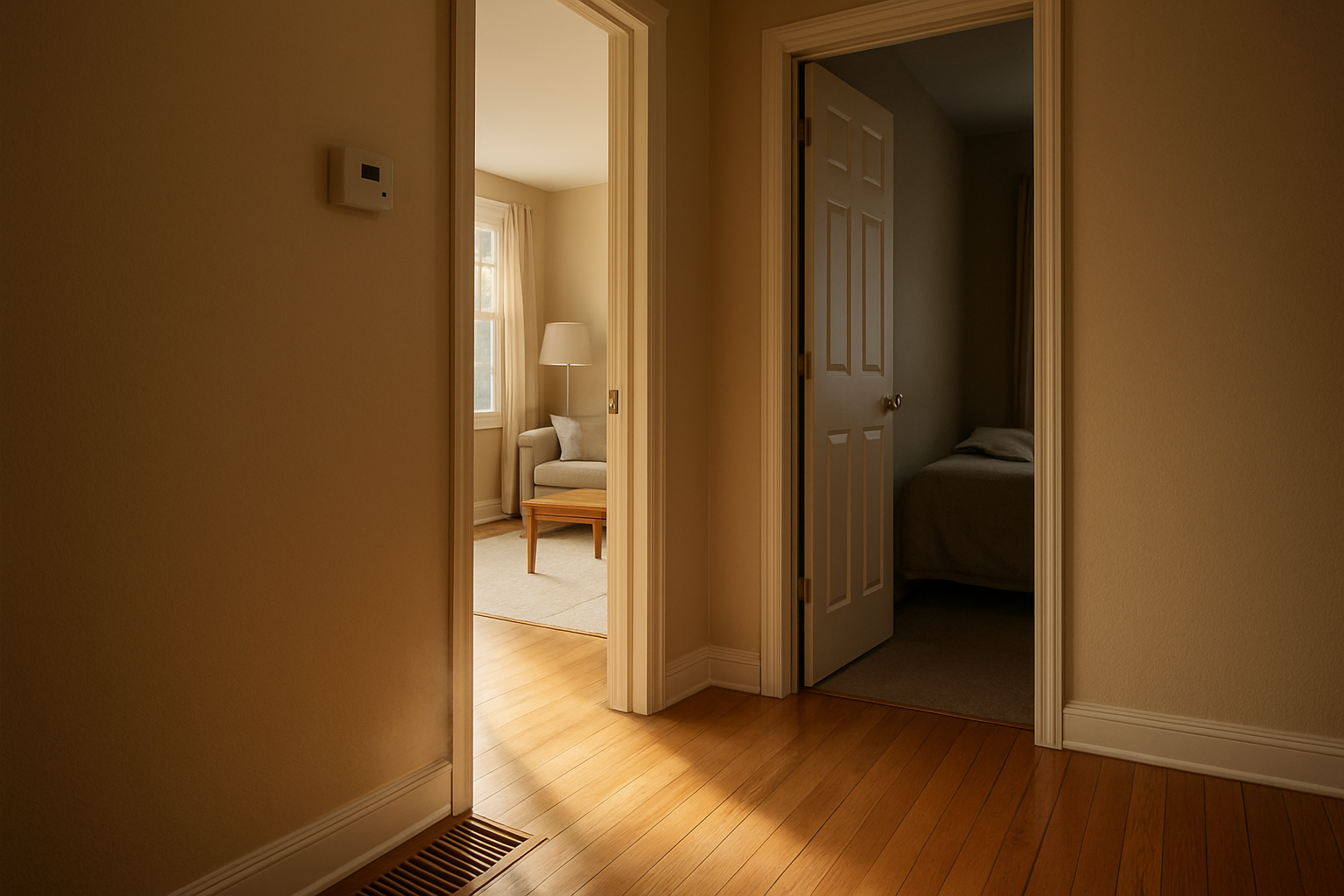
Then there are the colder rooms. Maybe the bedroom doors stay closed and those rooms seem to hold onto the chill. Maybe the living room warms up eventually but the rest of the house lags behind. Something just feels off.
That is what makes people hesitate. Do you keep an eye on it for a few days, or call for help before it becomes an emergency during a cold snap?
What People Usually Notice First
Often it starts with a specific moment. The furnace has been quiet overnight, the temperature drops, and on that first cold morning startup you hear a hum that seems more noticeable than usual. Not loud enough to sound dramatic. Just different enough to make you listen.
After that, people tend to notice timing. They stand near a vent and realize the air is coming later than expected. The system is clearly trying to start, but the warm airflow does not arrive as quickly as it used to. That lag can feel surprisingly unsettling.
Sometimes the clue is not at the furnace at all. It is in the bedrooms, especially when doors are kept shut. Those rooms stay cooler, while the hallway or main space gets warm first. Or the whole house simply seems to warm up more slowly after the thermostat turns on, as if the system is working harder to do the same job.
None of these signs automatically mean failure is around the corner. Still, when they show up together, it is understandable to wonder if the humming sound and the uneven comfort are connected.
Why It Can Be Confusing
Furnaces are not silent machines, and startup is rarely the quietest moment. A brief hum can come from normal electrical parts energizing, from the blower motor starting, or from vibration that only seems obvious when the house is still. The trouble is that normal and not-normal can sound very close to each other if you do not hear your system through that lens every day.
That is why this kind of problem sits in such an awkward middle ground. You may not know what sounds are expected during startup, and you may not know whether uneven room temperatures have anything to do with the noise. One issue can make the other feel worse, even if they are only loosely related.
If you want a better sense of what that startup hum can mean, this look at common furnace humming causes helps separate ordinary sounds from signs that deserve more attention.
And when the issue comes and goes, it gets even murkier. An occasional hum that fades quickly may be easy to dismiss. But if comfort is slipping at the same time, it starts to feel less like an annoyance and more like an early warning.
The Hidden Impact on Daily Comfort
What makes this bigger than a mechanical question is how quickly it affects the feel of home. People want quiet signs that everything is working the way it should. Heat shows up when it is needed. Rooms feel reasonably even. You are not thinking about the furnace every time it runs.
When that changes, even a little, it can chip away at peace of mind. Rest routines get disrupted because bedrooms feel colder. Mornings feel less comfortable because the house takes longer to shake off the chill. You start listening for the system instead of trusting it.
That loss of trust matters. Especially in winter.
Small changes in heat delivery can make people feel as if control is slipping, even before there is a real breakdown. The house may still be warm enough overall, but if it no longer feels consistent, the worry arrives early. Quietly, but steadily.
When It’s Probably Nothing Serious
A short, soft hum right as the furnace starts is not always a sign of trouble. If the sound lasts only briefly, the airflow begins normally, the house reaches the thermostat setting without much delay, and you are not noticing new smells or repeated shutdowns, there may be nothing urgent going on.
Sometimes the sound is simply more obvious because the home is quiet, the season has changed, or you are hearing startup more often after a mild stretch of weather. A little vibration around the furnace cabinet or ductwork can also make an ordinary sound seem more noticeable than it really is.
If room temperatures are mostly stable and the system is still heating reliably, watching it for a bit can be reasonable. Not every strange-sounding morning means a repair call that day.
When You Should Pay More Attention
The picture changes if the hum is getting louder, lasting longer, or showing up with other signs. Warm air arriving late, the furnace struggling to satisfy the thermostat, rooms staying unusually cold, or the system turning on and off more than usual all deserve a closer look.
Pay attention if the noise starts to sound strained instead of steady. Also pay attention if the house warms much more slowly than it did before. That does not prove one failing part, but it does suggest the system is not moving through startup and heating as smoothly as it should.
A sharp rise in energy bills can be another clue. So can weak airflow at vents that used to feel stronger. Little things add up.
If freezing weather is setting in, waiting too long can make a minor issue feel a lot bigger. You do not need to panic, but you also do not need to talk yourself out of calling when your gut says the furnace is acting differently.
Simple Ways to Improve Comfort
Start with the basics that affect airflow and balance. Check the filter if it has not been replaced recently. A clogged filter can make heating feel slower and less even, and it can sometimes make a system sound different as it starts.
Make sure supply vents are open and not blocked by furniture, rugs, or curtains. If some rooms are much colder, especially bedrooms with closed doors, try leaving doors open for a while and see whether circulation improves. Even that small change can tell you something useful about whether the issue is airflow, room isolation, or the furnace itself.
Notice patterns for a few days. Does the hum only happen on the first cycle of the morning? Is the delay in warm air getting worse? Are certain rooms always behind? You do not need a perfect log, just enough detail to tell whether this is stable or changing.
And if comfort keeps slipping, schedule service sooner rather than later. Sometimes the real value of a checkup is not just fixing a part. It is getting your confidence back.
Conclusion
A furnace humming at startup can be harmless. It can also be the first small sign that the system is not running as smoothly as it used to. The difference is often less about the sound alone and more about what happens around it: how fast heat arrives, how evenly the house warms, and whether the whole system still feels dependable.
You know your home better than anyone. If the sound is brief and everything else feels normal, keeping an eye on it may be enough. If the hum comes with delayed heat, colder rooms, or a growing sense that the house is struggling, it is worth taking seriously before winter gets harsher.
Because comfort is not only about temperature. It is about being able to trust the heat when you need it.