Diagnose and fix overnight power loss in thermostats by identifying electrical interruptions, faulty wiring, or power supply issues affecting consistent thermostat operation.
Thermostat Loses Power Overnight? Electrical Interruption
Quick Answer
If your thermostat is dead or rebooted in the morning, the most likely cause is an overnight interruption of its low-voltage power supply from the HVAC system. The first check: look for a tripped furnace/air handler switch or breaker, and confirm whether the display is blank (no power) versus reset to a default state (power drop and recovery).
Identify the Comfort Pattern First
Before guessing at parts, sort the symptom by a few observable patterns. These patterns point to whether the thermostat is actually losing power or simply losing settings, and whether the interruption is coming from the HVAC equipment or the home’s electrical supply.
Time-of-day pattern: Does it only happen overnight, or after everyone goes to bed? A consistent overnight window often points to equipment cycling, nighttime setbacks, or a borderline electrical connection that fails when the system runs longer.
Weather linkage: Does it happen only on cold nights (heating runs longer) or hot nights (cooling runs longer)? Longer runtimes increase the chance a safety switch opens, a transformer overheats, or a condensate switch trips.
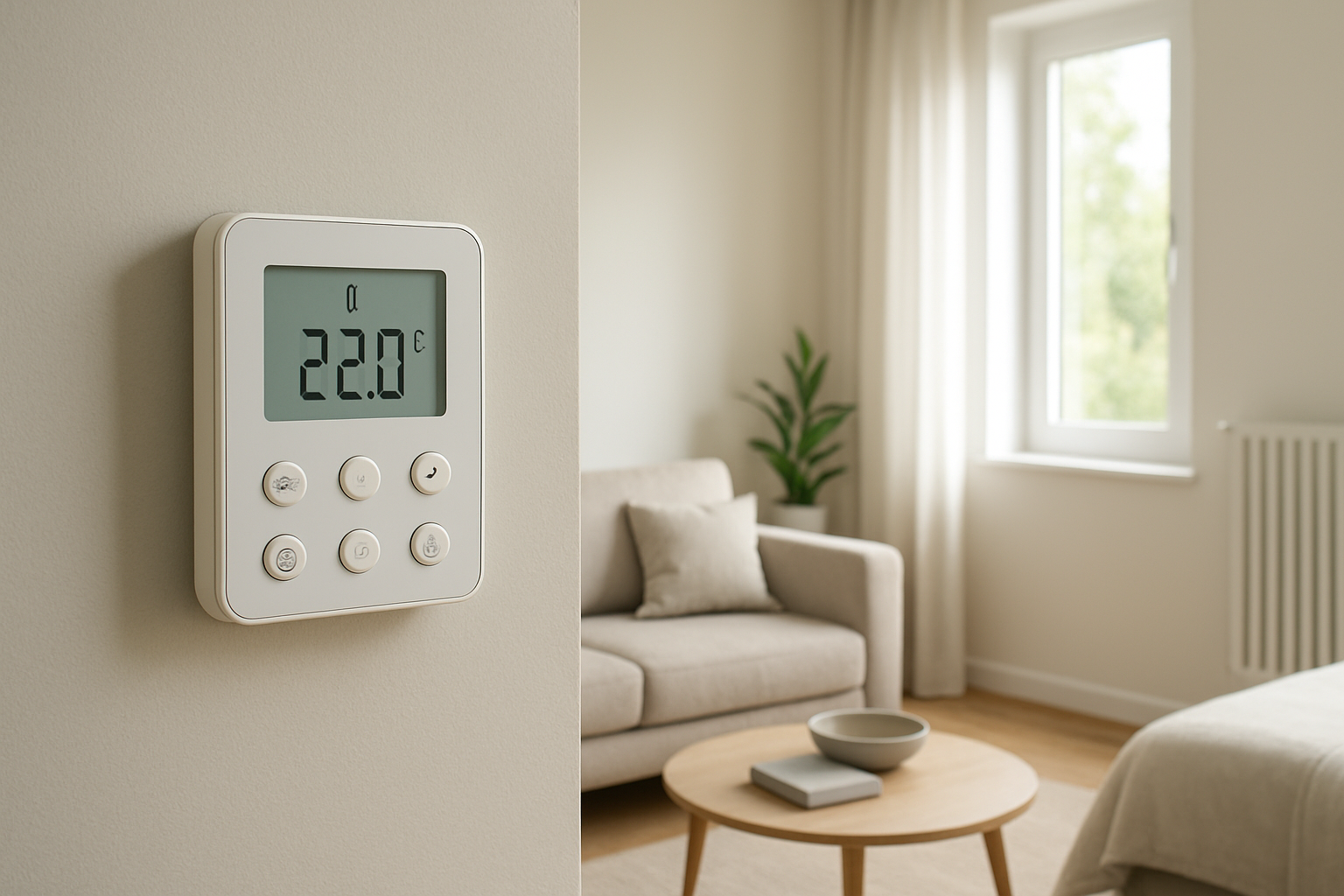
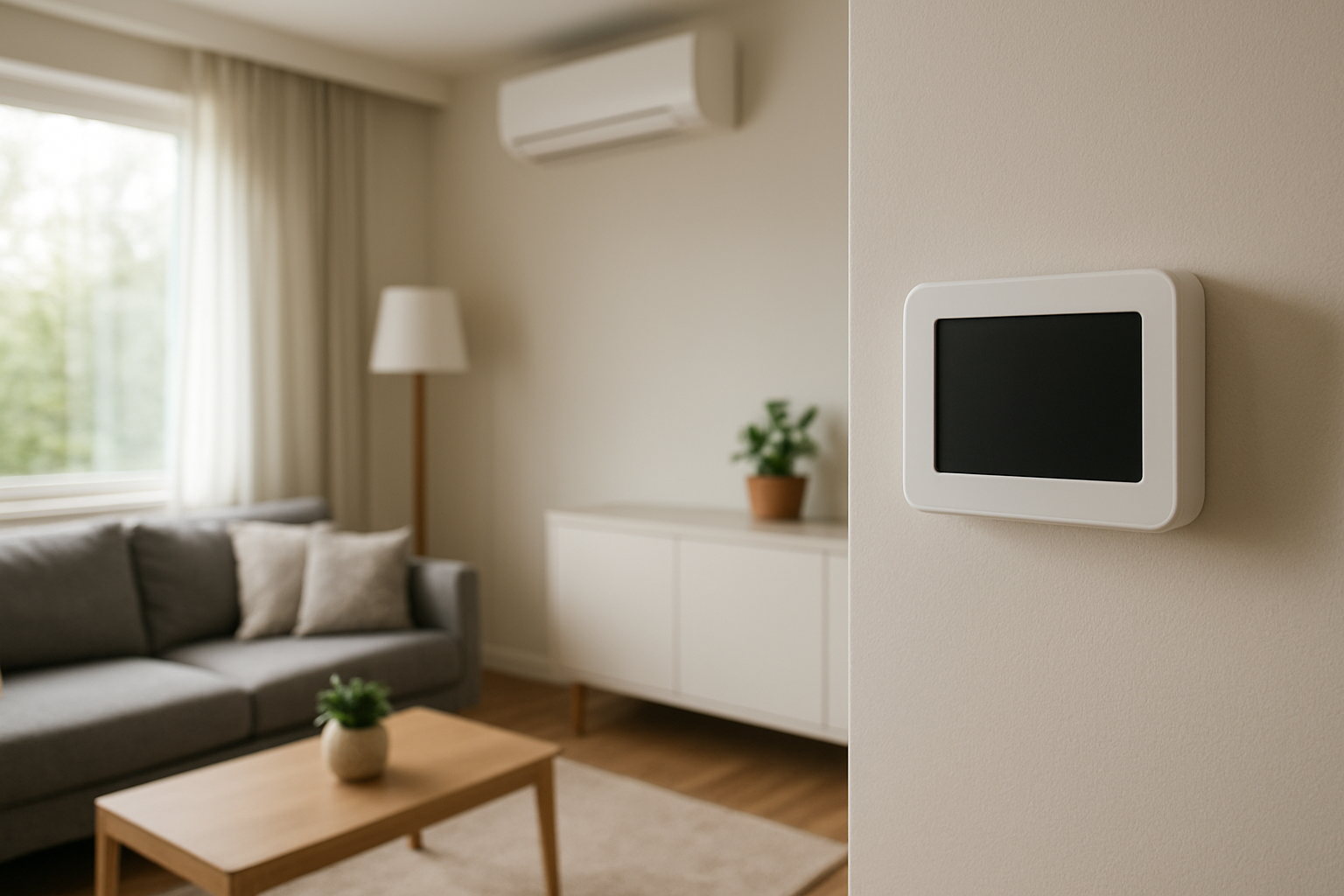
Display behavior in the morning: Blank screen suggests true power loss. A lit screen with wrong time/date suggests a reset from a brief power drop. A Wi‑Fi thermostat showing offline history suggests power or equipment shutdown.
System state at failure: Do you wake up to a cold house in winter or a warm house in summer? If the home temperature drifted significantly, the HVAC equipment likely stopped along with the thermostat power.
Whole-house vs thermostat-only: Are clocks on the microwave and stove flashing too? If yes, this is broader line-voltage interruption. If no, it is more likely localized to the HVAC circuit or low-voltage control power.
Intermittent vs constant: Every night suggests a repeatable trigger such as condensate switch activation, overheating limits, or a timed power event. Random nights suggest a loose connection, failing transformer, or intermittent breaker.
Airflow and humidity clues: If cooling shuts off overnight, you may notice higher morning humidity, clammy air, and weak airflow due to ice formation from a prior undervoltage or airflow issue. If heating shuts off, morning stratification increases: warmer upstairs, colder downstairs, with a larger floor-to-ceiling temperature difference.
Door position sensitivity: If closing bedroom doors makes the issue more noticeable (rooms drift more), that supports an overnight system shutdown because closed-room loads become more obvious when the system isn’t circulating air.
What This Usually Means Physically
Most thermostats do not generate power on their own. They either run on internal batteries, or they are powered by 24-volt control power supplied by the HVAC system through a transformer. When the thermostat loses power overnight, one of two physical events is usually happening:
Low-voltage control power is interrupted: The 24V transformer output drops out because the transformer is failing, a fuse opens, a safety switch opens, or the air handler/furnace loses its 120V feed. The thermostat goes blank or reboots, and the HVAC equipment stops.
Line-voltage power to the HVAC equipment is interrupted: A tripped breaker, loose service switch, or poor connection cuts 120V/240V to the furnace/air handler. When that happens, the transformer cannot supply 24V, so the thermostat appears dead even though the rest of the house still has power.
Overnight timing is not random in many homes. Heating and cooling loads often change after bedtime: doors close, internal heat gains drop, and outdoor temperature trends stronger. That can push runtimes longer, which raises internal equipment temperature, increases condensate production in cooling, and increases the chance that a marginal switch, drain, fuse, or transformer fails under sustained operation. The comfort impact you feel in the morning is simply the house drifting toward outdoor conditions while air mixing stops, allowing stratification and humidity to rise (cooling) or temperature layers to separate (heating).
Most Probable Causes (Ranked)
1) HVAC service switch or breaker interruption (localized to furnace/air handler): Thermostat is dead but the rest of the home has power. Diagnostic clue: the furnace/air handler appears off (no blower door light, no control board LED), and it comes back after flipping a switch or resetting a breaker.
2) Condensate float switch opening overnight (cooling mode or high humidity): Many systems cut 24V power when the drain backs up to prevent overflow. Diagnostic clue: happens on humid nights or after long cooling runs; you may see water near the air handler or a wet secondary drain pan, and the thermostat may go blank if wired to kill R power.
3) Overheating limit or rollout safety opening (heating mode): In some equipment, a safety event can interrupt control power or shut down the system and cause apparent thermostat power loss or reboot. Diagnostic clue: occurs on colder nights when heating runs long; you may notice the blower running without heat before shutdown or frequent short cycling earlier in the evening.
4) Failing 24V transformer or intermittent low-voltage short: A transformer can drop out when hot, then recover when it cools overnight. A low-voltage wire rub or failing contactor coil can intermittently short and blow a small fuse. Diagnostic clue: thermostat dies, then later returns without you doing anything; may correlate with system calling for heating/cooling.
5) Loose low-voltage connection at thermostat base, control board, or splice: Overnight vibration from longer blower runs or thermal expansion/contraction can open a marginal connection. Diagnostic clue: screen flickers with light touch, or power loss happens after the system has been running for a while.
6) Whole-home utility voltage event or nuisance breaker issue: Less common if only the thermostat is affected, but possible. Diagnostic clue: other electronics reset, clocks blink, or lights briefly dim during the night.
How to Confirm the Cause Yourself
These checks use observation only and avoid opening equipment panels. If anything requires removing covers or working near wiring, stop and schedule service.
Check whether it’s thermostat-only or a broader power event: In the morning, look at the microwave/stove clock. If it is flashing, you likely had a utility or main circuit interruption. If it’s fine, focus on the HVAC circuit and low-voltage power.
Note the thermostat state exactly: Blank display suggests loss of 24V power. If the display is on but time/date scheduling is reset, that suggests a brief power drop and recovery rather than a prolonged outage.
Look for HVAC equipment status without opening panels: At the furnace/air handler location, listen for any blower operation. If the system is completely silent during a call for heat/cool, suspect the service switch/breaker or a safety lockout.
Correlate failures with humidity and cooling runtime: If the problem happens after long cooling runs or on muggy nights, check around the indoor unit for signs of drain issues: water staining, a wet pan, or a safety drain line that looks recently active. Drain-related shutdowns often become repeatable under high moisture load.
Correlate failures with cold nights and long heat calls: If it happens during longer heating cycles, note if the home warms normally early evening but fails later at night. That pattern supports a heat-related safety interruption caused by restricted airflow (dirty filter, closed registers) or burner/venting problems that worsen as the unit heats up.
Compare morning room temperatures and stratification: A large delta between bedrooms and main areas, or a pronounced upstairs-warm/downstairs-cold pattern beyond your normal, supports an overnight system shutdown because air mixing stopped for hours.
Watch for repeatability after a reset: If you restore power (switch/breaker) and the issue repeats at roughly the same time window, suspect a safety device opening under specific operating conditions rather than a random outage.
Battery check only if your thermostat uses them: If your thermostat normally runs on batteries and just the display is dead while the HVAC still runs, replace batteries and confirm proper seating. If the HVAC also stopped, batteries are not the main issue.
Normal Behavior vs Real Problem
Normal: A thermostat briefly rebooting after a confirmed neighborhood power flicker, with other clocks also flashing, and comfort returning quickly once power is stable.
Normal: Thermostat display dimming at night due to a sleep setting while still responding to temperature changes and maintaining comfort.
Real problem: Thermostat blank in the morning with no other signs of household power loss, especially if the HVAC did not run and indoor temperature drifted significantly.
Real problem: Repeated overnight loss of power after long heating or cooling runtimes, suggesting a safety shutdown, drainage shutdown, overheating transformer, or intermittent electrical connection.
Real problem: Any pattern where restoring power leads to the same failure again within hours, indicating an underlying condition that will continue.
When Professional Service Is Needed
Same symptom repeats more than once in a week: Intermittent electrical interruptions tend to worsen and can strand you without heating/cooling.
Noticeable comfort loss: If you wake up to major temperature drift, high humidity, or rooms that will not recover quickly once restarted, the system likely stopped for an extended period.
Any evidence of water around the air handler or drain pan: Drain-related shutdowns are common and should be corrected before water damage occurs.
Any burning smell, unusual noises, or frequent cycling before the shutdown: These can indicate overheating conditions or failing electrical components.
Breaker trips more than once: Do not keep resetting. Repeated trips indicate a fault that requires diagnosis.
How to Prevent This in the Future
Keep airflow stable: Change filters on schedule and avoid closing too many registers. Restricted airflow increases overheating risk in heating and freeze/condensate problems in cooling, both of which can trigger shutdowns that drop thermostat power.
Keep condensate drainage reliable: Periodically inspect the drain outlet for steady flow during cooling and keep the area around the indoor unit dry and clear so early leaks are obvious.
Do not bump the furnace/air handler switch: Many units have a nearby service switch that can be accidentally turned off. Confirm it is firmly on.
Stabilize thermostat power expectations: If your thermostat relies on 24V power, avoid frequent rewiring changes and ensure the thermostat base is firmly mounted to prevent connection movement.
Track occurrences: Write down date, outdoor temperature, and whether heating or cooling was running. Repeatable conditions make professional diagnosis faster and more accurate.
Related Home Comfort Symptoms
Thermostat resets to default schedule randomly
HVAC runs during the day but stops at night
AC shuts off and won’t restart until morning
Heat works briefly then blower runs with no heat
Wi‑Fi thermostat frequently goes offline at night
Conclusion
A thermostat that loses power overnight is most often reacting to a loss of 24V control power supplied by the HVAC system, not a thermostat defect. Sort the pattern first: blank display versus reset, whole-house clocks versus thermostat-only, and whether it tracks long heating/cooling runtimes. If it repeats, or if there are signs of condensate backup, overheating, or breaker trips, schedule service to locate the exact interruption point and restore stable overnight comfort.
Frequently Asked Questions
Why is my thermostat blank only in the morning but fine later?
This commonly indicates the thermostat lost its 24V power overnight and came back after the HVAC equipment cooled down or a safety condition cleared. A transformer that drops out when warm, an intermittent connection, or a condensate float switch that resets after drainage can create this pattern.
Can low batteries cause a thermostat to lose power overnight?
Only if your thermostat is battery-powered for its display and controls. If the HVAC system also does not run when the thermostat is blank, batteries are not the main issue. Loss of HVAC operation points to an interruption in the HVAC power feed or the 24V control power supply.
How do I know if it’s a utility outage versus an HVAC-only interruption?
Check other devices that reset on power loss, like the microwave or oven clock. If those are flashing, the issue is likely utility power. If only the thermostat is affected and the rest of the home is normal, suspect the furnace/air handler circuit, its service switch, or a low-voltage interruption.
Could a clogged AC drain shut off my thermostat?
Yes. Many installations wire the condensate float switch to interrupt 24V power. When the drain backs up during long or humid cooling cycles, the switch opens and the thermostat can go blank. If you see water near the indoor unit or a wet drain pan, treat it as a likely cause.
What is the fastest safe check I can do before calling for service?
Document what you see in the morning: thermostat blank versus reset, indoor temperature, and whether other household clocks reset. Then check whether the furnace/air handler appears powered (normal sound and operation during a call). If it repeats or if there is any water around the unit, schedule service.
Need a complete overview? Visit the full troubleshooting guide here: Read the full guide for more causes and fixes.
By morning, the house finally settles back into the rhythm you expected. The quiet uncertainty of that overnight blackout fades fast once the pattern stops repeating.
What started as a jarring little mystery becomes just another line item in the everyday calendar. And somehow, that makes the whole place feel a bit more reliable.