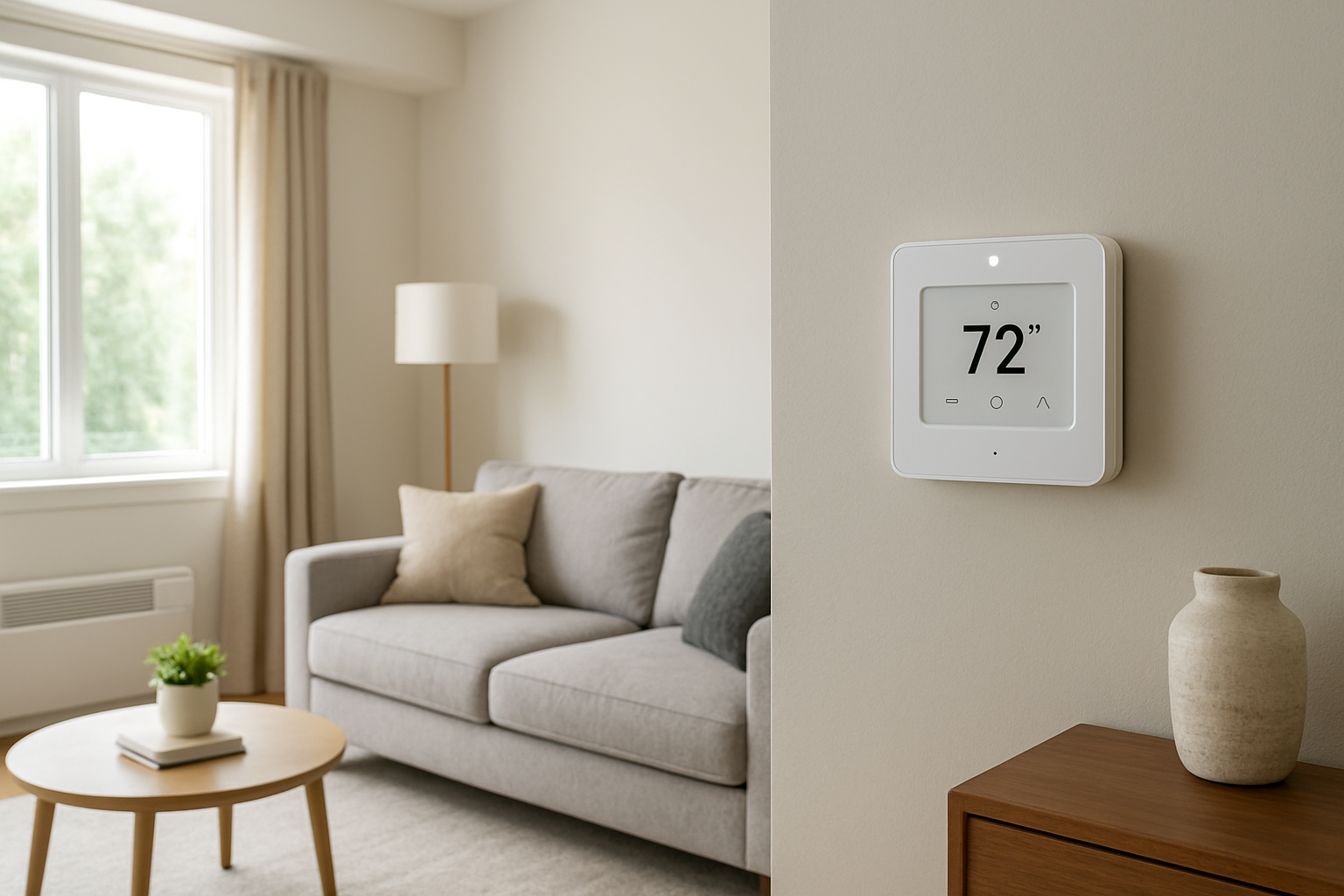
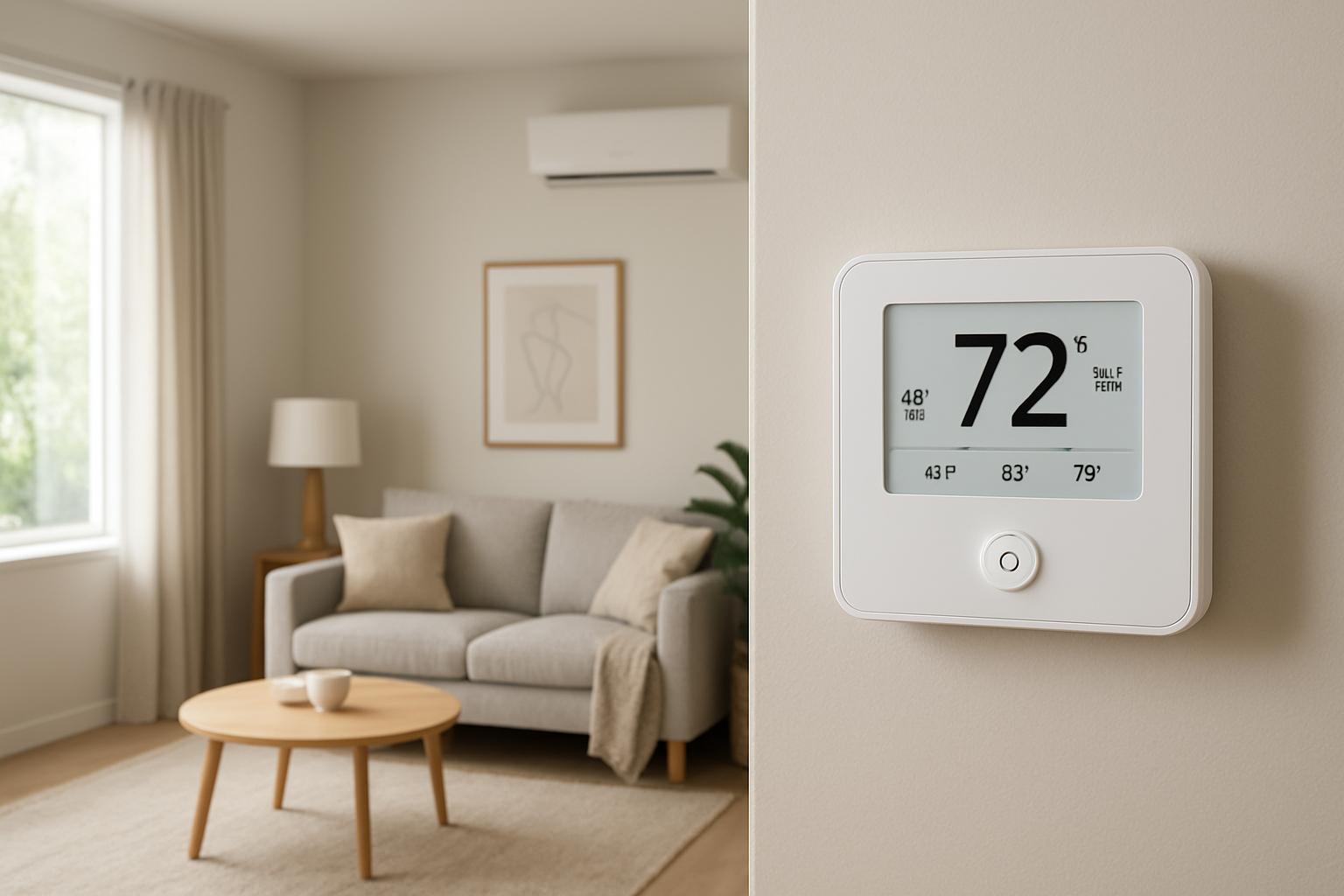
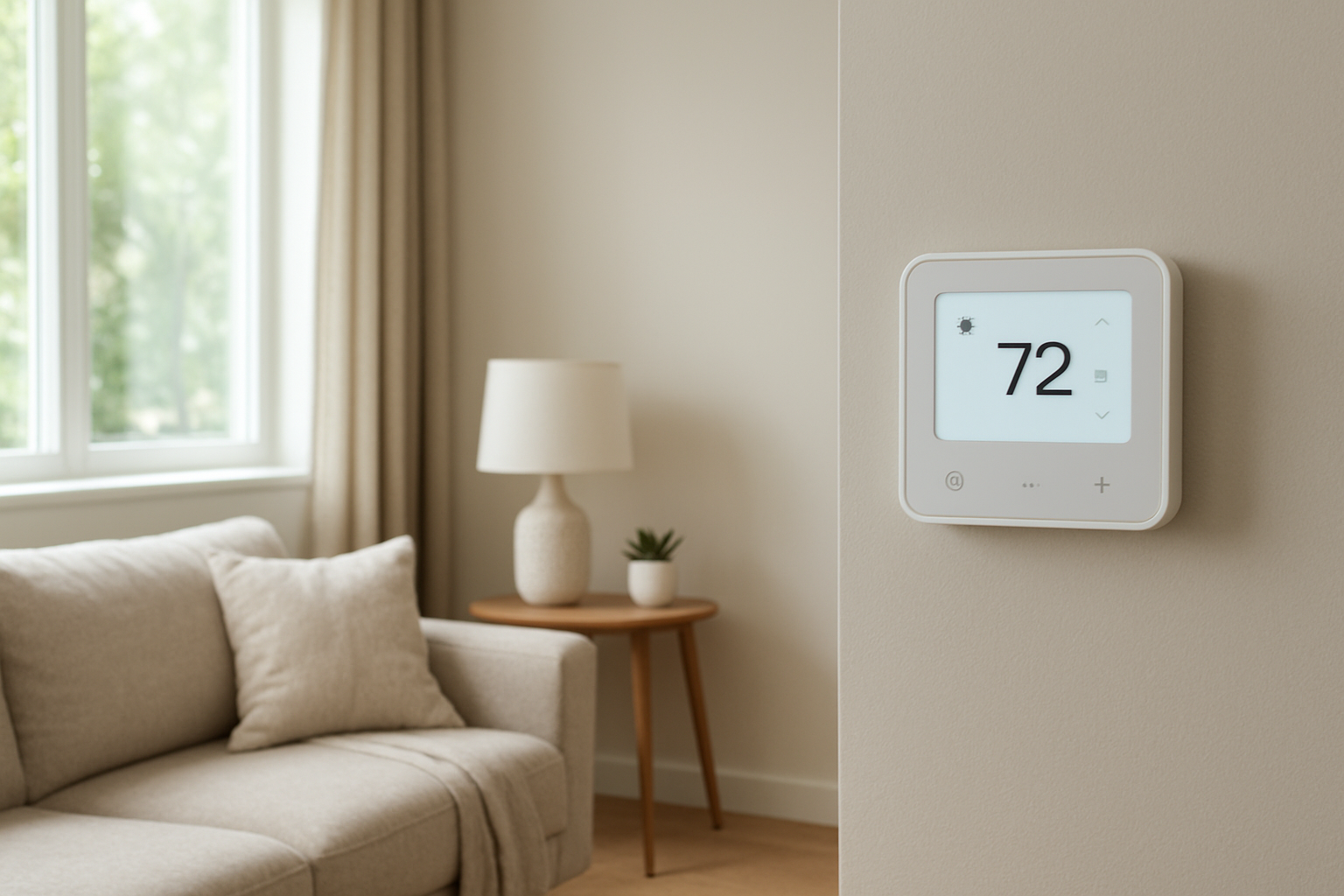
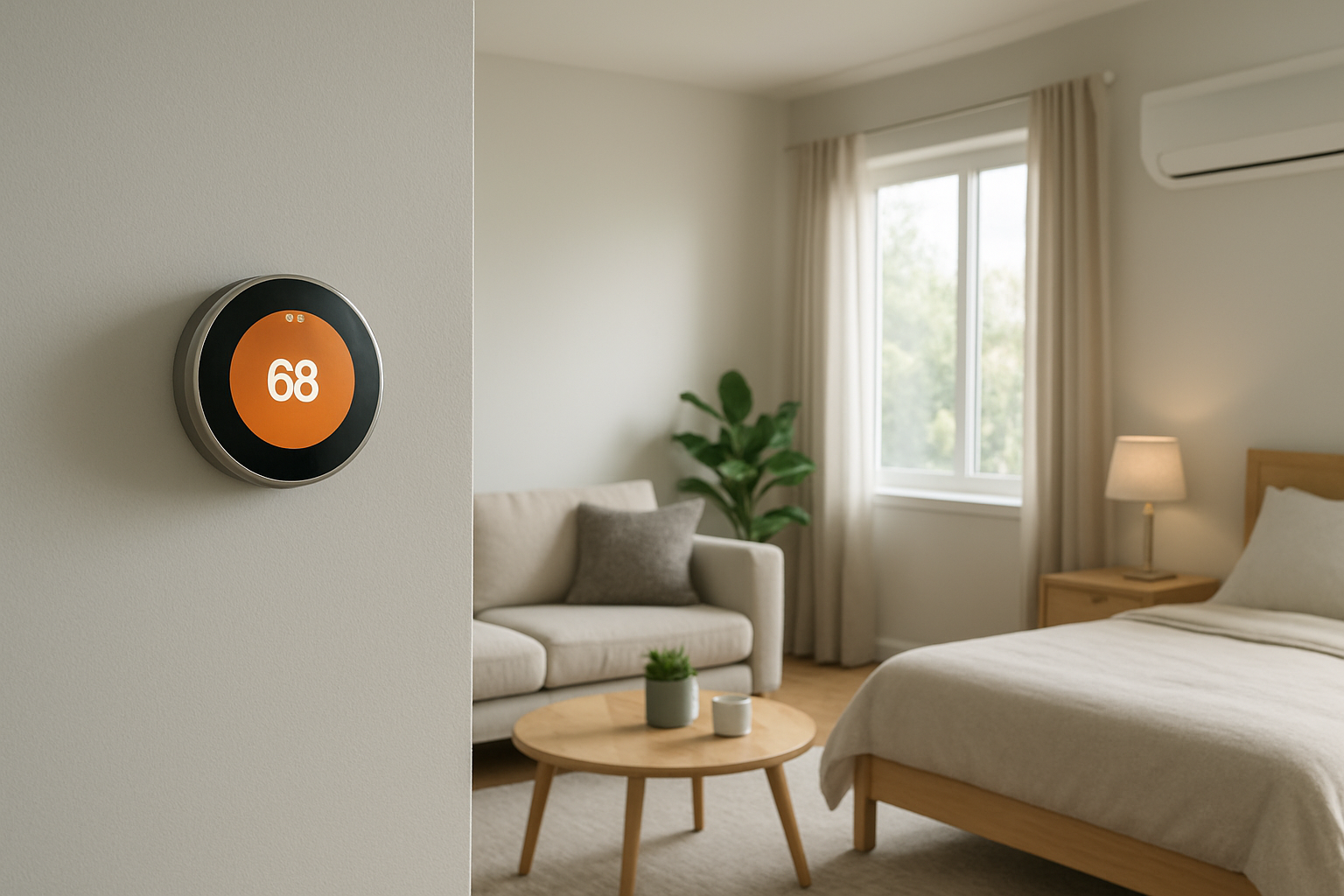
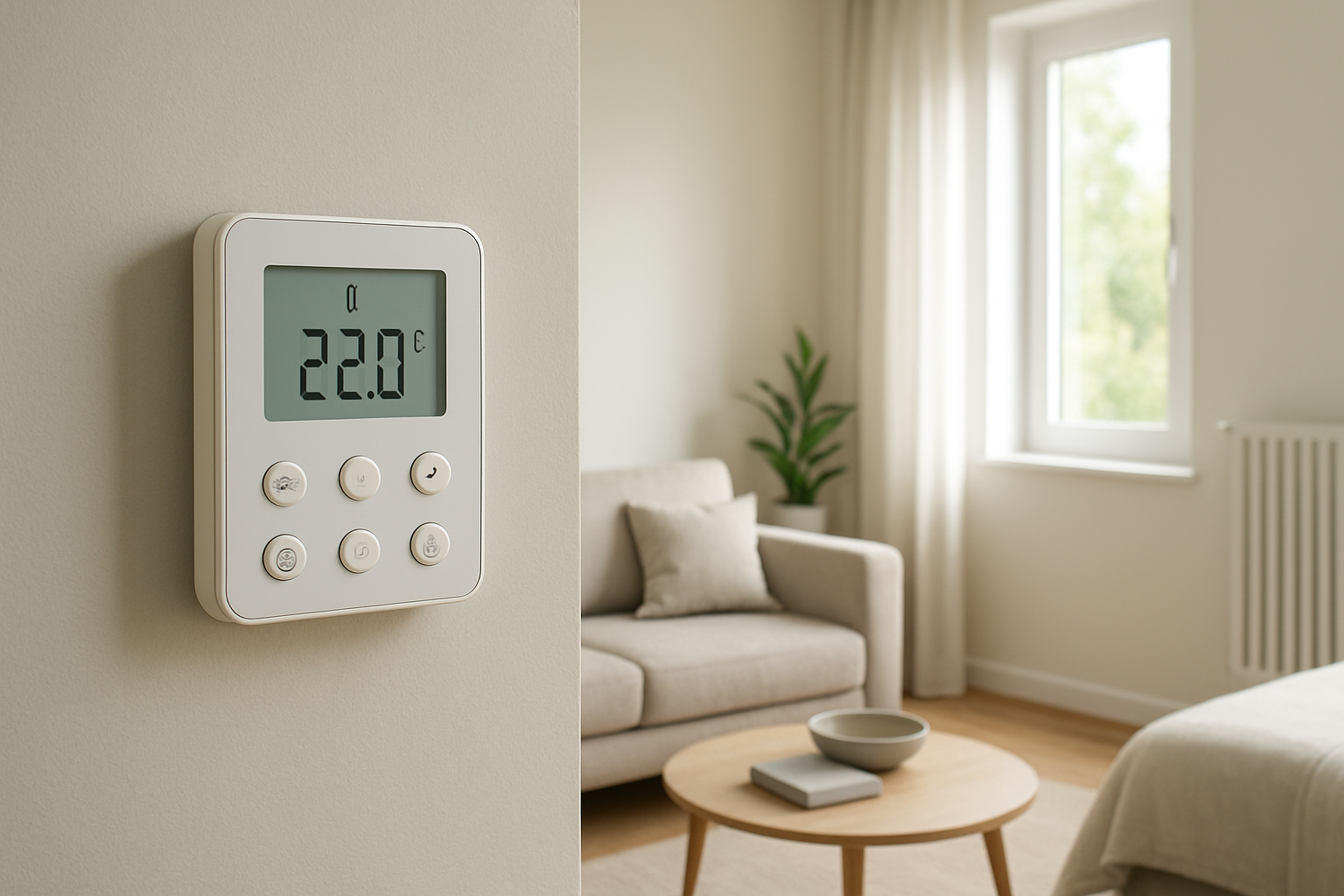
Diagnose why your thermostat keeps resetting due to electrical or power instability, and learn how to fix memory reset issues for reliable temperature control.
Thermostat Keeps Resetting By Itself? Here’s Why
Quick Answer
The most common reason a thermostat resets itself is a brief power interruption to the thermostat electronics, usually from unstable 24V control power (furnace/air handler transformer circuit) or a poor connection. First check: note whether the reset happens when the HVAC starts or stops. If resets line up with equipment cycling, you are likely losing control voltage momentarily.
Identify the Comfort Pattern First
Before chasing parts, sort the symptom by pattern. Thermostat resets are almost always tied to when the control circuit is disturbed.
When it happens: Does it reset during high run demand (very hot/cold afternoons) or randomly at night? Resets that cluster during heavy HVAC use often point to control power sag when the system energizes.
System running vs off: Does it reset exactly when heating/cooling turns on, when it shuts off, or mid-run? On/off timing is a strong clue of a momentary voltage drop during relay/contactor engagement.
Constant vs intermittent: A reset once every few days suggests a marginal connection or intermittent short. Multiple resets per day suggest chronic low/unstable 24V or a recurring safety/condensate event interrupting power.
Where it happens (zones/levels): If a zoned home has one thermostat that resets and another that never does, suspect a thermostat-specific power path or wiring issue rather than whole-house electrical supply.
Doors open vs closed: If closing a door changes when it resets, that can indicate the thermostat wire is being pinched or shifted (especially near door frames, returns, or where wire passes through studs).
Vertical temperature differences: After a reset, do you feel overheating/overcooling, or big upstairs-downstairs swings? A reset often wipes schedules and setbacks, leading to longer runtimes and more stratification (warm air pooling upstairs in heating season, cool air sinking in cooling season).
Humidity perception: In cooling mode, if the thermostat resets to a warmer setpoint or shuts equipment off unexpectedly, indoor humidity can climb because run cycles shorten and latent removal drops.
Airflow strength: If you notice airflow surges or stops at the same moment the thermostat resets, treat it as a control power interruption affecting the air handler/furnace controls, not just the thermostat display.
What This Usually Means Physically
A thermostat is a low-voltage control device. Most modern thermostats keep settings in memory and rely on stable 24V control power (or stable internal batteries) to maintain operation. When the power feeding the thermostat electronics drops out even briefly, the thermostat can reboot. A reboot can look like a reset: blank screen, returning to a default schedule, losing Wi‑Fi, or reverting to a factory-like state.
In real houses, that brief power loss is often caused by one of these physical mechanisms:
Control voltage sag: When heating or cooling starts, a relay, gas valve, inducer, blower, or outdoor contactor energizes. If the 24V transformer is weak or the circuit is marginal, the voltage can dip enough for the thermostat to reboot.
Intermittent open circuit: A loose wire nut, a loose thermostat base connection, or a nicked thermostat cable can open momentarily from vibration, blower start/stop, or temperature expansion/contraction.
Safety or condensate interruption: Many systems cut 24V power when a float switch trips (clogged drain) or a safety switch opens. That interruption can reboot the thermostat and also stop cooling, which quickly changes indoor comfort and humidity.
Shared power conflicts: Thermostats that steal power through the control circuit (or have an improper common wire) can reboot when the system is under load because their power source becomes unstable.
The comfort impact comes from the thermostat no longer controlling the house consistently. When the control brain reboots, setpoints and schedules can change, run cycles become irregular, humidity control suffers, and temperature stratification increases because the system is no longer running with predictable cycle length.
Most Probable Causes (Ranked)
Loose or intermittent 24V connection (thermostat base, wire splice, control board terminals): Resets often happen when the blower starts, when the furnace door is bumped, or when temperature changes between day and night.
Missing or bad common wire (C wire) causing unstable thermostat power: Thermostat works most of the time but resets during calls for heat/cool, may have Wi‑Fi dropouts, screen flicker, or frequent reboots on long cycles.
Weak failing transformer or overloaded 24V circuit: Reset frequency increases during peak heating/cooling demand, sometimes paired with chattering relays or inconsistent system starts.
Condensate float switch or safety switch intermittently opening: Often happens during heavy cooling and humid weather; may coincide with reduced airflow, gurgling drain sounds, or water near the indoor unit.
Thermostat wire short/rub-through intermittently (stapled too tight, rubbed on sheet metal, damage near the air handler): Resets are erratic; may correlate with blower vibration or when doors are opened/closed near the wire path.
Actual thermostat hardware fault: Resets occur regardless of HVAC operation and persist after power is stable; may be accompanied by random touch/button behavior or screen artifacts.
How to Confirm the Cause Yourself
These checks use observation only. Do not open equipment panels or touch wiring.
Time the reset to equipment events: Stand by the thermostat and listen. If it resets exactly when you hear the system start (click, blower ramp, outdoor unit engage) or stop, that points to a control-power dip or intermittent connection affected by load changes.
Watch for screen behavior: A full blank screen followed by a boot-up sequence suggests a power interruption. A sudden setpoint change without reboot behavior suggests user/program/app changes rather than power instability.
Look for schedule wipe patterns: If the thermostat reverts to a default time/date, loses Wi‑Fi, or returns to out-of-box settings, that indicates loss of power memory, not a simple temperature overshoot.
Check whether only one thermostat is affected: In multi-thermostat or zoned homes, compare behaviors. One thermostat resetting while others stay normal usually implicates that thermostat’s power feed (C wire path, splice, base connection) rather than the whole home electrical service.
Correlate resets with humidity and comfort drift: If resets happen during long cooling runs and you later notice clammy air or a musty feel, suspect a drain/float interruption cutting cooling and rebooting controls.
Note recovery behavior after reset: If the system runs longer than usual after a reset, the thermostat may have reverted to a different schedule. Longer runs can increase temperature difference between floors due to stratification, even if the equipment is otherwise healthy.
Battery-equipped thermostats: If your thermostat uses batteries, note whether resets cluster when the backlight is used or when demand is heavy. That can indicate the thermostat is switching between battery and 24V power due to unstable control voltage.
Normal Behavior vs Real Problem
Normal: A thermostat may reboot once after a deliberate power outage or after you change batteries. Some models briefly restart after firmware updates. These events are infrequent and tied to an obvious cause.
Not normal: Any repeating reset pattern, especially when heating/cooling starts or during long cycles. Also not normal: losing time/date, losing Wi‑Fi repeatedly, returning to default programs, or experiencing comfort swings that match the resets.
Comfort-based warning sign: If resets cause the system to stop cooling on humid days, indoor humidity can rise quickly and comfort degrades even if the temperature number looks close. That is a functional control problem, not a cosmetic thermostat issue.
When Professional Service Is Needed
Resets more than once a week without an obvious outage: Treat as a control-power stability problem that needs measured voltage and load testing.
Resets coincide with system start/stop: A technician should check 24V transformer output under load, control board terminal tightness, and whether a proper common wire is present and correctly landed.
Cooling is interrupted and humidity rises: If you notice clammy conditions, water near the indoor unit, or the system shutting off during cooling, service is needed to evaluate the condensate drain, float switch behavior, and airflow conditions that can drive water issues.
Any burning smell, visible smoke, or repeated breaker trips: Stop using the system and call for service. Those symptoms move beyond thermostat resets into electrical fault territory.
How to Prevent This in the Future
Ensure the thermostat has stable power: The most reliable setup is a correctly installed common wire providing continuous 24V power so the thermostat is not relying on marginal power paths.
Keep condensate drainage reliable: Replace filters on schedule and address slow drains promptly. Drain issues can interrupt cooling and cut control power depending on how safeties are wired.
Avoid wire stress: Do not pinch thermostat cable behind the wall plate or route it where doors or trim can compress it. Intermittent opens are commonly physical, not software-related.
Don’t ignore “rare” resets: A monthly reset often becomes weekly when temperatures get extreme and equipment runs longer, because marginal voltage problems show up under load.
Related Home Comfort Symptoms
Thermostat screen goes blank when AC turns on
Wi‑Fi thermostat keeps disconnecting during heating or cooling
AC randomly shuts off and humidity spikes
System short cycles after a thermostat reboot
One zone won’t hold schedule or setpoint
Conclusion
A thermostat that keeps resetting is usually not thinking wrong; it is losing power briefly. Pattern matters most: if resets line up with HVAC start/stop or heavy run periods, focus on unstable 24V control power, a missing/common issue, a weak transformer, or an intermittent safety interruption like a float switch. Your next action is to document when resets occur and whether they coincide with equipment cycling, then schedule service if the pattern repeats.
Frequently Asked Questions
Why does my thermostat reset when the heat turns on?
That timing typically indicates a momentary drop in the 24V control voltage when heating components energize. The added electrical load can expose a weak transformer, a poor connection, or an unstable thermostat power setup (often related to the common wire).
Can low batteries cause my thermostat to reset even if it’s wired?
Yes. Some thermostats use batteries as backup or as the primary power source even when wired for control. If the thermostat is switching between battery and unstable 24V power, low batteries make reboots more likely, especially during heating/cooling calls.
Could a clogged AC drain make the thermostat reset?
It can. If your system has a float switch wired to interrupt the low-voltage control circuit, a rising water level in the drain pan can cut power to cooling controls and sometimes the thermostat power feed, causing a reboot along with comfort and humidity problems.
My thermostat resets but the breaker never trips. Is that still an electrical problem?
Often yes. Thermostat resets usually involve the low-voltage side (24V control power), which can drop out without affecting high-voltage breakers. Loose low-voltage connections, transformer issues, or safety switches can interrupt control power while the main breaker remains on.
How often is the thermostat itself the problem?
Less often than wiring or control-power issues. If resets occur regardless of HVAC operation and persist after addressing power stability (proper common wire, stable control voltage, no safety interruptions), then the thermostat hardware becomes a more likely suspect.
Need a complete overview? Visit the full troubleshooting guide here: Read the full guide for more causes and fixes.
When the settings snap back on their own, it’s easy to feel like your home is freelancing. But the pattern is rarely as mysterious as it looks—more like an annoying habit that finally makes sense.
After a stretch of stable control, you’ll notice the difference in the background, where comfort lives. The best part is the quiet confidence that comes with not having to babysit the thermostat every day.