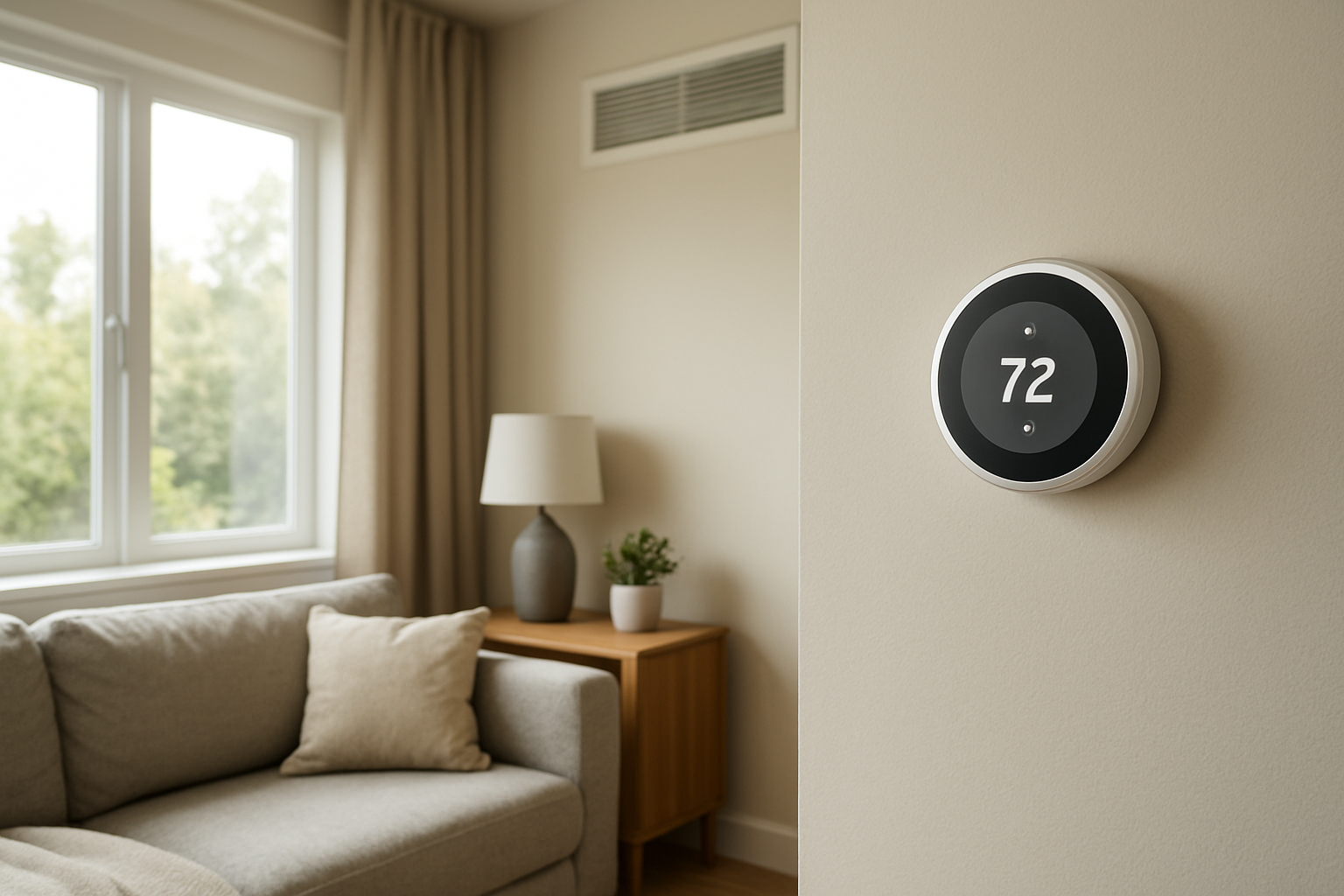
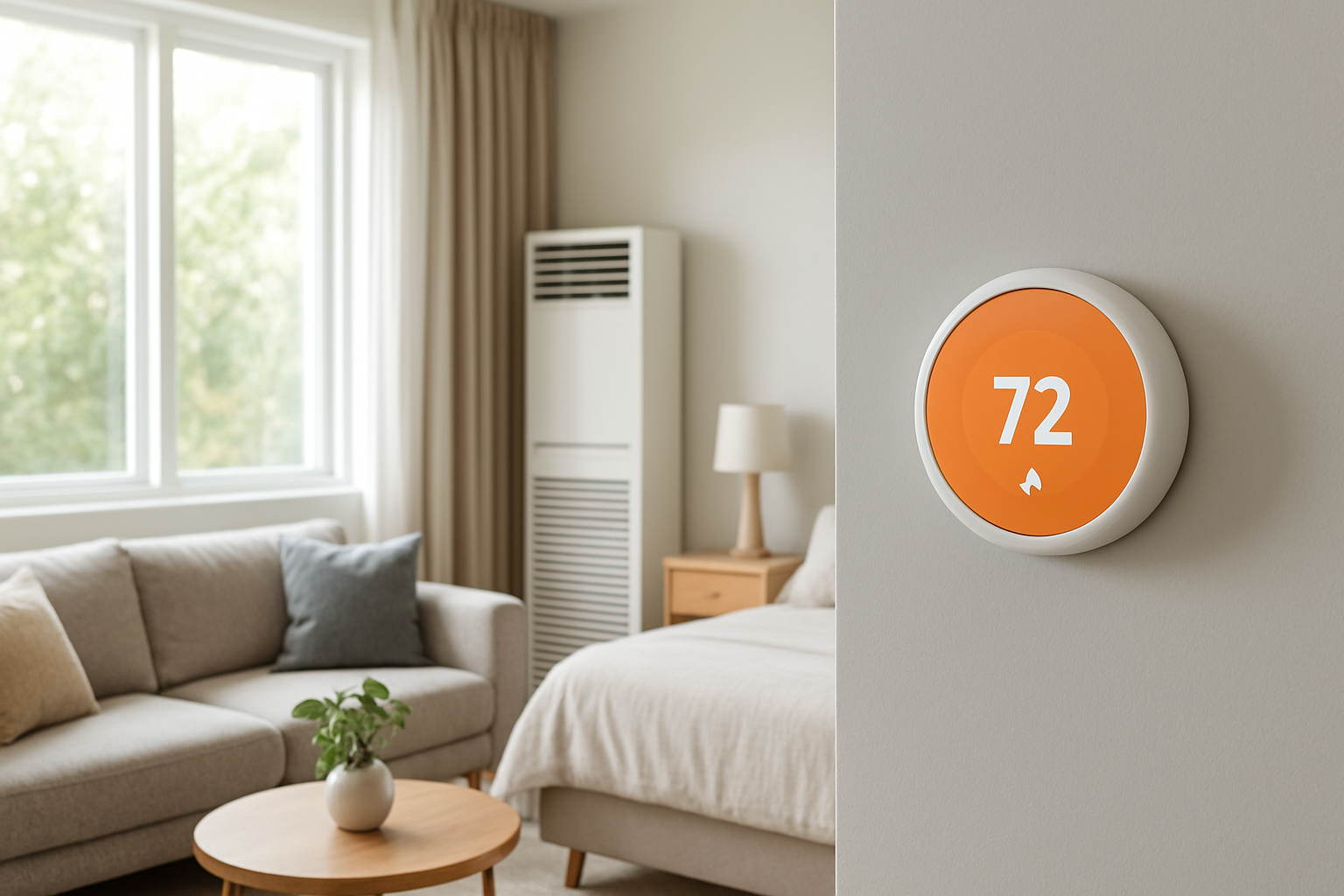
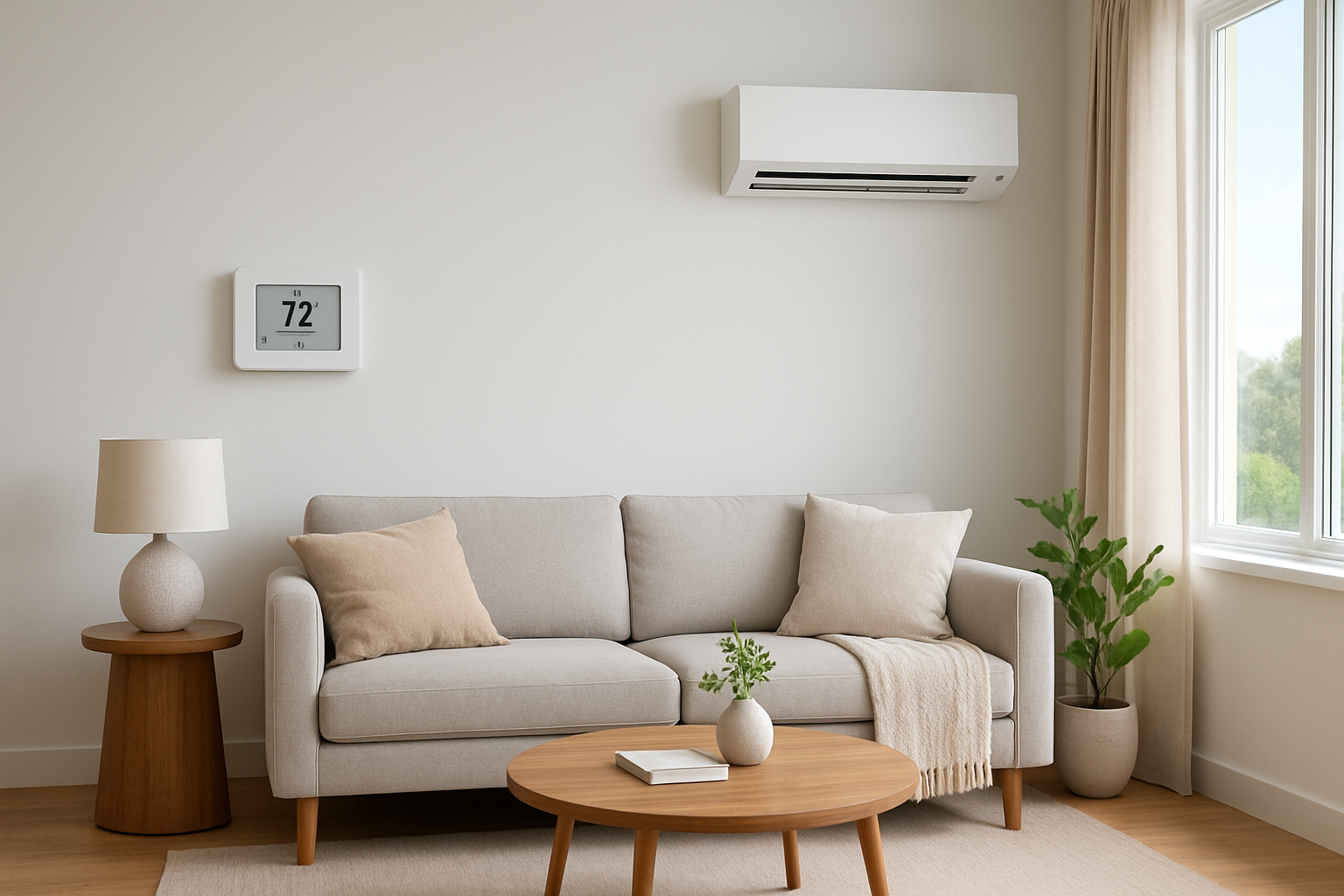
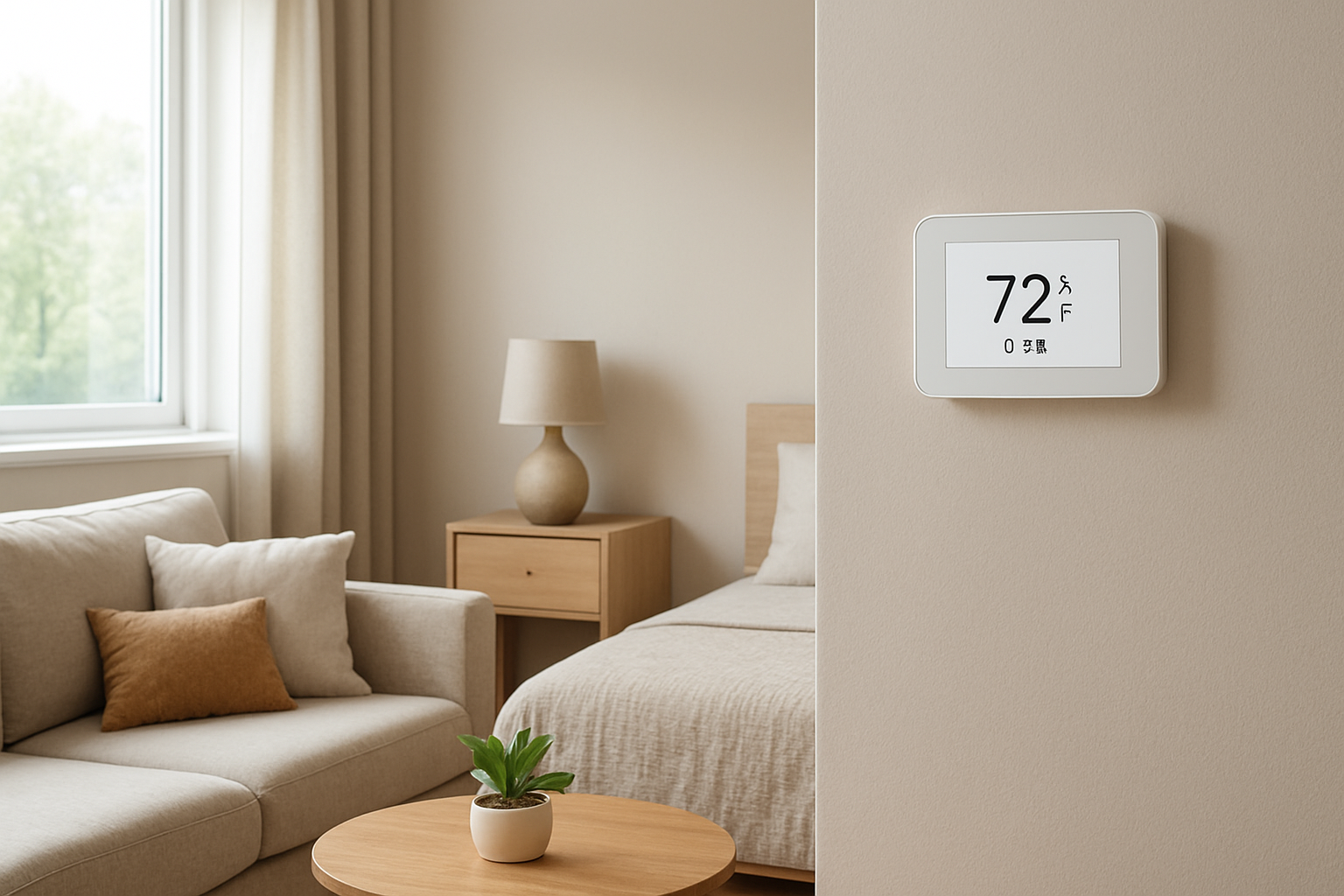
Learn how to diagnose and fix slow response times in thermostats, often caused by sensor lag or control delays affecting temperature adjustments.
If your thermostat feels slow to respond after you adjust it, the issue is usually not the heating or cooling system itself — it’s how the thermostat senses and reacts to the air around it.
You change the temperature expecting a quick response. But instead, nothing seems to happen right away. The system may start late, stop later than expected, or simply feel out of sync with how the room actually feels.
This kind of delay is very common, and it often comes down to how the thermostat reads temperature — not how your system performs.
Why a Thermostat Can Feel “Behind” the Room
A thermostat doesn’t measure comfort. It measures temperature at a single point in your home, and that reading doesn’t always match what you feel.
If the air around the thermostat changes slowly, or differs from the main living areas, the system will react based on that delayed or inaccurate reading.
This creates the impression that the thermostat is slow, when in reality it’s just reacting to the wrong conditions.
What Often Causes This Delay
There are a few common reasons why a thermostat may not react as quickly as expected.
In some cases, it’s simply where the thermostat is located. Hallways, stairwells, or areas near doors can have very different airflow compared to the rooms you actually use.
In other situations, the thermostat is influenced by the wall behind it. Exterior walls, poorly insulated cavities, or temperature differences inside the wall can slow down how quickly the sensor changes.
Airflow can also play a role. If supply air or return air moves directly across the thermostat, it may react to that airflow instead of the room itself.
And with modern smart thermostats, some delay is intentional. Many systems smooth temperature changes or delay responses to avoid rapid cycling.
Why It Feels Worse After Changing the Temperature
The delay is usually most noticeable right after you adjust the setpoint.
You expect an immediate reaction, but the thermostat is still processing the current conditions. If it’s averaging readings or slowly adjusting to new air temperature, it can take time before the system responds.
Meanwhile, your body reacts faster than the sensor — which is why the mismatch feels so obvious.
How to Tell If It’s a Sensor Issue
You can often confirm this with simple observations.
The thermostat reading doesn’t match how the room feels
Opening doors changes how quickly the system reacts
The system starts or stops later than expected
The thermostat area feels different from the main living space
If these patterns are consistent, the thermostat is likely reacting to its environment, not the whole house.
When It Might Be Something Else
Not every delay comes from the thermostat.
If the thermostat reacts correctly but the room temperature still changes slowly, the issue may be airflow, insulation, or system capacity.
In that case, the thermostat is doing its job — but the home itself isn’t responding as expected.
If you want to better understand how thermostat behavior connects with heating and cooling performance, you can check our thermostat troubleshooting guide for a broader overview.
Why This Is So Common
Most homes are not perfectly balanced environments. Air moves differently from room to room, temperatures vary by location, and small factors like sunlight or airflow can change how a space feels.
A thermostat only sees a small part of that picture.
When that small sample doesn’t match the rest of the home, delays and mismatches become noticeable.
Conclusion
A thermostat that feels slow to react is usually not a failing device — it’s a sensor responding to delayed or unrepresentative air conditions.
Once you understand that, the behavior becomes much easier to interpret and improve.
At this point, the mystery stops feeling mysterious. You make the change, and the room catches up the way it always should, even if it takes a beat to get there.
It’s one of those small daily annoyances that reminds you how patient systems can be. When everything finally lines up, it’s oddly satisfying—like the house exhaled and decided to cooperate.