AC Dripping Outside The Window? Usually Normal Condensation
Quick Answer
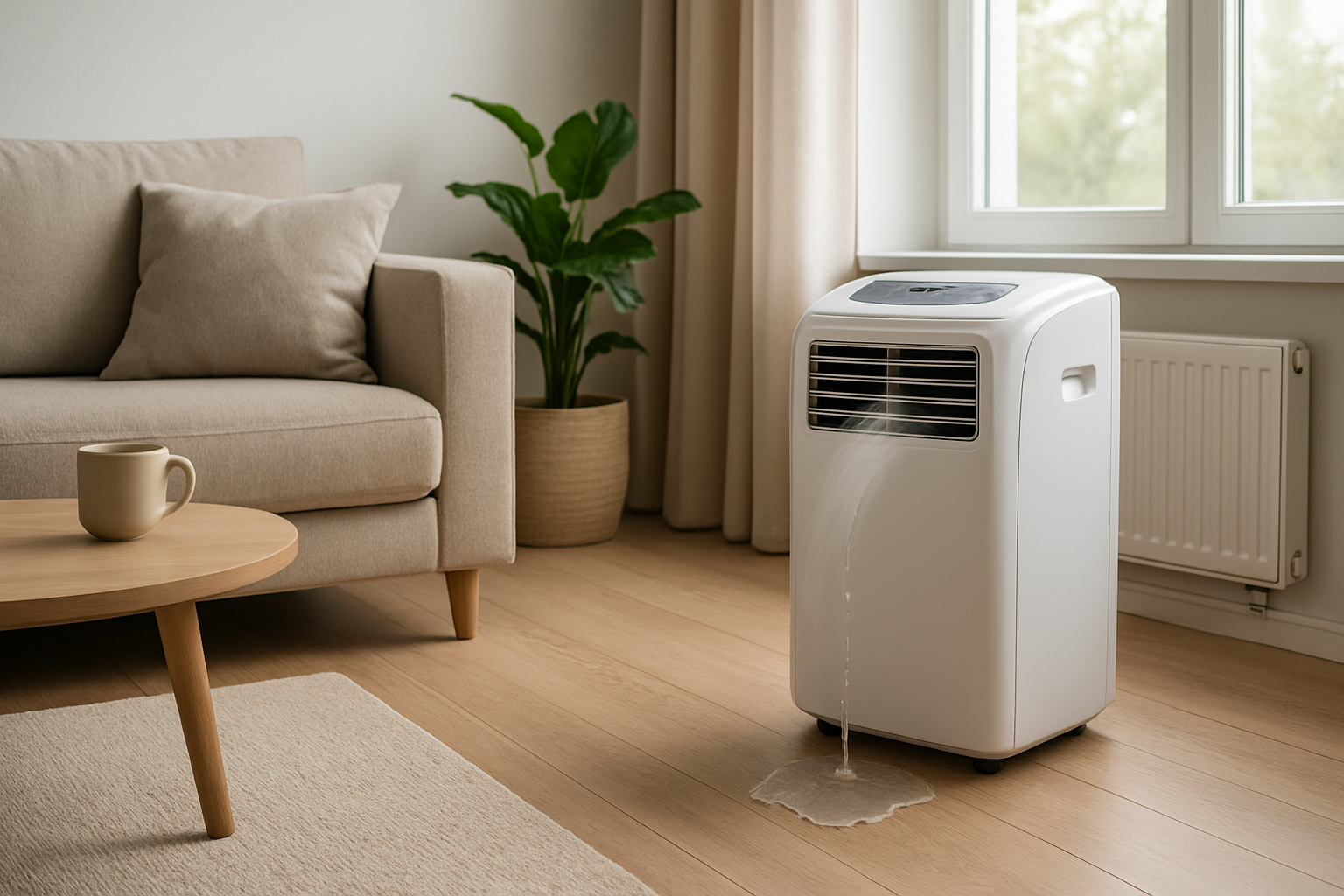
Most window AC dripping outside is normal condensate water from indoor humidity collected on the evaporator coil and routed to the outdoor side for disposal. First check: confirm the unit drips only while running on humid days and that water is exiting outdoors (not onto the interior sill or wall). If indoor leaking or weak cooling accompanies it, treat it as a malfunction.
Identify the Comfort Pattern First
Before assuming something is wrong, sort the pattern. Condensate behavior changes with humidity, runtime, and how the unit is installed.
- When it happens: Most noticeable on hot, humid afternoons and evenings, especially after the AC has been running 15–45 minutes. Much less dripping on dry days.
- Where it happens: Drips from the outdoor rear/underside of the window unit or from a rear corner seam. Not from the indoor grille.
- Running vs off: Usually drips while the compressor is running. Light dripping for a short time after shutdown can be normal if the base pan is draining.
- Constant vs intermittent: Intermittent drips are common as water accumulates and spills from the outdoor pan. A steady stream suggests very high humidity load or a blocked pan/tilt issue forcing water to one exit point.
- Changes with doors open/closed: If opening doors to the rest of the home increases dripping and the room feels clammy, the unit is being asked to dehumidify more air than it’s sized for.
- Vertical differences: If the ceiling area feels warmer while the unit runs and the room never stabilizes, the AC may be short-cycling or simply undersized, but dripping outside alone still points to normal moisture removal.
- Humidity perception: If air feels cleaner and less sticky while dripping increases, that usually confirms normal dehumidification.
- Airflow strength: Strong, consistent airflow through the indoor grille with normal outside dripping is typically normal operation. Weak airflow plus heavy dripping can indicate coil icing or an airflow restriction.
What This Usually Means Physically
A window AC does two jobs at the same time: it removes heat and it removes moisture from indoor air. When warm, humid indoor air passes across the cold evaporator coil, moisture condenses on the coil surface. That water is supposed to fall into a drain trough and collect in the base pan.
On most window units, the base pan is intentionally on the outdoor side, and the unit is designed to throw or sling some of that water onto the outdoor condenser coil. This improves heat rejection and efficiency. Any remaining water exits outdoors through small openings or over a pan lip. So outdoor dripping is often the visible proof that the unit is reducing indoor humidity load as it cools.
The key physics: higher indoor humidity and longer runtime create more condensate. That’s why dripping ramps up on muggy days and during long compressor cycles. The presence of outdoor condensate is often a sign of normal latent heat removal, not a leak.
Most Probable Causes (Ranked)
- Normal dehumidification during cooling (most likely): Dripping increases on humid days, cooling feels normal, and the water is clearly outdoors.
- Unit intentionally using condensate for condenser cooling: You may see water splatter or pulsing drips when the fan is on high. Cooling performance is stable and the drips are from the rear base pan area.
- High indoor humidity load from infiltration or open layout: Dripping is heavy and continuous, especially when doors are open to hallways/kitchen or after showers/cooking. Room may still feel slightly clammy if the unit is undersized.
- Installation tilt not set correctly (can turn normal condensate into a problem): If the unit is level or tilted toward the room, water may still drip outside but can also creep toward the interior sill or side trim.
- Drain channel/pan partially blocked with debris: Dripping may come from unusual spots, or water may back up and then suddenly dump. Often accompanied by musty odor at startup.
- Airflow restriction leading to coil icing (least likely for outside dripping alone): Weak airflow, reduced cooling, and possible sweating/icing inside the front grille. After it thaws, the unit may dump more water than usual.
How to Confirm the Cause Yourself
- Match dripping to humidity and runtime: On a humid day, run the unit 30 minutes. If dripping begins after the coil has been cold for a while and increases with longer runs, that aligns with normal condensate production.
- Check indoor vs outdoor water location: Look at the interior sill and wall directly beneath the unit. Normal behavior is dry indoors while water appears on the outdoor side. Any indoor wetness changes the diagnosis.
- Observe cooling and airflow at the same time: Put your hand at the indoor discharge. Normal is a strong stream of cool air. If airflow is weak or the air is not cooling well, dripping may be secondary to a performance issue.
- Listen for compressor cycles: If the compressor runs steadily and the room temperature drops normally, outside dripping is expected. If the compressor rapidly cycles and the room stays sticky, the unit may be oversized for the room or short-cycling due to control/sensor issues.
- Simple tilt observation: Stand to the side and visually confirm the unit’s cabinet appears slightly lower outdoors than indoors. If it looks level or tipped inward, suspect installation angle as a contributor to any indoor moisture risk.
- Look for abnormal discharge points: Normal drips come from the rear underside or rear corners. If water is coming from the front edge, side trim, or through the indoor grille, treat it as a drain path problem.
Normal Behavior vs Real Problem
- Normal: Dripping outdoors while the unit runs, especially on humid days; indoor area stays dry; cooling output feels normal; no unusual odors; no gurgling or water sloshing sounds inside.
- Usually still normal: A heavier drip or brief stream during long run cycles; some splatter on the rear from the condenser fan slinging water; a short period of dripping after shutdown.
- Likely a problem: Any water appearing indoors; paint bubbling or damp drywall near the window; musty odor that persists; airflow weakening over time; the unit icing up; the room staying warm and sticky despite long runtime.
When Professional Service Is Needed
- Indoor water evidence: Wet sill, damp trim, staining, or dripping inside the room at any time.
- Comfort performance drops: Noticeably weaker airflow, longer runtimes with poor temperature pull-down, or the room remains clammy even when setpoint is met.
- Icing indicators: Frost/ice on the front grille, unusually low airflow, or a surge of water after the unit cycles off (thaw dump).
- Electrical or safety concerns: Water contacting the power cord, receptacle, or extension connections, or any tripped breaker associated with the unit.
- Persistent unusual drainage pattern: Water pouring from an odd location or dripping that started suddenly after years of normal behavior.
How to Prevent This in the Future
- Maintain correct outward tilt: Ensure the unit sits slightly lower outdoors so condensate reliably stays on the outdoor side and exits as designed.
- Keep airflow clean: Clean the air filter regularly so the evaporator coil stays above freezing and drains consistently.
- Reduce indoor humidity load: Close doors/windows while running the unit, use kitchen/bath exhaust during moisture events, and avoid pulling humid air from adjacent areas when possible.
- Keep the outdoor side clear: Make sure the rear of the unit is not blocked by screens, plants, or debris that can affect heat rejection and increase condensate handling issues.
- Address recurring musty smell early: A persistent odor often points to standing water or debris in the pan, which can alter the normal drain path.
Related Home Comfort Symptoms
- Water leaking inside from a window AC
- Room feels clammy even though temperature is cool
- Window AC icing up or airflow getting weaker
- Musty smell when the AC first turns on
- Short cycling and uneven room temperatures
Conclusion
If your window AC is dripping outside the window during operation, the most probable explanation is normal condensate drainage from moisture removal. Confirm it by checking that the water is only outdoors and that cooling and airflow remain normal. Treat it as a real issue only if water appears indoors, performance declines, or icing/musty symptoms show up.
Frequently Asked Questions
How much dripping from a window AC is normal?
Enough to form intermittent drips or even a light stream on humid days can be normal. The real divider is location and performance: outdoor dripping with good cooling is expected; any indoor water or loss of airflow/cooling is not.
Why does it drip more at night or after rain?
Indoor and outdoor humidity commonly rise after rain and in the evening. Higher humidity means more moisture condenses on the evaporator coil, so the unit produces more water even if the temperature is similar.
Should I drill a drain hole to stop the dripping?
Usually no. Many window units are designed to retain some water in the outdoor pan to improve condenser cooling. Modifying the drain can reduce efficiency and may create new leak paths. Only address drainage if you have indoor water or clear evidence of a blocked/incorrect drain path.
Why is my window AC dripping outside but the room still feels sticky?
Dripping confirms moisture is being removed, but the room can still feel sticky if the humidity load is high (open doors, infiltration, cooking/showers) or the unit is undersized for the space. Also check that airflow is strong and the filter is clean.
Can outdoor dripping damage the exterior wall or window area?
It can if water repeatedly runs onto vulnerable wood trim or into a wall assembly. If you see staining, peeling paint, or dampness outside below the unit, redirect the drip path with proper installation adjustments or have the mounting and tilt checked.
Need a complete overview? Visit the full troubleshooting guide here: Read the full guide for more causes and fixes.
Most of the time, that steady drip outside your window is less a mystery and more a familiar little byproduct of everyday comfort. Annoying, sure—like a faucet you didn’t ask for—but not necessarily a bad sign.
There’s a strange comfort in knowing the “usual” thing is just that: usual. Let it be the background soundtrack of summer, and keep your mind free for the stuff that actually demands attention.