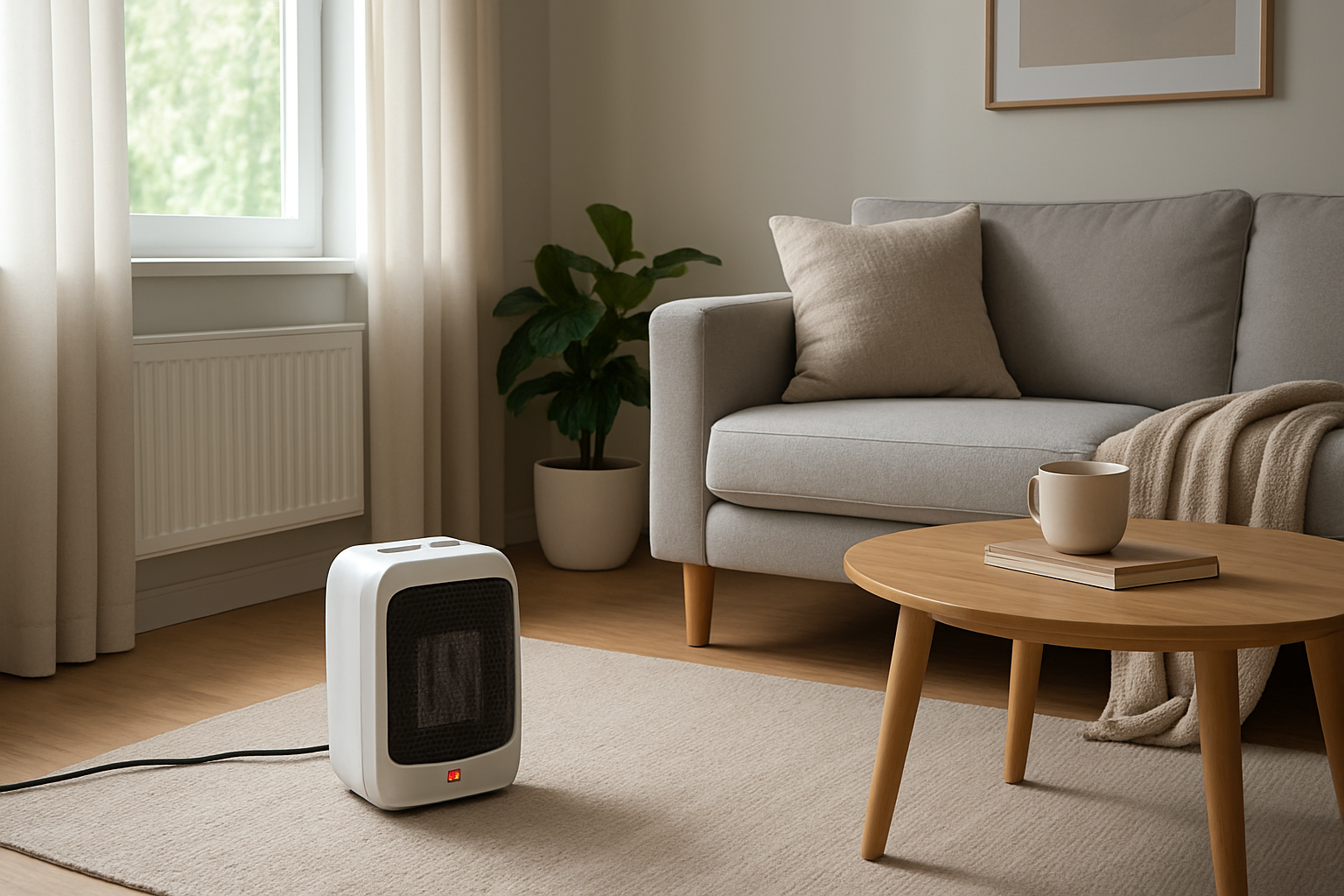
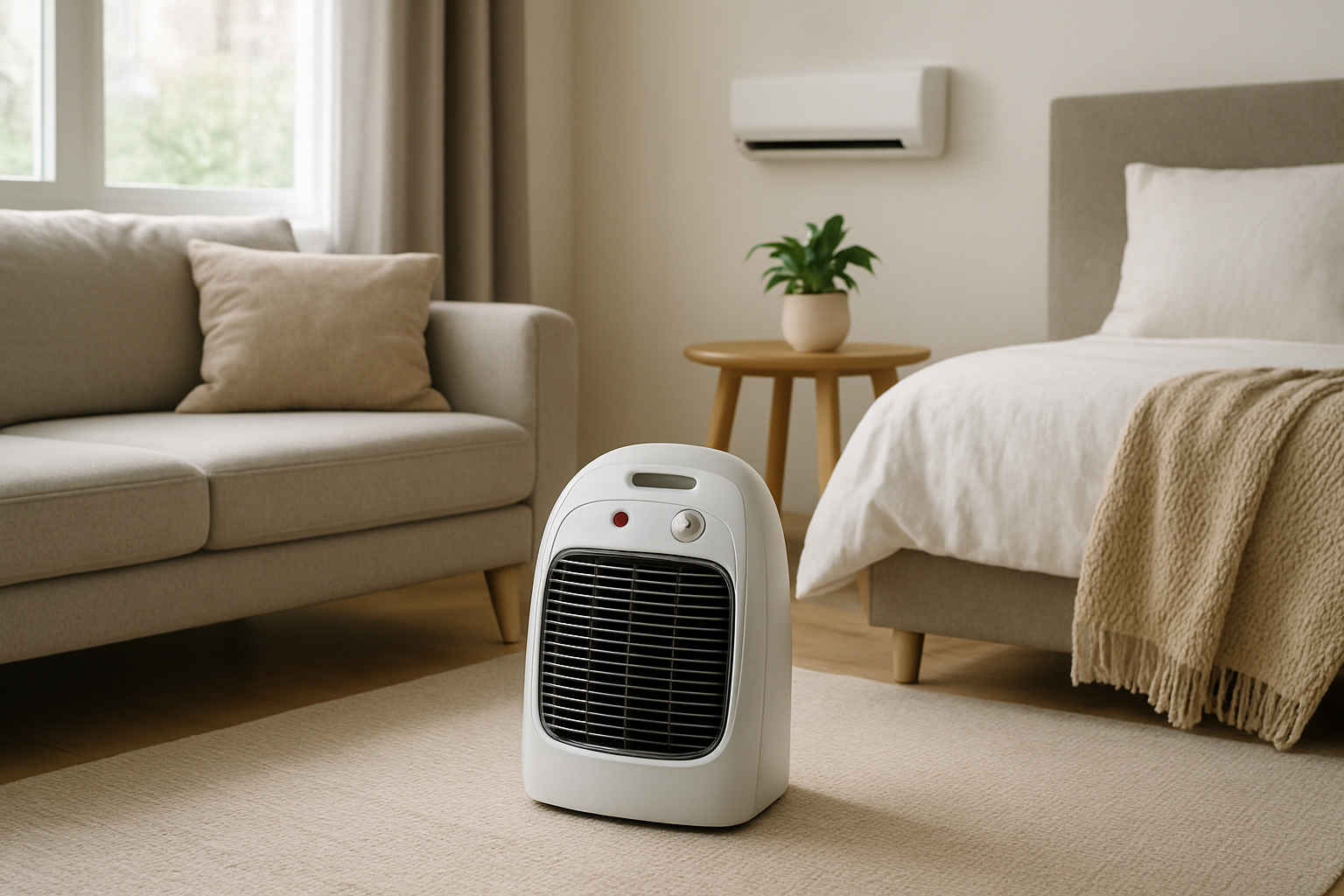
Diagnose why your portable heater shuts off unexpectedly by identifying safety cutoff triggers and common causes, including overheating, blocked vents, or faulty sensors.
Portable Heater Shuts Off Unexpectedly? Safety Cutoff Triggered
Quick Answer
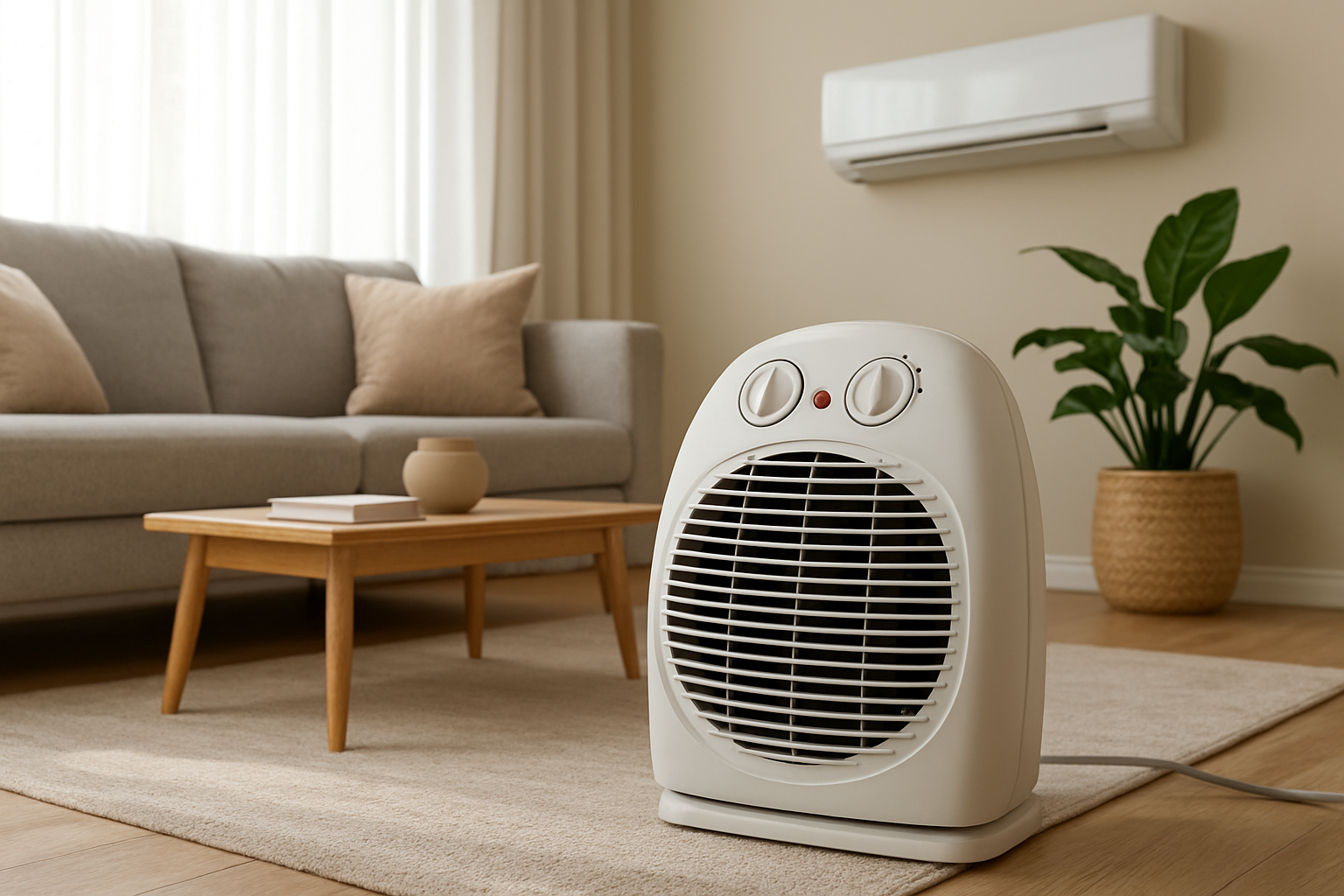
The most common reason a portable heater shuts off unexpectedly is a safety cutoff reacting to overheating from blocked airflow or a tip/position sensor being disturbed. First check: unplug it, let it cool, then inspect the air intake and discharge for dust buildup, fabric contact, or placement too close to a wall. Restore clear space around the heater and retest.
Identify the Comfort Pattern First
Before assuming the heater is defective, pin down the exact shutdown pattern. Safety cutoffs behave predictably when a real condition is triggering them.
When it happens: Does it shut off after 2–10 minutes (typical overheat cutoff) or at random intervals (often tip/position sensor, loose power connection, or unstable temperature sensor)? Does it do it more in the evening when the room is colder and you run it on high continuously?
Where it happens: Does it only happen in one room (often placement, airflow obstruction, or floor/carpet effect) or everywhere you use it (more likely internal issue or power quality)?
Constant vs intermittent: Does it repeat the same runtime length each time you restart it (classic thermal limit cycling) or vary widely (movement, vibration, or power cord/plug heating)?
Door open vs closed: If you close the door, does it shut off sooner? Small rooms heat up faster and can increase localized recirculation around the heater, which can trip internal high-limit protection even while the room still feels cool.
Vertical differences: Is the ceiling noticeably warmer than the floor while the heater shuts off? Warm air stratification can make the heater’s own airflow loop back into the intake, raising its internal temperature faster than the room average.
Humidity perception: If the air feels very dry and you run it close to bedding or drapes, static and dust accumulation tend to be worse; dust loading on the inlet screen is a common precursor to overheat trips.
Airflow strength: When running, does the air stream feel weaker than it used to? Reduced airflow is the fastest path to a safety cutoff trip.
What This Usually Means Physically
Portable heaters have one job beyond producing heat: keep their internal core temperature within a safe range. They do that using controlled airflow and safety sensors. When that balance is disturbed, the heater protects itself by shutting off.
Here is the field reality: most unexpected shutdowns are not the room reaching a set temperature. They are the heater’s internal high-limit sensor detecting excessive temperature inside the unit. That internal temperature rises rapidly when:
Airflow is restricted: Dust, pet hair, or fabric blocks the intake or outlet. With less air carrying heat away, the heating element and nearby metal surfaces overheat even if the room is still cold.
Short-circuit air recirculation occurs: Warm discharge air loops back into the intake because the heater is too close to a wall, in a corner, behind furniture, or on thick carpet that changes the airflow path. The heater ends up reheating already-warm air, driving internal temperatures upward.
Stratification tricks the control: Warm air pools high. A heater with an internal thermostat or sensor can think the space is warmer than the occupant level, or it can ingest warmer upper-layer air and trip its high limit.
Position sensors are triggered: Tip-over and tilt switches open when the unit is not level, is on a soft surface, or is bumped. This looks like a random shutdown, but it is often repeatable in a particular spot.
In short: the safety cutoff is reacting to the heater’s internal conditions, not necessarily the comfort conditions at couch level.
Most Probable Causes (Ranked)
Blocked intake/outlet from dust or nearby objects Clue: Airflow feels weak, unit is hot to the touch near the grille, shutdown occurs after a similar runtime each cycle.
Heater too close to a wall, furniture, bedding, or curtains causing recirculation Clue: Shutdown happens in one location but not when pulled into open floor space; occurs faster when aimed at a vertical surface.
Placed on thick carpet or soft surface triggering overheating or tilt sensor Clue: Runs longer on hard flooring; shuts off sooner on plush carpet or a rug pad; may restart only after cooling.
Tip-over/tilt switch being disturbed by vibration, uneven floor, or minor bumps Clue: Immediate shutdown when touched lightly or when someone walks by; power light may remain on while heat stops depending on model.
Internal thermostat/sensor reading a warm pocket of air instead of the room average Clue: Unit cycles off while the far side of the room remains cool; worse in corners or near ceilings/lofts; improves with gentle room air mixing.
Plug/cord/connection heating or voltage drop causing control shutdown Clue: Plug feels abnormally warm, shutdowns coincide with other appliances running, or unit restarts when moved to a different outlet.
Failing internal high-limit switch or fan issue (if fan-forced model) Clue: New or worsening pattern across outlets and locations; abnormal noises; frequent shutdown even with clear airflow and open placement.
How to Confirm the Cause Yourself
Use observation-based checks only. Do not open the heater housing. Always unplug before moving or inspecting.
Measure the runtime pattern: Start from cold and time how long it runs before shutting off. Repeat after a full cool-down. If it shuts off at nearly the same time each cycle, suspect an overheat limit responding to restricted airflow or recirculation.
Open-space placement test: Place the heater on a hard, level floor in the middle of the room with clear space around it (at least a few feet in front and to the sides, not aimed at a wall). If it stops shutting off, the original location was causing recirculation or obstruction.
Airflow comparison test: With the heater running, compare the strength of airflow at the outlet to what you remember and compare it to another similar heater if available. A noticeably weaker stream points to inlet screen loading or internal airflow issues.
Surface and stability test: Run it on tile/wood/vinyl versus thick carpet. If it behaves normally on hard flooring but shuts off on carpet, the base is restricting intake, trapping heat, or activating a tilt mechanism.
Door and room-size check: Run with the door open vs closed. If closed-door operation causes faster shutdown, the unit may be heating a small air volume and recirculating its own discharge air, raising internal temperature quickly.
Outlet/location check: Move it to a different wall outlet (no extension cord). If shutdown only happens at certain outlets or circuits, suspect plug heating, loose receptacle contact, or voltage drop under load.
Touch check for abnormal plug heat: After a few minutes of operation, carefully feel the plug face (not the metal prongs). Warm is normal; hot enough to be uncomfortable is not. A hot plug suggests poor contact or overload conditions that can induce shutdown or intermittent operation.
Normal Behavior vs Real Problem
Normal behavior: Portable heaters cycle on and off to maintain a set output or temperature. A unit with a thermostat may shut off once the sensor area warms, especially in small rooms or when the heater is close to you. Some models also have an oscillation or eco mode that reduces output and can look like a shutdown.
Safety cutoff behavior that is still consistent with a correct response: The heater shuts off after several minutes, won’t restart until it cools, then repeats. That usually means internal temperature is genuinely too high due to placement, airflow restriction, or recirculation.
Likely malfunction: Shutdowns become more frequent over days/weeks, occur even in open placement with clean grilles, or happen immediately after start. Also suspicious: fan-forced heaters with weak airflow, unusual noise, or heat stopping while the fan continues inconsistently.
When Professional Service Is Needed
Repeated safety trip in open placement: If it shuts off in the middle of the room with clear space and hard flooring, after cleaning accessible grilles, the internal high-limit or airflow components may be failing.
Electrical symptoms: If the receptacle is loose, the plug is hot to the touch, lights dim when the heater starts, or breakers trip, stop using the heater on that circuit and have the outlet/circuit evaluated by a qualified electrician.
Comfort impact and dependence: If you rely on the heater to maintain safe indoor temperatures or protect a pipe-prone area, persistent shutdowns are a priority. The underlying issue may be room heat loss, inadequate primary heating, or unsafe electrical supply conditions.
Unusual odor or visible discoloration: Persistent burning smell beyond initial factory burn-in, or melting/discoloration at plug or cord ends, warrants immediate discontinuation and professional evaluation.
How to Prevent This in the Future
Keep airflow clear: Maintain open space around intake and discharge. Avoid aiming directly at close walls, furniture, or drapes where hot air can loop back.
Choose stable placement: Use a hard, level surface. Avoid thick carpet and high-traffic paths where the heater gets bumped and triggers tilt protection.
Control dust loading: Vacuum the room more often during heating season, especially with pets. Dust in the air becomes dust on the heater inlet, which is the most common cause of overheating trips.
Avoid extension cords: They increase voltage drop and heat at connections. Use a dedicated wall outlet with a firm grip on the plug.
Reduce stratification: If the room has strong ceiling-to-floor temperature separation, gentle air mixing (ceiling fan on low reversing if available) helps prevent the heater from inhaling its own warm layer and cycling off early.
Related Home Comfort Symptoms
Heater runs but room stays cold: Excessive heat loss, poor placement, or stratification preventing heat from reaching occupant level.
Hot ceiling, cold floor: Strong air stratification causing perceived underheating and early cycling.
Breaker trips when heater runs: Circuit overload, weak receptacle contact, or shared loads causing voltage drop and heat buildup.
Burning dust smell when first turned on: Dust on heating surfaces, often paired with restricted airflow and high-limit trips.
An unexpected portable heater shutdown is most often a safety cutoff doing its job because the unit is overheating internally or a tip/tilt sensor is being triggered by placement. Diagnose it by matching the shutdown timing and location, then retest in open space on a hard, level surface with clear airflow. If it still trips under those conditions or you notice electrical heat at the plug/outlet, stop using it and escalate to professional evaluation.
Frequently Asked Questions
Why does my portable heater shut off after 5 minutes and then work again later?
That pattern strongly matches an internal high-limit safety cutoff. The heater overheats from restricted airflow or recirculating hot discharge air, shuts down, then restarts after cooling. Test by moving it to open space away from walls and fabrics and comparing runtime length.
Can a heater shut off because the room is too cold?
No. Cold rooms make heaters run longer, not shut off. Shutdowns in a cold room usually mean the heater’s internal temperature is too high due to airflow restriction, placement causing recirculation, or a failing internal component.
Why does it shut off only when the door is closed?
Closed doors reduce air exchange and can create a hotter air pocket around the heater, especially in small rooms. That can cause the heater to inhale warmer air, increasing internal temperatures and tripping the safety limit even though the far side of the room still feels cool.
Is it normal for a heater to shut off on carpet but not on tile?
It is common. Some heaters draw intake air from low on the unit; thick carpet can restrict that intake and trap heat near the base. Soft surfaces can also destabilize the unit and trigger a tilt safety switch. A hard, level surface is the best diagnostic control.
My heater shuts off and the plug feels hot. What does that indicate?
A hot plug usually indicates poor contact at the receptacle, a worn outlet, or excessive resistance at the connection. That can cause voltage drop and intermittent operation and can damage the plug/outlet. Stop using that outlet for high loads and have the receptacle and circuit checked.
Need a complete overview? Visit the full troubleshooting guide here: Read the full guide for more causes and fixes.
There’s a weird comfort in having the guesswork stripped away, even if the heater’s dramatic little “nope” moments had you second-guessing everything. The safety cutoff doing its job feels less like a malfunction and more like a firm boundary you didn’t know you needed.
So when it shuts off again, it won’t feel quite so random or personal. The moment you stop chasing ghosts, the room just gets on with being cozy.