Learn how to diagnose and fix heating systems that exceed the set temperature due to poor thermostat calibration and control overshoot issues.
Heating System Overshoots The Set Temperature? Here’s The Reason
Quick Answer
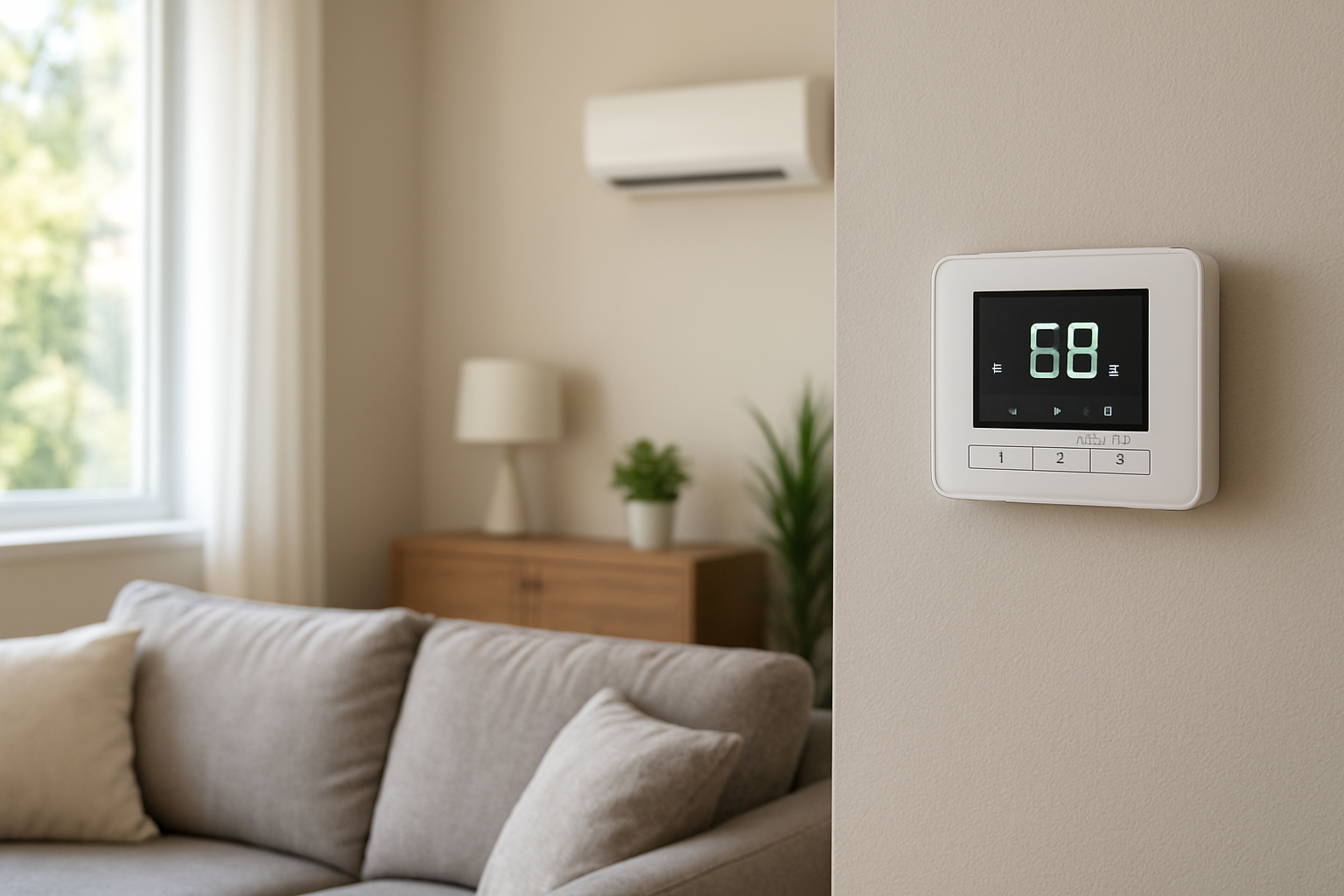
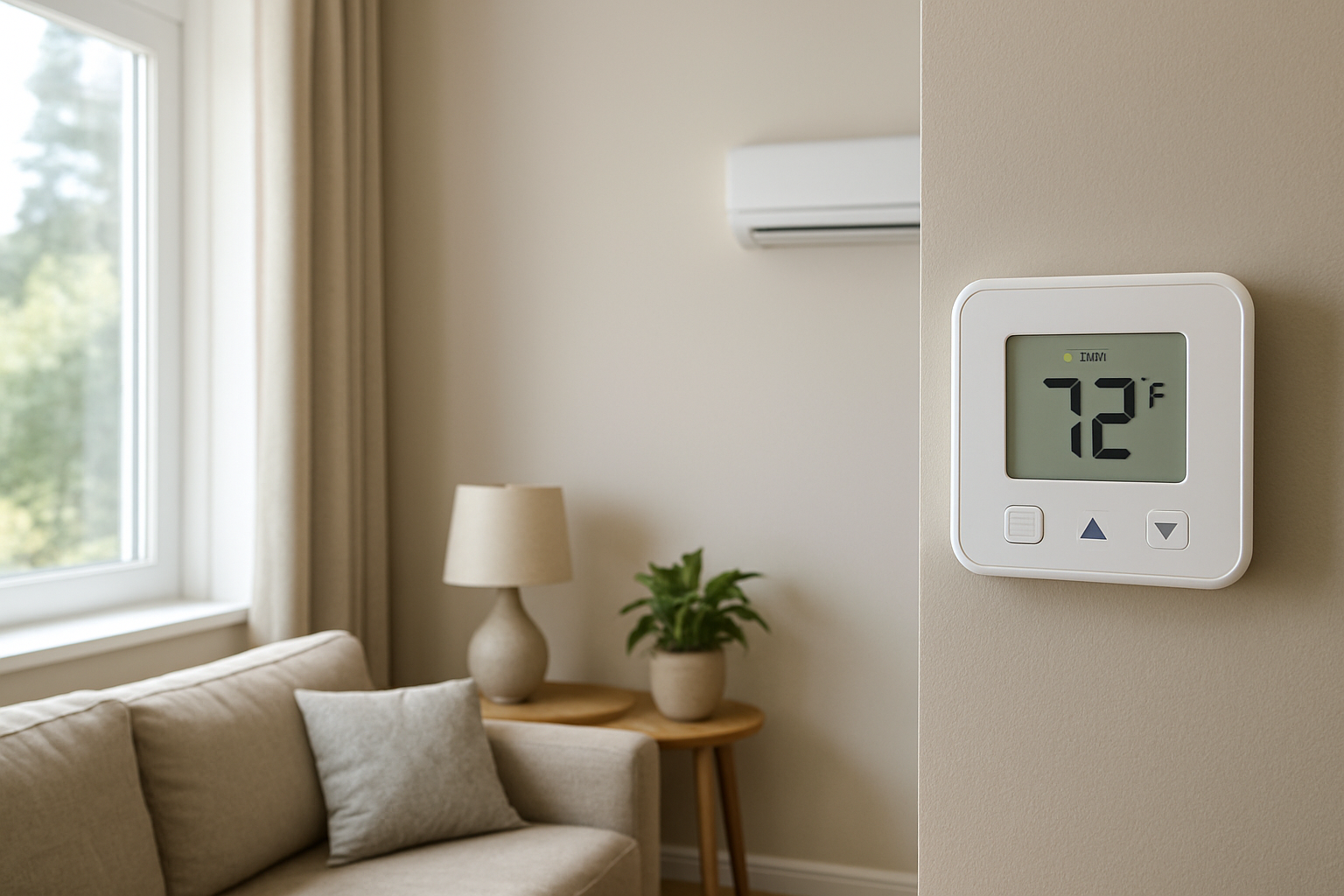
The most common reason a heating system overshoots the thermostat setpoint is poor thermostat calibration or sensing error, causing the control to think the home is cooler than it really is. First check: place a reliable thermometer next to the thermostat for 20 minutes and compare readings. If the thermostat reads 2–4°F lower than the thermometer, overshoot is likely control-related, not heat output related.
Identify the Comfort Pattern First
Before blaming the furnace or boiler, sort out the exact overshoot pattern. Overshoot from poor thermostat calibration has repeatable fingerprints.
When it happens: most noticeable on mild days (40–55°F outside) or during morning warm-up after a nighttime setback, when the system cycles more often.
Where it happens: typically the whole house feels warmer than intended, not just one room. If only one room overheats, it is usually airflow or zoning, not thermostat calibration.
System running vs off: the indoor temperature continues climbing for 5–20 minutes after the heat shuts off. With sensing error, the shutoff happens too late because the thermostat never “sees” the real room temperature.
Constant vs intermittent: usually consistent every cycle: set to 70°F, actual comfort drifts to 72–75°F repeatedly. Random overshoot suggests drafts on the thermostat, sun exposure, or a loose sensor connection.
Doors open vs closed: closing interior doors does not significantly change the overshoot amount when the thermostat is the problem. If doors change it a lot, you are dealing with distribution and room-to-room imbalance.
Vertical differences: overshoot complaints often include warm upper levels and a warmer ceiling than floor, but the key diagnostic point is the thermostat area itself is warmer than the requested setpoint.
Humidity perception: air may feel dry or stuffy simply because it is hotter than intended; the primary issue is temperature control, not humidity control.
Airflow strength: supply airflow usually feels normal. Weak airflow points away from thermostat calibration and toward duct restriction or blower issues.
What This Usually Means Physically
A thermostat makes decisions based on what its sensor measures at its location. If the sensor reads cooler than the actual air temperature, it will call for heat longer than necessary. The system then delivers extra heat into the home. Even after the call ends, residual heat stored in the heat exchanger, ducts, radiators, and interior surfaces continues to release into the air, pushing the occupied temperature above the setpoint.
With poor thermostat calibration, the control “target” is shifted. Example: thermostat set to 70°F, but due to sensor offset it behaves as if 70°F is actually 72–74°F. The equipment may be operating normally; the control reference is wrong.
Overshoot becomes more noticeable when:
Heat loss is low: mild weather or good insulation means small amounts of additional heat raise indoor temperature quickly.
Air stratification is present: warm air accumulates near ceilings; if the thermostat is in a cooler draft path or on an exterior wall, it can under-read while the room is already warm.
Sensor location is biased: sunlight, nearby supply registers, a cold exterior wall, or a return air pathway can make the thermostat sense a temperature that is not representative of the living space.
Most Probable Causes (Ranked)
Thermostat temperature calibration offset (most likely): thermostat consistently reads 2–4°F different than a reliable thermometer placed beside it, and the overshoot amount is consistent cycle to cycle.
Thermostat influenced by drafts or wall temperature: thermostat is on an exterior wall, near a leaky door, or above an unsealed wall cavity; it reads cooler than the room, especially on windy days.
Thermostat affected by nearby heat sources or sun (causes apparent overshoot and unstable control): sun hits the thermostat, or a lamp/TV/coffee maker heats the immediate area; the system behavior feels erratic rather than consistently high.
Improper thermostat cycle rate or control algorithm setting: some thermostats have settings for furnace/boiler type (gas, oil, electric, heat pump) or cycles per hour; incorrect setting can increase temperature swing and late shutoff.
Anticipator or sensor lag issues in older thermostats: mechanical thermostats with an incorrectly set anticipator can overshoot or undershoot; symptom often changes with season and run time length.
Oversized heating capacity (less likely if overshoot is steady and whole-house): short cycles and hot blasts can create uneven comfort, but true overshoot beyond set temperature is more commonly sensing error than capacity alone.
How to Confirm the Cause Yourself
These checks are observation-only and safe. Do not open equipment panels or handle wiring.
Thermometer comparison at the thermostat: place a trusted digital thermometer within 2 inches of the thermostat (not touching it). Wait 15–20 minutes. If the thermostat reads lower than the thermometer by more than 2°F, that offset can directly explain the overshoot.
Measure the overshoot consistently: set a steady temperature (no setbacks) for a full day. Note setpoint and highest temperature reached after the heat shuts off. If it overshoots by a similar amount every cycle (example: always 3°F), that points to calibration or location bias.
Draft and wall bias check: on a cold or windy day, stand near the thermostat and feel for cool air movement. Also touch the wall near it; if the wall feels noticeably cooler than interior walls, the thermostat may be sensing a colder boundary layer.
Supply register influence check: with the heat running, feel for warm airflow washing over the thermostat location from a nearby register or hallway. If you can feel moving warm air at the thermostat, the sensing will be biased.
Door position test: run one normal heating cycle with nearby doors in their usual position, then repeat with them open. If overshoot changes significantly, air circulation and return pathways are influencing what the thermostat senses.
Time-of-day test for sun: if overshoot is worse on sunny afternoons and normal at night, suspect solar gain on the thermostat or a nearby sunlit wall section rather than pure calibration.
Normal Behavior vs Real Problem
Some temperature swing is normal because houses store heat in floors, walls, furniture, and ductwork. A typical modern thermostat and forced-air system may overshoot about 0.5–1.5°F depending on airflow, heat exchanger mass, and sensor response.
It is more likely a real problem when:
Overshoot is consistently above 2°F and you can reproduce it on multiple cycles.
The thermostat reading does not match the room by more than 2°F when verified with a reliable thermometer.
Comfort impact is real: you are frequently opening windows, waking up overheated, or rooms feel stuffy because temperature is elevated above preference.
When Professional Service Is Needed
Thermostat offset exceeds 3–4°F after a careful thermometer comparison and the thermostat has no calibration/offset feature, or adjusting it does not hold.
Control behavior is unstable: long calls followed by short rapid cycles, or temperature fluctuation that changes day to day without weather explanation.
Safety indicators: unusual smell of combustion gases, soot, frequent burner rollout, or any carbon monoxide alarm events. Temperature overshoot alone is usually a control issue, but safety symptoms require immediate professional attention.
How to Prevent This in the Future
Verify thermostat placement: interior wall, away from direct sun, exterior doors, supply registers, and kitchens. The thermostat should “see” average room air, not a draft or a hot/cold surface.
Seal the wall cavity behind the thermostat: a small air leak from an exterior wall cavity can keep the thermostat sensor artificially cool.
Use a thermostat with adjustable temperature offset: if your thermostat supports calibration, correct the displayed temperature to match a reliable reference.
Avoid deep setbacks if overshoot bothers you: aggressive morning recovery can amplify overshoot. Smaller setbacks reduce the control error impact and residual heating effect.
Maintain steady airflow: replace filters on schedule and keep supply/return grilles unobstructed so the thermostat location reflects mixed house air, not stratified pockets.
Related Home Comfort Symptoms
Thermostat says 70 but it feels like 75
Heat shuts off but the house keeps getting hotter
Upstairs overheats while downstairs is acceptable
Short cycling with noticeable temperature swings
Temperature is fine at night but too warm on sunny afternoons
Conclusion
When a heating system consistently runs past the set temperature, the most probable explanation is thermostat calibration or sensing error: the control believes the space is cooler than it really is, so it ends the call late and residual heat pushes the home above setpoint. Confirm it by comparing thermostat temperature to a reliable thermometer at the same location and by checking for drafts, sun, or register influence. If the offset is more than 3°F or the overshoot persists after obvious location issues are corrected, schedule professional diagnosis.
Frequently Asked Questions
How many degrees of overshoot is acceptable for a heating system?
About 0.5–1.5°F can be normal depending on thermostat type and how much heat is stored in ducts or radiators. Consistent overshoot above 2°F is a strong indicator of thermostat sensing error or location bias.
My thermostat reads 70°F but a thermometer nearby reads 73°F. Which one is right?
If the thermometer is reliable and has stabilized for at least 15–20 minutes beside the thermostat, the thermometer is usually closer to true room air temperature. A 3°F difference is enough to cause noticeable overheating and points to thermostat calibration or sensing influence from the wall or drafts.
Why does the house keep warming up after the furnace shuts off?
Heat stored in the heat exchanger and ductwork continues to move into the living space after the burner stops. That is normal. It becomes a problem when the thermostat is ending the call late due to a sensor reading too low, so the stored heat pushes the room past the intended setpoint.
Does an oversized furnace cause overshoot above the thermostat setting?
Oversizing more commonly causes short cycles and uneven room temperatures. True consistent overshoot beyond the setpoint is more often a thermostat sensing or calibration problem. Oversizing can make swings feel sharper, but it is not the first place to look when the thermostat reading is off.
Can I fix overshoot by moving the thermostat setting down a few degrees?
You can manage comfort that way, but you are compensating for a measurement error. A better fix is confirming the offset and correcting calibration (if the thermostat allows) or addressing location influences like drafts, sun exposure, or wall cavity air leakage.
Need a complete overview? Visit the full troubleshooting guide here: Read the full guide for more causes and fixes.
When the house runs past the mark, it turns a small comfort feature into a petty negotiation. Not dramatic, not dangerous in the headline sense—just enough to make you feel like the thermostat is freelancing.
But the moment the behavior lines up with what you asked for, everything settles in, almost stubbornly so. The room stops “feeling smart” in the wrong direction, and you get back to a steadier kind of peace.